

 IHUB
 Private Briefings (Webinars)


 LeaderSpeak Podcast
 Global Entertainment Digest (Newsletter)
 Premium Lists
 Premium Reports
 Membership Benefits
 About Vitrina
 Our Story

Equity, slate and private equity
Investors buy a share of the film or a slate of films, and get paid back last.
Read moreWhere the money for film and TV comes from in 2026, who is putting it in, and on what terms. Guides, live briefings and the people closest to the deals, in one place.
Find film financiers by territory, genre and budget. Free queries, no sales call.
companies tracked across 100+ countries
executives, with the role they hold today
film finance decision makers in Europe, found by one VIQI search during our production financing briefing
active film financiers in VIQI
An independent film is rarely funded by one source. Producers stack two to four: equity from investors, pre-sales to distributors, tax incentives, soft money from public funds, and loans secured against all of the above. The order of that stack decides who gets paid back first.
The mix has shifted. Studio money now backs about 4% of US releases, while production in Europe, Asia Pacific and Latin America keeps growing. Private equity slates, public incentives, brand money and co-productions have moved in to fill the gap.
Read the full guideFilm money comes from four kinds of backer, and each one expects something different back. Start with the group you're talking to.
Investors buy a share of the film or a slate of films, and get paid back last.
Read moreTwo producers, two countries, two sets of incentives on one film.
Read moreWhich platforms work for film, and what a campaign can realistically raise.
Read moreLenders first, investors next, profit last. The order is agreed before the shoot, and it decides who carries the risk.
A feature, a series and a documentary get funded in very different ways. Each format has a usual first source of money, and the rest of the plan is built around it. Here's where it starts for each one.
Money usually starts withThe commissioner's licence fee
A broadcaster or streamer commissions the show and pays a licence fee. The producer covers the remaining deficit with tax credits, co-producers and distribution advances.
Money usually starts withA broadcaster or platform commission
Unscripted shows are usually commissioned and funded close to full cost. The value a producer keeps sits in the format, which can be sold to other countries.
Money usually starts withGrants and broadcaster pre-buys
Documentaries draw on film funds, foundations and impact investors, with a broadcaster or streamer pre-buy often closing the budget.
Money usually starts withGrants and crowdfunding
Budgets are small and sales are rare, so shorts lean on arts grants, crowdfunding and private backers, with festivals as the route to a first feature.
Money usually starts withCo-production and broadcaster pre-sales
Animation takes years to make, so producers spread the cost across co-producers in several countries, broadcaster pre-sales and incentives, with licensing income later.
Money usually starts withPlatform commissions
Short vertical series made fast and cheap for app platforms. Most are commissioned by the platform or made on a revenue share.
Lists of active financiers by type and by market, updated from VIQI.
More markets: Brazil Germany Spain Netherlands Belgium Switzerland Sweden Norway Finland Singapore Indonesia Hong Kong
Tell VIQI the budget, genre and territory. It returns the financiers, funds and decision makers who match, with their recent deals.
Closed-door sessions with the people writing the cheques. Members watch in full.


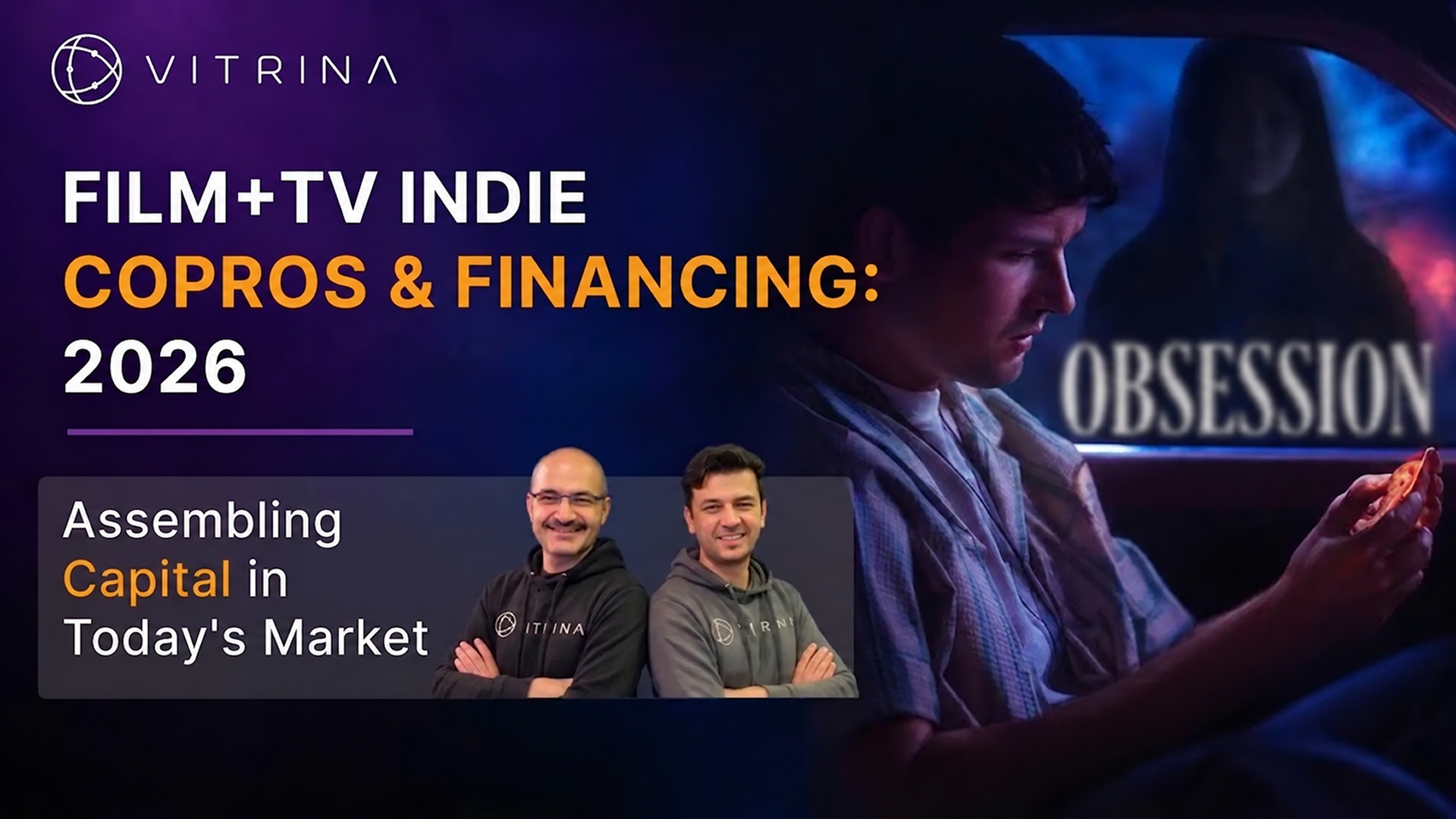
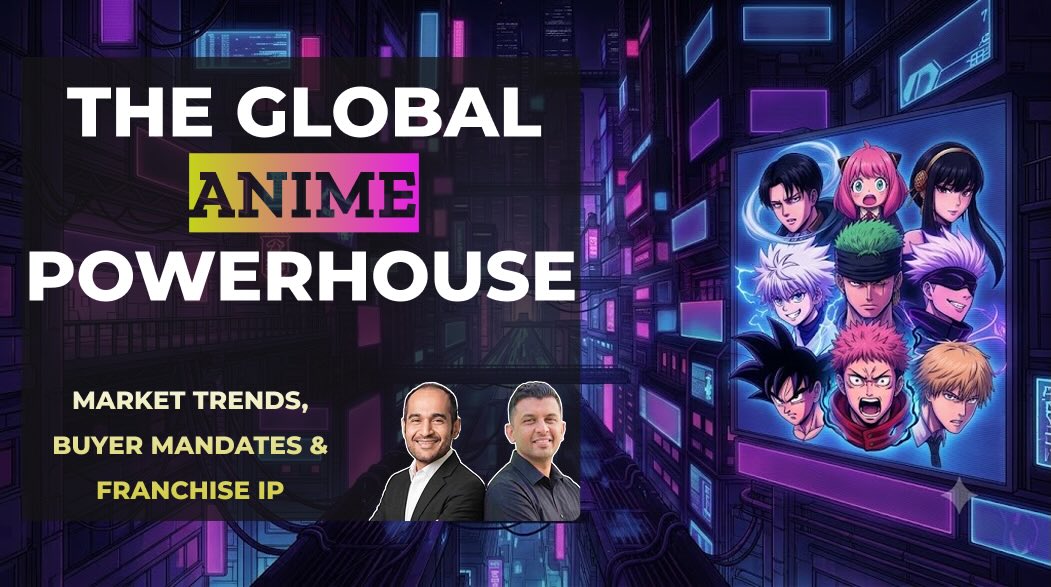

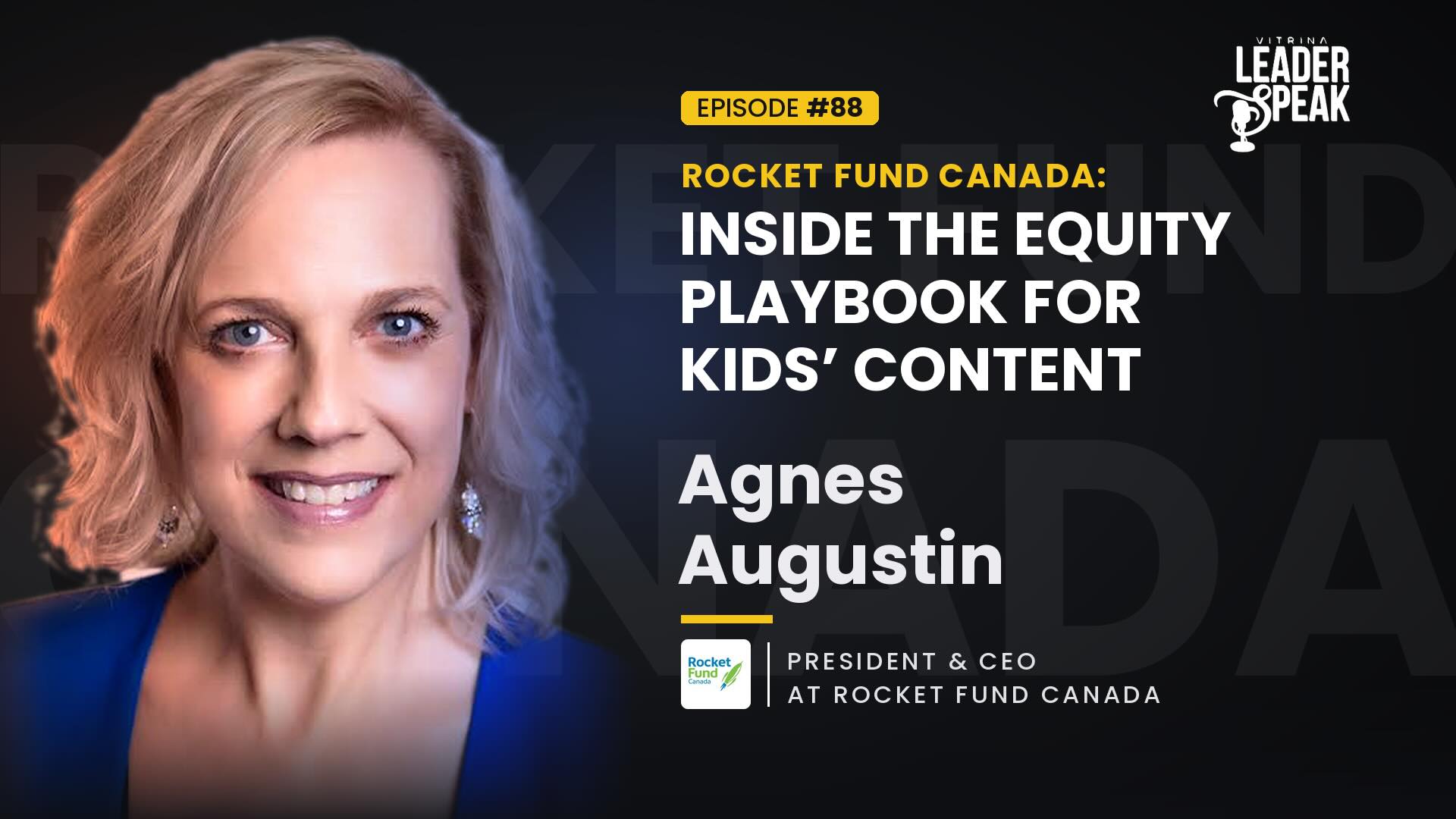
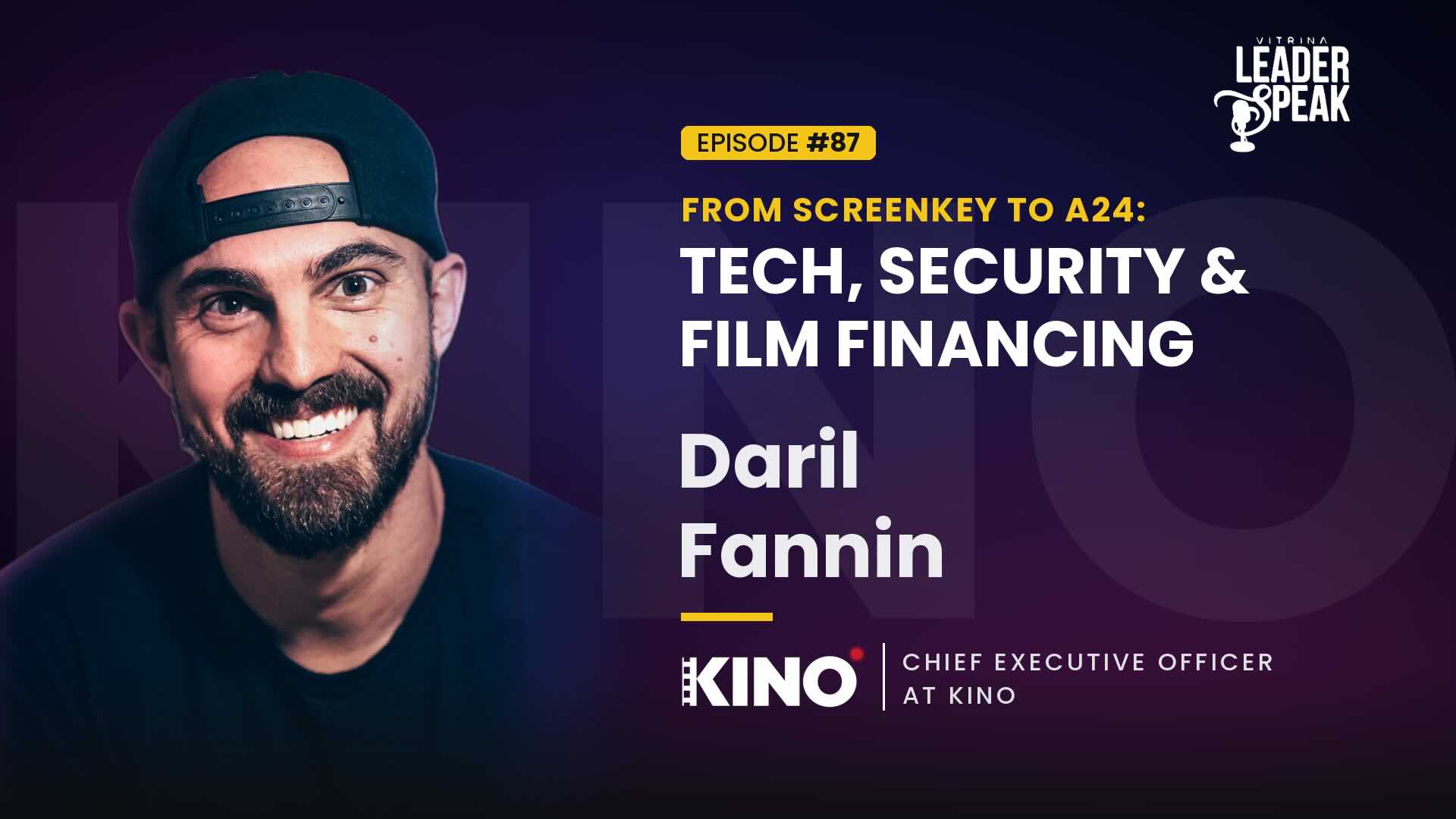

The order to raise money in, the documents financiers ask for, and the mistakes that stall a first film.
Producers combine several sources to cover a budget: equity, pre-sales, tax incentives, soft money and loans secured against those contracts. A recoupment waterfall, agreed before the shoot, sets the order in which each party is repaid.
A loan that covers the difference between the value of pre-sales already signed and the full budget. The lender relies on a sales agent's estimate of the territories still unsold, and is usually repaid before equity investors.
In a pre-sale, a distributor licenses a finished film's rights in a territory before it is made, and the producer keeps ownership. In a pre-buy, a broadcaster or platform pays upfront for rights and often takes more control over the project.
Start with investors who have backed films at your budget and in your genre in the last two years. VIQI filters financiers by territory, genre, budget and deal history, and shows who to contact first.
A small group of banks and specialist lenders run entertainment desks. They lend against pre-sale contracts, tax credits and distributor guarantees rather than against the film's hoped-for profits. Our bank page lists the active ones.
Headline rates run from about 20% to 40%, with a few programs higher. The real figure is lower, because the rate applies only to qualifying spending in that country.
Search active financiers, funds and co-production partners by territory, genre and budget.