

 IHUB
IHUB
 Private Briefings (Webinars)


 LeaderSpeak Podcast
  Global Entertainment Digest (Newsletter)
  Premium Lists
 Premium Reports
 Membership Benefits
 About Vitrina
 Our Story

Mid-budget films are attracting new capital. See why this segment is becoming one of the strongest bets in Film today.
completed
completed
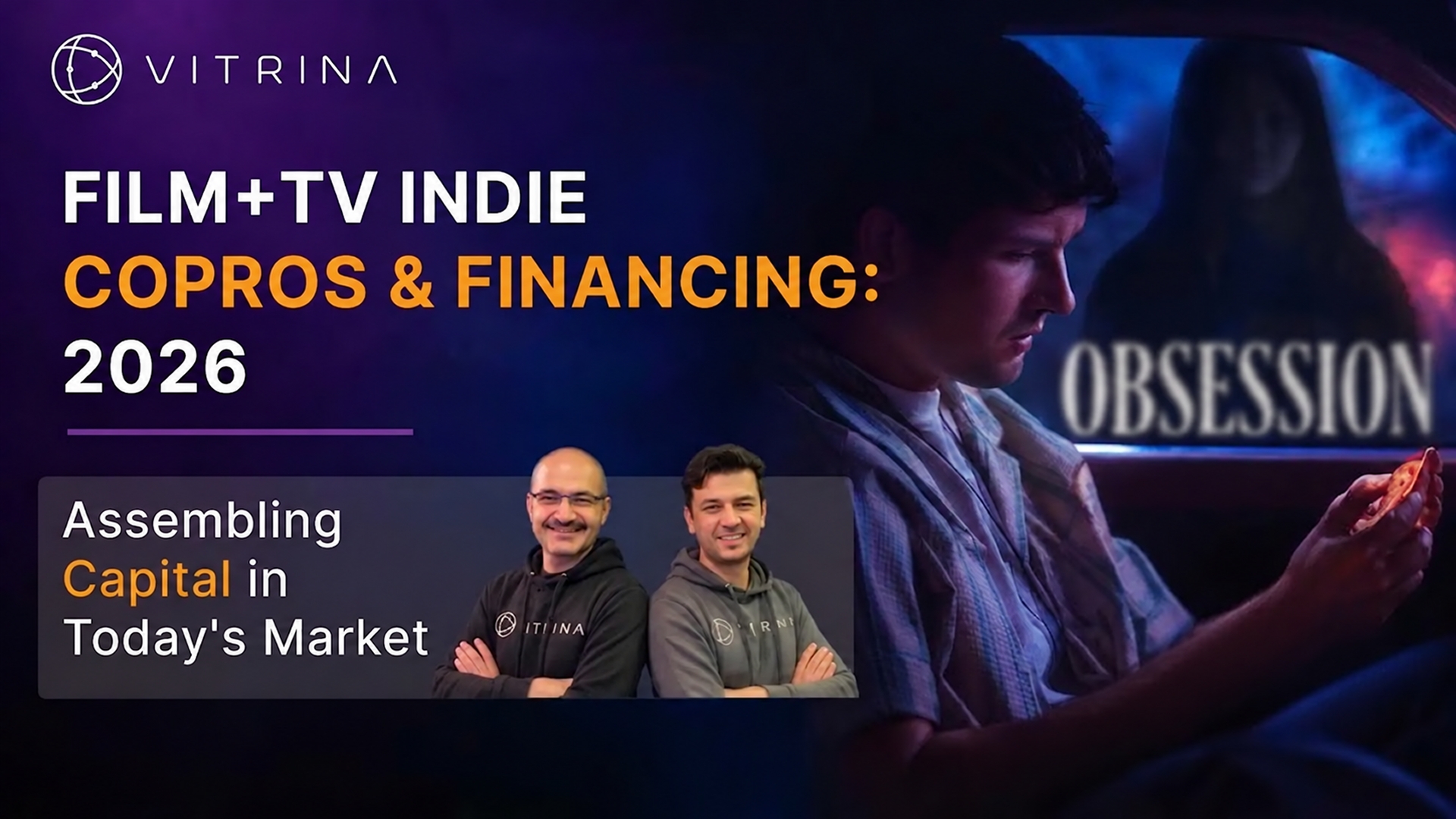
This briefing tracks why mid-budget films are back in favour, how deals in the $5M to $60M range are getting financed in 2026, and what financiers and commissioners are actually backing.
For years, the studios chased $200M tentpoles at one end and tiny sub-$5M projects at the other, and the middle got hollowed out. That squeeze was real. Low-budget output grew so fast it crowded the frame.
Look at the actual transactions, though, and the middle is not shrinking. Deal counts across 100 countries keep climbing, and the money lining up behind these films now comes from places it did not a few years ago. So what changed, who is writing the cheques, and why do financiers keep calling this the smartest bet in the room?
Get Out cost under $5M and paid back the entire slate it sat in. We use it to show how a single mid-budget hit changes the whole equation.
A Tom Hanks film was stuck above $100M and would not green-light. De-aging AI brought it into the $55M range, and it moved. The film, and the method, are inside.
Fifth Season stacked a CJ ENM stake, a $225M investment from Toho, and a $500M JP Morgan facility. We break down how a mid-budget slate pulls in capital at that level.
| 0:00 | Welcome, and the mid-budget comeback thesis |
| 9:11 | The data: a 40% rise in mid-budget deals |
| 11:07 | The headwinds and the tailwinds |
| 21:04 | How mid-budget films actually get financed |
| 23:24 | Case studies: Maddock, Fifth Season, Our Films |
| 34:13 | Cutting cost with AI: the Tom Hanks film Here |
Two people who talk to studios, streamers, financiers, and vendors every single week.

Founder & CEO, Vitrina A.I.
– A value-chain specialist and host of Vitrina’s LeaderSpeak podcast series, Atul reads and analyzes big-player market moves—across regions, genres, content slates, and partner choices—and deciphers the why, how, and what next – within the business of content.

Strategic Growth & Solutions Leader, Vitrina
– Kunal spends every day speaking with studios, streamers, financiers, and vendors—surfacing real financing, partnership, and growth needs. He brings those live questions to the session to spot trends in real time and map where the industry is heading next.
Not marketing copy — this is what regulars tell us.





Join with a free entry tier and free credits — no credit card required.