IHUB
IHUB
 Private Briefings (Webinars)


 LeaderSpeak Podcast
  Global Entertainment Digest (Newsletter)
  Premium Lists
 Membership Benefits
 About Vitrina
 Our Story
When you hit a successful IP, the upside can be far greater than the overall risk you take. That equity profile of investment is what we understand — and what we bring to the market.
Podcast Chapters
| Timestamp | Chapter |
| 00:00 | Introduction to IPR.VC |
| 02:45 | Evolution of IPR.VC’s Investment Model |
| 09:01 | Defining Quality in Entertainment Projects |
| 11:41 | Project Stages and Investment Strategies |
| 14:43 | Navigating Financing Complexities |
| 27:09 | Understanding Slate Financing Dynamics |
| 31:42 | Investor Relations and Capital Return Strategies |
| 35:35 | Time Horizons for Film Investments |
| 38:37 |
Future Plans and Innovations in Content Investment
|
Key Takeaways:
- Backing partners, not projects: IPR.VC commits capital to a studio’s entire slate rather than picking individual films. Scarso explains that the decision to invest is based on the partner’s creative track record, leadership team, and audience instincts, not any single script or package.
- Relationships open doors that pitch decks can’t: Scarso describes IPR.VC’s partnership with A24 developed over years of relationship-building before a single deal was signed. The fund doesn’t cold-approach studios. Every partnership started with a personal connection that grew into a commercial one.
- The Marty Supreme deal validated the model at scale: A24’s largest production budget to date, the film earned 9 Oscar nominations and crossed $100M at the box office. For IPR.VC, it proved that slate-level equity investing can produce both cultural impact and financial returns.
- Audience understanding separates winners from losers: Scarso emphasizes that IPR.VC evaluates potential partners partly on how well they understand their audience. A studio that makes films for a clearly defined viewer is a safer bet than one chasing trends or trying to be everything to everyone.
- The Future Content Fund extends beyond traditional film: IPR.VC is building a new fund targeting the creator economy, branded content, and live experiences. Scarso sees these formats as the natural next application of the same slate-investing thesis that worked in traditional film. For more on how different financing models compare, read Vitrina’s film financing guide.
Key Takeaways
- Backing partners, not projects: IPR.VC commits capital to a studio’s entire slate rather than picking individual films. Scarso explains that the decision to invest is based on the partner’s creative track record, leadership team, and audience instincts, not any single script or package.
- Relationships open doors that pitch decks can’t: Scarso describes IPR.VC’s partnership with A24 developed over years of relationship-building before a single deal was signed. The fund doesn’t cold-approach studios. Every partnership started with a personal connection that grew into a commercial one.
- The Marty Supreme deal validated the model at scale: A24’s largest production budget to date, the film earned 9 Oscar nominations and crossed $100M at the box office. For IPR.VC, it proved that slate-level equity investing can produce both cultural impact and financial returns.
- Audience understanding separates winners from losers: Scarso emphasizes that IPR.VC evaluates potential partners partly on how well they understand their audience. A studio that makes films for a clearly defined viewer is a safer bet than one chasing trends or trying to be everything to everyone.
- The Future Content Fund extends beyond traditional film: IPR.VC is building a new fund targeting the creator economy, branded content, and live experiences. Scarso sees these formats as the natural next application of the same slate-investing thesis that worked in traditional film. For more on how different financing models compare, read Vitrina’s film financing guide.
Sound Bites
1. “It’s not about deal flow — it’s about the quality of investing.”
2. “We don’t just bring capital. We bring a real partnership.”
3. “Hit the right IP, and the upside is greater than any risk you take.”
4. “If you don’t keep innovating, you’re going to miss out on a lot.”
5. “The old P&A model is outdated — the rules of the game have changed.”
We don’t just invest in a project — we go on a journey that lasts years, across multiple projects. That slate approach is what creates real, lasting value for everyone involved.
Key Policies in IPR.VC’s Business Model
- Equity only, no debt: Pure equity positions in IP rights and revenue shares. No lending, no collateral structures. The fund captures full upside when a title performs.
- Slate partnerships over single-project deals: Capital goes to a partner’s full output across multiple years, not to individual films. This is how the fund controls volatility.
- Co-production structures to stretch every budget: Tax credits, subsidies, and international co-production treaties across European jurisdictions reduce private capital exposure on every deal.
- Portfolio diversification by design: Each slate mixes genres, budgets, audiences, and geographies so no single variable can sink the portfolio.
- Research before deployment: IPR Lab studies a content sector’s economics, audience behavior, and risk profile before the fund commits capital. The Future Content Fund exists because of this process.
Why Partner With IPR.VC?
- Capital committed at the slate level, not project basis: IPR.VC provides financing across a studio’s full output rather than evaluating individual scripts. This gives partners the financial stability to plan multi-year slates without chasing greenlight approval for each project.
- Proven track record with A24, XYZ Films, MK2, and Red Bull Studios: These are active, producing partnerships with measurable results. The A24 slate alone generated 9 Oscar nominations and $100M+ box office across Marty Supreme, Materialists, and Civil War.
- Managing Partner involvement on every deal: Andrea Scarso sits as executive producer on funded projects, providing hands-on support through production and distribution rather than passive capital.
- Structured for institutional investors, accessible to creative partners: IPR.VC’s fund operates under European financial regulation, which means the capital behind every deal has already passed institutional due diligence. For production partners, this translates to reliable, committed financing.
- Future Content Fund is opening new format categories: Studios and creators working in branded content, live experiences, and creator-economy formats now have a pathway to institutional capital that didn’t previously exist in this space.
IPR.VC is Bridging Capital and Creativity, One IP at a Time
IPR.VC is a London-based content investment fund that deploys equity capital into slate deals with established studios and production partners. Founded in Helsinki in 2014, the fund has invested in approximately 60 films across three funds, with active partnerships including A24, XYZ Films, MK2, and Red Bull Studios. IPR.VC invests in IP rights and revenue shares rather than production company equity, targeting returns within two to three years. The fund’s upcoming Future Content Fund will extend the slate-investing model into the creator economy, branded content, and live experiences.
Frequently Asked Questions
1. How does IPR.VC decide which studios to partner with?
IPR.VC evaluates potential partners based on creative track record, leadership quality, and audience understanding rather than individual project pitches. The fund commits capital to a studio’s full slate, so the decision is about trusting the partner’s long-term judgment rather than assessing a single script.
2. What is the difference between slate financing and single-project film financing?
Single-project financing backs one film at a time, concentrating all risk on that project’s performance. Slate financing spreads capital across a portfolio of 10-20 films, so underperformance on one title is absorbed by the portfolio. IPR.VC uses slate financing with partners like A24 to manage the inherent volatility of content investment.
3. Can independent producers approach IPR.VC for financing?
IPR.VC primarily partners with established studios and production companies at the slate level rather than financing individual projects from independent producers. The fund’s relationships develop over time, often starting with personal connections before becoming commercial partnerships.


Highlights from this Episode…
More from LeaderSpeak Podcast Series…
KINO CEO on Fast, Secure Video Sharing & Indie Film Fin…
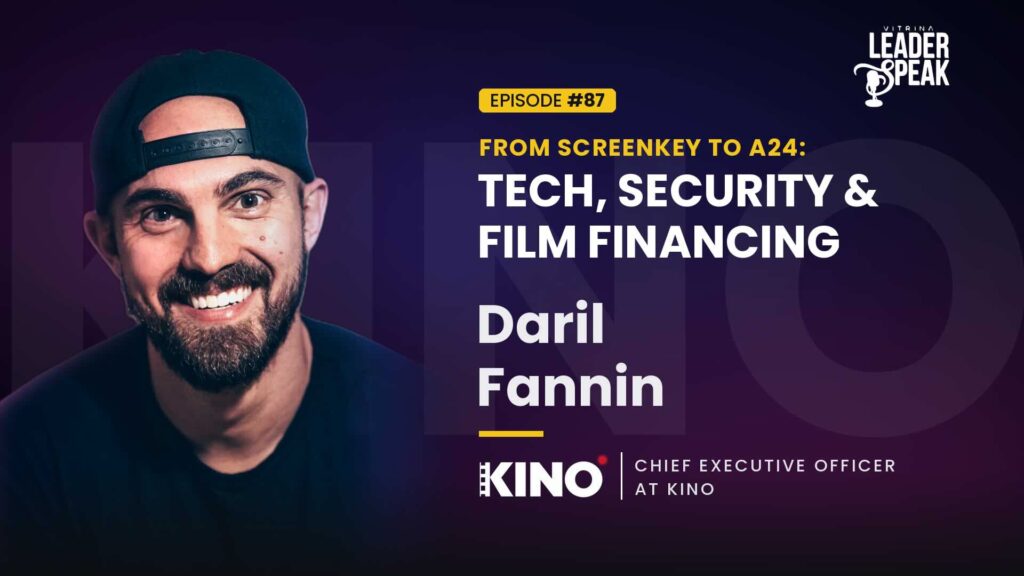
Kino CEO Daril Fannin joins LeaderSpeak to discuss ScreenKey’s production infrastructure and his playbook for de-risking indie film financing.

European Film Funding: How Umedia Co-Finances Blockbusters…
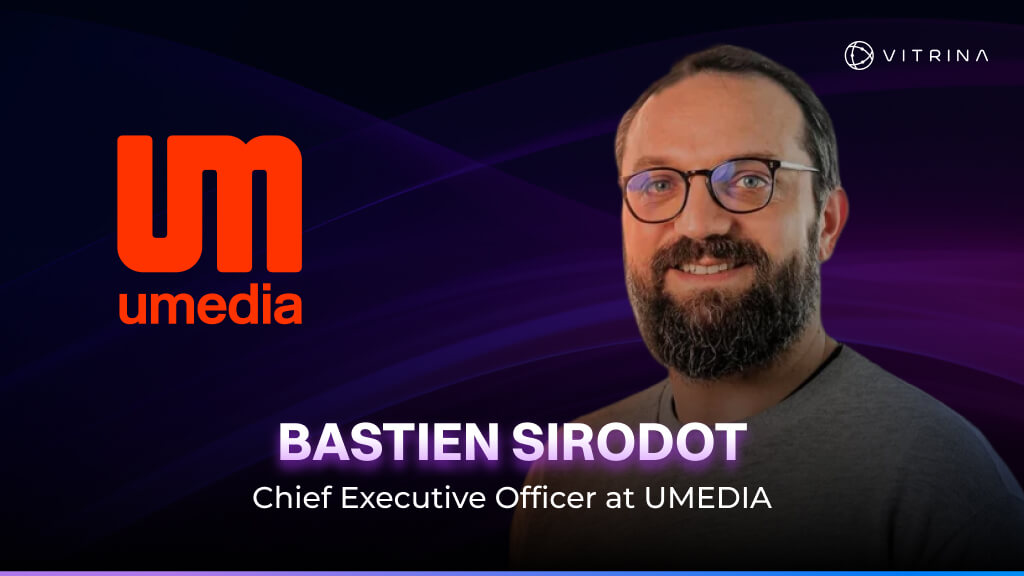
Umedia CEO Bastien Sirodot breaks down how independent filmmakers and global studios leverage Belgium’s 42% Tax Shelter and co-production models to finance hit films, series, and animation.
Light Sail VR on Spatial Workflows, Studio IP, and the Role…
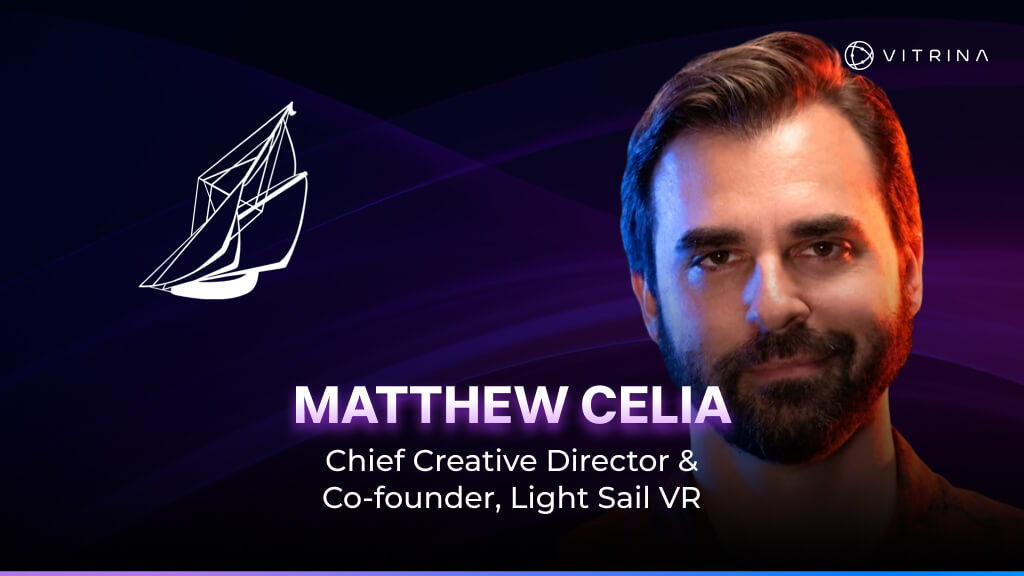
Emmy-winning creative director Matthew Celia shares how Light Sail VR bridges Hollywood IP with spatial media, builds automated post-production pipelines, and redefines storytelling beyond traditional screens.