

 IHUB
IHUB
 Private Briefings (Webinars)


 LeaderSpeak Podcast
  Global Entertainment Digest (Newsletter)
  Premium Lists
 Membership Benefits
 About Vitrina
 Our Story
Learn how pre-buys work in current Film and TV financing, how they differ from pre-sales, and how they are used to close real finance plans.
Pre-Buys and Pre-Sales: What Changed, and What Still Gets Deals Done

Pre-Buys and Pre-Sales: What Changed, and What Still Gets Deals Done
This briefing breaks down how pre-buy and pre-sale deals work in 2026, where the stress points sit now, and what the recent successes had in common.
A top UK financier said it flat out. Pre-selling a film on a pitch is mostly a thing of the past.
The timeline has slid. Pre-buys that used to close during production now show up in post. Fewer projects land them at all, and when they do, roughly 10% of the minimum guarantee gets paid on signing. The other 90% wait for delivery.
For an independent producer, that reshapes how a film reaches the finish line. So what still clears the bar with a streamer or a major buyer? And what quietly kills a project before anyone opens a term sheet?
How pre-buys and pre-sales work in 2026
- How pre-buys and pre-sales are defined today, and how far the timing has shifted.
- What actually sits inside a pre-buy agreement, and why the long-form terms have to hold.
- The move from the old revenue waterfall to the 2026 version, and where most of the value now lands.
- The small set of factors behind most financing calls, plus what each buyer weighs on top.
- Why theatrical now reads as a cost rather than a return, straight from the people signing cheques.
- How gap financing, MGs, and unsold-territory valuations lock together when a deal needs to close.
Deals and moments covered
Phil Hunt of Headgear Films told us what he has stopped seeing in pre-sales rooms. Blunt read, and it is inside.
Raymond Mansfield of QC Entertainment, with seven Academy nominations to his name, laid out why a theatrical run is a marketing line now, not a revenue line. Full logic in the replay.
Blue Planet 3 drew premium buyers across six continents before post even wrapped. We unpack what made it pre-sellable, and what to do when you don’t have Attenborough on the call.
Inside the briefing
| 0:00 | Welcome, and how Vitrina works |
| 9:30 | Pre-buys and pre-sales, defined and re-timed |
| 15:40 | Decoding the agreement: the 2026 payment split |
| 20:20 | The financiers speak: Phil Hunt and QC Entertainment |
| 24:55 | The three factors that drive most decisions |
| 33:30 | Bankability, gap financing, and recent deals |
Who is this for
This briefing is built for people who make or fund decisions about how content gets produced — not for general AI curiosity.
Your hosts
Two people who talk to studios, streamers, financiers, and vendors every single week.

EXPERT
Atul Phadnis
Founder & CEO, Vitrina A.I.
– A value-chain specialist and host of Vitrina’s LeaderSpeak podcast series, Atul reads and analyzes big-player market moves—across regions, genres, content slates, and partner choices—and deciphers the why, how, and what next – within the business of content.

HOST
Kunal Barai
Strategic Growth & Solutions Leader, Vitrina
– Kunal spends every day speaking with studios, streamers, financiers, and vendors—surfacing real financing, partnership, and growth needs. He brings those live questions to the session to spot trends in real time and map where the industry is heading next.
What people say after they attend
Not marketing copy — this is what regulars tell us.

Recently Concluded Private Briefings
Missed the live session? Catch up on the report or the full recording.
The Mid-Budget Comeback: How $5M to $60M Films Get…
Mid-budget films are attracting new capital. See why this segment is becoming one of the strongest bets in Film today.
Unreleased Film+TV Projects: Opportunities &…
A curated view of unreleased Film and TV projects open for financing and collaboration
What Film & TV Financiers Actually Want in 20…
What do Film and TV financiers look for before they invest? Join the briefing to understand how capital decisions are changing in 2026.
Upcoming Private Briefings
Reserve your seat before they fill up.

Content Licensing’s Peak Season: Global Deal…
Navigate distribution deal season with a look at pre-sales, what sold at the markets, and the buyer mandate shifts shaping future buyer slates at global…
Film+TV Indie CoPros & Financing: 2026!
How indie producers are combining soft money, tax incentives, pre-sales, and private equity to fund small-mid budget slates.
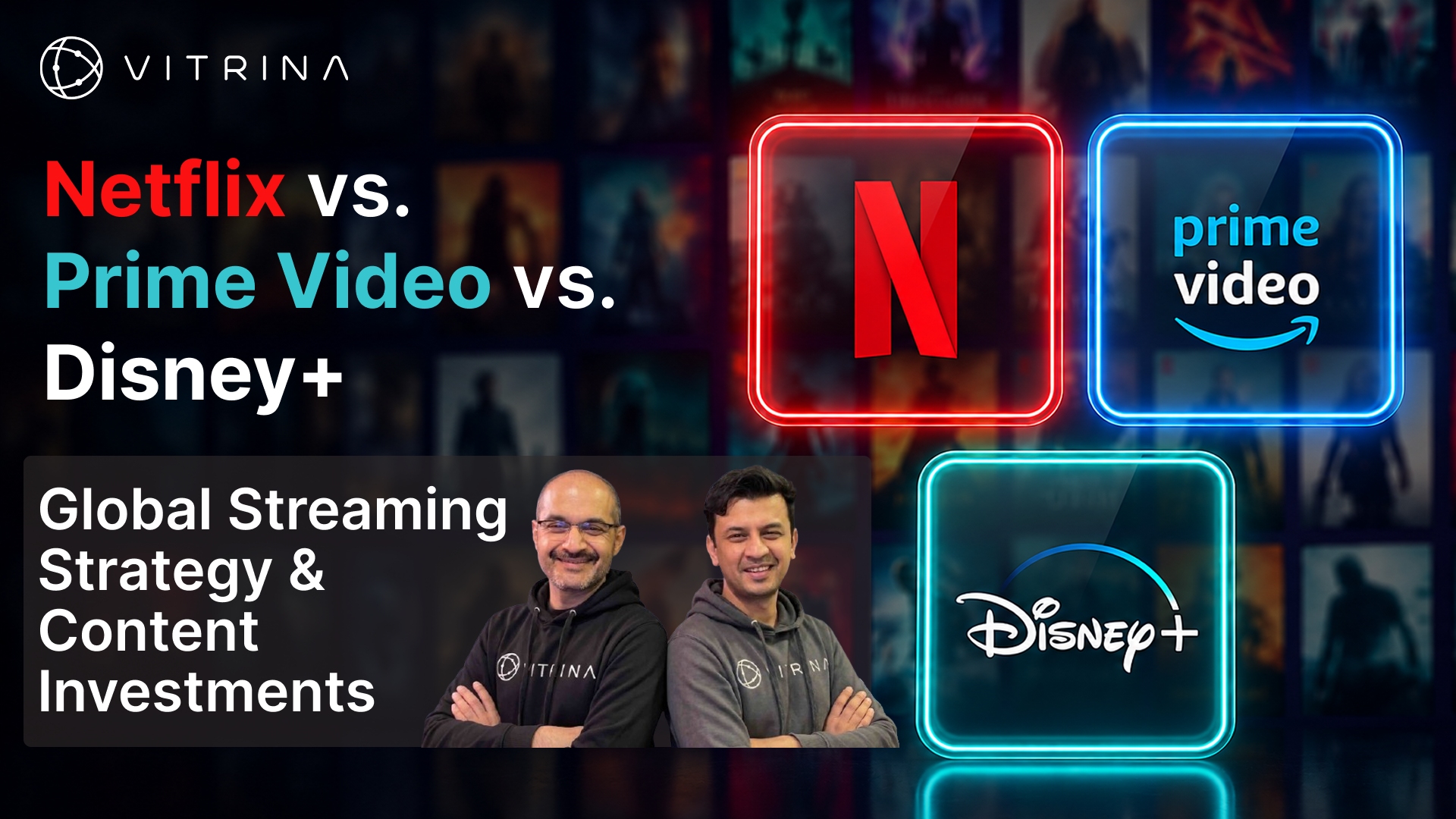
Netflix vs. Prime Video vs. Disney+ : Global Strea…
An exclusive briefing on where Netflix, Prime Video, and Disney+ are deploying capital, commissioning content, and scaling regional hubs.
Never Miss A Briefing
Join with a free entry tier and free credits — no credit card required.