IHUB
IHUB
 Private Briefings (Webinars)


 LeaderSpeak Podcast
  Global Entertainment Digest (Newsletter)
  Premium Lists
 Membership Benefits
 About Vitrina
 Our Story
Introduction
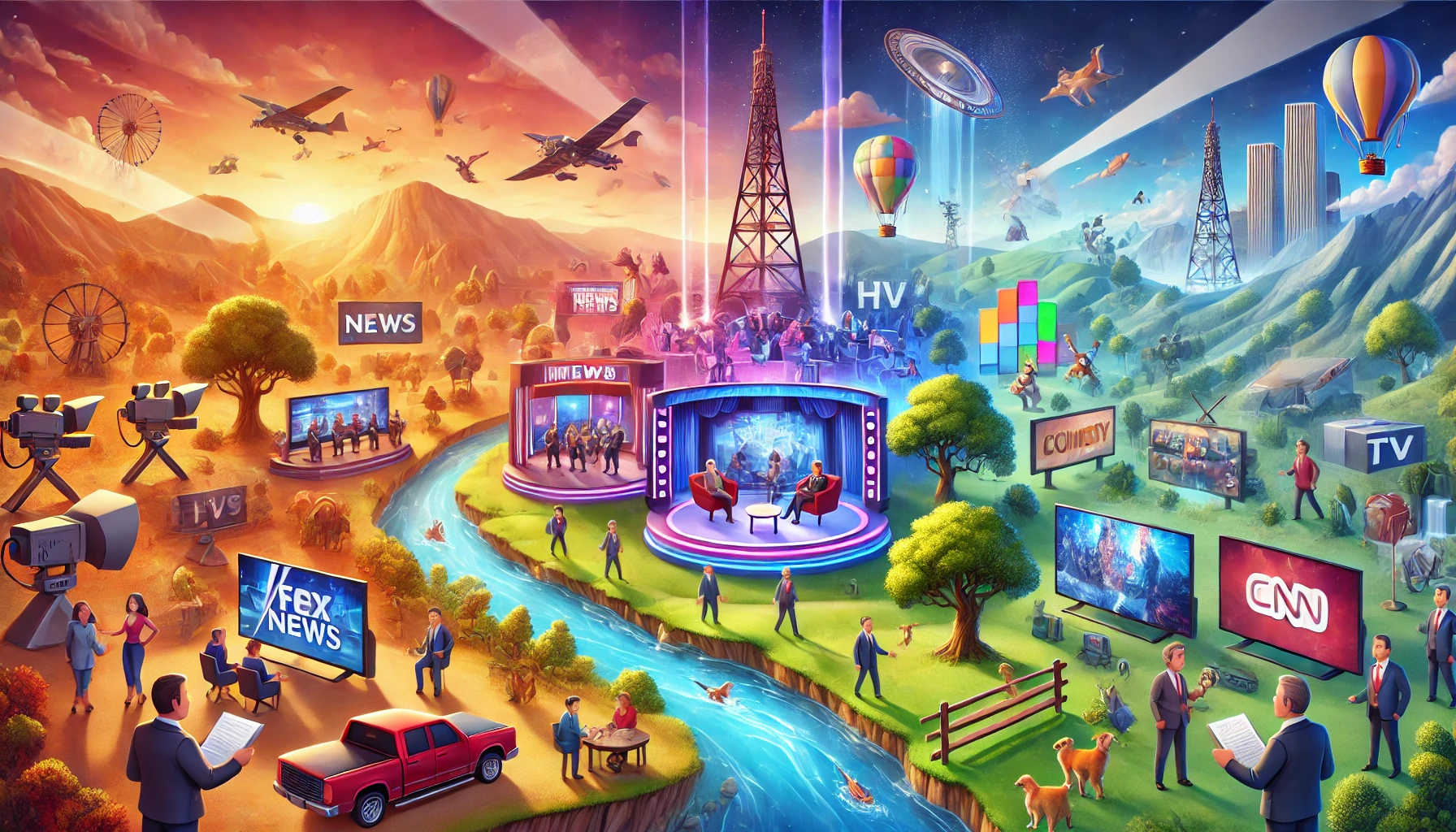
TV programming is the beating heart of the entertainment supply chain. From scripted dramas to unscripted formats, the world of TV programmes is expansive and evolving rapidly. Whether you’re a content buyer, distributor, producer, or service vendor—understanding the different types of TV programmes can shape your acquisition strategies, service offerings, or production priorities. These types are also commonly referred to as TV programme genres or categories across the industry, and knowing how they’re classified is the first step to sourcing the right content or partners.
In this article, we break down the various types of TV programmes, explore their key attributes, audiences, monetization models, and relevance in global content markets. You’ll also discover how Vitrina’s global data intelligence platform empowers you to track, connect, and collaborate across the TV content value chain.
By the end of this guide, you’ll be equipped with sharper insights and practical applications on how to navigate the ever-evolving TV ecosystem.
Table of content
- Introduction
- What Are TV Programmes?
- Scripted TV Programmes
- Unscripted TV Programmes
- News and Current Affairs Programmes
- Educational and Informational TV
- Children and Family Programmes
- Specialized & Niche Programming
- Trends in TV Programming
- How Vitrina Helps with TV Programming Intelligence
- Key Takeaways
- FAQs
Power Your Content Strategy with Vitrina

What Are TV Programmes?
TV programmes are structured content formats designed for linear or digital broadcast. They span various genres, runtimes, styles, and delivery models—ranging from high-budget dramas to short-form docuseries. Every programme type serves a distinct audience, objective, and commercial purpose.
Today, broadcasters, streamers, distributors, and service vendors engage with a wide range of programme types to cater to diverse audience preferences across regions.
Scripted TV Programmes
Scripted content refers to narrative formats with pre-written scripts. These are usually the cornerstone of a platform’s content strategy due to their high engagement and retention potential.
Types of Scripted TV:
- Drama Series: Serialized or episodic, high-stakes narratives (e.g., thrillers, crime, historical, family sagas).
- Comedy Series: Sitcoms, sketch shows, romantic comedies.
- Anthology Series: Different stories/characters in each episode or season.
- Limited Series/Miniseries: High-production value, shorter runs.
- Telenovelas/Soaps: Popular in LATAM and Asia, driven by melodrama and daily episodes.
- Fantasy/Sci-Fi: Genre-specific audience pullers, big on world-building.
Audience Appeal: Binge-worthy content, brand anchors, award potential.
Vitrina Insight: Track genre popularity across territories. Match content creators, studios, and service partners specialized in these formats.
Unscripted TV Programmes
Unscripted formats dominate prime-time schedules and offer high ROI. They’re easier to localize and adapt across markets.
Types of Unscripted TV:
- Reality Shows: Talent, lifestyle, social experiments (e.g., dating, survival).
- Game Shows: Interactive, engaging formats for mass audiences.
- Talk Shows: Celebrity interviews, pop culture discussions.
- Docuseries: Real-world narratives, often episodic.
- Makeover/Lifestyle Shows: Transformation and inspiration.
- True Crime & Investigative Series: Gaining massive global traction.
Global Success Factors: Format licensing, audience familiarity, low-cost production.
Vitrina Insight: Discover companies creating regional unscripted hits or offering format adaptations for international licensing.
Connect with Buyers & Distributors via Vitrina
News and Current Affairs Programmes
An essential pillar in traditional TV and OTT apps, these formats ensure audience engagement and advertiser relevance.
Types:
- Daily News Bulletins
- Investigative Journalism Shows
- Panel Debates and Analysis
- Global News Magazines
Why It Matters: Factual, real-time content builds platform trust and routine viewing habits.
Educational and Informational TV
Edutainment is resurging via OTT and broadcast platforms in both public and commercial sectors.
Formats Include:
- Documentaries: History, science, environment.
- How-To & DIY Shows
- Learning-Based Series for Children & Adults
- Public Service Broadcasts
Market Demand: Schools, government networks, educational publishers, and public broadcasters.
Children and Family Programmes
Children’s programming is a long-term audience development strategy. Localization and age-specific segmentation are key.
Types:
- Animated Series
- Preschool Programming
- Edutainment
- Teen Series
- Family Sitcoms
Vitrina Insight: Find animation studios, co-production partners, and global distributors with age-tiered programming portfolios.
Specialized & Niche Programming
Hyper-targeted content categories are shaping the future of engagement, especially on digital platforms.
Popular Niches:
- Religious Programming
- Sports & eSports Coverage
- Cultural Content
- LGBTQ+ Focused Shows
- Indie and Regional Formats
Vitrina Insight: Discover niche creators, funders, and content buyers looking for micro-audience engagement.
Trends in TV Programming
- Hybrid Formats: Scripted+Unscripted fusion.
- Short-form Vertical Content: Mobile-first TV bites.
- AI-Generated Content Formats
- Genre Crossovers
- Localization of Global Formats
How Vitrina Helps with TV Programming Intelligence
Vitrina’s global platform helps buyers, producers, and service vendors:
- Track the most in-demand programme formats globally.
- Match with companies specializing in specific types of TV programmes.
- Discover new co-production and localization partners.
- Integrate Project Tracker APIs to monitor live projects by genre and content stage.
- Access contact details of format buyers and programme heads across 100+ countries.
Whether you’re sourcing a preschool show distributor in LATAM or a docuseries production house in APAC, Vitrina connects you to the right decision-makers.
Trusted by Execs and Leaders From

crafty apes

ITV_Studios 1

Globo 2024 1

Vector (1)

PRG

Hyphenate Media

Sony TV

Premier Digital

Netflix

Getty

Digital Film Tree

Amagi

William Morris Endeavor (WME) Entertainment

Endeavor Group

Warner Bros. Discovery

Sony Pictures

Toonz Media Group

SBT Brazil

Paramount

Special Broadcasting Service (SBS)

DLE Animation Japan

Google TV

Friday Filmworks
Key Takeaways
- TV programming spans genres from scripted drama to niche content.
- Understanding types helps in content acquisition and distribution strategy.
- Vitrina enables a 360° view into content trends, producers, and partners.
- Industry players can use Vitrina to make data-led production and acquisition decisions.
Frequently Asked Questions
Drama and unscripted reality series continue to dominate both ratings and content licensing.
It helps in planning content pipelines, targeting audience segments, and discovering new formats.
Through metadata-enriched profiling, project-stage classification, and API integrations across global content markets.
TV programming is broadly grouped into genres, or categories, such as scripted formats (drama, comedy, anthology, miniseries, telenovelas, fantasy/sci-fi) and unscripted formats (reality shows, game shows, talk shows, docuseries, lifestyle shows, true crime). Beyond these, the main categories also include news and current affairs, educational and informational TV, children and family programmes, and specialized or niche programming.