How OTT Platforms Use AI Content Recommendations to Drive Retention in 2026

Share
Share
OTT Platforms

Here’s what’s actually happening inside the world’s largest streaming platforms right now: AI content recommendations have quietly become the single most powerful retention tool in the business—more impactful than any individual title, any exclusive, any bundle deal. Netflix’s recommendation engine drives roughly 80% of content watched on the platform. That’s not a product feature. That’s the entire business model expressed as an algorithm.

But the gap between platforms that have built this capability properly and those that haven’t is widening fast. Average churn across the streaming industry runs between 5% and 7% monthly for mid-tier platforms—meaning you’re replacing a meaningful portion of your subscriber base every quarter. Platforms that’ve cracked AI-driven personalization are compressing that number significantly. The ones relying on genre carousels and “because you watched” logic from 2019? They’re watching it spike.

This piece is for the executives making acquisition, technology, and content strategy decisions at OTT platforms right now. Not a primer on what recommendation engines are—you know what they are. But a clear-eyed look at where the technology actually stands in 2026, what the leaders are doing differently, and how your content sourcing strategy either feeds or starves your AI retention stack.

Ask VIQI: What Content Is Driving Retention on Platforms Like Yours Right Now?

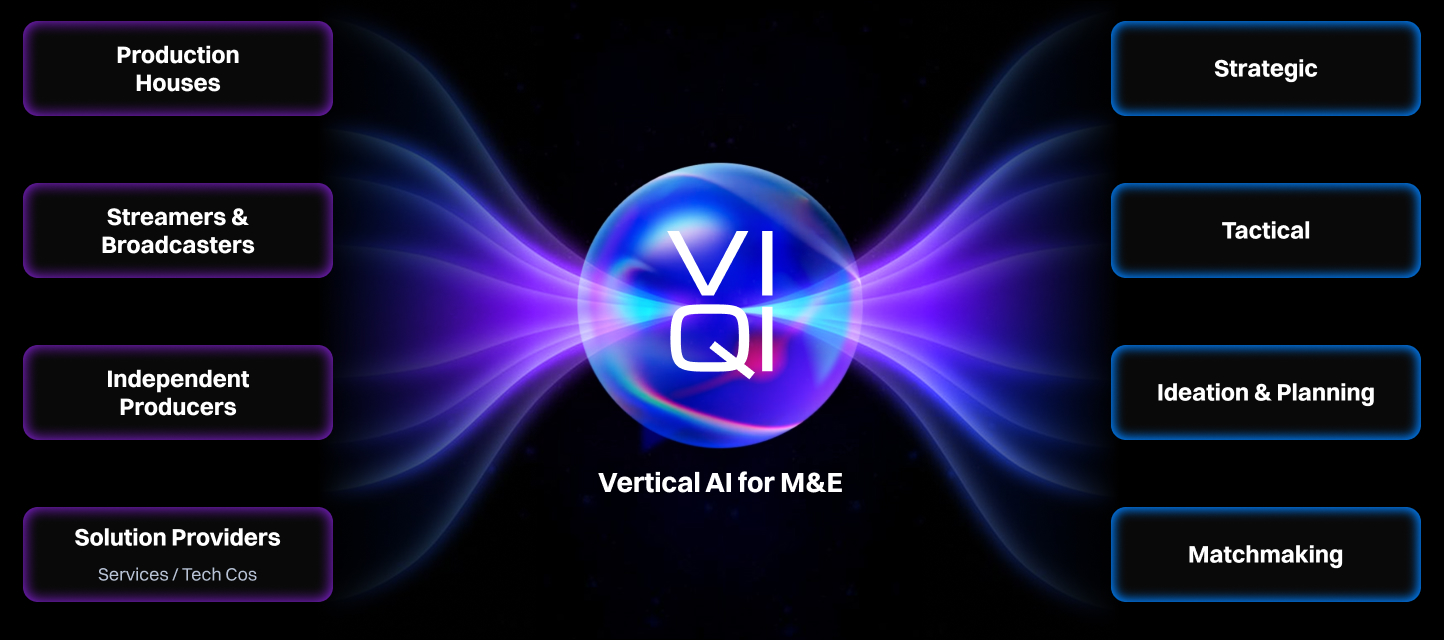
VIQI is Vitrina’s AI intelligence engine—trained on 1.6 million titles, 360,000 companies, and 5 million entertainment professionals. Get real-time intelligence on which content genres, formats, and territories are delivering the best retention metrics across major OTT platforms.

✓ Included with 200 free credits  |  ✓ No credit card needed


Ask VIQI Your Question

Why AI Recommendations Have Become the Primary Retention Mechanism

The math is brutal, and insiders recognize it. Acquiring a new subscriber costs platforms anywhere from $40 to $120 in customer acquisition cost, depending on market and channel. Retaining one costs a fraction of that—if your content experience actually delivers. The recommendation engine is where retention either happens or doesn’t.

What’s changed in 2026 is the sophistication of the problem. Three years ago, the gap between a good and a mediocre recommendation system was mostly a content depth issue—bigger libraries produced better signals. Now the gap is behavioral and contextual. Platforms that recommend well are processing viewing time-of-day, device type, completion rates, re-watch behavior, thumbnail interactions, search abandonment, and session exit patterns. All of that feeds a model that’s predicting not just what you’ll start—but what you’ll finish.

Completion rate is the retention signal that matters. A subscriber who finishes 70% of what they start churns at roughly half the rate of one finishing 40%. That’s not intuitive—you’d think the volume of content consumed matters more. But completion tells you whether the recommendation was accurate, which tells you whether the platform understands the user. And understanding the user is the only reliable long-term retention engine there is.

As our guide to AI content discovery and recommendation engines covers, platforms that treat recommendations as a pure data science problem—disconnected from content acquisition strategy—are optimizing the wrong variable. You can’t recommend your way out of a content gap.

How Leading Platforms Have Built Their AI Stacks

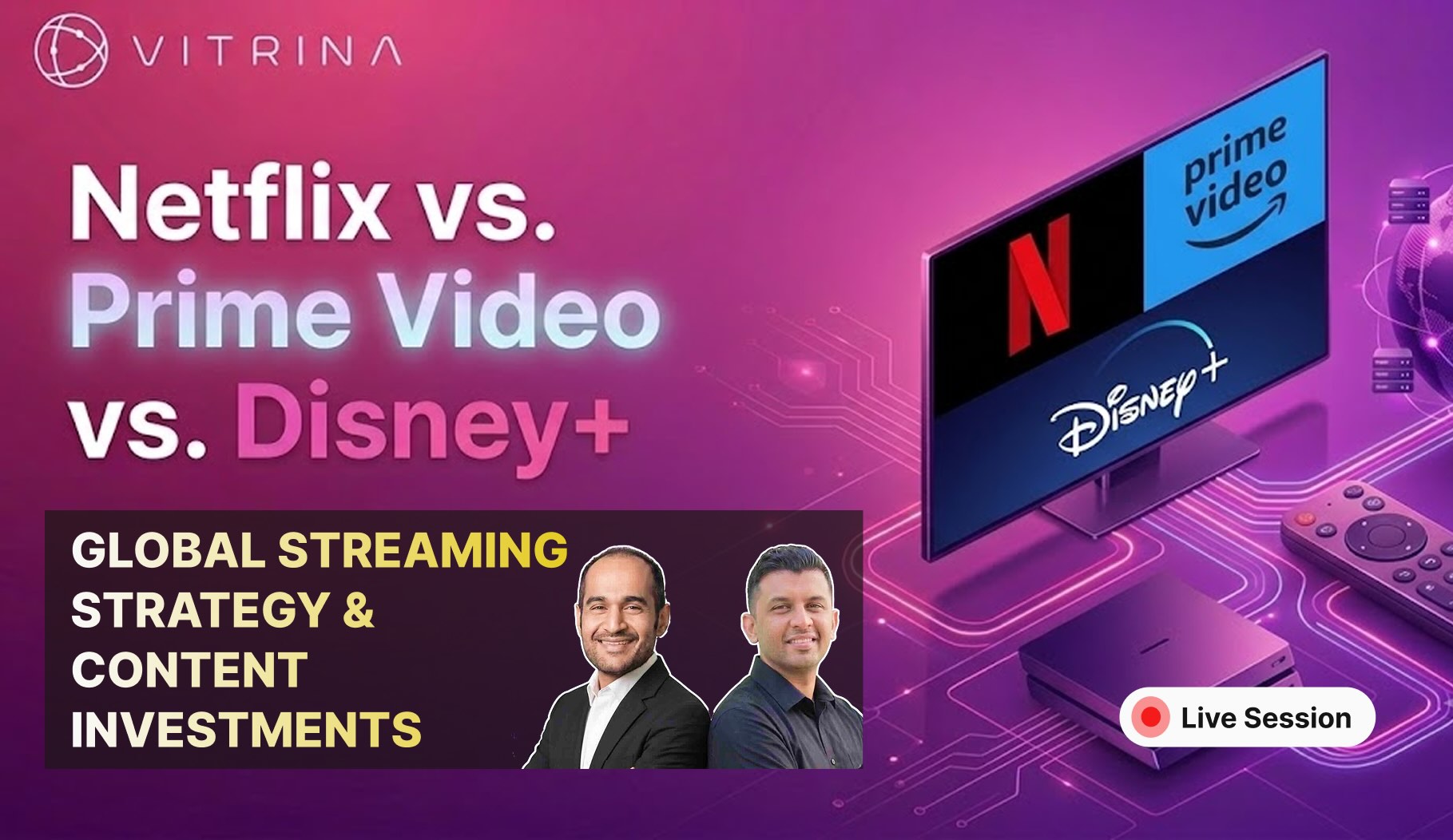
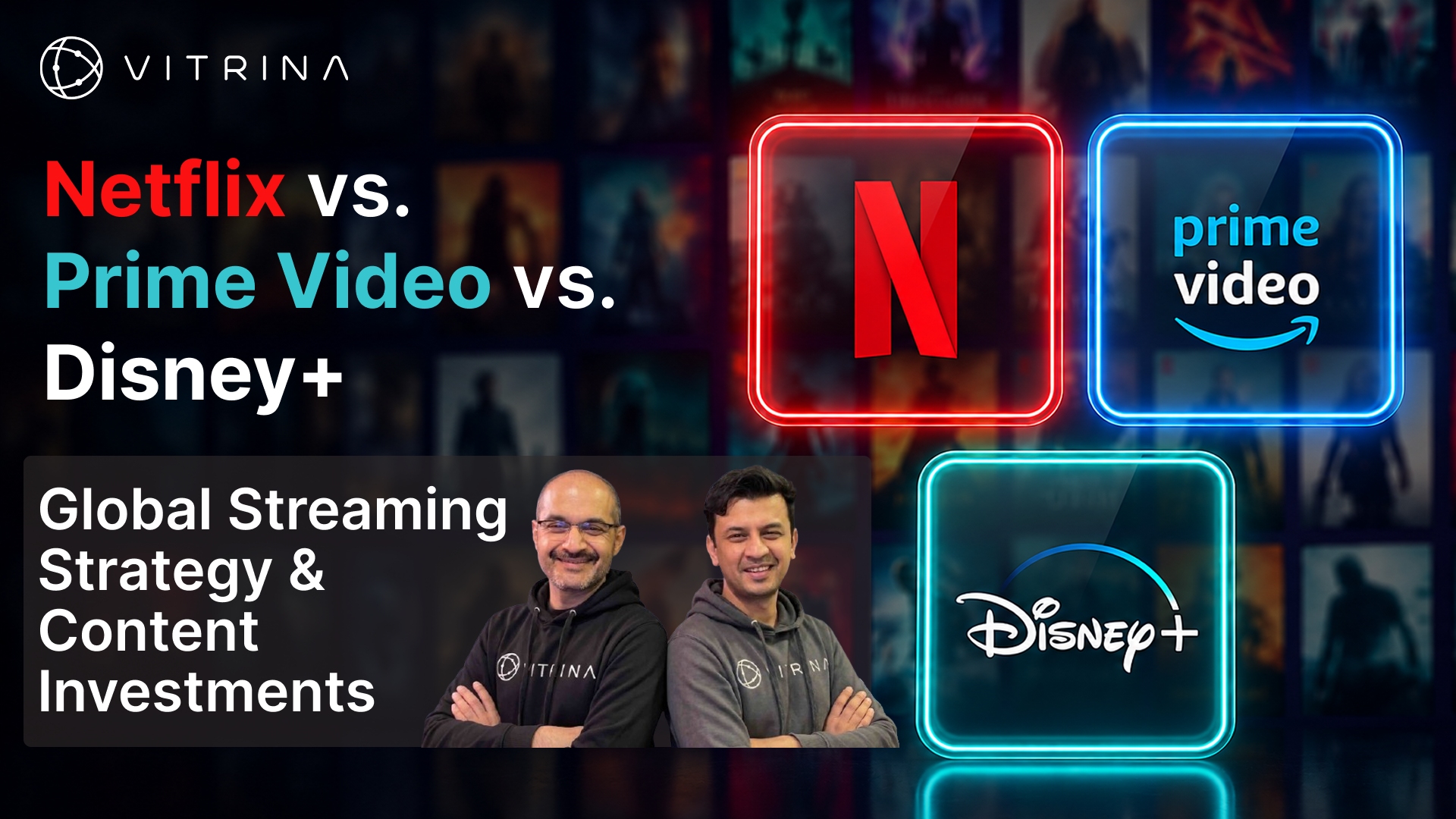
Netflix, Amazon Prime Video, and Disney+ didn’t build their recommendation systems the same way—and the differences matter. Understanding their architectures helps you decide where to invest and where to buy.

Netflix runs a multi-model ensemble: collaborative filtering (users like you watched this), content-based filtering (this matches your taste profile), and deep learning layers that process contextual signals—time, device, session behavior. Their thumbnail personalization alone runs thousands of A/B variants per title. Different users see different images for the same show based on predicted affinity. It’s not marketing. It’s the recommendation engine reaching into the UI itself.

Amazon Prime Video launched X-Ray Recaps in 2024—an AI-powered feature that generates personalized episode summaries for subscribers returning after a gap. The practical retention implication: subscribers who would otherwise churn because they can’t remember where they were in a series now have a frictionless reentry point. That’s AI solving the re-engagement problem that the industry spent years trying to address with email campaigns and push notifications. It’s a more elegant solution.

Disney+ faces a structurally different problem—a catalog skewed toward families with children, where viewing behavior is far less linear than adult drama. Their AI stack now tracks household composition signals rather than individual profiles, weighting recommendations by the family lifecycle stage. A household with a toddler gets different discovery logic than one where the kids have aged out of the bundle. Segmenting household versus individual intent is a problem Netflix solved years ago, but Disney’s scale required a different architecture.

But here’s what the trades don’t report often enough: the ROI gap between these top-tier systems and what a mid-sized regional platform can build is enormous. Building a comparable stack from scratch costs $30–80 million in data science talent and infrastructure over 3–5 years. Most platforms aren’t doing that. They’re licensing components—recommendation APIs from vendors like Gracenote, metadata enrichment from Prime Focus Technologies, content intelligence from Vionlabs—and assembling them.

Your AI Assistant, Agent, and Analyst for the Business of Entertainment

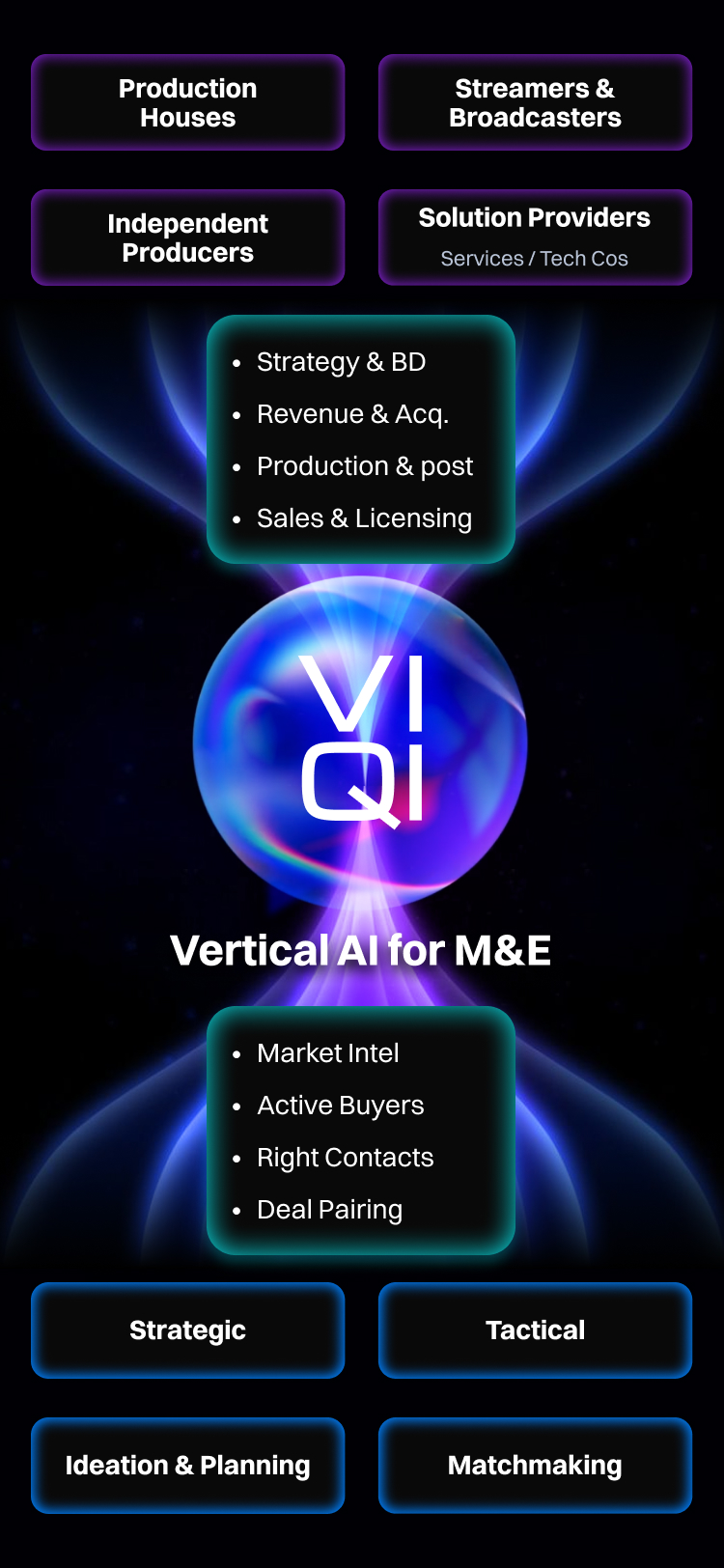
VIQI AI helps you plan content acquisitions, raise production financing, and find and connect with the right partners worldwide.

Emotional AI: The Layer Beyond Viewing History

The real frontier in OTT AI recommendations in 2026 isn’t behavioral data—it’s emotional data. Viewing history tells you what a user watched. Emotional analysis tells you what they felt while watching. That distinction is more significant than it sounds.

Arash Pendari, Founder of Vionlabs, has been articulating this shift for several years. His company’s AI technology processes scene-level emotional patterns, audience response signals, and aesthetic visual data—unlocking what he describes as the next generation of content packaging and recommendation logic. Rather than recommending content based solely on genre tags and viewing co-occurrence, emotional AI can match the feeling arc of a show to what a viewer’s session behavior suggests they’re in the mood for. Tension? Release? Nostalgia? That’s a materially different signal than “users who watched Succession also watched Billions.”

Arash Pendari (Founder, Vionlabs) demonstrates how emotional AI is transforming content recommendation and personalized packaging for OTT platforms:

The practical application for platform operators is twofold. First, emotional metadata enriches your recommendation signals—particularly for library content where behavioral data is thin or skewed by historical viewing patterns that don’t reflect current preferences. Second, it changes how you evaluate content for acquisition. If you can model the emotional profile of content before commissioning or buying it, you can predict its recommendation performance—not just its opening-weekend numbers.

But Vionlabs isn’t operating in isolation. Renard Jenkins, President of SMPTE and CEO of I2A2 Technologies—with leadership experience at Warner Bros. and PBS—has pushed the industry toward standardized AI frameworks for exactly this kind of scene-level analysis. Without metadata standards, emotional AI outputs from different vendors don’t interoperate. That’s a fragmentation problem that affects every platform building composite AI stacks.

Find AI-Compatible Content Partners for Your Platform in 48 Hours

Trusted by Netflix, Warner Bros, and Paramount. Join 140,000+ companies tracking content performance, acquisition partners, and AI-compatible metadata across the global entertainment supply chain.

✓ 200 free credits  |  ✓ No credit card required  |  ✓ Full platform access


Get 200 Free Credits

Metadata Quality: The Foundation Most Platforms Get Wrong

No AI recommendation system is smarter than the metadata it runs on. That’s the unglamorous reality that sits under every conversation about machine learning and personalization. And the metadata quality problem is significantly worse than most platform operators acknowledge—particularly for library content, international acquisitions, and catalog titles licensed from smaller distributors.

Tim Cutting, who leads strategic revenue initiatives at Gracenote, has spent years working with global clients on content discovery and metadata standardization. Gracenote’s content IDs and enrichment solutions represent one of the industry’s most widely deployed approaches to this problem—helping platforms transform basic title data into the rich, structured metadata that recommendation engines actually need. Genre alone isn’t enough. Mood, tone, pacing, cultural context, character archetypes—these are the signals that separate a precise recommendation from a plausible-but-wrong one.

Carol Hanley, CEO of Whip Media, frames this from the analytics side: platforms that don’t have clean, consistent metadata across their catalog don’t have a personalization problem—they have a data infrastructure problem. You can’t optimize recommendation performance for a title your system can’t properly classify. And when you’re licensing content from hundreds of suppliers across dozens of territories, the classification inconsistency compounds quickly.

The metadata problem is also a content acquisition problem. When your platform sources titles through relationship-based deal flows—relying on the same agents and distributors who’ve always called—you’re accepting their metadata quality as part of the package. That’s often inadequate for AI recommendation purposes. Strategic players understand they need to specify metadata requirements in acquisition contracts, not inherit whatever the distributor defaults to providing.

For FAST channels specifically, this is acute. The FAST model’s economics depend on recommendation-driven watch time—without subscription revenue, ad load is everything. Yet many FAST operators are running catalogs with metadata built for broadcast schedules, not for algorithmic discovery. That mismatch costs them on both engagement and yield.

Personalization Across FAST, SVOD, and AVOD — Not One System

The mistake many platform operators make is treating AI recommendation as a single capability they can deploy uniformly. It isn’t. The personalization logic that retains SVOD subscribers is materially different from what maximizes watch time on AVOD—and FAST channels have their own distinct optimization target again. Getting the model right for your business model is the work.

On SVOD, you’re optimizing for subscriber lifetime value. Retention is the primary signal. Your recommendation AI should be minimizing time-to-next-play—the gap between finishing one piece of content and starting another—while surface diversification ensures subscribers don’t exhaust a genre they love and have nothing left. Netflix’s autoplay feature is pure retention engineering. It removes the friction of the next-content decision entirely.

On AVOD, session length is the revenue driver, but ad completion rate matters just as much. Recommending content that keeps users in longer sessions is only half the equation. You also need to predict which users tolerate higher ad loads without abandoning—and serve them content that warrants that tolerance. That’s a more complex optimization than pure engagement.

On FAST channels, the linear flow model limits personalization to channel selection and scheduling logic rather than per-title recommendations. But what AI can do is help program those channels dynamically—surfacing content that matches the time-of-day viewing patterns Gracenote and similar providers track across millions of households. The right content in the right channel at the right hour is a recommendation problem even if it doesn’t feel like one.

If your platform operates across multiple monetization models—and most regional platforms do—you need an AI recommendation architecture that can serve different optimization targets simultaneously. That requires either a flexible modular system or separate recommendation stacks per surface. As reported by Variety, platforms that’ve unified their recommendation infrastructure across business models are seeing 12–18% improvements in overall session time versus those running siloed systems. The economics justify the architecture investment.

The Content Acquisition Problem AI Recommendations Create

Here’s the paradox that most platform strategy teams haven’t fully confronted yet: the better your AI recommendation system, the more clearly it exposes the gaps in your catalog. Sophisticated recommendation engines don’t hide content gaps—they surface them. Users get served high-accuracy signals for titles that don’t exist in your library. The algorithm is working; your catalog just isn’t deep enough to satisfy what it’s predicting.

This creates a feedback loop where AI performance data should be driving acquisition decisions. If your recommendation system tells you that 27% of users with drama-completion-history profiles are exiting your platform within 45 minutes—not because of poor recommendations but because the recommended titles don’t exist—that’s a data-driven acquisition brief. Not a feeling. Not what a commissioning editor liked at a market. An algorithmic signal telling you exactly what to buy.

The strategic players are already operating this way. Acquisition decisions at Netflix, Amazon, and Apple TV+ are deeply integrated with recommendation performance data. When their system identifies a prediction-demand gap in a genre-territory combination, that gap becomes a commissioning target. A Korean thriller series doesn’t get greenlit because an executive has a hunch—it gets greenlit because the recommendation data shows unmet demand at scale in multiple markets.

The Fragmentation Paradox™ compounds this for everyone outside the top tier. Over 600,000 companies operate across the global content supply chain, producing and distributing content that could fill those recommendation gaps. But the opacity of the market—the impossibility of manually tracking which production companies are generating what, where, at what budget level—means acquisition teams can’t efficiently source against AI-identified demand signals. Information asymmetry erodes margin and extends deal cycles by 3–6 months on average. And meanwhile, your recommendation engine keeps identifying the same gaps.

Our deeper analysis on hyper-personalized video content strategies covers how leading platforms are structuring the acquisition-to-recommendation feedback loop in practical terms.

How Regional Platforms Are Approaching AI-Driven Discovery

Not everyone building in this space is Netflix. And the approaches regional platforms are taking reveal where the real product differentiation is being built—often with more targeted focus than the global giants can afford.

Rolla Karam, Chief Content Officer at OSN in the Middle East, has been direct about the 2026 agenda: efficiency is the watchword across every function, and AI for subtitling and discovery is part of that efficiency drive. OSN operates a complex portfolio—linear channels, SVOD via OSN+, on-demand, and transactional—across Arabic-language markets where the personalization challenge has an additional layer: Arabic’s six distinct dialectal registers mean that metadata and discovery logic built for English-language markets doesn’t map cleanly. A show that performs in Gulf Arabic markets may not perform in Levantine markets, and a recommendation system that can’t distinguish that will get the targeting wrong.

That’s not a minor technical detail. It’s a cultural context processing problem that companies like Vionlabs are specifically addressing—their AI’s ability to process cultural context alongside emotional data is what makes it viable for non-Western markets. The same emotional arc reads differently across cultures. A recommendation system that doesn’t account for that will underperform in MENA, APAC, and LATAM markets regardless of how technically sophisticated it is.

South Korean platforms—fueled by Netflix’s $2.5B content commitment to Korea and a domestic streaming market growing rapidly behind Wavve and TVING—are taking a different approach: genre precision. Korean drama audiences have extremely refined genre sub-tastes (medical romance versus office romance versus historical romance are distinct categories with distinct audience profiles), and platforms serving them are building recommendation models at that level of granularity. The broader global platforms are less effective here, which is why Korean content performs best when surfaced by platforms that understand the cultural taxonomy.

As The Hollywood Reporter has tracked, regional platforms that’ve invested in culturally-aware AI recommendation systems are demonstrating 20–30% better retention rates in their home markets than global platforms trying to serve the same audience with Western-trained models. Local context isn’t a nice-to-have. It’s a competitive moat.

Need Content That Fills Your AI Recommendation Gaps? We’ll Source It.

Vitrina Concierge connects your acquisition team directly to verified content producers and distributors who match your platform’s recommendation demand signals—by genre, territory, budget, and format.

  • LA producer → Netflix UK, Fifth Season, Fox Entertainment (48 hours)
  • Korean animation studio → Netflix Adult Animation (week one)
  • Middle Eastern studio → Legendary Pictures (direct access)


Explore Concierge Service

What Producers and Content Owners Need to Know

If you’re on the supply side—producing or distributing content—AI recommendation systems have changed your negotiating position in ways that aren’t fully priced into how most deals are being structured.

The real question? How your content performs inside a platform’s recommendation engine now matters as much as how it performs in opening-week numbers. A title that breaks out through algorithmic recommendation—surfaced months after release to a highly matched audience—has different ROI economics than one that opens big and dies. Platforms are increasingly valuing catalog-deep performance over launch spikes. And that changes how you should think about minimum guarantees, exclusivity windows, and term lengths.

Practically, this means delivering content with richer metadata than you’ve historically provided. Scene-level tagging, emotional arc documentation, character archetype mapping—these aren’t just post-production deliverables. They’re inputs that improve the platform’s ability to recommend your content effectively. And better recommendation performance means longer platform relationships, better renewal terms, and more data on which territories are responding to your IP.

For producers working with AI tools in post-production—AI-assisted color, sound design, localization—it’s also worth noting that platform recommendation engines are beginning to use production quality signals as weighting factors. Content produced with consistent technical quality (meeting IMF delivery specs precisely, with proper loudness normalization, with clean subtitle timing) processes better through metadata enrichment tools and scores higher in initial recommendation exposure. Quality is a recommendation input.

De-Risking Your Content Sourcing Strategy with Vitrina

The intelligence gap between what your recommendation system tells you to acquire and what your acquisition team can actually find is the central operational challenge for most OTT platforms in 2026. And it’s a solvable problem—but not through traditional deal flow.

Vitrina’s platform maps 140,000+ active production and distribution companies across the global supply chain, with verified capability data, deal history, content categories, and territory focus. When your recommendation system identifies a demand gap—crime thriller content with strong female leads in Korean and Turkish production that performs in Gulf MENA markets—you can surface matching suppliers in minutes, not months. That’s not an incremental efficiency gain. It compresses your time-to-acquisition by a factor that materially affects your platform’s recommendation performance calendar.

VIQI, Vitrina’s AI intelligence engine, is specifically built for the research questions that acquisition teams need answered at speed: which production companies are actively selling in a genre-territory combination, which projects are in post now and available for licensing within a delivery window that matches your schedule, which distributors have catalogs that match your platform’s recommendation gap profile. These are questions that have historically taken 6–8 weeks of market research and relationship navigation. VIQI answers them in minutes.

What’s actually happening at platforms that are using data-driven acquisition strategies: they’re treating the recommendation system as a demand signal and the supply chain intelligence platform as the sourcing tool that responds to those signals. The loop closes faster. Content fills gaps before they compound into churn. And the acquisition team’s time shifts from prospecting to evaluating—which is the higher-value activity.

For content owners and producers, the same intelligence works in reverse. Understanding which platforms have recommendation gaps your content can fill—filtered by genre performance data, territory reach, and platform growth trajectory—is the brief you want before any MIP market, not after. Our complete guide to content sourcing for OTT platforms covers the supply-side strategy in full.

Frequently Asked Questions

How do OTT platforms use AI to improve content recommendations?

OTT platforms deploy multi-model AI systems that combine collaborative filtering (based on users with similar profiles), content-based filtering (matching genre, tone, and mood tags), and deep behavioral learning that processes completion rates, session timing, device type, and UI interaction signals like thumbnail clicks. Platforms like Netflix run thousands of simultaneous A/B variants on artwork personalization alone. The goal is predicting not just what a subscriber will start—but what they’ll finish—because completion rate is the strongest predictor of long-term retention.

What is emotional AI in streaming recommendations, and why does it matter?

Emotional AI in streaming uses scene-level analysis to identify the emotional arc of content—tension, release, nostalgia, warmth, urgency—rather than relying only on genre tags and viewing co-occurrence. Companies like Vionlabs, led by Arash Pendari, process video embeddings, emotional patterns, and cultural context to build richer content profiles. This enables platforms to match the emotional mood of a viewing session to specific content, producing higher completion rates and more accurate personalization—particularly for international and library content where behavioral data is thin.

What role does metadata quality play in AI content recommendations?

Metadata quality is the foundation that determines recommendation system performance. No AI engine can recommend effectively from poorly classified content. Rich structured metadata—covering mood, tone, pacing, cultural context, character archetypes, and scene-level attributes—enables precise matching. Companies like Gracenote and Prime Focus Technologies provide enrichment solutions that upgrade basic title data into recommendation-ready formats. Platforms sourcing content from many distributors often inherit inconsistent metadata, which must be standardized before AI systems can use it effectively. Specifying metadata delivery requirements in acquisition contracts is increasingly standard practice.

How do AI recommendations differ across SVOD, AVOD, and FAST models?

SVOD platforms optimize for subscriber lifetime value—minimizing time-to-next-play and diversifying content exposure to prevent catalog exhaustion. AVOD platforms optimize for session length and ad completion tolerance, identifying users who will sit through higher ad loads and surfacing content that warrants that engagement. FAST channels use AI primarily for scheduling and channel programming logic rather than per-title recommendations, surfacing content that matches time-of-day viewing patterns. Platforms operating across all three models need flexible recommendation architectures that can serve different optimization targets on each surface simultaneously.

How are regional OTT platforms approaching AI personalization differently from global players?

Regional platforms are building culturally-aware recommendation systems that global platforms’ Western-trained models can’t match in local markets. OSN in MENA is developing AI frameworks that account for Arabic dialectal differences in content classification. Korean platforms are operating at fine-grained genre sub-category levels—differentiating medical romance from office romance from historical romance as distinct audience profiles. Regional platforms that’ve invested in culturally-aware AI are demonstrating 20–30% better retention rates in their home markets compared to global platforms trying to serve the same audiences with standardized models.

How does AI recommendation data inform content acquisition strategy?

Leading platforms use recommendation performance data as direct acquisition briefs—when the system identifies genre-territory combinations with unmet demand (users exiting sessions in categories where recommended titles don’t exist), those gaps become commissioning targets. Netflix and Amazon Prime Video integrate recommendation analytics with acquisition decisions to close catalog gaps before they compound into churn. Mid-tier platforms can replicate this approach using supply chain intelligence platforms like Vitrina to surface matching content producers and distributors against AI-identified demand signals—compressing acquisition timelines from months to days.

What should content producers know about how AI recommendations affect content licensing deals?

Platform recommendation performance now affects content ROI as much as opening-week metrics. Titles that perform through algorithmic discovery—surfaced months after release to highly matched audiences—have different recoupment timelines and catalog value than launch-spike titles. Producers should deliver richer metadata (scene-level tagging, emotional arc documentation, character archetype mapping) as standard deliverables, specify these in distribution agreements, and factor recommendation-driven catalog longevity into MG negotiations. Consistently high technical delivery quality also affects recommendation exposure—content that processes cleanly through metadata enrichment tools receives higher initial algorithmic weighting on major platforms.

How can Vitrina help OTT platforms source content that matches their AI recommendation gaps?

Vitrina maps 140,000+ production and distribution companies with verified capability data, content categories, territory focus, and deal history. When your recommendation system identifies a catalog gap, VIQI—Vitrina’s AI intelligence engine trained on 1.6 million titles—can surface matching suppliers instantly, filtered by genre, territory, budget range, and delivery timeline. This closes the 6–8 week sourcing gap that typically separates AI-identified demand signals from executed acquisition deals. Vitrina Concierge takes it further with direct introductions to decision-makers actively selling content that fits your platform’s gap profile—including documented results like connecting a LA producer to Netflix UK in 48 hours.

Conclusion: The Recommendation Engine Only Works if the Catalog Keeps Up

OTT AI content recommendations are the retention mechanism that determines whether platforms grow or stall in 2026. But the sophistication of your recommendation system only creates value if your content acquisition strategy is responsive enough to fill the gaps it identifies. The loop has to close—AI demand signals to supply chain intelligence to executed deals to catalog depth to improved recommendation performance. Platforms running that loop efficiently are the ones compressing churn. The ones that aren’t are spending on the recommendation tech without addressing the catalog gaps that limit it.

Key Takeaways:

  • Completion Rate Is the Signal: Subscribers who finish 70%+ of what they start churn at roughly half the rate of those finishing 40%—making completion rate the most actionable AI optimization target for retention teams.
  • Emotional AI Adds the Missing Layer: Scene-level emotional analysis from companies like Vionlabs produces recommendation signals that behavioral data alone cannot, particularly for international and library content—and is essential for non-Western markets where Western-trained models underperform.
  • Metadata Is Infrastructure: Rich, structured, culturally-aware metadata is the foundation every recommendation system runs on. Specifying metadata requirements in acquisition contracts—not inheriting distributor defaults—is now a competitive requirement, not a best practice.
  • Acquisition Must Follow AI Demand: Recommendation performance data is a direct acquisition brief. The 6–8 week gap between AI-identified catalog gaps and sourced content is a churn window. Platforms using supply chain intelligence tools like Vitrina compress that window to days.
  • Regional Context Is a Moat: Platforms with culturally-aware recommendation models are outperforming global players in local markets by 20–30% on retention—and that advantage widens as the global platforms continue applying Western models to non-Western audiences.

The platforms winning on retention in 2026 aren’t just the ones with the most sophisticated algorithms. They’re the ones where recommendation intelligence and acquisition strategy operate as a single connected system. That’s the capability worth building—or buying access to—right now.

Surface the Content Your AI Recommendations Are Asking For

Trusted by Netflix, Warner Bros, Paramount, and Google TV. Track 400,000+ projects. Access 3 million verified executives. Use VIQI to match your platform’s recommendation demand signals to verified content suppliers—instantly.

✓ 200 free credits  |  ✓ No credit card required  |  ✓ Cancel anytime


Get 200 Free Credits

Need warm introductions to content sellers who fill your catalog gaps? Explore Concierge Service →


Find Film+TV Projects, Partners, and Deals – Fast.

VIQI matches you with the right financiers, producers, streamers, and buyers – globally.

Producers Seeking Financing & Partnerships?

Book Your Free Concierge Outreach Consultation

(To know more about Vitrina Concierge Outreach Solutions click here)

Producers Seeking Financing, Co-Pros, or Pre-Buys?

Vitrina Concierge helps producers reach the right financiers, commissioners, distributors, and co-production partners — with precision outreach, not cold pitching.

Real-Time Intelligence for the Global Film & TV Ecosystem

Vitrina helps studios, streamers, vendors, and financiers track projects, deals, people, and partners—worldwide.

  • Spot in-development and in-production projects early
  • Assess companies with verified profiles and past work

  • Track trends in content, co-pros, and licensing
  • Find key execs, dealmakers, and decision-makers

Who’s Using Vitrina — and How

From studios and streamers to distributors and vendors, see how the industry’s smartest teams use Vitrina to stay ahead.

Find Projects. Secure Partners. Pitch Smart.

  • Track early-stage film & TV projects globally
  • Identify co-producers, financiers, and distributors
  • Use People Intel to outreach decision-makers

Target the Right Projects—Before the Market Does!

  • Spot pre- and post-stage productions across 100+ countries
  • Filter by genre and territory to find relevant leads
  • Outreach to producers, post heads, and studio teams

Uncover Earliest Slate Intel for Competition.

  • Monitor competitor slates, deals, and alliances in real time
  • Track who’s developing what, where, and with whom
  • Receive monthly briefings on trends and strategic shifts