You’ve finished your film. Festival run’s done—maybe it went well, maybe you’re ready to move on. Either way, the question sitting in front of you right now is the same one that trips up hundreds of independent filmmakers every year: which digital film aggregation service actually puts your film in front of audiences on Netflix, Amazon Prime Video, Apple TV+, and Tubi—versus which one takes your money, uploads your file, and disappears?
Here’s what nobody tells you upfront: most digital aggregators offer access to the same platforms. The real differences—the ones that affect your recoupment timeline and your revenue per view—are buried in their fee structures, their platform relationships, their reporting cadence, and how aggressively they actually market your title after ingestion. And those differences compound fast when you’re talking about SVOD, AVOD, TVOD, and FAST channel revenue flowing across dozens of territories simultaneously.
This comparison cuts through the noise. We’ve broken down the 7 most used film aggregation services for streaming distribution—their real fees, actual platform reach, revenue share models, and the scenarios where each one creates the most value for your specific project. Because choosing the wrong aggregator isn’t just a mild inconvenience. It can lock your film into a sub-optimal deal structure for 2-5 years while your distribution window closes.
Table of Contents
- What Is a Film Aggregator — and Why It Matters
- How We Compared These Services
- Filmhub — Best for Maximum Platform Reach
- Quiver Distribution — Best for Theatrical + Digital Combo
- 1091 Pictures — Best for Mid-Budget Indies
- Gravitas Ventures — Best for Genre & Horror
- Freestyle Digital Media — Best for US SVOD/AVOD Focus
- Indie Rights — Best for Ultra-Low Budget Films
- Aggregator vs. Direct Deal: When to Upgrade Your Strategy
- FAQ
- Conclusion
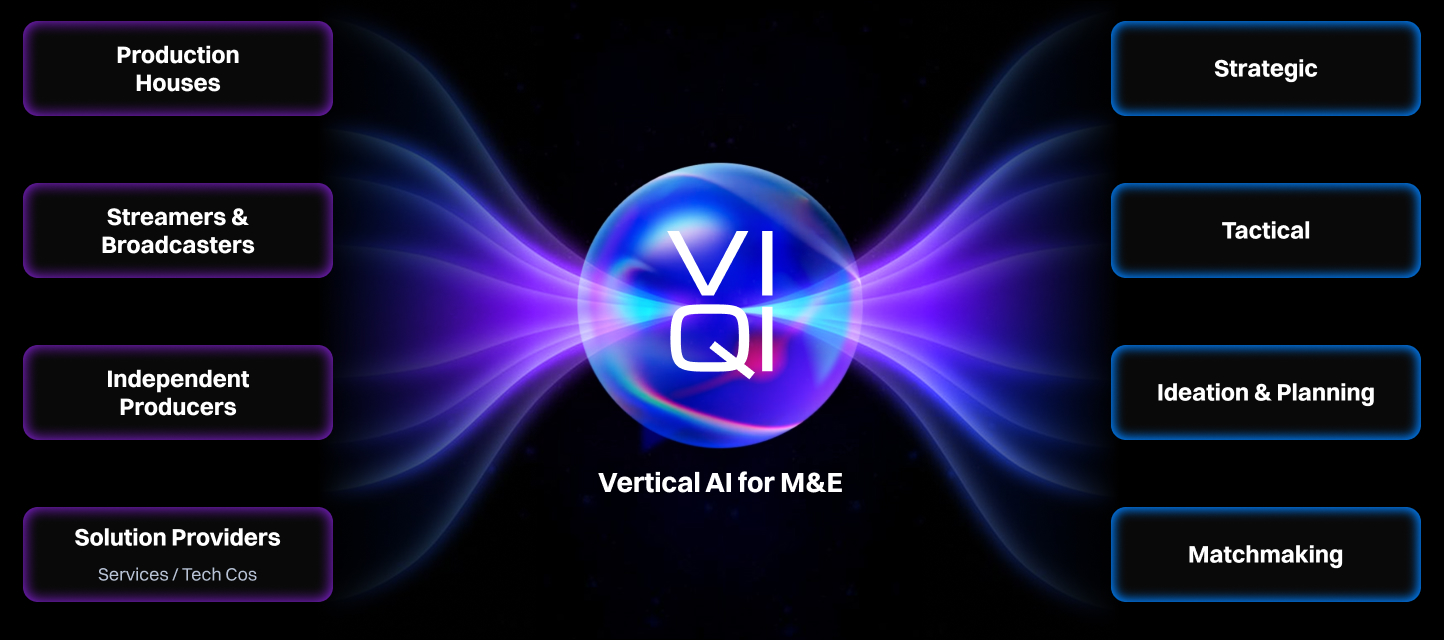
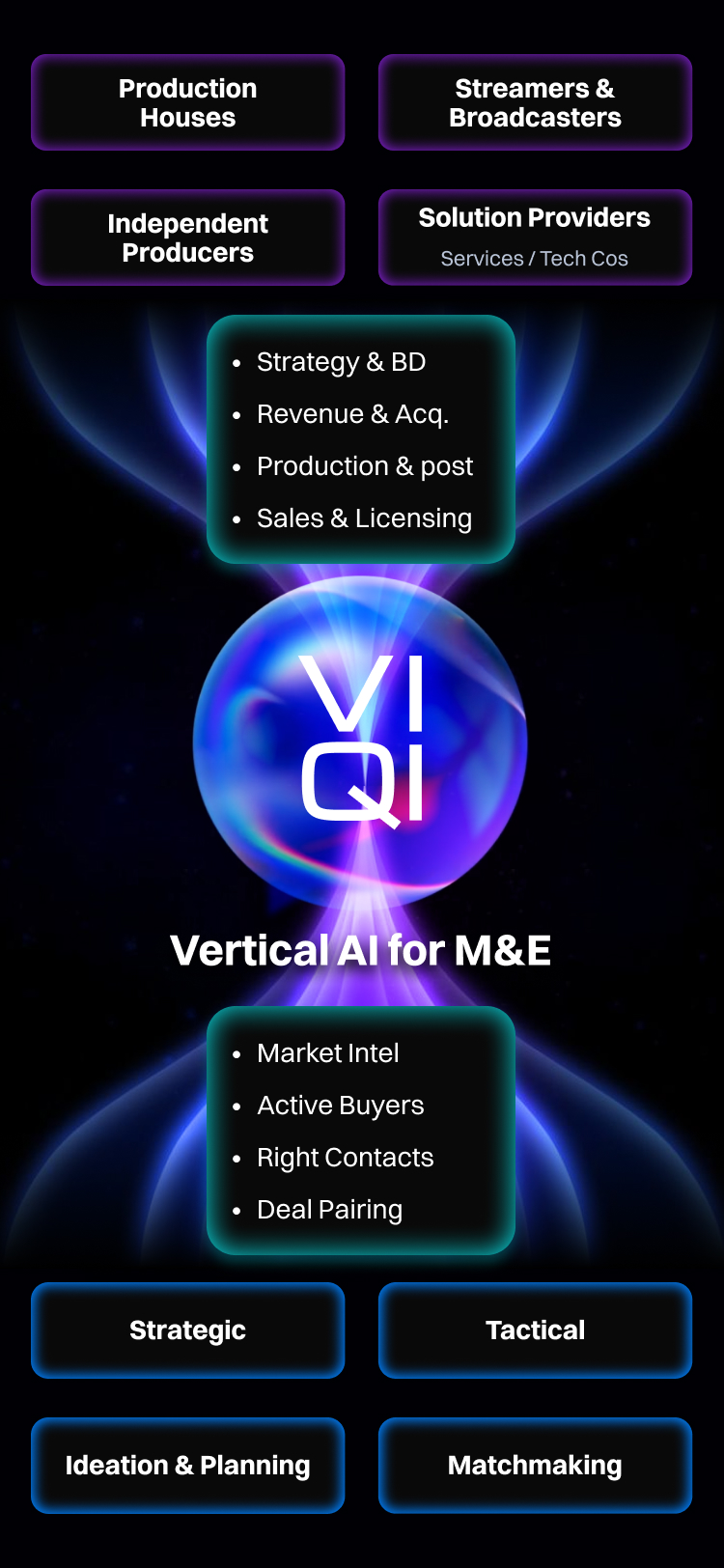
Ask VIQI: Which Streaming Platforms Are Actively Acquiring Films in My Genre?
VIQI is Vitrina’s AI assistant—trained on 1.6 million titles, 360,000 companies, and 5 million entertainment professionals. Know who’s buying before you pitch.
✓ Included with 200 free credits | ✓ No credit card needed
What Is a Film Aggregator — and Why It Matters for Your Revenue
A digital film aggregator is a company that acts as the technical and contractual middleman between your finished film and the major streaming platforms. Netflix, Amazon Prime Video, Apple TV+, Tubi, Pluto TV, and hundreds of other SVOD, AVOD, FAST, and TVOD platforms don’t accept direct submissions from independent filmmakers. They require content to come through approved delivery partners who have established ingestion pipelines, technical specifications compliance, and signed agreements with each platform.
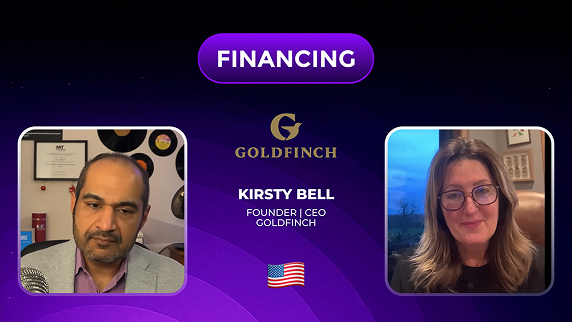
That’s where aggregators come in. But the aggregator model has evolved—and fast. As Kirsty Bell (Founder and CEO, Goldfinch) has discussed publicly, the most financially sustainable filmmakers today are the ones who treat streaming revenue as one strand in a diversified revenue architecture, not a single destination. Your aggregator choice directly affects which strands you can access and what percentage of revenue flows back to you after the platform and aggregator both take their cuts.
The revenue structure typically works like this: a streaming platform pays either a license fee or a per-stream royalty. Your aggregator takes a commission—usually 15-30%—off that payment. You receive the remainder, reported quarterly (sometimes annually, depending on the service). Understanding that full chain is what separates producers who can actually model their recoupment from those who are perpetually surprised by the numbers.
For a complete grounding in how the aggregator model works within your broader distribution strategy, our deep dive into the aggregator model for film distribution covers the full fee waterfall in detail.
How We Compared These Digital Aggregation Services
Each service below was evaluated across five criteria that actually move your bottom line: platform reach (how many streaming services they deliver to), fee structure (flat fee vs. revenue share vs. hybrid), minimum guarantees or advances (if any), reporting transparency and frequency, and active marketing support (does someone actually pitch your film, or does it just get uploaded?). These are the same criteria that matter when you’re modeling whether an aggregator deal clears your recoupment threshold.
Filmhub — Best for Maximum Platform Reach Without Upfront Fees
Filmhub (formerly Bitmax, later absorbing Kinonation) has become the largest pure-play film aggregator by platform count, currently delivering to over 150 streaming services globally. Their model is genuinely different from the competition: zero upfront submission fee, with Filmhub taking a 20% revenue share on all earnings. If your film earns nothing, you owe nothing. That’s a meaningful structural advantage for filmmakers without the cash to pay $1,500-$2,000 in upfront aggregation fees.
But here’s the honest caveat: Filmhub’s model works best when your film can generate volume across many smaller platforms simultaneously—Tubi, Plex, Peacock, Pluto TV, Revry, and dozens of FAST channels. Their platform relationships with Netflix and Apple TV+ are more limited than their headline numbers suggest. If your primary goal is landing on the top 3 SVOD platforms, Filmhub may not be your shortest route.
Reporting is handled through their online dashboard, updated regularly—which puts them ahead of several competitors on transparency. And their non-exclusive model means you can simultaneously pursue direct deals or other aggregation partnerships, which is increasingly important as the streaming landscape fragments further.
Filmhub Verdict
- Best for: Documentaries, shorts, niche genre content targeting AVOD and FAST channel revenue across 100+ platforms
- Watch out for: Limited leverage with premium SVOD platforms; 20% rev share compounds over a long tail
- Revenue model transparency: High — dashboard reporting updated per-platform
Quiver Distribution — Best for Films That Want Theatrical + Digital Together
Quiver Distribution operates as a hybrid distributor-aggregator—one of the few services that genuinely manages both limited theatrical releases and digital streaming distribution under the same roof. That matters. Why? Because theatrical release, even a 10-city limited run, dramatically affects your film’s visibility on SVOD platforms. Apple TV+ and Prime Video both respond to theatrical performance signals. A film that opened theatrically—even modestly—gets better placement, better marketing support, and sometimes better licensing fees than one that went straight to digital.
Their fee structure is a hybrid: a flat submission fee plus a revenue share that varies by deal type. They’re selective—they don’t take everything. But if they do take your project, you’re getting an active partner, not just a pipeline. Quiver’s team pitches your film to platforms and negotiates placement rather than passively uploading and waiting. That’s a fundamentally different service than pure aggregation.
Kirsty Bell (Founder & CEO, Goldfinch) discusses how independent films can build financially sustainable distribution strategies across multiple revenue streams in today’s streaming landscape:
Track Which Platforms Are Acquiring Films Like Yours Right Now
Trusted by Netflix, Warner Bros, Paramount, and Google TV. Join 140,000+ companies tracking live streaming acquisition data across 400,000+ projects globally.
✓ 200 free credits | ✓ No credit card required | ✓ Cancel anytime
1091 Pictures — Best for Mid-Budget Indies with Theatrical Ambitions
1091 Pictures (the former digital distribution arm of The Orchard, now independent) occupies a meaningful middle tier between pure aggregation and full distribution. They acquire on a selective basis, which means they’re choosing projects they actively believe in—and that selectivity translates into genuine marketing effort. Their platform relationships span 50+ premium streaming services, with particular strength in Prime Video, Apple TV+, Google Play, and Vudu placement.
For mid-budget indie films—roughly $500K to $3M production budgets—1091 offers something most aggregators don’t: the possibility of a minimum guarantee (MG) on strong projects. Not every film will qualify. But if yours does, that upfront recoupment changes your entire financial model. Their revenue share is competitive, and their reporting timeline (quarterly) is standard but reliable.
The honest limitation: their international reach outside North America is thinner than Filmhub’s volume approach. If you’re targeting European SVOD or APAC streaming platforms as primary revenue windows, you’ll likely need a separate international sales agent alongside a 1091 domestic deal. That two-partner model is common—and often smart.
Gravitas Ventures — Best for Genre Films, Horror, and Sci-Fi
Gravitas Ventures has carved out a genuine specialty in genre film digital distribution—horror, thriller, sci-fi, and action. They distribute to over 75 platforms, including cable VOD networks like Comcast, Dish, DirecTV, and digital platforms simultaneously. That cable VOD component is worth noting: it’s a revenue stream that pure digital-only aggregators often miss entirely, and for genre films it can represent 20-35% of total digital revenue.
Gravitas also offers MGs on projects with clear market appeal, which makes them worth pitching to even if you’re not certain they’ll say yes. Their team understands genre audiences specifically—they know what Shudder wants versus what Tubi horror content looks like versus what gets licensed onto Peacock’s genre tile. That specificity of knowledge is what distinguishes them from generalist aggregators who treat a horror film the same as a family drama. As our comparison of film distribution services for independent filmmakers illustrates, genre-specific expertise consistently outperforms generalist approaches on ROI.
Freestyle Digital Media — Best for US Commercial Release Focused Films
Freestyle Digital Media focuses almost exclusively on the US market—SVOD, AVOD, and TVOD—with a selective acquisition model that prioritizes commercial genre content, family films, and faith-based features. Their concentrated US focus means deeper relationships with domestic platforms and more active pitching to platforms like Lifetime, Hallmark Channel, and AVOD services that many global aggregators treat as secondary.
Revenue share terms run competitively, and their quarterly reporting is detailed. But be clear-eyed about the scope limitation: if international SVOD revenue is part of your recoupment model, Freestyle isn’t your solo solution. They’re best used as your primary US digital partner while a separate international sales agent works European and APAC platforms in parallel.
Indie Rights — Best for Ultra-Low Budget and First-Time Filmmakers
Indie Rights is one of the most accessible entry points for ultra-low budget films—under $50,000 production budgets—that need a legitimate pathway to Amazon Prime Video, Tubi, Peacock, and similar platforms. Their flat fee is low relative to competitors, and their revenue share is reasonable. They’re not going to negotiate an MG for you and they won’t run a theatrical campaign. But for a micro-budget horror film or a first-time feature that just needs to exist on the platforms where its niche audience actually watches, Indie Rights does the job reliably.
Think of Indie Rights as the democratization layer of digital film aggregation—the service that makes it possible for a film made for $30,000 in upstate New York to sit alongside studio content on Tubi. That’s genuinely valuable. Just don’t expect editorial placement, platform marketing support, or active pitching into premium SVOD. Those are different conversations with different partners.
Aggregator vs. Direct Deal: When to Upgrade Your Strategy
Here’s the conversation most aggregators don’t want to have with you: if your film has genuine commercial potential—strong festival performance, genre appeal, or recognizable talent attached—you should be exploring a direct streaming deal alongside or instead of aggregation. Netflix doesn’t license through Filmhub. Neither does Max. Apple TV+ doesn’t go through standard aggregation pipelines for films they want to feature. Direct acquisitions from these platforms deliver meaningfully better terms: higher per-title license fees, marketing support, algorithmic promotion, and occasionally backend revenue participation.
The challenge is access. Direct acquisition conversations require relationships—either your own or those of a sales agent who has them. That’s where the Fragmentation Paradox bites hardest: 600,000+ companies operate in this industry globally, but the actual decision-makers at Netflix, Amazon, and Apple TV+ acquisition teams represent a tiny, relationship-gated network. Knowing who’s actively buying in your genre, what their acquisition pipeline looks like right now, and how to get a warm introduction rather than a cold submission—that intelligence is what separates an aggregator deal from a direct deal. Our guide to licensing films for US streaming distribution walks through both pathways in detail.
As reported by Variety, independent film streaming revenues have become increasingly concentrated among the top-tier SVOD platforms, with films that secure direct licensing deals earning substantially more per title than those distributed purely through aggregation pipelines. And according to Deadline, platforms are increasingly relying on data-driven acquisition models that favor films with demonstrable audience signals—festival awards, social traction, or prior streaming performance—over unknown titles regardless of quality.
Skip the Aggregator Queue. Get Direct Access to Streaming Acquisition Teams.
Vitrina Concierge makes warm introductions directly to streaming platform decision-makers who are actively seeking your type of content. No cold submissions. No aggregator middlemen.
- LA producer → Netflix UK, Fifth Season, Fox Entertainment (48 hours)
- Korean studio → Netflix Adult Animation (week one)
- Middle Eastern studio → Legendary Pictures (direct access)
Frequently Asked Questions
What is a digital film aggregation service and how does it work?
A digital film aggregation service acts as the technical and contractual middleman between your finished film and major streaming platforms. Since Netflix, Amazon Prime Video, Apple TV+, Tubi, and similar services don’t accept direct submissions from independent filmmakers, aggregators handle file delivery, metadata formatting, rights management, and payment collection on your behalf. They typically earn a 15-30% commission on your streaming revenue, sometimes combined with an upfront submission fee ranging from $0 to $2,000 depending on the service.
Which digital film aggregation service reaches the most streaming platforms?
Filmhub delivers to over 150 streaming platforms globally, making it the leader by volume. But raw platform count can be misleading. Many of Filmhub’s 150+ platforms are smaller FAST channels and regional AVOD services. For premium SVOD placement on Netflix, Apple TV+, and Max, aggregators like 1091 Pictures and Gravitas Ventures have deeper direct relationships despite delivering to fewer total platforms. Match the aggregator to your revenue model, not just the headline number.
How much do digital film aggregation services typically charge?
Fee models vary significantly. Filmhub charges no upfront fee but takes 20% of all revenue. Services like Quiver Distribution and Gravitas Ventures use hybrid models combining a flat fee with a revenue share. Older aggregators like Distribber (now defunct) charged flat fees of $1,200-$1,900 with no revenue share. Indie Rights charges a low flat fee plus a small percentage. The best model for you depends on whether you expect high streaming volume (favor flat fee) or uncertain/low revenue (favor revenue share with no upfront cost).
Can a digital aggregator get my film on Netflix?
Short answer: maybe, but not the way you think.
Netflix licenses content in two ways: direct acquisition deals (which aggregators can’t arrange for you) and through their content licensing portal where some aggregators have relationships. Getting your film on Netflix via an aggregator typically means it ends up in a specific regional Netflix library—often not your home territory—as a licensed title rather than a featured Netflix Original. For a true Netflix acquisition deal with marketing support and featured placement, you need a direct sales relationship or a sales agent with those connections.
What is the difference between SVOD, AVOD, TVOD, and FAST channels for film distribution?
SVOD (Subscription Video on Demand) platforms like Netflix and Disney+ pay license fees to carry your film. AVOD (Ad-Supported Video on Demand) platforms like Tubi and Pluto TV share advertising revenue with rights holders. TVOD (Transactional) platforms like Apple TV, Amazon Channels, and Vudu split rental or purchase revenue. FAST channels (Free Ad-Supported Streaming TV) like Peacock Free and Samsung TV Plus operate like linear TV but on streaming devices, paying ad revenue. Maximizing your recoupment means placing your film across all four revenue models—not just one.
How long does it take for a film aggregator to deliver to streaming platforms?
Technical delivery typically takes 2-8 weeks from submission approval to platform availability, depending on the aggregator and the platform. But that’s just the upload. Your film appearing in search results, being surfaced to subscribers, and generating meaningful views is a different timeline entirely—and largely depends on whether your aggregator actively promotes the title or simply makes it available. Quiver Distribution and Gravitas Ventures do active pitching. Filmhub and Indie Rights are more passive pipeline services.
Should I use an aggregator or try to get a direct streaming deal?
Use an aggregator if your film has a niche audience, a limited theatrical release history, or you lack sales agent relationships. Pursue a direct streaming deal if your film has festival awards, strong social metrics, recognizable talent, or a proven commercial genre pedigree. Direct deals with Netflix, Prime Video, or Apple TV+ pay significantly more than aggregation pipelines and come with editorial placement and marketing support that aggregators can’t provide. The catch: direct deals require access to acquisition executives—which is where platforms like Vitrina and services like Vitrina Concierge can accelerate your timeline considerably.
What technical specs do I need before submitting to a digital film aggregator?
Standard requirements across most aggregators include: a ProRes 4444 or DCP master file (or H.264/H.265 for digital-only delivery), closed captions in SRT or SCC format, a stereo and 5.1 audio mix, chapter markers, poster art at 2000×3000 pixels minimum, and a complete metadata package (cast, crew, synopsis, genres, keywords). Some premium platforms like Netflix and Apple additionally require Dolby Vision or HDR mastering. Confirm your aggregator’s specific technical checklist before you start the submission process—failed QC checks can delay your release by 4-6 weeks.
Conclusion: Match Your Aggregator to Your Revenue Model, Not Your Ambition
No single digital film aggregation service is right for every film. Filmhub’s 150+ platform reach is extraordinary for AVOD and FAST revenue—but it won’t get you a Netflix featured placement. Gravitas Ventures’ genre expertise is unmatched for horror and sci-fi—but it’s the wrong choice for a social impact documentary. And for any film with genuine commercial potential, aggregation itself may be the wrong ceiling to aim for. Direct streaming deals exist. Warm introductions to acquisition executives can happen fast. The intelligence and the access are the variables—and both are solvable.
Key Takeaways:
- Fee model first: If you expect high volume across many platforms, Filmhub’s 20% rev share with no upfront cost protects you. If you expect strong individual platform performance, a flat-fee hybrid from Quiver or 1091 Pictures likely nets you more per title.
- Genre determines aggregator: Gravitas Ventures for horror/genre. Freestyle Digital for US commercial. The Film Collaborative for documentary/social impact. Generalist aggregators treat all content the same; genre specialists don’t.
- Platform reach ≠ revenue: 150 platforms sounds better than 50. But if 100 of those platforms are small FAST channels generating $12/year, platform count is vanity. Ask specifically about placement on your 5 target platforms.
- Aggregation is a floor, not a ceiling: Any film with real commercial potential should be exploring direct streaming deals alongside aggregation. The Fragmentation Paradox makes access feel harder than it is—real-time intelligence closes that gap fast.
- Technical preparation is non-negotiable: QC failures delay releases by 4-6 weeks. Get your ProRes master, closed captions, HDR specs, and metadata package sorted before you approach any aggregator.
The producers who maximize digital streaming revenue aren’t the ones who uploaded and hoped. They’re the ones who understood their audience, matched their distribution partner to their film’s actual commercial profile, and pursued direct platform access where their project deserved it. That’s the playbook.
Find Which Streaming Platforms Are Buying Films Like Yours — Right Now
Trusted by Netflix, Warner Bros, Paramount, and Google TV. Track 400,000+ projects and 3 million verified executives across the global streaming supply chain.
✓ 200 free credits | ✓ No credit card required | ✓ Cancel anytime
Need direct introductions to streaming acquisition teams? Explore Concierge Service →