About Innovation Hub
 Global Content Pulse (Webinars)


 Global Production Financing
(Webinars)
Global Production Financing
(Webinars)  LeaderSpeak Podcast
  Global Entertainment Digest (Newsletter)
  About Vitrina
 About VIQI
 Our Story
 Our Solutions 🔥
 Film+TV Projects Tracker 🚀
 Case Studies
 Our Profile
You already know the big names. Framestore. DNEG. Weta FX. Industrial Light & Magic. But here’s what nobody tells you: there are over 10,000 post-production companies operating globally right now—and most producers are working from a mental shortlist of 5. That’s the Fragmentation Paradox in action. And in 2026, it’s costing productions real money.
Whether you’re sourcing VFX for a streamer-commissioned drama, pulling together finishing services for a co-production, or trying to find the right boutique house for an episodic series, this guide gives you an honest picture of the global post-production company landscape—who the major players are, where the rising hubs are, and how to vet partners before you’re 3 weeks from delivery.
Ask VIQI: Which Post-Production Companies Are Working on Projects Like Yours Right Now?
VIQI is Vitrina’s AI assistant—trained on 1.6 million titles, 360,000 companies, and 5 million entertainment professionals. Ask it to find post-production vendors by territory, genre, or VFX specialty.
✓ Included with 200 free credits | ✓ No credit card needed
What Actually Makes a Post-Production Company “Top-Tier” in 2026?
The shortlist of factors that separate genuinely elite post-production companies from the rest has shifted considerably in the last three years. Showreel quality still matters—but it’s no longer the whole story. Here’s what actually counts now:
Pipeline security and cloud readiness. MovieLabs’ 2030 Vision—a roadmap for cloud-native production driven by its studio backers including Disney, Warner Bros., and Sony—has made cloud workflow compatibility non-negotiable for any company expecting to work on premium streaming projects. Leon Silverman, Chair at MovieLabs and former Disney and Netflix executive, describes the goal as eliminating the “snowflake pipelines” that make productions inefficient and insecure. If your post house can’t operate in a Zero Trust security environment, you’re not on the Netflix vendor shortlist.
AI integration—real, not marketing. MARZ (Monsters, Aliens, Zombies, and Robots), co-founded by Matt Panousis, started as a pure VFX powerhouse and pivoted hard into AI-driven automation. That’s the direction the industry is moving. Companies that have genuinely integrated AI into their pipelines—not just bolted on a chatbot—can deliver faster turnarounds, sharper consistency across episodic seasons, and pricing structures that smaller productions can actually afford.
Verified track record across genres. Not just credits—verifiable hero projects with named directors, confirmed delivery dates, and repeat commissioning. A boutique VFX house that delivered a Netflix episodic on time and on budget twice is more credible than a larger house with one splashy theatrical credit.
Geographic and timezone flexibility. In 2026, your post-production pipeline doesn’t have to live in London or Los Angeles. But it does need to run without asynchronous communication killing your schedule. The best global post companies have distributed teams that genuinely function as one unit—not a handoff model that adds two working days to every revision cycle.

Your AI Assistant, Agent, and Analyst for the Business of Entertainment
VIQI AI helps you plan content acquisitions, raise production financing, and find and connect with the right partners worldwide.
- Find active co-producers and financiers for scripted projects
- Find equity and gap financing companies in North America
- Find top film financiers in Europe
- Find production houses that can co-produce or finance unscripted series
- I am looking for production partners for a YA drama set in Brazil
- I am looking for producers with proven track record in mid-budget features
- I am looking for Turkish distributors with successful international sales
- I am looking for OTT platforms actively acquiring finished series for the LATAM region
- I am seeking localization companies offer subtitling services in multiple Asian languages
- I am seeking partners in animation production for children's content
- I am seeking USA based post-production companies with sound facilities
- I am seeking VFX partners to composite background images and AI generated content
- Show me recent drama projects available for pre-buy
- Show me Japanese Anime Distributors
- Show me true-crime buyers from Asia
- Show me documentary pre-buyers
- List the top commissioners at the BBC
- List the post-production and VFX decision-makers at Netflix
- List the development leaders at Sony Pictures
- List the scripted programming heads at HBO
- Who is backing animation projects in Europe right now
- Who is Netflix’s top production partners for Sports Docs
- Who is Commissioning factual content in the NORDICS
- Who is acquiring unscripted formats for the North American market
The Global Tier-1 Post-Production Companies: Who They Are and What They Do
Let’s be direct about what Tier-1 actually means here: these are the companies whose names move a greenlight conversation. They’re not necessarily cheaper or even better for every project—but they carry the institutional relationships, the pipeline depth, and the insurance coverage that certain commissioners require by contract.
Framestore (UK/Global)
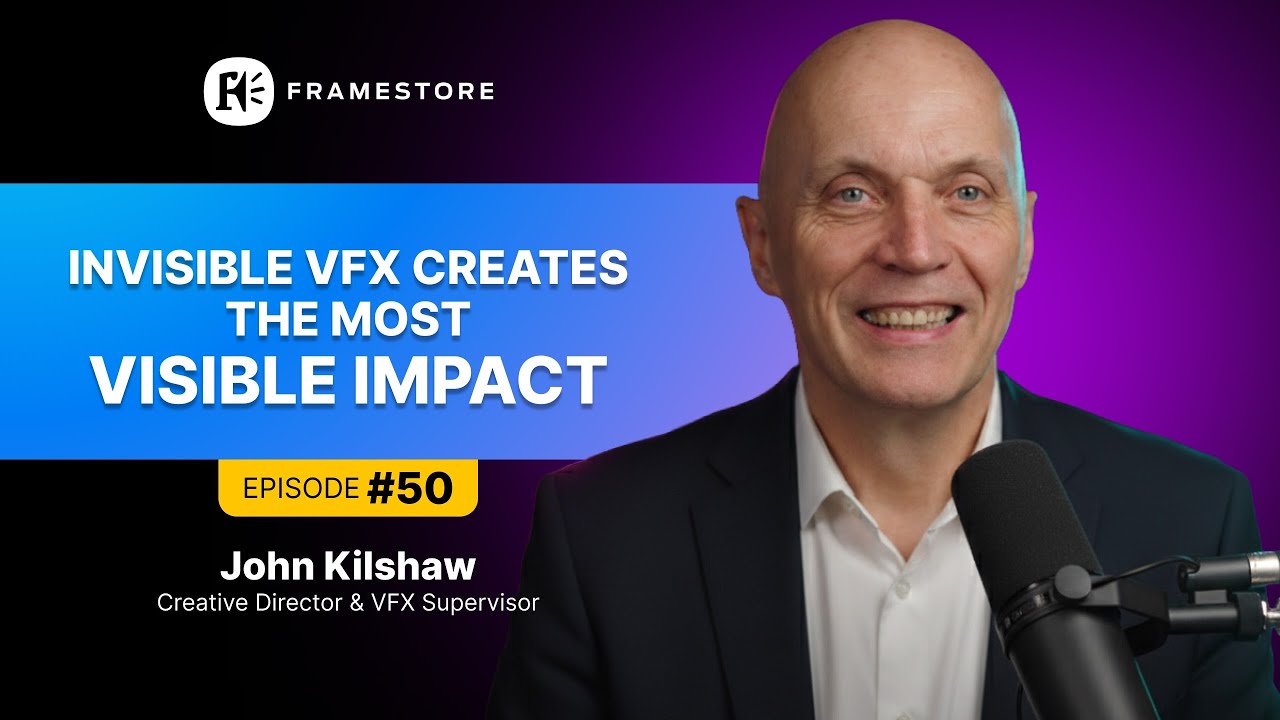
Framestore is one of the world’s most recognized post-production and VFX companies, with credits spanning theatrical blockbusters, streaming originals, and experiential projects. John Kilshaw, Creative Director and VFX Supervisor at Framestore, started as a runner at DNEG before rising to lead global episodic VFX teams—and his work on Netflix’s One Piece, Avatar: The Last Airbender, and Godfather of Harlem represents what a mature episodic VFX pipeline looks like at premium scale. Framestore’s ability to embed creatively with production—not just execute specs—is what keeps it on preferred vendor lists at Netflix and the major studios.
John Kilshaw (Creative Director & VFX Supervisor, Framestore) shares a candid look at modern VFX collaboration, episodic pipeline realities, and what it takes to bring streaming-era projects to life—including his journey from DNEG runner to leading global teams:
DNEG (UK/Global)
DNEG is one of the highest-volume visual effects and animation studios operating today—with facilities across London, Mumbai, Vancouver, Los Angeles, and beyond. Its BRAHMA AI and content technology division, formed after acquiring Metaphysic, signals how seriously it’s positioned for the next phase of production. DNEG’s ability to handle both episodic VFX and feature film work at scale puts it in the rare category of companies that can absorb a full season’s VFX work without blinking.
Weta FX (New Zealand/Global)
Weta FX—the VFX wing of the company Peter Jackson built—is the benchmark for photorealistic creature effects and environment work. Its $3.5M–$5M+ project range makes it inaccessible for most independent productions, but for studio-level co-productions with a meaningful VFX budget in the capital stack, Weta’s track record and technical credibility remain unmatched for certain categories of work.
Industrial Light & Magic (USA/Global)
ILM, Lucasfilm’s legendary VFX division now operating under Disney, pioneered the StageCraft LED virtual production technology that’s reshaping how content gets made globally. Its work on The Mandalorian and Andor established a new benchmark for virtual production efficiency—content that used to require 6 weeks of location work in hostile environments can now be completed in 2 weeks on a controlled stage. That’s ROI producers understand immediately.
Mid-Tier and Boutique Post-Production Companies That Outperform
But here’s the insider truth: for most productions, the Tier-1 names are actually the wrong answer. Your episodic crime drama doesn’t need Framestore’s full pipeline—and you probably can’t afford it anyway. The companies in the mid-tier are often where the real Smart Pairing happens—matching your specific brief, timeline, and budget to a house with a verifiable track record in exactly that type of work.
Outpost VFX (UK)
Duncan McWilliam, founder and CEO of Outpost VFX, has built one of the UK’s most respected boutique post-production operations. His approach—combining a rigorous culture framework with disciplined growth—means Outpost punches well above its size on episodic streaming work. The company has navigated the post-COVID production crunch, AI disruption, and macroeconomic pressure without compromising the quality floor that keeps it on premium commissioner lists.
PhantomFX (India/Global)
Bejoy Arputharaj, Founder and CEO of PhantomFX, has built a company that genuinely straddles the gap between Indian production economics and Hollywood-standard VFX delivery. PhantomFX works directly with Netflix and Hollywood productions—not as a subcontractor, but as a primary VFX partner. That distinction matters. It means they’re embedded in creative conversations, not just executing specs from 3 time zones away. And it means their pricing model doesn’t include the 15-20% intermediary markup that’s become endemic in the outsourcing market.
Dinamita Post (Mexico)
Paulo Carballar, Founder and CEO of Dinamita Post, runs Mexico’s leading post-production house—a company with Oscar-nominated and Emmy-winning projects on its reel. Dinamita’s position within Mexico’s growing Sovereign Content Hub makes it strategically important for any production leveraging the country’s 17.5% IAPI cash incentive or the broader Latin American co-production market. If your capital stack includes Mexican incentives, your post-production conversation should start here.
DigitalFilm Tree (USA)
Ramy Katrib’s DigitalFilm Tree is one of the most data-forward post-production companies operating today. Beyond their own production work, they run the Global Post Network—a framework connecting post-production companies internationally around shared data and collaboration infrastructure. It’s a direct response to the Fragmentation Paradox: the fact that 10,000+ post companies exist globally but most producers can only name 5. DigitalFilm Tree’s philosophy is that better data infrastructure makes better partnerships possible. As we covered in our complete guide to film post-production services, the data layer is increasingly what separates elite post houses from commodity vendors.
Track 10,000+ Post-Production Companies—Before You Need Them
Trusted by Netflix, Warner Bros, and Paramount. Join 140,000+ companies using Vitrina to vet vendors, track projects, and De-risk their post-production pipelines.
✓ 200 free credits | ✓ No credit card required | ✓ Full platform access
The Regional Post-Production Hubs You Shouldn’t Ignore in 2026
The geography of post-production is shifting faster than most producers realize. Three years ago, you’d have been forgiven for thinking the only viable options were London, Los Angeles, Vancouver, and Mumbai. That’s no longer accurate—and if your sourcing strategy still operates that way, you’re leaving significant efficiency and cost advantages on the table.
UK remains the strongest regulated market for post. Neil Hatton, CEO of UK Screen Alliance, has documented how enhanced audio-visual tax credits—introduced in 2024—are driving a new wave of inbound production into the UK’s VFX and post-production sector. The combination of a deep talent pool, world-class infrastructure, and improved tax incentives makes the UK disproportionately competitive for premium episodic work. According to Screen International, UK post-production investment has climbed consistently as streamers lock in multi-year vendor relationships with British houses.
India has moved decisively into premium work. The Indian government’s incentive scheme—offering up to 40% cash rebate for qualifying international post-production work—combined with the maturation of studios like PhantomFX, Prime Focus, and Red Chillies VFX means India isn’t just a cost-arbitrage play anymore. It’s a genuine first-choice market for a growing number of commissioners. The government’s push to incentivize AI dubbing and VFX work is accelerating this further.
Latin America is building fast. Mexico, Brazil, and Colombia are all developing serious post-production infrastructure, backed by a combination of local streaming mandates, U.S. co-production treaties, and growing sovereign content ambitions. O2 Films—Brazil’s one-stop production and post-production powerhouse, led by Paulo Barcellos—is the visible tip of a much larger iceberg of capability being built across the region.
Eastern Europe offers deep VFX talent at competitive rates. Hungary, Czech Republic, and Romania have been building post-production ecosystems for decades as runaway production destinations—and that infrastructure is now producing genuine world-class boutique studios. As reported by Variety, Eastern European post houses are increasingly appearing on Netflix and HBO preferred vendor lists, particularly for episodic VFX and color grading work.
How to Vet Post-Production Companies Beyond the Showreel
The showreel is table stakes. If it’s the only vetting tool you’re using, you’re flying blind on the variables that actually break productions: capacity, financial stability, pipeline security, and the quality of work they deliver when they’re stressed.
Here’s what the best executive producers actually check—before they sign anything:
Hero projects, not highlight reels. You want to know which projects a house has completed start-to-finish, not which 90-second clips they’ve cherrypicked. Ask for 3 completed projects of comparable scope. If they can’t name them with delivery dates and client contacts, that tells you something critical.
Current capacity status. This is the most consistently overlooked variable in vendor sourcing. A post house that’s 90% booked will tell you they have availability—because they always say that. You need to verify independently. On Vitrina, you can see a company’s active project load by tracking what productions they’re currently credited on—real-time intelligence, not a sales deck.
Financial stability check. A post house that fails mid-project doesn’t just delay your delivery. It blows your contingency, often burns your insurance, and—if you’re working against a distribution deadline—can cost you your distribution deal entirely. Check their financial filings where available. Look for signs of recent ownership changes, equity raises, or staff reductions that might signal instability.
Pipeline compatibility with your delivery spec. Netflix, Amazon, and Apple all have specific technical delivery requirements—IMF packages, HDR standards, Dolby Atmos specs. Not every post house is set up to deliver to all of them efficiently. Confirm compatibility before you’re two weeks from delivery, not after.
Our executive guide to vetting global VFX studios goes deeper on the full framework—but those four checks will eliminate 80% of the bad decisions before they happen.
Need the Right Post-Production Company? We’ll Find Them.
Vitrina Concierge is your Virtual Agent. We don’t give you a list—we make warm introductions to vetted post-production companies actively seeking your type of project.
- LA producer → Netflix UK, Fifth Season, Fox Entertainment (48 hours)
- Korean animation studio → Netflix Adult Animation (week one)
Key Takeaways: Navigating Post-Production Companies in 2026
The landscape is bigger, more distributed, and more capable than most producers’ mental maps reflect. Here’s the short version:
- The top tier—Framestore, DNEG, Weta FX, ILM—carry institutional credibility but not every project needs them. Know which category your brief actually falls into.
- Mid-tier boutiques like Outpost VFX, PhantomFX, Dinamita Post, and DigitalFilm Tree are frequently the better match for streaming-era episodic work, with faster turnarounds and more flexible engagement models.
- Regional post-production hubs in India, Mexico, Brazil, and Eastern Europe are no longer cost-arbitrage plays—they’re genuine quality destinations, often supported by government incentives that strengthen your capital stack.
- Cloud readiness, AI integration, and pipeline security have replaced raw showreel quality as the primary vetting criteria for premium commissioners in 2026.
- The 10,000+ company market means the right partner exists for your brief—but finding them without live data on capacity, deal history, and project credits burns weeks you don’t have. Smart Pairing intelligence closes that gap before it costs you.
Frequently Asked Questions About Post-Production Companies
What services do post-production companies provide?
Post-production companies provide all the services required to take raw filmed footage to a finished, deliverable product. Core services include picture editing, visual effects (VFX), color grading, sound design and mixing, ADR (Automated Dialogue Replacement), music scoring supervision, dubbing and localization, and technical delivery (IMF packaging, Dolby Atmos, HDR mastering). Larger full-service houses offer all of these under one roof; specialized boutiques focus on one or two categories at exceptional depth.
What are the biggest post-production companies in the world?
The largest and most globally recognized post-production companies include DNEG, Framestore, Weta FX, Industrial Light & Magic (ILM), Moving Picture Company (MPC), and Prime Focus World. These companies have multi-territory operations, institutional relationships with the major studios and streaming platforms, and pipelines capable of handling large-scale theatrical and episodic VFX simultaneously. For specialized post services like sound or color, companies like Deluxe, Technicolor, and Harbor Picture Company are among the most prominent.
How much do post-production companies charge?
Pricing varies enormously by service type, complexity, and company tier. Top-tier VFX studios may quote $3M–$10M+ for a feature film or major streaming series VFX package. Mid-tier boutiques typically operate in the $500K–$3M range for comparable episodic work. Sound design and mixing for a feature film typically runs $80K–$300K. Color grading ranges from $15K for a low-budget feature to $200K+ for premium streaming delivery. Geographic location also affects pricing significantly—Indian and Eastern European studios often deliver comparable technical quality at 30–50% lower cost than UK or US equivalents.
How do I find post-production companies for my project?
The most reliable method in 2026 is combining active market intelligence with qualified referrals. Start by defining your brief precisely—VFX shot count, delivery spec, budget band, timeline, and territory. Then use entertainment supply chain intelligence platforms like Vitrina to identify post houses with verified credits in your exact category, active capacity, and no conflicts of interest with your project. Avoid relying solely on showreels and word of mouth—both introduce significant selection bias and rarely surface the best available match for your specific brief.
Which countries have the best post-production companies?
The UK has the deepest concentration of world-class VFX and post talent globally, supported by enhanced audio-visual tax credits introduced in 2024. The United States—specifically Los Angeles, New York, and Atlanta—remains the largest market by deal volume. Canada (Vancouver, Toronto) offers strong incentives for co-productions. India is growing rapidly in premium VFX capability. New Zealand is home to Weta FX. Emerging post hubs in Mexico, Brazil, Hungary, and Romania are increasingly appearing on premium streaming vendor lists.
What’s the difference between a VFX company and a post-production company?
A VFX company specializes specifically in visual effects—CGI, digital environments, creature creation, compositing, and related work. A post-production company provides the broader suite of finishing services that includes VFX but also covers picture editing, sound, color, and delivery. Many large post-production companies operate VFX divisions internally; many VFX houses are post-production specialists who focus exclusively on the visual effects component and hand off other post services to partners.
How is AI changing post-production companies in 2026?
AI is restructuring post-production economics at every tier. Companies like MARZ are using AI to automate rotoscoping, cleanup work, and dubbing—tasks that previously required large teams of junior artists. AI-driven color matching is reducing color grading time by 30–40% on episodic work. Automated dubbing platforms like Papercup and DeepDub are enabling post houses to offer localization services they previously couldn’t. The companies Accelerating AI integration into their core pipeline are expanding their service offerings and improving margins simultaneously; the companies ignoring it are facing pricing pressure they won’t be able to sustain.
What should I look for in a post-production company contract?
The critical contract terms to scrutinize in any post-production agreement include: delivery milestones with defined penalty clauses; IP ownership—ensure all finished elements and raw deliverables revert to you; payment schedule structure relative to completion milestones (not just calendar dates); revision count and out-of-scope cost structure; force majeure clauses that cover cloud outages and pipeline failures; and cancellation terms that protect your ability to move vendors if delivery is missed. Our guide on the best post-production studios worldwide covers vendor qualification in more detail.
Stop Guessing. Start Tracking Post-Production Companies That Fit Your Brief.
Netflix, Warner Bros, and Paramount use Vitrina. Join 140,000+ entertainment companies tracking 400,000+ projects, vendor credits, and deal activity across 195 countries.
✓ 200 free credits | ✓ No credit card required | ✓ Cancel anytime
Find Film+TV Projects, Partners, and Deals – Fast.
VIQI matches you with the right financiers, producers, streamers, and buyers – globally.
Producers Seeking Financing & Partnerships?
Book Your Free Concierge Outreach Consultation
(To know more about Vitrina Concierge Outreach Solutions click here)
Join Industry Briefings Trusted by Leaders

The Mid-Budget Comeback: Why Mid-Budget Films Is the Smartest Bet in the Room
Mid-budget films are attracting new capital. See why this segment is becoming one of the strongest bets in Film today.
Franchise Fatigue vs. IP Dependency: What Studios Should Be Betting On Now
s franchise performance softens, where will the next generation of valuable IP come from? Join the briefing.

Unscripted Is Eating the World: The Multi-Billion Reality and Format Boom
Unscripted is the new prestige — inside the $19.8B global format boom reshaping how streaming platforms compete.
How Co-Productions and Regional IP Are Reshaping Global Drama
As global drama evolves, which stories travel, which stay local, and how are they getting financed?