About Innovation Hub
 Global Content Pulse (Webinars)


 Global Production Financing
(Webinars)
Global Production Financing
(Webinars)  LeaderSpeak Podcast
  Global Entertainment Digest (Newsletter)
  About Vitrina
 About VIQI
 Our Story
 Our Solutions 🔥
 Film+TV Projects Tracker 🚀
 Case Studies
 Our Profile
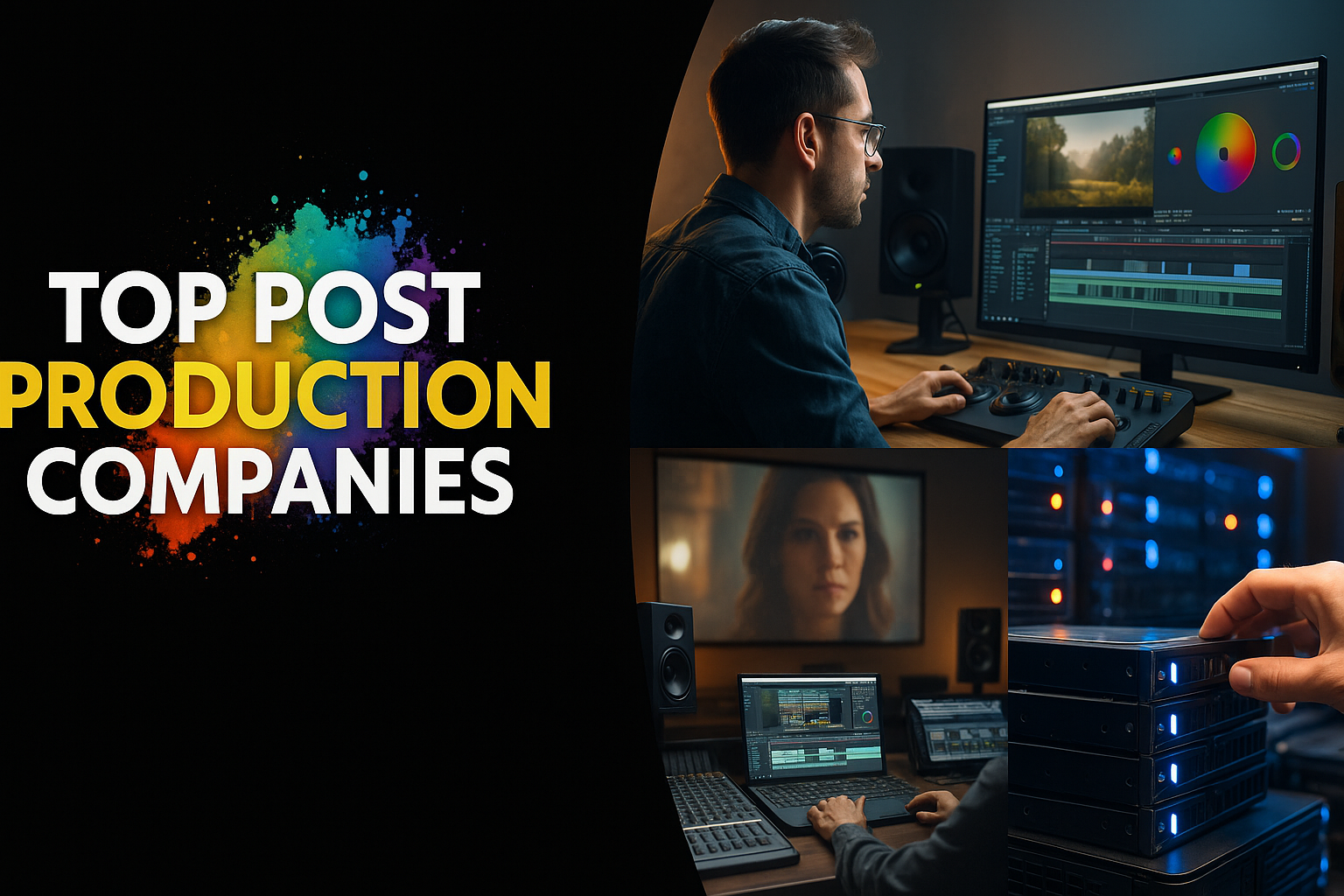
Here’s the thing about sourcing top post-production companies in Hollywood—your existing shortlist is probably 18 months out of date. The market’s moved fast. Studios that were booking out 6 months in advance in 2024 now have more capacity. AI-driven workflows have reshuffled which vendors can actually hit your delivery dates. And a handful of nimble boutique houses have quietly taken work that used to go exclusively to the legacy players.
This guide is built for production executives, line producers, and sourcing heads who need a current, verified read on the Hollywood post-production landscape—not a recycled trade roundup. We’ve pulled intelligence from Vitrina’s platform, which tracks 140,000+ companies across the global entertainment supply chain, cross-referenced against recent project credits and market intelligence from Variety and The Hollywood Reporter.
Whether you’re staffing a Netflix episodic, packaging a wide-release feature, or managing VFX delivery for a Warner Bros tentpole, the vendors on this list have the verified track record—and the current capacity intelligence—you need before the call goes out.
In This Guide
Find Verified Hollywood Post-Production Vendors in Under 48 Hours
Ask VIQI—Vitrina’s AI intelligence engine—for a ranked, verified shortlist filtered by budget range, capability, and current availability. Used by teams at Netflix, Paramount, and Google TV.
200 free credits · No credit card required
Why Hollywood Still Leads Global Post-Production
Despite real competition from sovereign production hubs in MENA, APAC, and Eastern Europe—all of which are building post-production infrastructure at pace—Hollywood’s ecosystem remains the benchmark for reasons that are more structural than sentimental. Talent concentration, studio pipeline volume, and a union infrastructure that de-risks delivery schedules still make Los Angeles the default choice when the recoupment schedule is tight and there’s no margin for missed deliverables.
But here’s what’s changed: the Fragmentation Paradox is catching up with post-production sourcing. There are 10,000+ VFX and post companies globally now—and producers operating from a shortlist of 5 known vendors are leaving real money, and real quality options, on the table. The executives who will protect their EBITDA in 2026 are the ones running verified intelligence, not just memory and relationships.
As we covered in our guide to global VFX service expansion, the smarter studios are already building hybrid supply chains—anchoring final delivery in Hollywood while routing technical work to verified offshore partners who’ve hit their numbers on comparable projects. That’s a capital stack optimization, not a compromise.

Your AI Assistant, Agent, and Analyst for the Business of Entertainment
VIQI AI helps you plan content acquisitions, raise production financing, and find and connect with the right partners worldwide.
- Find active co-producers and financiers for scripted projects
- Find equity and gap financing companies in North America
- Find top film financiers in Europe
- Find production houses that can co-produce or finance unscripted series
- I am looking for production partners for a YA drama set in Brazil
- I am looking for producers with proven track record in mid-budget features
- I am looking for Turkish distributors with successful international sales
- I am looking for OTT platforms actively acquiring finished series for the LATAM region
- I am seeking localization companies offer subtitling services in multiple Asian languages
- I am seeking partners in animation production for children's content
- I am seeking USA based post-production companies with sound facilities
- I am seeking VFX partners to composite background images and AI generated content
- Show me recent drama projects available for pre-buy
- Show me Japanese Anime Distributors
- Show me true-crime buyers from Asia
- Show me documentary pre-buyers
- List the top commissioners at the BBC
- List the post-production and VFX decision-makers at Netflix
- List the development leaders at Sony Pictures
- List the scripted programming heads at HBO
- Who is backing animation projects in Europe right now
- Who is Netflix’s top production partners for Sports Docs
- Who is Commissioning factual content in the NORDICS
- Who is acquiring unscripted formats for the North American market
How We Selected These Companies
Not all post-production companies in Hollywood are equal—and not all lists are honest about the criteria. Ours filters on four non-negotiables: verified hero project credits within the past 24 months, current operational capacity signals, technology infrastructure for 2026 deliverables (Dolby Vision, HDR, cloud-based finishing, AI-assisted workflows), and client repeat rate as a proxy for execution reliability.
We deliberately excluded companies that appear prominently in trade coverage but whose capacity signals suggest they’re fully booked or mid-transition. A studio on this list is one you can actually book—not just one worth knowing about.
The 10 Top Post-Production Companies in Hollywood for 2026
1. Industrial Light & Magic (ILM)
Specialties: VFX, virtual production, creature/character work, StageCraft LED volume
Hero Projects: Indiana Jones and the Dial of Destiny, The Mandalorian, Ahsoka
Verdict: The category-definer for studio-level VFX. ILM’s StageCraft virtual production technology—originally developed for The Mandalorian—has become the benchmark that every other volume stage is measured against. If your project needs Marvel-level photorealism with watertight IP protection, ILM is the call. Lead times run 8–12 months for major tentpole work; episodic slots are slightly more available. Budget accordingly: mid-tier feature VFX packages typically start at $8–12M.
2. DNEG
Specialties: VFX, animation, virtual production, title sequences
Hero Projects: Oppenheimer, Dune: Part Two, Wonka
Verdict: DNEG has delivered back-to-back Oscar-winning VFX work and has one of the deepest benches in the industry—with major hubs in Los Angeles, London, Vancouver, and Mumbai. That global infrastructure isn’t just a cost play; it’s a redundancy mechanism that de-risks delivery on high-volume productions. For episodic streaming work targeting Netflix or Apple TV+, DNEG’s proven pipeline is hard to beat. Their production methodology rewards early engagement—get in before the project greenlights.
3. Framestore
Specialties: VFX, character animation, creature effects, episodic VFX
Hero Projects: One Piece (Netflix), Avatar: The Last Airbender, Godfather of Harlem
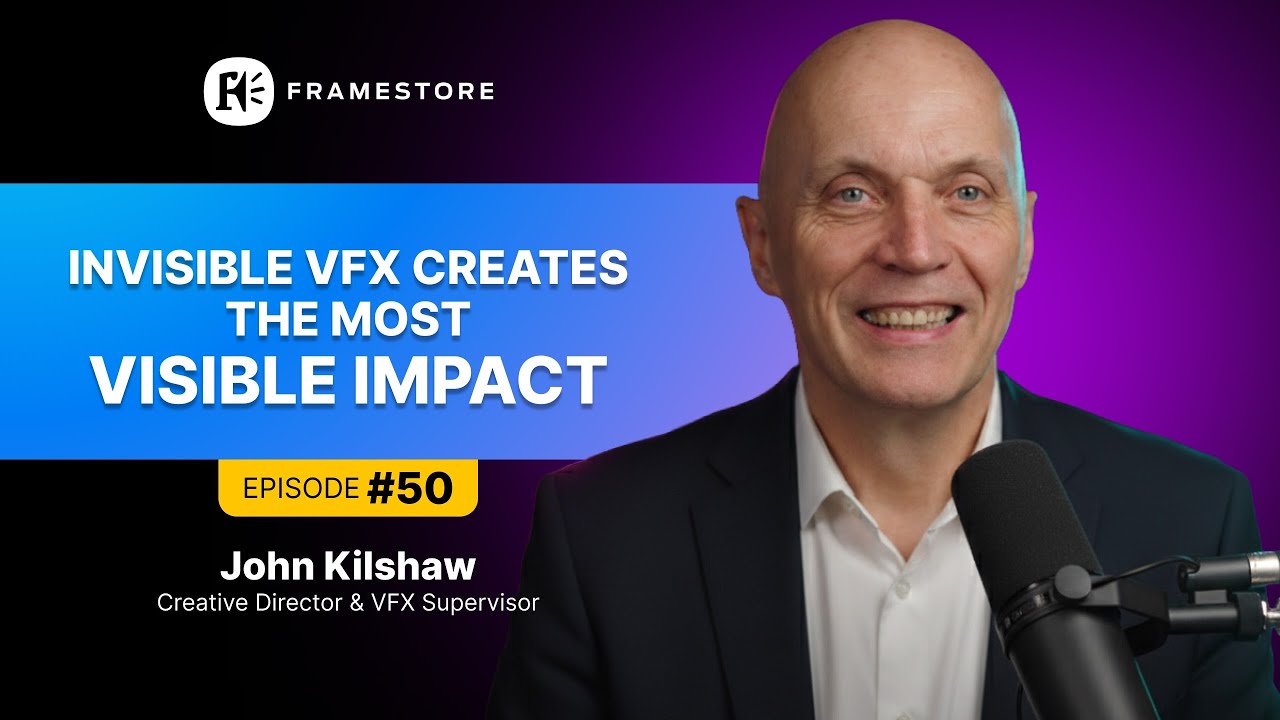
Verdict: Framestore’s Creative Director & VFX Supervisor John Kilshaw has been candid about how the studio approaches collaboration—built on deep integration with streaming clients from day one of pre-production, not parachuted in at post. That philosophy shows in their episodic output. For streaming-first productions, Framestore’s workflow is genuinely built for the format. Their Hollywood operation works in close sync with the London mothership, giving you global capacity without the coordination tax.
Framestore’s John Kilshaw — Creative Director & VFX Supervisor — breaks down how modern episodic VFX collaboration actually works, from the studio’s approach to streaming clients like Netflix to the real challenges of high-volume delivery:
4. WetaFX
Specialties: Digital characters, facial performance capture, creature animation
Hero Projects: Planet of the Apes: Kingdom, Avatar: The Way of Water
Verdict: Wellington-based but deeply embedded in the Hollywood production ecosystem—WetaFX is the gold standard for photoreal digital characters and performance capture. No one else does this at the same fidelity. The company’s work on the Avatar franchise set benchmarks that remain unmatched. But you’re paying for those benchmarks. WetaFX makes sense for projects where digital characters are the centrepiece, not a supporting element. Budget accordingly, and engage their team 12+ months ahead of principal photography.
Track Hollywood Post-Production Vendors in Real Time
Vitrina tracks 400,000+ projects globally—so you can see which post companies are finishing which productions, what’s in their pipeline, and when capacity opens up. Netflix UK sourced verified vendors in 48 hours using Vitrina’s platform.
No credit card required · Join 140,000+ companies on Vitrina
5. Technicolor / MPC Film
Specialties: VFX, colour grading, digital intermediate, animation VFX
Hero Projects: The Lion King (2019), 1917, Blade Runner 2049
Verdict: Technicolor and MPC have navigated significant structural changes over the past few years—but their colourist talent and digital intermediate capability remain among the best in Hollywood. MPC Film in particular has a track record on prestige drama and large-format features that speaks for itself. If photochemical heritage and colour science matter to your director, this is the conversation to have early.
6. Light Iron (a Panavision Company)
Specialties: Digital intermediate, colour grading, on-set dailies, remote review
Hero Projects: Succession, The Dropout, Irma Vep
Verdict: Light Iron has carved out a genuinely distinctive position—high-end colour science married to on-set dailies integration that removes friction from the production-to-post handoff. Seth Hallen and the Light Iron team have been thoughtful about where AI fits in their workflow without undermining colourist craft. For prestige television and prestige limited series specifically, Light Iron punches above its size. Their integration with Panavision’s camera pipeline is a real operational advantage.
7. Harbor Picture Company
Specialties: Finishing, colour, sound, delivery mastering, accessibility services
Hero Projects: The Power of the Dog, Spencer, Passing
Verdict: Harbor is the name independent and prestige producers keep coming back to when they need full-service finishing without the corporate overhead of the legacy giants. New York roots, Los Angeles presence, strong awards season track record. Their colour and sound teams have worked alongside some of the most respected cinematographers working today—and that rapport shows in the finished work. For mid-budget independent features targeting awards consideration, Harbor’s combination of craft and commercial pragmatism is rare.
8. Sony Pictures Imageworks
Specialties: CG animation, VFX, hybrid live-action/animation
Hero Projects: Spider-Man: Across the Spider-Verse, Ghostbusters: Frozen Empire
Verdict: The Spider-Verse films gave Sony Pictures Imageworks a genuine creative mandate that goes beyond technical execution—they now have the industry’s attention on stylised animation in a way no other Hollywood VFX house can claim. If your project involves pushed stylisation, CG character performance, or hybrid animation/live-action, Imageworks has both the technology and the artistic vision to match ambition. Their Vancouver operation handles overflow capacity efficiently.
9. Formosa Group
Specialties: Sound design, Dolby Atmos mixing, ADR, score recording
Hero Projects: Top Gun: Maverick, Elvis, Scream VI
Verdict: Don’t make the mistake of treating audio post as an afterthought—and don’t book a sound house that can’t deliver Dolby Atmos to theatrical spec. Formosa Group is where Hollywood’s most demanding mixers work. Their Stage A facility in West Hollywood is purpose-built for theatrical blockbuster audio, and their ADR capabilities mean you can pull back pickups and fixes without logistical nightmares. The MG on their top stages reflects genuine scarcity—they’re not underselling.
10. Luma Pictures
Specialties: Boutique VFX, character work, invisible effects
Hero Projects: Doctor Strange in the Multiverse of Madness, Thor: Love and Thunder, Black Widow
Verdict: Luma Pictures is the boutique VFX house that punches several weight classes above its headcount. Their relationship with Marvel Studios spans more than a dozen productions—and that kind of repeat commissioning only happens when a vendor consistently delivers under extreme schedule pressure. For superhero, sci-fi, and action projects that need tight collaboration rather than assembly-line VFX, Luma’s smaller team structure is an asset, not a limitation.
The AI Shift Reshaping Hollywood Post-Production in 2026
Let me be direct about what’s actually happening here—because the trade coverage has been either breathless or dismissive, and neither is useful. AI isn’t replacing post-production craft. But it is dramatically compressing the time and cost of specific tasks: roto, cleanup, de-aging, on-set dailies processing, and audio transcription. The vendors who’ve integrated these tools intelligently are passing real savings downstream. The ones who haven’t are quietly losing bids.
As reported by The Hollywood Reporter, major studios are now routinely requesting AI workflow disclosures as part of vendor qualification—they want to know which tools are in use, what the IP exposure is, and how the chain of ownership is documented. This is the authorized AI framework in practice. And if your vendor can’t answer those questions clearly, that’s a supply chain risk you’re absorbing.
The AI tools transforming post-production workflows aren’t uniform across the studios on this list. Some have built proprietary tooling; others are integrating third-party platforms with careful governance frameworks. What they share—the ones worth booking—is transparency about exactly what AI is doing in their pipeline and what it isn’t.
Need a Custom Shortlist for Your Specific Project?
Vitrina’s Concierge team hand-builds vendor shortlists matched to your budget, format, and delivery timeline—sourced from verified data on 140,000+ companies. Not a database. A sourcing desk.
Used by sourcing teams at Netflix, Paramount, and Warner Bros
How to Source Post-Production Partners Smarter in 2026
The old way to source a post-production partner: call your three trusted contacts, get two referrals, run a competitive bid that isn’t actually competitive because you’ve pre-selected the outcome. That process has a 15–20% margin leakage problem built in—the Fragmentation Paradox in its most operationally costly form.
The smarter approach starts 6 weeks ahead of when you think you need to start—because the vendors worth booking are already fielding enquiries for Q3 when you’re still closing Q1 deals. It means verifying capacity signals, not just assuming availability based on a relationship. And it means using a platform that tracks 400,000+ active projects globally, so you can see where a vendor’s bandwidth actually sits right now.
For productions working across territories—co-productions involving French, German, or UK partners, or projects qualifying for local incentive regimes—the strategic guide to LA post-production houses and Vitrina’s Smart Pairing technology can surface the hybrid vendor combinations that protect incentive compliance while keeping quality where it needs to be.
But the core principle doesn’t change: de-risk your supply chain with verified intelligence, not relationship-dependent guesswork. That’s the difference between protecting EBITDA and absorbing it.
Frequently Asked Questions: Post-Production Companies in Hollywood
What are the biggest post-production companies in Hollywood?
The largest by volume and studio-level capability are Industrial Light & Magic, DNEG, Framestore, and WetaFX. For finishing and colour, Light Iron and Harbor Picture Company lead the prestige segment. In audio post, Formosa Group handles the most demanding theatrical and streaming mixes. Each excels in different disciplines—the “biggest” depends on what your project actually needs.
How do I know if a Hollywood post-production company has capacity for my project?
Capacity intelligence is one of the hardest things to get accurately—most vendors won’t tell you how booked they are until you’re deep in the negotiation. The best approach is to use a platform like Vitrina that tracks project pipeline and delivery schedules across 400,000+ productions, giving you a real-time read on which studios are finishing and which are mid-volume. This compresses the sourcing timeline from 3–6 months to days.
How much does it cost to hire a top Hollywood post-production company?
Budget ranges vary enormously by discipline. Major VFX packages at studios like ILM or DNEG typically start at $5–12M for a feature. Boutique VFX houses like Luma Pictures can deliver high-quality work in the $1.5–4M range for the right project. Audio post for a theatrical feature at a facility like Formosa Group runs $400K–$1.2M depending on format and schedule. Colour and digital intermediate at Light Iron or Harbor starts at $150K for a feature, rising significantly for HDR theatrical delivery.
Are there post-production companies in Hollywood that specialise in streaming deliverables?
Yes—and the distinction matters more than it used to. Framestore and DNEG both have dedicated episodic streaming workflows built around Netflix, Amazon, and Apple TV+ technical specifications. Harbor Picture Company has deep experience with streaming platform finishing requirements including HDR, Dolby Vision, and accessibility deliverables. If your project needs to hit Netflix UK specs for a simultaneous global release, make sure your finishing house has done it before—the QC rejection rate for first-time streamers is significant.
How are Hollywood post-production companies using AI in 2026?
AI is actively deployed across rotoscoping, cleanup, de-aging effects, dailies processing, and audio transcription at virtually all major Hollywood post houses. ILM has proprietary AI tools developed through their Industrial Light & Magic research division. DNEG and Framestore both have AI-assisted pipeline components. The critical question isn’t whether a vendor uses AI—they all do—but whether their IP governance framework protects your ownership chain and satisfies studio completion bond requirements.
What’s the best way to find top post-production companies in Hollywood for an independent film?
For independent films with tighter budgets, Harbor Picture Company and Light Iron are the names to explore first—both have strong track records on prestige independent cinema without the pricing structure of the major VFX studios. Boutique VFX houses like Luma Pictures will take independent work selectively when the project is creatively interesting. Use Vitrina’s platform to filter by budget range and see verified credits at comparable budget levels before committing to any vendor conversations.
How early should I engage a Hollywood post-production company for a major feature?
Earlier than you think. For tentpole features requiring significant VFX, ILM, DNEG, and WetaFX should be in conversations 12–18 months before principal photography. For finishing and sound, 6–9 months is realistic for locking in the team you want. The studios that get the best work—and the best pricing—are the ones in the room before a project greenlights, not the ones calling after the shoot wraps.
Key Takeaways
The top post-production companies in Hollywood in 2026 aren’t just technically capable—they’re operationally positioned for the streaming-first, AI-integrated, multi-territory delivery reality your productions actually face. Here’s what to take into your next vendor conversation:
- Engage 6–18 months early. The best vendors are already booked by the time most productions start looking. The capacity advantage goes to the executives who move before the greenlight.
- Match the vendor to the discipline. ILM for photorealistic tentpole VFX; Framestore and DNEG for streaming episodic; Harbor and Light Iron for prestige finishing; Formosa Group for theatrical audio; Luma for boutique character VFX.
- Demand AI governance transparency. Every major post house now has AI in their pipeline. Your completion bond and studio delivery requirements mean you need a clear chain of ownership documentation—ask the question before you sign the deal.
- The Fragmentation Paradox is real. Operating from a shortlist of 5 known vendors when 10,000+ qualified companies exist means you’re leaving margin and quality on the table. Verified intelligence closes that gap in days, not months.
- Use real-time capacity data. Relationship-based sourcing doesn’t tell you whether a studio is finishing 3 tentpoles simultaneously or has an opening in Q2. Vitrina’s platform tracks 400,000+ active projects globally—use it.
Find Your Next Post-Production Partner in 48 Hours
Access verified intelligence on 140,000+ companies including post-production studios, VFX houses, and finishing facilities—filtered by your project’s budget, format, and timeline.
No credit card required · Cancel anytime
Need a Hand-Curated Vendor Shortlist?
Vitrina’s Concierge team builds custom sourcing packages for productions that need more than a database—they need answers.
Find Film+TV Projects, Partners, and Deals – Fast.
VIQI matches you with the right financiers, producers, streamers, and buyers – globally.
Producers Seeking Financing & Partnerships?
Book Your Free Concierge Outreach Consultation
(To know more about Vitrina Concierge Outreach Solutions click here)
Join Industry Briefings Trusted by Leaders

The Mid-Budget Comeback: Why Mid-Budget Films Is the Smartest Bet in the Room
Mid-budget films are attracting new capital. See why this segment is becoming one of the strongest bets in Film today.
Franchise Fatigue vs. IP Dependency: What Studios Should Be Betting On Now
s franchise performance softens, where will the next generation of valuable IP come from? Join the briefing.

Unscripted Is Eating the World: The Multi-Billion Reality and Format Boom
Unscripted is the new prestige — inside the $19.8B global format boom reshaping how streaming platforms compete.
How Co-Productions and Regional IP Are Reshaping Global Drama
As global drama evolves, which stories travel, which stay local, and how are they getting financed?