Best Crowdfunding Platforms for Film Production Ranked by Success Rate and Fee Structure

Share
Share
Film Crowdfunding

The best crowdfunding platforms for film production in 2026 are not interchangeable. Platform choice directly affects your success rate, how much of what you raise you actually keep, and whether the people most likely to back your film ever see your campaign.

Kickstarter has the audience but the lowest film success rate of any major platform. Indiegogo gives you maximum flexibility but minimal filmmaker-specific support. Seed&Spark was built specifically for film and delivers the highest verified success rate in the space—but it operates at a smaller scale than the general platforms. The right answer depends on your project, your existing audience, and your campaign strategy.

This guide cuts through the platform marketing and ranks the options filmmakers actually use in 2026 by what matters: success rate, fee transparency, audience reach, filmmaker-specific tools, and the campaign types each platform is genuinely built for. Platform fees look similar on the surface—they’re typically 5% across the board—but payment processing differences, payout timing, and all-or-nothing versus flexible funding models create real differences in what you net from the same raise.

Stack Crowdfunding With Grants, Equity, and Co-Production Partners

Trusted by Netflix, Warner Bros, and Paramount. Vitrina maps 140,000+ verified companies in the global entertainment supply chain—including financing partners, co-producers, and equity funds that complement crowdfunding for independent filmmakers who need to close the full budget.

✓ 200 free credits  |  ✓ No credit card required  |  ✓ Full platform access

Get 200 Free Credits

How Film Crowdfunding Fits Into Your Production Budget

Before comparing platforms, be honest about what crowdfunding can and can’t do for your project. For films under $150,000, a well-executed crowdfunding campaign can close a meaningful portion of the budget—sometimes all of it. For projects above that threshold, crowdfunding is most valuable as a validation mechanism and a community-building tool rather than a primary financing source. It demonstrates audience demand to investors and broadcasters, and it builds the core supporter base that will drive word-of-mouth when your film releases.

The national average for a successful film crowdfunding campaign is somewhere between $25,000 and $55,000—with outliers at both ends. The campaigns that raise $200,000+ on Kickstarter are real, but they’re also usually driven by filmmakers with substantial pre-existing audiences, prior campaign experience, or a project with genuine viral hook. Planning your budget around outlier results rather than median outcomes is one of the most common financial planning mistakes in independent film.

Two practical rules before choosing a platform:

Your campaign success is mostly determined before you launch. The size of your email list, your social following, the strength of your first-48-hours network—these factors matter far more than platform choice for determining whether you hit your goal. Platform matters at the margin, which is what this guide helps you optimise. But no platform rescues a campaign without an audience.

Crowdfunding is not a replacement for the rest of your financing stack. It’s one layer. For how crowdfunding fits alongside grants, equity, and tax incentives in a complete independent film capital stack, see our overview of how film financing works for independent filmmakers.

Seed&Spark: Best Overall for Independent Film

Seed&Spark is the only major crowdfunding platform built specifically for film and television. That specificity is its defining competitive advantage—and it shows in the success rates. Where Kickstarter’s film category success rate hovers around 38%, Seed&Spark reports a campaign success rate consistently above 75% for projects that launch with realistic goals and adequate preparation.

The reasons aren’t mysterious. Seed&Spark’s audience is film-literate. The platform’s algorithm surfaces projects to people who’ve already backed other films, not general consumers browsing a mixed marketplace of board games, gadgets, and documentary films. The filmmaker tools are purpose-built—wishlists (in-kind contributions alongside cash), streaming distribution built into the platform post-campaign, and a community of film practitioners who engage with projects on merit rather than novelty.

Fee Structure

Seed&Spark charges a 5% platform fee plus payment processing of approximately 3–4%, for an all-in cost of roughly 8–9% of funds raised. The platform operates on an all-or-nothing model for most campaigns—you must hit your funding goal to collect. This is actually a feature, not a bug: it signals to backers that your project won’t stall mid-production for lack of funds, and it forces filmmakers to set realistic goals rather than speculative ones.

Wishlist Feature

Seed&Spark’s wishlist system allows supporters to contribute equipment, services, or in-kind goods alongside cash—which is genuinely useful for productions that need camera gear, post-production services, or location access more than they need additional cash. A $3,000 camera rental contributed via wishlist is worth exactly the same as $3,000 cash, but it often comes from a different contributor pool (equipment owners and vendors) and reduces pressure on your cash goal.

Best For

  • Independent narrative features and documentaries
  • First-time and emerging filmmakers without massive pre-existing followings
  • Projects under $100,000 targeting the film community as primary backers
  • Filmmakers who want post-campaign streaming distribution through the same platform

Limitation: Seed&Spark’s total audience is smaller than Kickstarter’s or Indiegogo’s. If your project has genuine mainstream appeal beyond the film community—a sports documentary, a true crime project with broad cultural resonance, a subject that attracts non-filmmaker supporters—you may reach a larger backer pool on Kickstarter despite the lower base success rate.

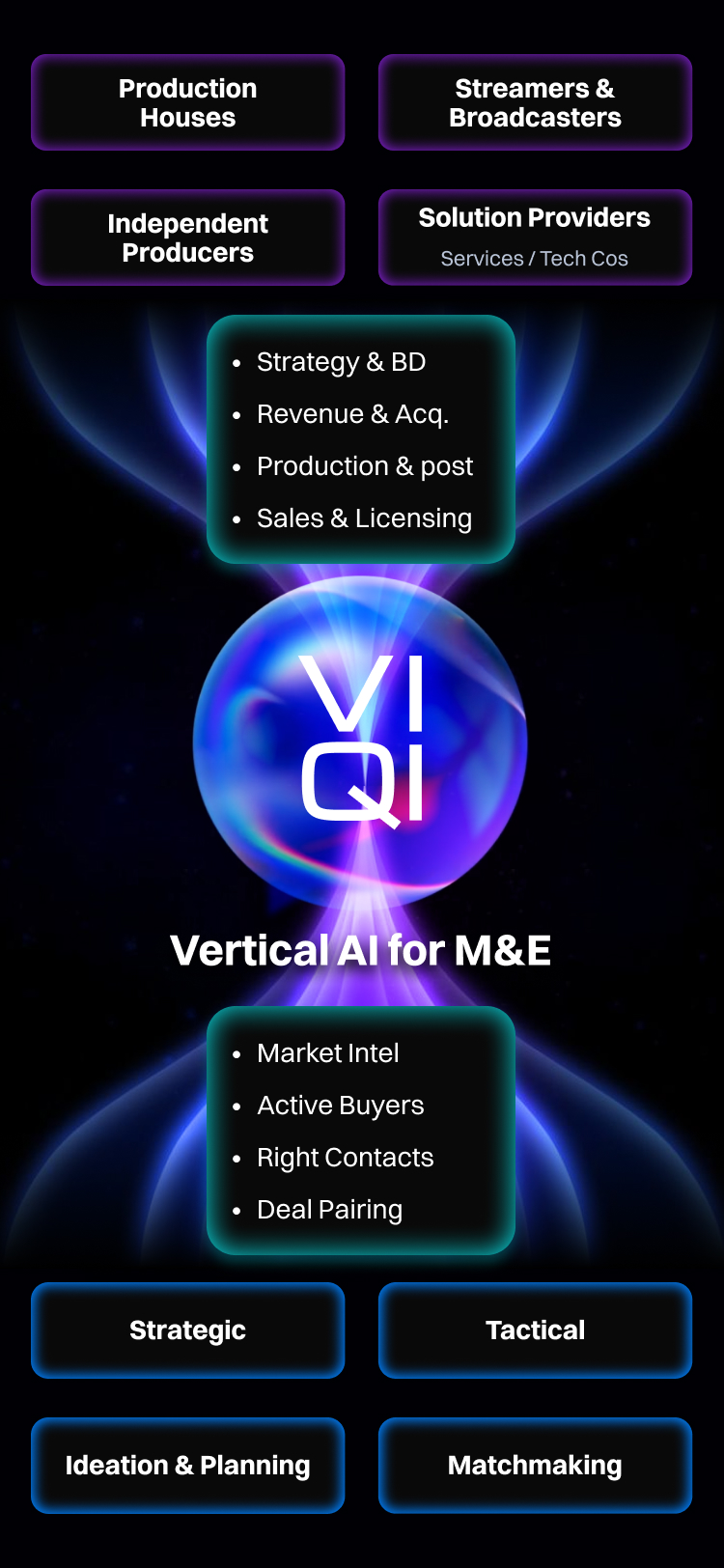
Your AI Assistant, Agent, and Analyst for the Business of Entertainment

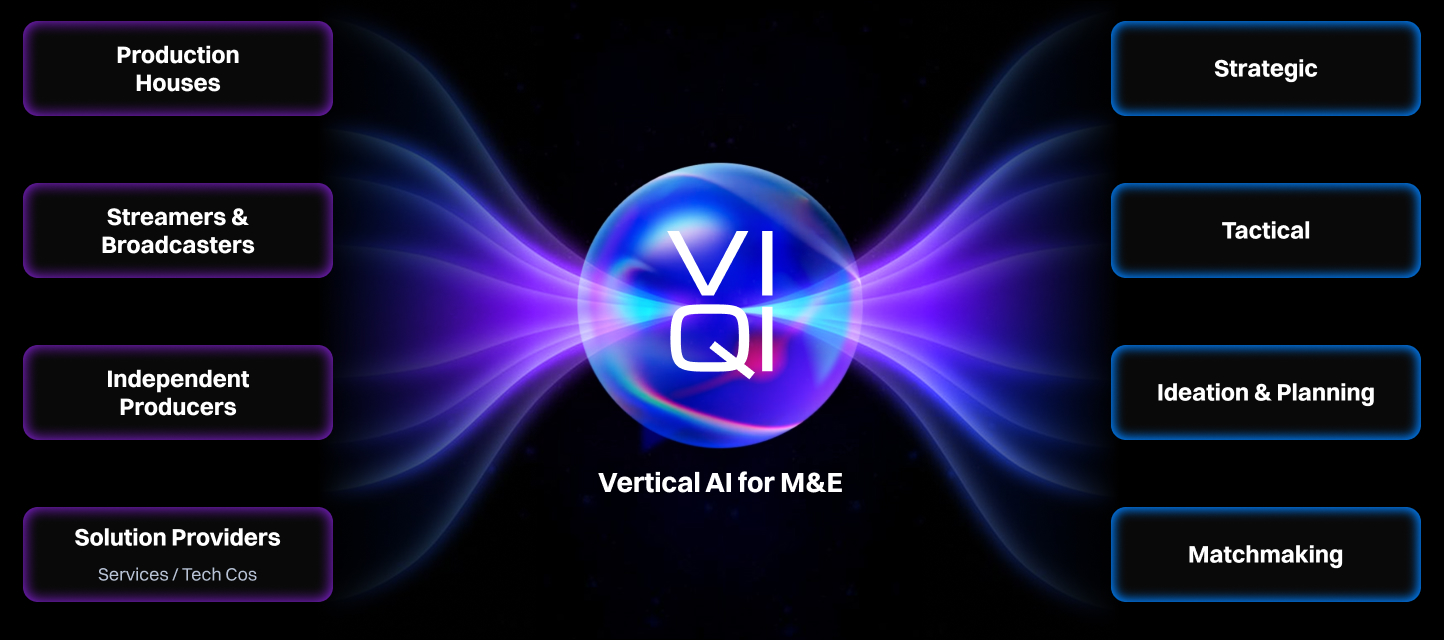
VIQI AI helps you plan content acquisitions, raise production financing, and find and connect with the right partners worldwide.

Kickstarter: Largest Audience, Most Competitive

Kickstarter is the world’s most recognised crowdfunding brand and has raised more money for film than any other platform in history. Its film and video category has delivered over $500 million in total funding since launch. But headline numbers can mislead. The platform’s film success rate sits around 38%—meaning nearly two in three film campaigns on Kickstarter fail to reach their goal and collect nothing.

That 38% average conceals enormous variance. Campaigns from established filmmakers with large email lists and strong first-48-hours momentum succeed at much higher rates. Campaigns from unknown filmmakers launching to cold audiences—without pre-campaign community building—fail at rates well above 62%. The platform doesn’t create audience for you; it amplifies the audience you bring to it.

Fee Structure

Kickstarter charges 5% platform fee plus payment processing of 3–5% (depending on card type), for a total of roughly 8–10% of funds raised. The all-or-nothing model applies: if you don’t hit your goal, you pay nothing and collect nothing. If you hit it, fees apply to the full amount raised—including any overfunding above your goal.

Discovery Advantage

Kickstarter’s “Projects We Love” editorial selection and category browse features can meaningfully boost campaign visibility for projects that get picked. Being featured is not guaranteed—Kickstarter’s editorial team selects based on project quality, presentation, and creative merit—but it’s a genuine source of organic discovery that smaller film-specific platforms can’t match in scale. If your project is visually compelling and can articulate its creative distinctiveness clearly, Kickstarter’s editorial reach is a meaningful upside.

Best For

  • Established filmmakers with significant pre-existing audiences (email list 5,000+)
  • Projects with mainstream subject appeal that can attract non-filmmaker backers
  • Feature films, documentary series, and anthology projects with strong visual presentation
  • Campaigns targeting $75,000–$500,000+ where platform reach matters more than platform specialisation

Limitation: Kickstarter is an all-or-nothing platform with no filmmaker-specific community tools. If you fall short of your goal by 10%, you walk away with nothing. Setting a conservative, genuinely achievable goal—and treating overfunding as the goal rather than just hitting your stated target—is the standard strategy for Kickstarter film campaigns that succeed.

Indiegogo: Flexible Funding With Real Trade-offs

Indiegogo’s headline feature is flexible funding—you keep whatever you raise, even if you don’t hit your goal. That sounds like a clear advantage, and for some projects it is. But it comes with a real trade-off: Indiegogo’s film success rates are the lowest among the three major platforms, and the flexible funding model signals to backers that your project might stall. If a backer knows you’ll collect $15,000 toward a $60,000 goal whether or not the film gets made, their incentive to push your campaign over the line—and to recruit their own networks—is substantially lower.

Fee Structure

Indiegogo charges a 5% platform fee on all funds raised, plus payment processing of approximately 3–5%. For fixed campaigns (all-or-nothing), the fee only applies if you hit your goal—identical to Kickstarter. For flexible campaigns, the fee applies to everything you raise regardless of goal attainment. The actual fees are comparable to the other major platforms, but flexible funding means you can raise less than needed and still incur full fees on what you do collect.

InDemand Feature

Indiegogo’s InDemand feature allows you to continue raising funds after your campaign ends—indefinitely. For filmmakers who successfully complete an initial campaign and want to continue accepting pre-orders or backer support during production or post-production, this is genuinely useful. It’s one of the few structural advantages Indiegogo holds over Kickstarter for film projects.

Best For

  • Projects that genuinely benefit from flexible funding—where partial funding enables real production milestones
  • International filmmakers who find Kickstarter’s geographic payment restrictions limiting
  • Campaigns that want to continue raising through InDemand after the main campaign ends
  • Projects with strong existing community that don’t need platform discovery to drive traffic

Limitation: Indiegogo’s film community is not as active or engaged as Kickstarter’s, and its filmmaker-specific tools don’t match Seed&Spark’s. The platform has diversified significantly into tech, gadgets, and consumer products—film campaigns sit in a mixed marketplace without a dedicated film audience the way Seed&Spark provides.

Ask VIQI: How Do Independent Filmmakers Build Complete Capital Stacks Beyond Crowdfunding?

VIQI is Vitrina’s AI research assistant—trained on 1.6 million titles, 360,000 companies, and 5 million entertainment professionals. Ask it about financing strategies, grant opportunities, and equity partners who work with independent filmmakers at your budget level.

✓ Included with 200 free credits  |  ✓ No credit card needed

Ask VIQI Your Question

BackerKit: The Rising Challenger Worth Watching

BackerKit started as a pledge management and fulfillment tool for Kickstarter campaigns—and for years, that’s primarily what it was. In 2023 it launched its own crowdfunding platform, and by 2025 it had become the most talked-about new entrant in the crowdfunding space for creative projects. It’s worth understanding because it solves a real problem that filmmakers face on all the legacy platforms.

BackerKit’s core innovation is its backer database. Because it has managed pledge fulfillment for thousands of Kickstarter campaigns, it has direct relationships with millions of people who have already backed creative projects. When you launch on BackerKit, your project is introduced to this network of proven backers—people who have already demonstrated they’ll give real money to creative campaigns they believe in. For new filmmakers without large pre-existing audiences, that’s a meaningful structural advantage.

Fee Structure

BackerKit charges a 5% platform fee plus payment processing of approximately 3–4%—comparable to Kickstarter and Seed&Spark. It operates on an all-or-nothing funding model. The platform is still building its creative project track record, which means competition from other film projects is currently lower than on Kickstarter—a meaningful advantage in near-term campaign visibility.

Best For

  • Filmmakers who’ve previously backed or fulfilled campaigns on Kickstarter—you’re already partly in BackerKit’s ecosystem
  • Projects that want access to BackerKit’s verified backer network as a discovery engine
  • Filmmakers willing to be early adopters on a rising platform with lower competition and growing audience

Limitation: BackerKit’s film-specific track record is still developing. It doesn’t have Seed&Spark’s filmmaker community tools or Kickstarter’s brand recognition. For filmmakers who need proven infrastructure, it’s still a calculated bet rather than a safe default.

Patreon: Ongoing Support, Not One-Time Campaigns

Patreon is not a crowdfunding platform in the traditional sense—it’s a membership and subscription platform. You don’t raise a lump sum to fund a specific project; you build a recurring revenue stream from supporters who pay monthly to access your creative output. That distinction matters enormously for how and whether it works for film production funding.

Patreon works best for filmmakers with substantial ongoing creative output—a YouTube channel, a podcast, a documentary series, a behind-the-scenes practice that generates content worth paying for monthly. A filmmaker who releases one feature every three years can’t realistically sustain a Patreon membership community between releases. But a filmmaker who produces regular content—short films, essays, video production diaries—can generate meaningful recurring revenue that funds development and eventually bridges into production budgets.

Fee Structure

Patreon charges 8–12% of monthly revenue depending on your plan tier (Lite, Pro, Premium), plus payment processing of approximately 2.9% + $0.30 per transaction. For high-volume, small-pledge memberships, transaction fees eat disproportionately. For larger monthly commitments from a smaller member base, the structure is more efficient.

Best For

  • Filmmakers with active YouTube or social media followings who produce regular content
  • Documentary series or ongoing creative practices with natural episodic output
  • Filmmakers building long-term community support that will fund multiple projects over time
  • Complementing a one-time campaign—Patreon community can be a warm audience for a future Kickstarter or Seed&Spark launch

Limitation: Patreon requires consistent content output to retain members. It’s a long-term community-building strategy, not a production financing solution for a single project. Do not launch a Patreon specifically to fund one film unless you’re committed to maintaining the membership relationship well beyond that film’s production period.

The Vitrina Film Crowdfunding Platform Scorecard™

Platform claims look similar in marketing materials. The Vitrina Film Crowdfunding Platform Scorecard™ puts the five main platforms side-by-side on the metrics that actually determine which one is right for your specific campaign—success rate, fee structure, audience type, filmmaker tools, and funding model. Use this to make the platform decision once, correctly, rather than after a failed campaign.

The Vitrina Film Crowdfunding Platform Scorecard™

Platform Film Success Rate All-In Fees Funding Model Best Campaign Type
Seed&Spark ~75%+ 8–9% All-or-nothing Indie features & docs, emerging filmmakers, under $100K
Kickstarter ~38% 8–10% All-or-nothing Established filmmakers, mainstream subjects, $75K+
Indiegogo ~17–25% 8–10% Flexible or fixed International filmmakers, InDemand follow-on funding
BackerKit Rising (new) 8–9% All-or-nothing Early adopters, backer network access, lower competition
Patreon N/A (recurring) 10–15% Monthly subscription Content creators with ongoing output, community-building

Scorecard rule: If you’re an independent filmmaker without a major pre-existing audience and your budget is under $100,000, Seed&Spark’s 75%+ success rate and film-specific community make it the default choice. The only reason to go to Kickstarter first is if your project has strong mainstream subject appeal that will attract backers outside the film community—or if you have an established audience that already follows you there.

What Actually Determines Film Crowdfunding Success

Platform choice is the last decision you should make, not the first. Before you pick a platform, the factors that actually determine your campaign’s outcome are already either in place or not. Here’s what the data consistently shows separates funded campaigns from failed ones.

The First 48 Hours Are Decisive

Algorithms on every crowdfunding platform weight early momentum heavily. Campaigns that raise 30%+ of their goal in the first 48 hours consistently reach their goals at much higher rates than campaigns that start slowly. That means your launch audience—your email list, your personal network, your social community—needs to be primed and ready to back on day one. Not day three. Not when you remind them. Day one.

The standard recommendation is to secure 20–30% of your goal in commitments before you launch—from friends, family, and close supporters who agree to back on the first day rather than “whenever they get around to it.” Soft commitments convert poorly. Specific asks—”Will you back on launch day for $25?”—convert far better.

Your Goal Amount Determines Your Strategy

Set your goal at the minimum you need to actually make meaningful progress on the project—not the total production budget. On an all-or-nothing platform, missing your goal by 10% means you collect nothing. A $35,000 goal you’re confident hitting is a better strategic choice than a $75,000 goal that reflects your real budget but risks campaign failure. Raise to $35,000, then communicate the stretch goals that unlock additional production value if you overfund.

Rewards Need to Be Meaningful Without Destroying Your Budget

Reward tiers should create genuine excitement for backers without creating fulfillment obligations that eat your campaign net. Physical merchandise—posters, DVDs, custom items—has significant fulfillment costs that filmmakers routinely underestimate. Digital rewards (early access to the film, producer credits, behind-the-scenes content, thank-you videos) have near-zero marginal cost. Design your reward ladder to weight digital heavily and reserve physical items for higher pledge tiers where the margin supports them.

Campaign Video Is the Single Biggest Conversion Factor

Every major platform confirms that campaigns with video dramatically outperform campaigns without. But the video quality matters less than most filmmakers assume—and the emotional authenticity of the filmmaker matters more. A well-lit, cleanly edited 90-second video where the filmmaker directly addresses their audience and explains why this story matters to them personally converts better than a slickly produced trailer that doesn’t include a direct ask. You’re asking people to trust you with their money. They need to see and hear you, not just your work.

According to Variety, the independent films that successfully crowdfund in the current landscape share three consistent characteristics: a filmmaker with a genuine pre-existing community (even a small one), a campaign goal calibrated to realistic first-48-hour momentum, and a story that communicates personal stakes rather than professional ambition. These factors outperform platform choice, reward tier design, and marketing spend in predicting outcome.

For further context on how crowdfunding fits alongside other independent film financing tools, see our guide to film financing in 2026 and what’s actually working and our overview of the complete film financing guide.

Close the Gap Between Your Crowdfund and Your Full Budget

Crowdfunding rarely covers an entire production budget. Vitrina Concierge connects you with verified co-production partners, equity funds, and grant-making organisations who work with independent filmmakers—turning your crowdfunding validation into leverage for the rest of your capital stack.

  • Filmmaker raised $42K on Seed&Spark → matched to equity investor who covered remaining $180K budget
  • Documentary with ITVS application pending → connected to international pre-buy buyer to bridge completion costs
  • Feature with strong Kickstarter campaign → introduced to sales agent using campaign data as audience proof

Explore Concierge Service

Frequently Asked Questions

What is the best crowdfunding platform for independent film in 2026?

Seed&Spark is the best crowdfunding platform for most independent filmmakers in 2026, with a verified film campaign success rate above 75% compared to Kickstarter’s ~38% for film projects. Seed&Spark’s film-specific community, wishlist tool, and integrated streaming distribution make it the strongest overall choice for projects under $100,000. For established filmmakers with large existing audiences and mainstream subject appeal, Kickstarter’s greater scale can generate higher absolute raises despite the lower success rate.

How much do film crowdfunding platforms charge in fees?

Most major platforms charge a 5% platform fee plus payment processing of 3–5%, for a total of 8–10% of funds raised. Seed&Spark and BackerKit typically land at the lower end of that range (8–9%). Kickstarter and Indiegogo at the higher end (8–10%). Patreon’s membership model charges 8–12% of monthly revenue depending on plan tier. On a $50,000 campaign, expect to net approximately $45,000–$46,000 after all fees—budget accordingly.

What is the difference between all-or-nothing and flexible funding for film campaigns?

All-or-nothing campaigns collect funds only if you hit your stated goal—if you fall short, backers are not charged and you receive nothing. Flexible funding (Indiegogo) lets you keep whatever you raise regardless of goal attainment. For film specifically, all-or-nothing tends to perform better because it signals to backers that the project is financially viable before they commit, and it incentivises backers to actively promote the campaign to push it over the line. Flexible funding reduces urgency and can result in under-funded projects that stall in production.

How much can I realistically raise through film crowdfunding?

The median successful film crowdfunding campaign raises between $25,000 and $55,000. Campaigns raising $100,000+ are real but represent outliers—typically driven by filmmakers with large pre-existing audiences, strong community mobilisation, or projects with genuine viral hooks. Plan conservatively: set your goal at the minimum amount that enables real production progress, treat overfunding as upside, and don’t build your entire production budget around crowdfunding reaching outlier results.

Should I crowdfund before or after approaching investors and grants?

Crowdfunding and grants can run in parallel—grants have their own timelines and most don’t conflict with crowdfunding activity. Relative to equity investors, a successfully completed crowdfunding campaign actually strengthens your investor pitch: it demonstrates that a real audience exists for your project and that you can execute a public-facing campaign. Many independent filmmakers use crowdfunding as early-stage validation before approaching equity investors for the balance of their production budget.

Can I run campaigns on multiple crowdfunding platforms simultaneously?

Technically possible on most platforms, but generally inadvisable. Running simultaneous campaigns splits your promotional effort, confuses potential backers about where to go, and reduces the social proof momentum that builds on each individual platform. The exception is using Indiegogo InDemand as a continuation after a successful Kickstarter or Seed&Spark campaign—this is common, well-understood by backers, and a legitimate follow-on strategy rather than a parallel launch.

How long should a film crowdfunding campaign run?

Most platform data suggests 30 days is the optimal campaign duration for film projects. Shorter campaigns (15–20 days) work for filmmakers with highly mobilised pre-existing communities who don’t need discovery time. Longer campaigns (45–60 days) tend to lose momentum in the middle weeks—the launch spike and final-week urgency that drive most pledge activity are diluted across more time without filling meaningfully in between. The sweet spot for most independent film campaigns is 28–35 days with strong launch activity and a clear final-week urgency push.

What rewards work best for film crowdfunding campaigns?

Digital rewards generate the best margin and the most sustainable pledge tiers: early or exclusive access to the finished film, behind-the-scenes content, producer credits, personalised thank-you videos, and Q&A access with the filmmaker. Physical rewards (posters, DVDs, custom merchandise) are popular with backers but carry significant fulfillment costs—often 30–50% of the reward tier value when you account for production, packaging, and shipping. Reserve physical rewards for higher tiers ($100+) where the margin supports them. Never underestimate fulfillment costs; they’ve sunk campaigns that raised their goals.

Conclusion: Choose the Platform That Matches Your Audience, Not the One With the Biggest Name

The best crowdfunding platform for film production in 2026 is the one that matches where your audience already is and what your project genuinely needs from its platform infrastructure. For most independent filmmakers, that answer is Seed&Spark—not because of brand recognition but because of a 75%+ film success rate built on a film-specific community, purpose-built tools, and a backer network that already knows what you’re asking them to fund.

Key Takeaways:

  • Seed&Spark wins on success rate. At 75%+, it’s the strongest platform for independent film by the metric that matters most—actually getting funded. Default here unless you have a specific reason not to.
  • Kickstarter wins on scale. For projects with mainstream appeal and established filmmaker audiences, Kickstarter’s reach can drive higher absolute raises despite the lower base success rate.
  • Platform choice is the last variable, not the first. Your pre-existing audience size, first-48-hours readiness, goal calibration, and campaign video authenticity determine outcome far more than which platform you launch on.
  • All-in fees are similar across platforms. Budget for 8–10% in combined platform and payment processing fees on whatever you raise—the differences between platforms at this level are marginal compared to success rate differences.
  • Crowdfunding is validation, not a complete financing solution. A successful campaign demonstrates audience demand and builds community—then use that validation to unlock the additional financing layers (grants, equity, co-production) needed to close the full budget.

Pick your platform, set a realistic goal, build your launch-day audience before you go live, and treat the campaign as the first act of your film’s relationship with its audience—not just a funding exercise. The filmmakers who approach it that way close their campaigns and build the communities that carry their films into the world.

Find the Financing Partners Who Complete What Crowdfunding Starts

Trusted by Netflix, Warner Bros, Paramount, and Google TV. Access 140,000+ verified companies including co-production partners, equity funds, and grant programmes for independent filmmakers. Track 400,000+ active productions. Connect with 3 million entertainment professionals.

✓ 200 free credits  |  ✓ No credit card required  |  ✓ Cancel anytime

Get 200 Free Credits

Need direct introductions to financing partners? Explore Concierge Service →


Find Film+TV Projects, Partners, and Deals – Fast.

VIQI matches you with the right financiers, producers, streamers, and buyers – globally.

Producers Seeking Financing & Partnerships?

Book Your Free Concierge Outreach Consultation

(To know more about Vitrina Concierge Outreach Solutions click here)

Producers Seeking Financing, Co-Pros, or Pre-Buys?

Vitrina Concierge helps producers reach the right financiers, commissioners, distributors, and co-production partners — with precision outreach, not cold pitching.

Real-Time Intelligence for the Global Film & TV Ecosystem

Vitrina helps studios, streamers, vendors, and financiers track projects, deals, people, and partners—worldwide.

  • Spot in-development and in-production projects early
  • Assess companies with verified profiles and past work

  • Track trends in content, co-pros, and licensing
  • Find key execs, dealmakers, and decision-makers
Media industry partner group graphic

Who’s Using Vitrina — and How

From studios and streamers to distributors and vendors, see how the industry’s smartest teams use Vitrina to stay ahead.

Find Projects. Secure Partners. Pitch Smart.

  • Track early-stage film & TV projects globally
  • Identify co-producers, financiers, and distributors
  • Use People Intel to outreach decision-makers

Target the Right Projects—Before the Market Does!

  • Spot pre- and post-stage productions across 100+ countries
  • Filter by genre and territory to find relevant leads
  • Outreach to producers, post heads, and studio teams

Uncover Earliest Slate Intel for Competition.

  • Monitor competitor slates, deals, and alliances in real time
  • Track who’s developing what, where, and with whom
  • Receive monthly briefings on trends and strategic shifts