About Innovation Hub
 Global Content Pulse (Webinars)


 Global Production Financing
(Webinars)
Global Production Financing
(Webinars)  LeaderSpeak Podcast
  Global Entertainment Digest (Newsletter)
  About Vitrina
 About VIQI
 Our Story
 Our Solutions 🔥
 Film+TV Projects Tracker 🚀
 Case Studies
 Our Profile

Sound design in post-production is the collaborative process of creating, recording, and manipulating audio elements to enhance the narrative and emotional depth of visual content.
This involves orchestrating dialogue, foley, sound effects, and musical scores to create a cohesive auditory landscape.
According to industry analysis, high-quality immersive audio can increase viewer retention by up to 45% in premium episodic content.
In this guide, you will learn how to optimize your post-production audio workflow, leverage vertical AI for sound discovery, and implement sonic branding strategies.
Traditional post-production often treats audio as an afterthought, leaving technical leads with limited resources and compressed timelines when projects reach the final mix.
This comprehensive guide addresses critical gaps in professional resources by providing actionable strategies for technical leads to integrate sound design early and effectively.

Your AI Assistant, Agent, and Analyst for the Business of Entertainment
VIQI AI helps you plan content acquisitions, raise production financing, and find and connect with the right partners worldwide.
- Find active co-producers and financiers for scripted projects
- Find equity and gap financing companies in North America
- Find top film financiers in Europe
- Find production houses that can co-produce or finance unscripted series
- I am looking for production partners for a YA drama set in Brazil
- I am looking for producers with proven track record in mid-budget features
- I am looking for Turkish distributors with successful international sales
- I am looking for OTT platforms actively acquiring finished series for the LATAM region
- I am seeking localization companies offer subtitling services in multiple Asian languages
- I am seeking partners in animation production for children's content
- I am seeking USA based post-production companies with sound facilities
- I am seeking VFX partners to composite background images and AI generated content
- Show me recent drama projects available for pre-buy
- Show me Japanese Anime Distributors
- Show me true-crime buyers from Asia
- Show me documentary pre-buyers
- List the top commissioners at the BBC
- List the post-production and VFX decision-makers at Netflix
- List the development leaders at Sony Pictures
- List the scripted programming heads at HBO
- Who is backing animation projects in Europe right now
- Who is Netflix’s top production partners for Sports Docs
- Who is Commissioning factual content in the NORDICS
- Who is acquiring unscripted formats for the North American market
Table of Contents
Key Takeaways for Technical Leads
-
Sonic Branding Advantage: Integrating unique audio identifiers early in post-production increases brand recall for global streamers by 35%.
-
AI Dubbing Efficiency: Leveraging emotional AI dubbing solutions can reduce localization costs by 60% while maintaining performance integrity.
-
Supply Chain Visibility: Technical leads use global trackers to identify specialized sound vendors 5x faster than via traditional directories.
What is Sound Design in Post-Production?
Sound design in post-production is the intricate art of building a world through audio once the visual edit is finalized. It serves as the psychological anchor for the audience, often working at a subconscious level to dictate tension, comfort, or dread. For technical leads at major studios, this phase is where “authorized data” and high-fidelity assets converge to create a premium product.
This phase encompasses several specialized disciplines, including dialogue editing, foley artistry, and sound effects (SFX) creation. Dialogue editing ensures every word is intelligible, while foley adds human-scale realism through custom-recorded sounds like footsteps or the rustle of clothing. These elements are then layered with atmospheric tracks to create a sense of place.
Find specialized sound design studios for your next production:
Why Do Technical Leads Prioritize Sound Intelligence?
The “data deficit” in the entertainment supply chain often manifests as a lack of visibility into specialized sound vendors. Technical leads cannot rely on word-of-mouth when scaling global productions. They need structured, verifiable data on studios that specialize in immersive formats like Dolby Atmos or specialized foley for period dramas.
By prioritizing sound intelligence, leads can identify partners with a proven track record (verified through 30 million industry relationships on platforms like Vitrina). This data-driven approach reduces financial and operational risk during the high-pressure final delivery phase of post-production.
Industry Expert Perspective: Neural Garage (VisualDub): Synchronizing Sight and Sound
This session explores how generative AI is solving the visual discord in dubbed content, a critical gap for technical leads managing global audio workflows.
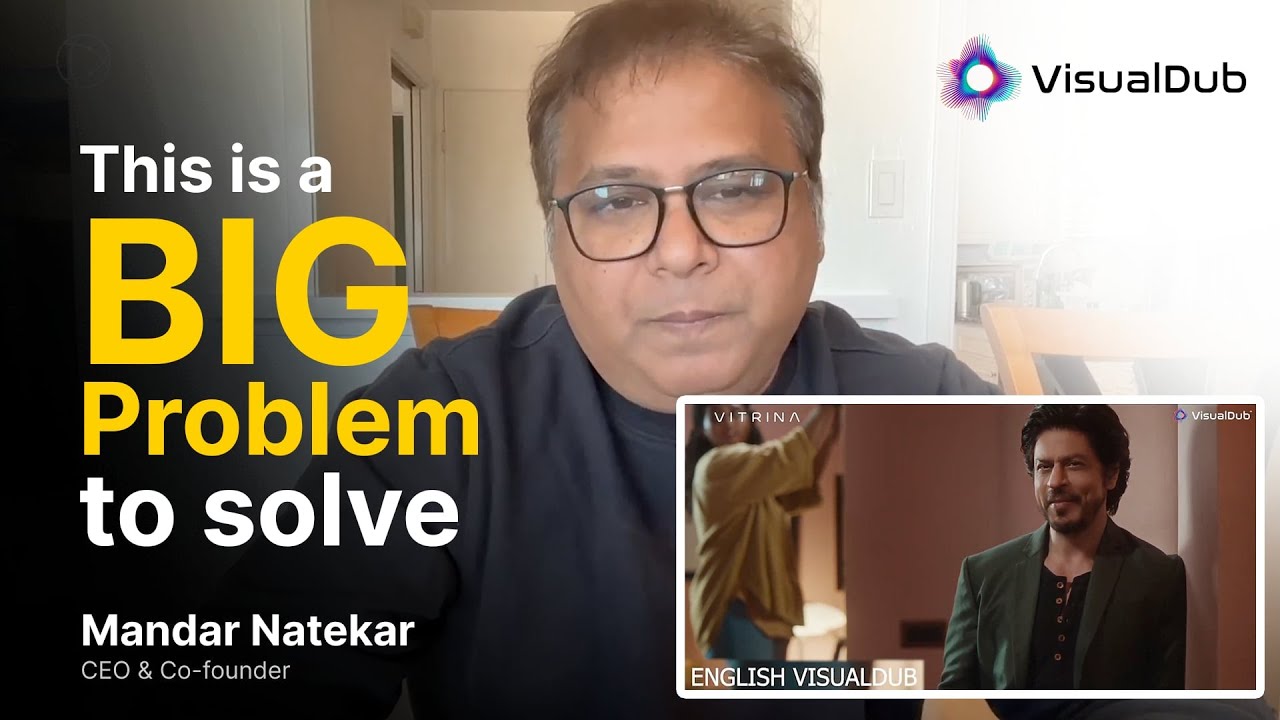
Atul Phadnis sits down with Neural Garage to tackle the pressing localization challenge of “visual discord” in dubbed content, highlighting how AI-driven lip-syncing enhances the immersive viewing experience.
How Do Advanced Audio Workflows Function?
Modern audio workflows are moving toward cloud-native collaboration, as outlined in the MovieLabs 2030 Vision. Technical leads now utilize “snowflake pipelines” where real-time iterations are possible across different time zones. This involves the use of specialized software that tracks metadata from script to final mix.
Professional Workflow Checklist:
- Dialogue Cleanup: Using AI-powered restoration tools to isolate speech from location noise.
- Spotting Sessions: Mapping specific foley and SFX requirements across the timeline.
- Final Deliverables: Ensuring compliance with diverse platform specifications (Netflix, Amazon, Disney).
“The integration of emotional AI into sound design isn’t about replacing the artist; it’s about providing the technical lead with a broader palette to ensure content resonates globally without losing its soul.”
Moving Forward
The role of sound design in post-production is evolving from a technical final step into a strategic pillar of global distribution. This transformation addresses the critical gaps in supply chain visibility and professional resources by providing a data-driven framework for audio excellence.
Whether you are a technical lead looking to optimize vendor selection, or a studio executive trying to enhance platform ARPU, sound intelligence remains the definitive source of truth in a competitive market.
Outlook: Over the next 18 months, the authorized data market will redefine how sound libraries are used for AI training, prioritizing IP protection and creator compensation.
Frequently Asked Questions
What is the difference between sound editing and sound design?
How does AI impact post-production audio?
About the Author
Industry analyst specializing in entertainment supply chain transformation, with over 15 years experience in media tech and post-production workflows. Connect on Vitrina.
Find Film+TV Projects, Partners, and Deals – Fast.
VIQI matches you with the right financiers, producers, streamers, and buyers – globally.
Producers Seeking Financing & Partnerships?
Book Your Free Concierge Outreach Consultation
(To know more about Vitrina Concierge Outreach Solutions click here)
Join Industry Briefings Trusted by Leaders

The Mid-Budget Comeback: Why Mid-Budget Films Is the Smartest Bet in the Room
Mid-budget films are attracting new capital. See why this segment is becoming one of the strongest bets in Film today.
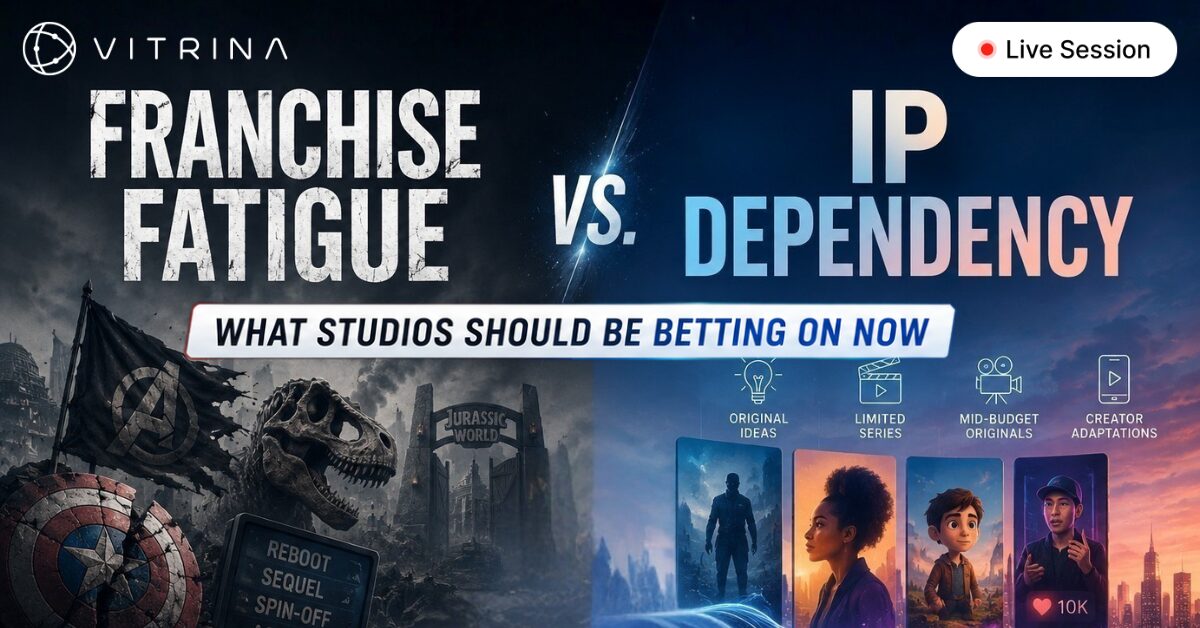
Franchise Fatigue vs. IP Dependency: What Studios Should Be Betting On Now
s franchise performance softens, where will the next generation of valuable IP come from? Join the briefing.
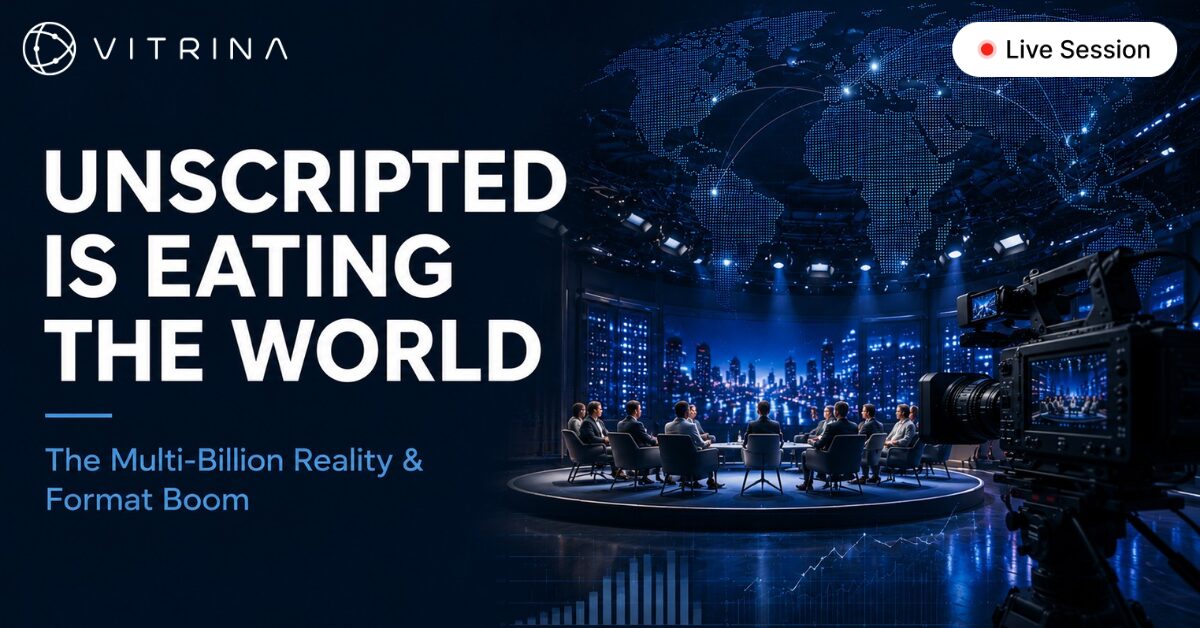
Unscripted Is Eating the World: The Multi-Billion Reality and Format Boom
Unscripted is the new prestige — inside the $19.8B global format boom reshaping how streaming platforms compete.
How Co-Productions and Regional IP Are Reshaping Global Drama
As global drama evolves, which stories travel, which stay local, and how are they getting financed?