How to Find a Sales Agent For Your Film: 7 Proven Steps (2026)

Share
Share
Sales Agent For Your Film

You’ve finished your film. Maybe you’ve got a strong cut, an interested cast, and a gut feeling it can travel. But without a film sales agent, you’re essentially a producer standing outside the world’s most important rooms—watching deals close for other people’s projects.

Here’s the thing: finding the right sales agent isn’t just about your movie being good. Agents are running businesses. They’re thinking about minimum guarantees, territory-by-territory presale potential, and whether your project fits their slate at Cannes or AFM. If you don’t understand what they’re evaluating—and how to get in front of the right ones—you’re pitching blind.

This guide breaks down exactly how to find a film sales agent in 2026: what they actually do, what makes your project attractive to them, and the seven steps that give you the best shot at securing representation—before someone else snaps up your ideal partner at the next market.

Ask VIQI: Which Sales Agents Are Actively Buying My Genre Right Now?

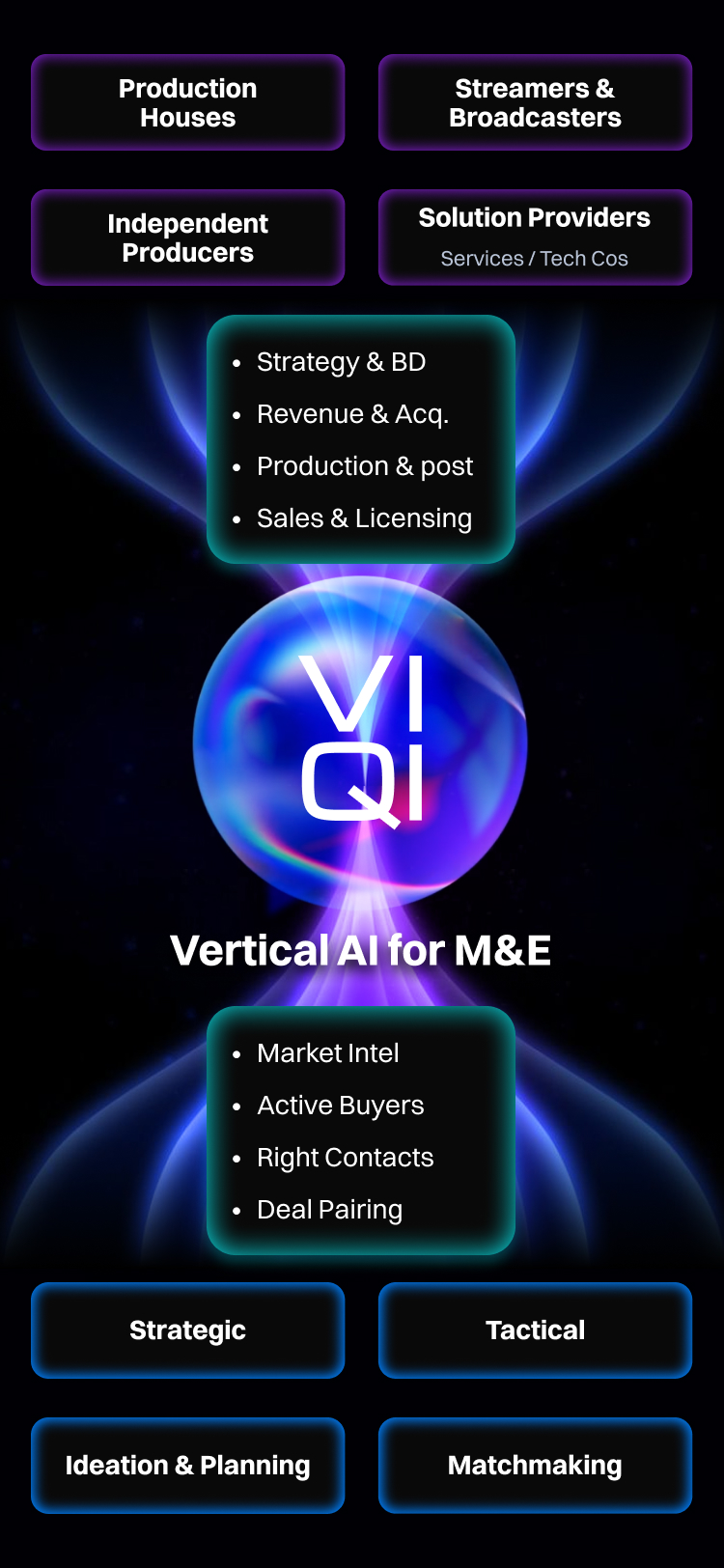
VIQI is Vitrina’s AI assistant—trained on 1.6 million titles, 360,000 companies, and 5 million entertainment professionals. Ask it which agents are acquiring your genre, what territories they cover, and who their key contacts are.

✓ Included with 200 free credits  |  ✓ No credit card needed


Ask VIQI Your Question

What a Film Sales Agent Actually Does (and Doesn’t Do)

A film sales agent—sometimes called an international sales company—licenses your film’s distribution rights territory by territory to local distributors worldwide. They pitch your project at the major film markets: Cannes Marché du Film (May), the American Film Market/AFM (November), EFM Berlin (February), and Toronto. They negotiate minimum guarantees (MGs), close deals, collect payments, and take a 10-15% commission on sales—plus recoup expenses capped at roughly $50,000–$75,000.

But here’s what they don’t do—and this is the part most producers miss. Your sales agent isn’t your financier, your publicist, or your producer. They’re a deal-closer. They create sales estimates by territory, which gap lenders and banks use to advance production loans. A reputable agent’s estimates are what make the difference between a financeable project and one that stalls indefinitely. As independent film financing has grown more complex post-COVID, that credibility has become even more valuable.

Agents compile their slates and send packages to distributors 2–3 weeks before each major market. Buyers evaluate fast—sometimes in hours. If your project lands on the right slate at the right moment, you’re suddenly in the conversation. If it doesn’t, you’re watching from the outside again.

Your AI Assistant, Agent, and Analyst for the Business of Entertainment

VIQI AI helps you plan content acquisitions, raise production financing, and find and connect with the right partners worldwide.

What Agents Actually Look For Before Saying Yes

Phil Hunt, Founder & CEO of Head Gear Films—a company that has financed 550+ films over 25 years and currently processes 35–40 projects per year (more than most studios)—puts it plainly: agents and lenders are primarily looking for “projects that the market really wants.” Not passion projects. Not prestige experiments. Market-ready content with commercial viability.

Phil Hunt explains the current challenge directly in his Vitrina LeaderSpeak discussion on the state of film finance:

Phil Hunt (Founder & CEO, Head Gear Films) on why getting films off the ground—and sold—is harder than ever in 2026:

So what do agents actually evaluate? Four factors dominate every conversation:

1. Cast and Commercial Package

A-list or bankable B-list talent drives premium territory pricing—especially in Germany, France, and Japan. Unknown casts dramatically limit presale potential and, by extension, your ability to unlock production financing. Agents think in territory valuations before they think about story.

2. Genre

Action, thriller, and horror travel. Comedy largely doesn’t—it’s too territory-specific. Drama is cast-dependent. If you’re asking an international sales agent to take on a domestic comedy with no-name talent, you already know the answer before they say it.

3. Producer Track Record

First-time producers face major headwinds. Agents carry reputational risk by attaching to projects—if a film doesn’t deliver, their relationships with distributors suffer. Your credits, your team’s credits, and your completion bond situation all factor in.

4. Budget Level

Most active gap lenders and serious agents work on projects with at least a $2M budget, with many focusing on $5M+. Below that threshold, the economics rarely work for anyone—including the agent taking 10–15% of smaller MGs.

Find Sales Agents Actively Acquiring Your Genre in 48 Hours

Trusted by Netflix, Warner Bros, and Paramount. Join 140,000+ companies tracking the global entertainment supply chain on Vitrina—including verified sales agent slates, deal history, and acquisition mandates.

✓ 200 free credits  |  ✓ No credit card required  |  ✓ Full platform access


Get 200 Free Credits

How to Find a Film Sales Agent: 7 Steps

There’s no shortage of advice on this topic—but most of it is outdated or ignores how the Fragmentation Paradox actively works against independent producers. Over 600,000 companies operate across the global film and TV supply chain, yet most producers pitch the same 5–10 agents they’ve heard of. You’re competing for limited slate slots with incomplete information. Here’s how to de-risk that process.

Step 1: Research Agents Who Work Your Genre and Budget Level

Start with genre alignment. An agent specializing in arthouse drama won’t take on your $3M action thriller—and vice versa. Study recent festival catalogs from Cannes, AFM, and Berlin. Look at who represented films similar to yours in the past 24 months. Understanding film acquisition and distribution patterns in your genre is the fastest way to build a targeted shortlist.

Step 2: Verify Their Active Slate and Financial Health

This is where most producers go wrong. They pitch agents without knowing whether the company is actively acquiring, fully booked, or quietly winding down. But this information isn’t secret—it’s just fragmented across trade publications, festival records, and market deals. According to Variety‘s ongoing market coverage, many mid-tier sales companies have retrenched post-2022 as production financing tightened. A pitch to an agent who isn’t actively building their slate is a wasted relationship.

Step 3: Get Warm Introductions—Not Cold Emails

Cold submissions get ignored. Full stop. Sales agents prioritize projects that arrive through trusted contacts—entertainment attorneys, producers they’ve worked with, co-financing partners. Your job before approaching an agent is to build a one-degree path. Film markets, producer networking events, and platforms like Vitrina that map verified company relationships all accelerate this. A warm introduction from a co-production partner the agent already works with is worth more than the best cover letter you’ll ever write.

Step 4: Time Your Approach to Market Cycles

Agents compile slates for Cannes (packages sent to buyers late March/early April), AFM (packages out by mid-October), and EFM (packages in January). If you want to be on an agent’s Cannes slate, you need to have a deal in place by February at the latest. Timing matters as much as the project itself—miss the window and you’re looking at a six-month wait for the next market cycle.

Step 5: Build Your Package Before You Pitch

Don’t approach an agent with a script and a dream. Arrive with confirmed cast attachments, deal memos, a locked budget, a financing plan showing at least 60% of funds secured, and an early cut if you have one. Richard Linklater’s Hit Man—which ultimately sold to Netflix—had 15 presale contracts locked across Canada, Italy, Poland, Turkey, and the Middle East before going wide. That’s what a market-ready package looks like. You don’t need that level, but you need a story.

Step 6: Pitch Multiple Agents Simultaneously

This isn’t like submitting a manuscript to literary agents where exclusive submissions are expected. Pitch your top 8–12 targets simultaneously. But don’t blast everyone—personalize each pitch to reflect your knowledge of their recent slate. And don’t lead with the film. Lead with the market opportunity and the talent attached. Agents are evaluating ROI potential, not storytelling merit.

Step 7: Use Data to Identify Who’s Actively Seeking Your Content Type

The traditional approach—relying on referrals and market gossip—leaves most producers operating on a 6-month information lag. By the time word reaches you that Agent X is building out their horror slate, they’ve already locked it. Vitrina’s platform maps 140,000+ active companies with verified deal histories, current acquisition mandates, and real-time capacity data—compressing a 3–6 month research process down to days. This is the Insider Advantage that separates producers who get representation from those who keep pitching the same three agents. See Vitrina’s complete guide to finding a sales agent for deeper detail on specific agent categories.

What Goes in Your Sales Agent Pitch Package

Your pitch package isn’t a one-page synopsis. It’s a business case. Every document you submit should answer one question: “Can this project generate a profitable return for a sales agent?”

A complete package includes:

  • Executive summary — Genre, budget, cast, financing status, release strategy (1–2 pages)
  • Completed script or polished treatment
  • Confirmed cast attachments with deal memos or letters of intent (bios and credits attached)
  • Detailed line-item budget with contingency factored in
  • Financing plan showing all secured sources and identifying the gap or remaining need
  • Chain of title documentation — this is non-negotiable; agents won’t proceed without clean IP
  • Trailer or rough cut if available — especially critical post-festival
  • Comparable titles — films with similar cast/genre profiles and their box office/streaming performance

According to Screen International‘s coverage of major market dynamics, the shift toward streaming has made comparable title analysis even more critical—buyers want to see how your project maps against what streamers have already acquired and performed with. Don’t skip this.

Sales Agent Agreements: Key Terms and Red Flags

You’ve got interest. Now comes the agreement—and this is where producers often sign away more than they realize.

Key Terms to Understand

Commission rate: Standard is 10–15% of gross receipts. Push back hard on anything above 15% unless the agent brings exceptional distribution relationships.

Expense cap: Agents charge back marketing and distribution costs against your revenue. These recoupable expenses typically run $50,000–$75,000. Get a hard cap in writing—uncapped expenses have sunk producer returns on otherwise successful sales.

Term length: Most agreements run 7–15 years for each territory licensed. The overall agency agreement itself might run 2–3 years. Understand the difference.

Territory exclusivity: Are there territories the agent won’t cover or can’t realistically sell? Negotiate carve-outs for self-distribution in those markets.

Red Flags

Watch for agents who ask for upfront fees before selling anything—legitimate agents earn on commission, period. And be skeptical of “sales estimates” that look suspiciously optimistic. Lenders use these numbers to advance capital; inflated estimates are how projects get overextended and collapse mid-production. The recoupment waterfall puts gap financing debt above equity—which means inflated presale promises create real downside risk for everyone in the capital stack.

Need Direct Introductions to Sales Agents? We’ll Make Them.

Vitrina Concierge acts as your Virtual Agent. We don’t give you a list—we make warm introductions directly to decision-makers actively seeking your content type.

  • LA producer → Netflix UK, Fifth Season, Fox Entertainment (48 hours)
  • Middle Eastern studio → Legendary Pictures (direct access)
  • Korean animation studio → Netflix Adult Animation (week one)


Explore Concierge Service

Frequently Asked Questions

What does a film sales agent do?

A film sales agent licenses your film’s distribution rights territory by territory to local distributors worldwide. They pitch at major markets like Cannes, AFM, and Berlin, negotiate minimum guarantees, and facilitate bank financing by providing sales estimates. They earn a 10–15% commission on sales and recoup marketing expenses (typically capped at $50,000–$75,000). They’re not producers, financiers, or publicists—they’re deal-closers.

How do I find a film sales agent for my independent film?

Start with genre and budget alignment—identify agents who represent similar films. Get warm introductions through entertainment attorneys, co-producers, or platforms like Vitrina that map verified agent relationships. Approach 8–12 agents simultaneously, time your pitch to market cycles (Cannes, AFM, Berlin), and arrive with a complete package including confirmed cast, budget, and chain of title. Cold submissions rarely convert.

How much does a film sales agent charge?

Standard commission is 10–15% of gross sales revenue. Agents also recoup expenses—typically marketing, festival costs, and delivery fees—against your revenue before you see returns. These recoupable expenses are usually capped at $50,000–$75,000 per project. Get a hard cap in writing. Any agent asking for upfront fees before closing sales is a red flag—legitimate agents earn exclusively on commission.

Do I need a sales agent before or after production?

Both timing windows work—but they serve different purposes. Attaching a sales agent before production unlocks presale contracts that can be used as collateral for bank financing. Approaching after completion or post-festival can command higher MGs because buyers can evaluate the finished film. For most independent producers seeking gap financing, securing a sales agent pre-production is critical—lenders require their sales estimates to advance loans.

What genres are most attractive to film sales agents in 2026?

Action, thriller, and horror remain the strongest genres internationally—they translate without cultural barriers and command premium territory pricing. Drama depends heavily on cast. Comedy is difficult to sell internationally without A-list talent. Phil Hunt of Head Gear Films notes the market is demanding “low-cost, high-concept” projects in commercial genres. English-language films continue to export most effectively, even with dubbing/subtitling factored in.

What’s the difference between a film sales agent and a distributor?

A sales agent licenses rights to distributors in multiple territories—they’re the intermediary between producers and local distributors worldwide. A distributor acquires rights for a specific territory and handles actual release and marketing in that market. Some companies do both. When a sales agent closes a deal, they’re essentially selling to a distributor—who then takes the film to audiences in Germany, France, Japan, or wherever the territory covers.

Can a film sales agent help me get financing for my project?

Yes—indirectly but critically. A sales agent provides territory-by-territory sales estimates that gap lenders and banks use to advance production loans. Banks typically lend 70–90% of the MG value on presale contracts from credible distributors. A reputable sales agent with established relationships accelerates financing because their estimates carry weight. Without a credible agent’s estimates, most gap financing conversations don’t start.

How long does it take to find a film sales agent?

Traditional approaches—cold submissions, market meetings without introductions—can take 6–18 months with no guarantee of success. Producers using verified intelligence platforms to identify the right agents by genre, slate size, and acquisition mandate can compress that to weeks. The key variable isn’t time—it’s whether you arrive at the right agent with the right package at the right moment in their market cycle.

Conclusion: The Right Agent Is Out There—But You Have to Find Them First

Finding a film sales agent in 2026 isn’t about luck or industry connections you were born into. It’s about showing up to the right agent at the right moment with the right package—and having the intelligence to know who that agent is before your competitor does. The Fragmentation Paradox works against producers who rely on static relationships and outdated market knowledge. But it works for producers who weaponize real-time data.

Key Takeaways:

  • Commission and Costs: Agents earn 10–15% commission plus recoupable expenses capped at $50,000–$75,000—get those caps in writing before you sign.
  • What Agents Prioritize: Commercial genre (action/thriller/horror), bankable cast, producer track record, and budget of $2M+ are the four gates you must clear before pitching.
  • Market Timing Is Everything: Cannes slates lock February–March, AFM slates lock October—miss the window and you’re waiting 6 months for the next cycle.
  • Warm Introductions Convert: Cold submissions rarely become deals; a one-degree introduction through an attorney, co-producer, or verified platform relationship dramatically improves your odds.
  • Intelligence Accelerates Everything: Vitrina’s 140,000+ verified companies and real-time deal data compress a 6-month agent search into days—and that window matters when slate spots are finite.

The producers who struggle to get representation keep pitching the same agents everyone else knows about. The ones who close deals fast are working with better information—knowing who’s actively building their slate, which territories they’re prioritizing, and exactly what package they need to see. That’s not luck. That’s infrastructure.

Find Sales Agents Seeking Your Genre—Before They Close Their Slate

Trusted by Netflix, Warner Bros, Paramount, and Google TV. Track 400,000+ projects. Access 3 million verified executives. Ask VIQI which agents are actively acquiring your content type right now.

✓ 200 free credits  |  ✓ No credit card required  |  ✓ Cancel anytime


Get 200 Free Credits

Need direct introductions to sales agents now? Explore Concierge Service →

Find Film+TV Projects, Partners, and Deals – Fast.

VIQI matches you with the right financiers, producers, streamers, and buyers – globally.

Producers Seeking Financing & Partnerships?

Book Your Free Concierge Outreach Consultation

(To know more about Vitrina Concierge Outreach Solutions click here)

Producers Seeking Financing, Co-Pros, or Pre-Buys?

Vitrina Concierge helps producers reach the right financiers, commissioners, distributors, and co-production partners — with precision outreach, not cold pitching.

Real-Time Intelligence for the Global Film & TV Ecosystem

Vitrina helps studios, streamers, vendors, and financiers track projects, deals, people, and partners—worldwide.

  • Spot in-development and in-production projects early
  • Assess companies with verified profiles and past work

  • Track trends in content, co-pros, and licensing
  • Find key execs, dealmakers, and decision-makers

Who’s Using Vitrina — and How

From studios and streamers to distributors and vendors, see how the industry’s smartest teams use Vitrina to stay ahead.

Find Projects. Secure Partners. Pitch Smart.

  • Track early-stage film & TV projects globally
  • Identify co-producers, financiers, and distributors
  • Use People Intel to outreach decision-makers

Target the Right Projects—Before the Market Does!

  • Spot pre- and post-stage productions across 100+ countries

  • Filter by genre and territory to find relevant leads
  • Outreach to producers, post heads, and studio teams

Uncover Earliest Slate Intel for Competition.

  • Monitor competitor slates, deals, and alliances in real time
  • Track who’s developing what, where, and with whom
  • Receive monthly briefings on trends and strategic shifts