About Innovation Hub
 Global Content Pulse (Webinars)


 Global Production Financing
(Webinars)
Global Production Financing
(Webinars)  LeaderSpeak Podcast
  Global Entertainment Digest (Newsletter)
  About Vitrina
 About VIQI
 Our Story
 Our Solutions 🔥
 Film+TV Projects Tracker 🚀
 Case Studies
 Our Profile

Here’s the thing nobody’s saying out loud: the best AI-enabled VFX studios in 2026 aren’t the ones with the biggest name recognition—they’re the ones that have quietly rebuilt their pipelines around machine learning, GPU rendering, and automated workflows that cut shot costs by 40–60% without anyone noticing the difference on screen.
If you’re sourcing VFX partners for a Netflix, Warner Bros, or Paramount slate right now, defaulting to who you used three years ago is a genuinely expensive mistake. The supply chain has shifted. Boutique AI-native studios are delivering Marvel-caliber work. Legacy giants are integrating automated pipelines. And the AI VFX revolution in the global entertainment supply chain means your vendor shortlist from 24 months ago is already outdated.
This guide gives you a clear-eyed, procurement-ready breakdown of the 10 best AI-enabled VFX companies operating worldwide in 2026—mapped by capability, territory, AI pipeline maturity, and the type of production they’re built for. No fluff. Just what you actually need to know before you send out that RFP.
Ask VIQI: Which AI-Enabled VFX Studios Have Capacity for Your Production Right Now?
VIQI is Vitrina’s AI assistant—trained on 1.6 million titles, 360,000+ companies, and 5 million entertainment professionals. Query verified studio capacity, AI pipeline readiness, and current availability in seconds.
✓ Included with 200 free credits | ✓ No credit card needed
Why AI-Enabled VFX Studios Are the Smart Procurement Choice in 2026
The numbers tell the story bluntly. AI-powered denoising alone—pioneered by NVIDIA and now standard across cloud render farms—reduces render times by 60–80% without visible quality loss. AI rotoscoping tools compress frame-by-frame compositing work from days into hours. And studios like MARZ—whose co-founder Matt Panousis discussed on Vitrina’s podcast—have automated cleanup, de-aging, and crowd augmentation at a scale that changes the unit economics of episodic TV entirely.
But there’s a catch. Not all AI pipelines are equal—and for any project headed to a major distributor, authorized AI frameworks with clean chain-of-title on training data are fast becoming a contract delivery requirement. Smart producers are asking vendors about their AI stack before the budget conversation. The studios on this list have all addressed that question.
According to Variety, the convergence of AI tools and VFX production is reshaping how episodic slates are budgeted across streaming platforms. And with the UK’s VFX-specific incentive now at 29.25% (above the standard 25% rebate and with the 80% cap removed), the geography of where you shoot your VFX matters for your capital stack too.

Your AI Assistant, Agent, and Analyst for the Business of Entertainment
VIQI AI helps you plan content acquisitions, raise production financing, and find and connect with the right partners worldwide.
- Find active co-producers and financiers for scripted projects
- Find equity and gap financing companies in North America
- Find top film financiers in Europe
- Find production houses that can co-produce or finance unscripted series
- I am looking for production partners for a YA drama set in Brazil
- I am looking for producers with proven track record in mid-budget features
- I am looking for Turkish distributors with successful international sales
- I am looking for OTT platforms actively acquiring finished series for the LATAM region
- I am seeking localization companies offer subtitling services in multiple Asian languages
- I am seeking partners in animation production for children's content
- I am seeking USA based post-production companies with sound facilities
- I am seeking VFX partners to composite background images and AI generated content
- Show me recent drama projects available for pre-buy
- Show me Japanese Anime Distributors
- Show me true-crime buyers from Asia
- Show me documentary pre-buyers
- List the top commissioners at the BBC
- List the post-production and VFX decision-makers at Netflix
- List the development leaders at Sony Pictures
- List the scripted programming heads at HBO
- Who is backing animation projects in Europe right now
- Who is Netflix’s top production partners for Sports Docs
- Who is Commissioning factual content in the NORDICS
- Who is acquiring unscripted formats for the North American market
The Top 10 AI-Enabled VFX Studios in the World (2026)
1. MARZ — Toronto, Canada
MARZ (Monsters, Aliens, Robots, Zombies) is the most disruptive AI-native VFX studio operating today—and that’s not hyperbole. Founded in Toronto by Matt Panousis and Lon Molnar, MARZ has rebuilt the economics of invisible VFX through two proprietary tools: Vanity AI (automated de-aging and retouching) and LipDub AI (the world’s first fully automated lip-sync technology, producing lip movements in under 20 minutes per shot).
Vanity AI was deployed on Peacock’s Dr. Death for de-aging sequences. It’s been used on dozens of productions since. Over 25% of MARZ’s team is focused on R&D, machine learning, and AI—a ratio that looks more like a technology company than a post-production service studio. You can learn more about MARZ’s innovations in automated VFX on Vitrina.
Best for: Episodic TV with high shot counts and tight schedules, de-aging sequences, AI-enabled pipeline efficiency, streaming drama at Netflix/Disney+/Marvel scale.
2. Industrial Light & Magic (ILM) — San Francisco, USA
ILM remains the gold standard for photorealistic CG characters and large-scale environments. But the legacy advantage in 2026 isn’t their credit list—it’s their headfirst integration of AI into a pipeline that already runs at tentpole scale. Their StageCraft virtual production system has set the benchmark for LED volume environments, used on The Mandalorian and Andor, while ML-driven tools are now embedded across their compositing and simulation workflows.
Best for: Tentpole theatrical and streaming features requiring photorealistic characters, complex simulations, and creature work at the highest production tier.
3. Framestore — London, UK & Global
Framestore has been quietly rebuilding its episodic pipeline around AI tools—and Creative Director John Kilshaw has spoken openly about how this is reshaping delivery timelines for premium streaming productions. They’ve delivered VFX on Netflix’s One Piece and Avatar: The Last Airbender. AI rotoscoping now handles isolation tasks that previously required days of frame-by-frame manual work. Under the UK’s 29.25% VFX-specific incentive, Framestore’s London base makes them a capital-efficient choice for European and US co-productions.
Best for: Premium streaming episodic drama, complex creature and environment work, UK-based incentive-stacked productions.
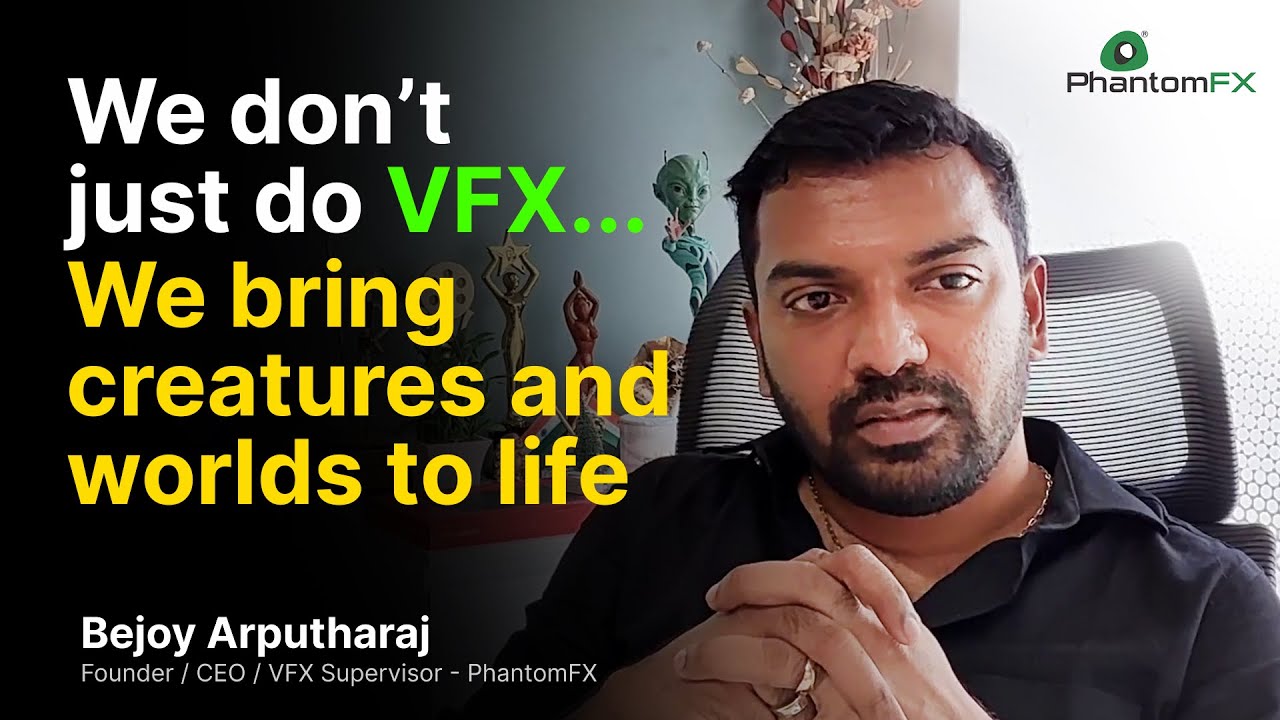
Bejoy Arputharaj, Founder & CEO of PhantomFX, discusses how AI-driven innovation is shaping the future of visual effects for Hollywood and Netflix in this Vitrina LeaderSpeak episode:
4. DNEG — London, UK & Global
DNEG operates at genuine global scale—offices across London, Los Angeles, Mumbai, Vancouver, and beyond—and has been integrating AI tools across compositing, rendering, and simulation for the past three years. Their work on the Dune franchise and Oppenheimer demonstrates they can handle the full complexity of A-level theatrical VFX. Their DNEG AI lab is specifically focused on generative AI workflows applied to production contexts, not just R&D demos.
Best for: Large VFX packages on theatrical features and premium streaming, multi-territory productions that need global studio infrastructure.
Find Verified AI-Enabled VFX Studios With Current Capacity
Trusted by Netflix, Warner Bros, and Paramount. Vitrina tracks 140,000+ companies globally—with verified AI pipeline data, hero project histories, and real-time availability for VFX procurement decisions.
✓ 200 free credits | ✓ No credit card required | ✓ Full platform access
5. Weta FX — Wellington, New Zealand
If your production needs epic simulation—oceans, armies, planetary destruction—Weta FX is still the call. Their Manuka rendering system and purpose-built simulation tools remain industry-defining. Post the Unity acquisition, Weta FX has been aggressively pushing AI-driven rendering optimization into the pipeline. Their track record spans Avatar: The Way of Water and the Lord of the Rings trilogy—but their 2026 value proposition is about AI-compressed timelines on large-scale environmental VFX.
Best for: Epic-scale simulation, photorealistic fluid and environmental effects, large theatrical features where rendering volume is the primary challenge.
6. PhantomFX — India & Global
PhantomFX, led by founder Bejoy Arputharaj, is the clearest example of an Asian VFX studio that’s moved well beyond cost-arbitrage positioning. They deliver CGI mastery and AI-driven workflows for Hollywood projects, Netflix originals, and regional prestige content—at a price point that makes Western equivalents look hard to justify. India’s competitive incentive environment, combined with PhantomFX’s genuine AI pipeline investment, makes them one of the highest-ROI vendors on this list for mid-to-large episodic budgets.
Best for: Hollywood and streaming CGI work, high-quality output at competitive pricing, AI-assisted creature and environment delivery.
7. Scanline VFX — Munich & Vancouver (Sony Pictures Imageworks)
Scanline VFX—now under Sony Pictures Imageworks—built its reputation on fluid and destruction simulation, but the 2026 story is about how their AI-assisted rendering has compressed production timelines on tentpole work. Credits include Game of Thrones, Avengers: Endgame, and Black Adam. Their Flowline fluid simulation system is integrated with AI-driven optimization layers that reduce render bottlenecks on large water and fire simulations significantly.
Best for: Fluid dynamics, large-scale destruction effects, high-volume episodic VFX packages under Sony production umbrella relationships.
8. Rodeo FX — Montreal, Canada
Rodeo FX has won two consecutive Academy Awards for Dune: Part One and Dune: Part Two—and that’s not a coincidence, it’s a capability signal. Their recent acquisition of a full animation pipeline via Mikros has expanded them into the most formidable full-service visual content company in Canada. Their AI integration focuses on environment generation and texture work—the kind of invisible VFX that separates a good-looking show from a great-looking one.
Best for: Tentpole features requiring premium environment and creature work, full-service visual content from VFX through animation, Canadian incentive-stacked productions.
9. Outpost VFX — Bournemouth, UK
Outpost VFX, led by CEO Duncan McWilliam, has made a deliberate bet on real-time and Unreal Engine workflows—ahead of the curve compared to larger studios still running legacy render pipelines. Productions that want to integrate game-engine visual pipelines into VFX delivery (increasingly common as streaming platforms experiment with interactive experiences) will find Outpost genuinely differentiated. Credits include His Dark Materials, Foundation, and Peaky Blinders. As part of the UK’s enhanced VFX incentive zone, they’re also a strong capital-efficient choice for European co-productions.
Best for: Premium streaming drama, UK episodic productions, real-time/Unreal Engine VFX pipelines, productions requiring interactive-compatible visual delivery.
10. Dexter Studios — Seoul, South Korea
Dexter Studios is South Korea’s creature and environment powerhouse—and the global success of K-Drama has given them a testing ground that’s accelerated their AI integration faster than most Western boutiques. Their “all-in-one” post-production capabilities mean they can handle VFX, grading, and delivery in a single pipeline. As reported by The Hollywood Reporter, Korean VFX studios have become a genuine first-call option for Netflix K-originals and regional streaming content requiring high-end production values. Over 60% of high-budget Korean productions now use in-house virtual production stages.
Best for: K-Drama and regional streaming content, creature design and complex environment work, productions targeting the APAC market with global quality standards.
How to Choose the Right AI-Enabled VFX Studio for Your Production
The Fragmentation Paradox is real here. There are 140,000+ active entertainment suppliers globally tracked on Vitrina—and a typical producer knows 5 to 10 VFX vendors. That blind spot costs you, project after project, in inflated budgets and missed creative options. Closing that intelligence gap is where real procurement advantage lives in 2026.
Here’s how to evaluate AI-enabled VFX partners with precision:
- Authorized AI pipeline: Ask specifically whether their AI tools use licensed training data. Major distributors are building this into delivery contracts. If they can’t answer the question clearly, that’s your answer.
- 12-month delivery references: Reputation is history. Capacity is what matters right now. Confirm current pipeline load, not just the credits list.
- Jurisdiction incentive alignment: Your VFX vendor’s location directly affects your capital stack. UK at 29.25%, Canada’s provincial stacking, India’s competitive rates—know the numbers before you shortlist.
- Specialization match: A studio that’s exceptional at creature work is not the right call for invisible cleanup VFX at volume. Match capability to your actual shot breakdown, not their general portfolio.
- Shot category economics: Understand which shot categories benefit most from AI automation (cleanup, roto, crowd augmentation) and ask vendors for specific AI-driven cost reductions on those categories.
You can also explore Vitrina’s guide to AI-enabled VFX studios and our breakdown of top VFX companies in Hollywood for additional procurement context by territory.
Need the Right VFX Partner Fast? We’ll Connect You Directly.
Vitrina Concierge doesn’t give you a list—it makes warm introductions directly to verified AI-enabled VFX studios that match your production type, budget, and timeline.
- LA producer → Netflix UK, Fifth Season, Fox Entertainment (48 hours)
- VFX-heavy series → verified AI-pipeline studios matched to your shot breakdown (week one)
- Global co-production → incentive-optimized vendor shortlist with direct contact access
The Bottom Line on AI-Enabled VFX Studios in 2026
The executives who close the best VFX mandates in 2026 aren’t the ones with the most famous contacts. They’re the ones who’ve done the market intelligence work—who know which studios have AI pipeline capacity, which jurisdictions changed their rebate structures, and which boutiques are delivering tier-one quality at a fraction of legacy pricing. That intelligence gap is closeable. And closing it is exactly where Vitrina adds the most value in your procurement cycle.
The studios on this list—from MARZ’s AI-native approach in Toronto to Dexter Studios’ creature mastery in Seoul—represent the current frontier of AI-enabled VFX. But the landscape moves fast. A studio that’s at capacity this quarter may be your best option next quarter. Verified, real-time intelligence is the only way to stay ahead of it.
Key takeaways for VFX procurement in 2026:
- AI pipelines are production-ready: Studios using authorized AI workflows are delivering 40–60% cost reductions on specific shot categories—not in the future, right now.
- Authorized AI is a delivery requirement: Major distributors are building AI chain-of-title into contracts. Ask vendors about their AI licensing stack before finalizing deals.
- Jurisdiction incentives change the math: UK at 29.25%, Canada’s provincial stacking, and India’s competitive rates should be part of every VFX budget conversation—not an afterthought.
- Specialization beats reputation: Match studio capability to your actual shot breakdown. The biggest name isn’t always the right fit for your specific production type.
- Fragmentation creates intelligence advantage: Most producers know 5–10 VFX vendors. Vitrina tracks 140,000+. The gap between what you know and what’s available is where savings—and creative options—live.
Frequently Asked Questions About AI-Enabled VFX Studios
What is an AI-enabled VFX studio?
An AI-enabled VFX studio is a visual effects company that has integrated machine learning and artificial intelligence tools into its production pipeline—typically for tasks like rotoscoping, compositing, de-aging, crowd augmentation, rendering optimization, and digital doubles. The distinction matters because AI-enabled studios deliver comparable quality output at significantly compressed timelines and lower per-shot costs than traditional manual pipelines.
Which AI-enabled VFX studio is best for episodic TV in 2026?
For episodic TV with high shot counts and compressed schedules, MARZ is the standout AI-native choice in 2026. Their Vanity AI and LipDub AI tools were purpose-built for exactly the scenario most streaming producers face—maximum quality expectations, minimum time, and tighter budgets. More than 25% of MARZ’s team focuses on R&D and machine learning, which translates directly into faster, more cost-efficient episodic VFX delivery.
How much do AI-enabled VFX studios reduce costs compared to traditional pipelines?
Cost reductions vary by shot category, but the data from leading studios is significant. AI-powered denoising reduces render times by 60–80%. MARZ’s AI de-aging pipeline reduced per-shot costs by a reported 60% on specific sequences. AI rotoscoping compresses isolation tasks from days to hours. The aggregate impact on episodic budgets—particularly for shows with 400+ VFX shots—can be substantial when the right AI-native studio is matched to the right shot categories.
What is authorized AI in VFX and why does it matter?
Authorized AI refers to AI tools that use properly licensed training data—with verified chain-of-title on the IP used to train the models. For productions going to major distributors, this distinction is increasingly critical. Unauthorized AI frameworks create IP liability that can block distribution or void completion bonds. In 2026, smart producers are asking VFX vendors about their AI stack before the budget conversation, and major streaming platforms are beginning to build AI chain-of-title requirements into delivery contracts.
Which country has the best incentives for AI-enabled VFX production in 2026?
The UK currently leads with a VFX-specific incentive rate of 29.25%—above the standard 25% production rebate—with the 80% cap on qualifying VFX expenditures removed. This benefits studios like Framestore, DNEG, and Outpost VFX operating within the UK. Canada remains competitive through provincial incentive stacking in British Columbia, Ontario, and Quebec. India offers cost-competitive rates with growing AI VFX capability through studios like PhantomFX. The right jurisdiction depends on your specific production’s budget structure and where your VFX delivery partner operates.
How can I find verified AI-enabled VFX studios with current capacity?
Vitrina tracks 140,000+ companies globally—including verified AI-enabled VFX studios with hero project histories, capability data, and direct contact access. VIQI, Vitrina’s AI assistant trained on 1.6 million titles and 360,000+ companies, can surface verified studio capacity, pipeline readiness, and current availability in seconds. You can start with 200 free credits and no credit card required at app.vitrina.ai.
What’s the difference between MARZ and traditional VFX studios?
MARZ is AI-native—built around automation from the ground up, rather than retrofitting AI tools onto a traditional manual pipeline. Their Vanity AI handles de-aging and retouching automatically, and LipDub AI produces lip-sync movements in under 20 minutes per shot. Traditional studios apply AI to specific workflow steps; MARZ has rebuilt the unit economics of invisible VFX categories entirely. This makes them particularly valuable for high shot-count episodic productions where the per-shot cost differential compounds significantly across a full season.
Source Verified AI-Enabled VFX Studios Before Your Competitors Do
Trusted by Netflix, Warner Bros, Paramount, and Google TV. Track 400,000+ projects. Access 3 million verified executives. Turn a 6-month VFX vendor search into a decision made in days.
✓ 200 free credits | ✓ No credit card required | ✓ Cancel anytime
Find Film+TV Projects, Partners, and Deals – Fast.
VIQI matches you with the right financiers, producers, streamers, and buyers – globally.
Producers Seeking Financing & Partnerships?
Book Your Free Concierge Outreach Consultation
(To know more about Vitrina Concierge Outreach Solutions click here)
Join Industry Briefings Trusted by Leaders
The Mid-Budget Comeback: Why Mid-Budget Films Is the Smartest Bet in the Room
Mid-budget films are attracting new capital. See why this segment is becoming one of the strongest bets in Film today.
Franchise Fatigue vs. IP Dependency: What Studios Should Be Betting On Now
s franchise performance softens, where will the next generation of valuable IP come from? Join the briefing.
Unscripted Is Eating the World: The Multi-Billion Reality and Format Boom
Unscripted is the new prestige — inside the $19.8B global format boom reshaping how streaming platforms compete.
How Co-Productions and Regional IP Are Reshaping Global Drama
As global drama evolves, which stories travel, which stay local, and how are they getting financed?