The deal that launched a thousand think-pieces—Sony’s $457 million acquisition of the Peanuts IP—wasn’t just an anomaly. It was a signal. Literary IP licensing for film and TV has structurally shifted over the past five years, and the executives still operating on pre-streaming assumptions are losing deals before the conversation gets serious.
Here’s the thing: the changes aren’t cosmetic. You’re not just dealing with higher option fees and tighter timelines, though both are true. The fundamental architecture of literary IP licensing for film and TV—who has leverage, what rights are actually in play, how platforms structure global versus territorial deals, and what estate holders now demand as standard boilerplate—has been remade by streaming, by social media audience validation, and by AI’s arrival into every rights negotiation in the industry.
This article maps those changes with specificity. Not a history lesson—you don’t need one. A working guide to how the literary IP licensing market actually functions in 2026, for producers, development executives, and rights-holders who need to close deals, not just understand them in theory.
In This Article
- The BookTok Effect: Social Proof as IP Valuation Signal
- Global Rights vs. Territory-by-Territory: The Streaming Tension
- What Literary Estates Are Demanding in 2026
- Authorized AIâ„¢ Clauses: The New Non-Negotiable
- Where Literary IP Sits in the Capital Stack
- The Option Mechanic in 2026: Fees, Terms & Creative Control
- Feature vs. Series: The Format Decision Has Changed
- Finding Co-Production Partners for Literary Adaptations
- Frequently Asked Questions
Track Literary IP Deals Before They Hit the Trades
Ask VIQI which literary properties are in active development, which estates are seeking adaptation partners, and which production companies have the verified track record to bring premium literary IP to screen.
140,000+ companies tracked globally. Netflix, Warner Bros, Paramount and major literary estates active on the platform.
The BookTok Effect: Social Proof as IP Valuation Signal
Five years ago, a book’s adaptation potential was evaluated primarily on its commercial performance in traditional publishing channels—bestseller lists, awards recognition, film rights sales history, and a producer’s read of the story’s inherent visual potential. That framework isn’t dead. But it’s no longer the only one that matters—and in competitive acquisitions, it’s increasingly the secondary one.
BookTok has generated more than 140 billion views on TikTok’s #BookTok hashtag. But the number that’s actually changed acquisition behavior isn’t the total view count—it’s the speed at which a title can move from obscure to backlisted in a single week and the measurability of that demand before a development conversation begins. You can now walk into a literary rights negotiation with verified audience data. Not projected data. Actual engagement, geographic distribution, and demographic profiles of an existing fanbase—weeks before anyone in Hollywood has optioned the book.

What does that mean in practice? It means rights holders are increasingly sophisticated about the value they’re sitting on. An author or estate that watched a backlist title suddenly accumulate 80 million TikTok views is not going to accept a first-time option offer built on pre-social-media fee structures. They know what they have. Their agents know what they have. And the competitive tension around socially validated literary IP has escalated option fees accordingly—particularly in young adult, romantasy, and literary thriller genres where BookTok has the densest, most commercially predictive audience.
But—and this is the part most acquisition executives miss—social validation cuts both ways. A book with a passionate and opinionated BookTok fanbase doesn’t just bring audience awareness to a potential adaptation. It brings an active community that will scrutinize every casting decision, every creative departure from the source text, and every trailer in real time. That scrutiny has tangible commercial consequences. The rights deals that sophisticated acquirers are structuring in 2026 account for this: creative consultation provisions, casting communication rights, and adaptation fidelity frameworks that would have seemed paranoid in 2018 are now standard deal points on socially activated literary IP. Our deeper analysis of how BookTok and Webtoons are reshaping book-to-screen rights in 2026 covers the full acquisition landscape across these emerging formats.
Global Rights vs. Territory-by-Territory: The Streaming Tension
The most consequential structural change in literary IP licensing for film and TV over the past decade was also the most obvious: streaming platforms want worldwide rights. All of them. Netflix, Prime Video, Apple TV+, and Disney+ built their subscriber models on global content delivery—and a series licensed territory-by-territory creates patchwork availability that undermines that model entirely.
But here’s what’s changed since the peak of the streaming land-grab era: the all-rights-or-nothing posture has softened. Not disappeared—but meaningfully softened. Why? Because the capital-intensive rights grabs of 2019–2022 produced a library of optioned literary properties that many platforms never developed, while simultaneously pricing independent producers and co-production structures out of the market for premium literary IP.
The smarter estates and literary agents noticed. And they’ve responded with a more structured approach to rights licensing that many platforms—under increasing pressure to justify content spend against subscriber growth—are now willing to engage with. The territorial licensing approach that dominated the pre-streaming era is making a selective comeback for premium literary IP, particularly when:
- The IP has strong pre-existing audiences in specific territories that would benefit from local adaptation or co-production
- The estate is negotiating from a position of genuine competitive interest from multiple bidders across different platforms and geographies
- The rights-holder wants to retain control over specific media formats—audiobook rights, stage adaptation rights, interactive rights—that global platform deals have historically absorbed as boilerplate
- The project’s capital stack genuinely benefits from co-production treaty structures that require territorial rights separation
The practical implication for your acquisition strategy: if you’re approaching premium literary IP on behalf of a global platform, don’t assume the all-rights conversation closes as quickly as it did in 2021. Build time for a rights architecture discussion into your development timeline. And if you’re a producer packaging literary IP for a platform deal, understand how IP rights drive film and TV deals across different deal structures before you lock in your platform pitch.
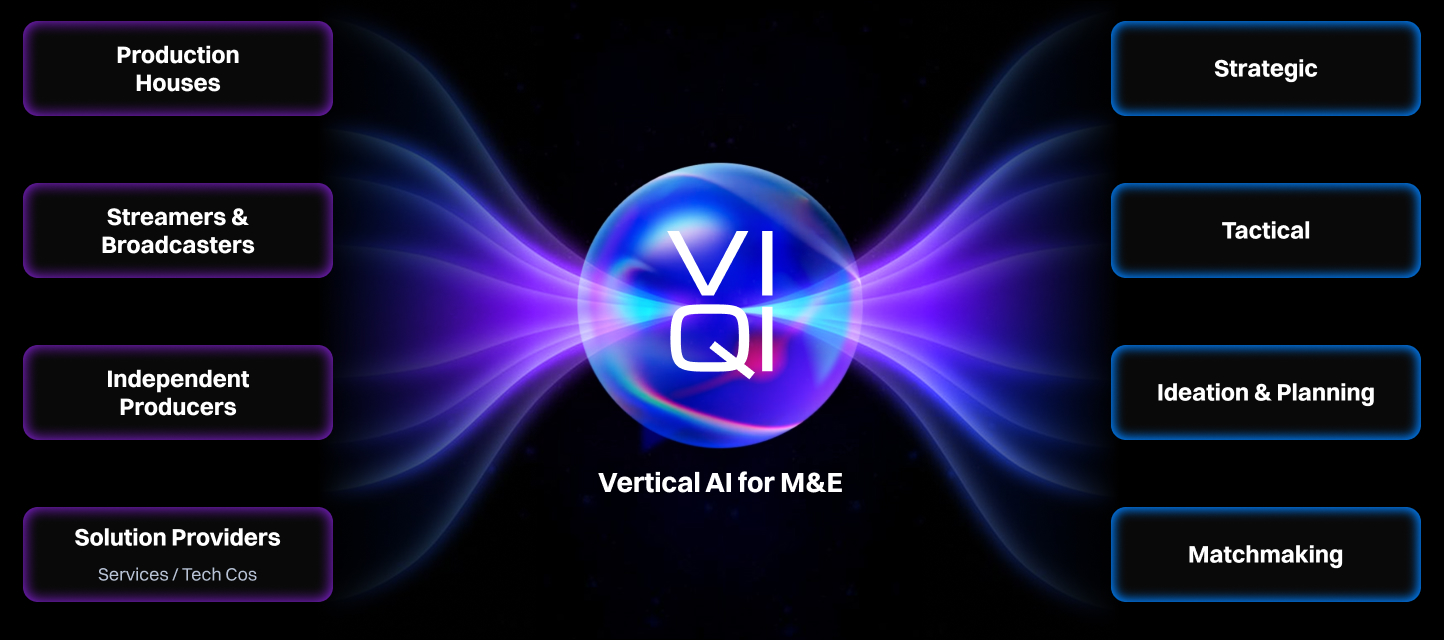
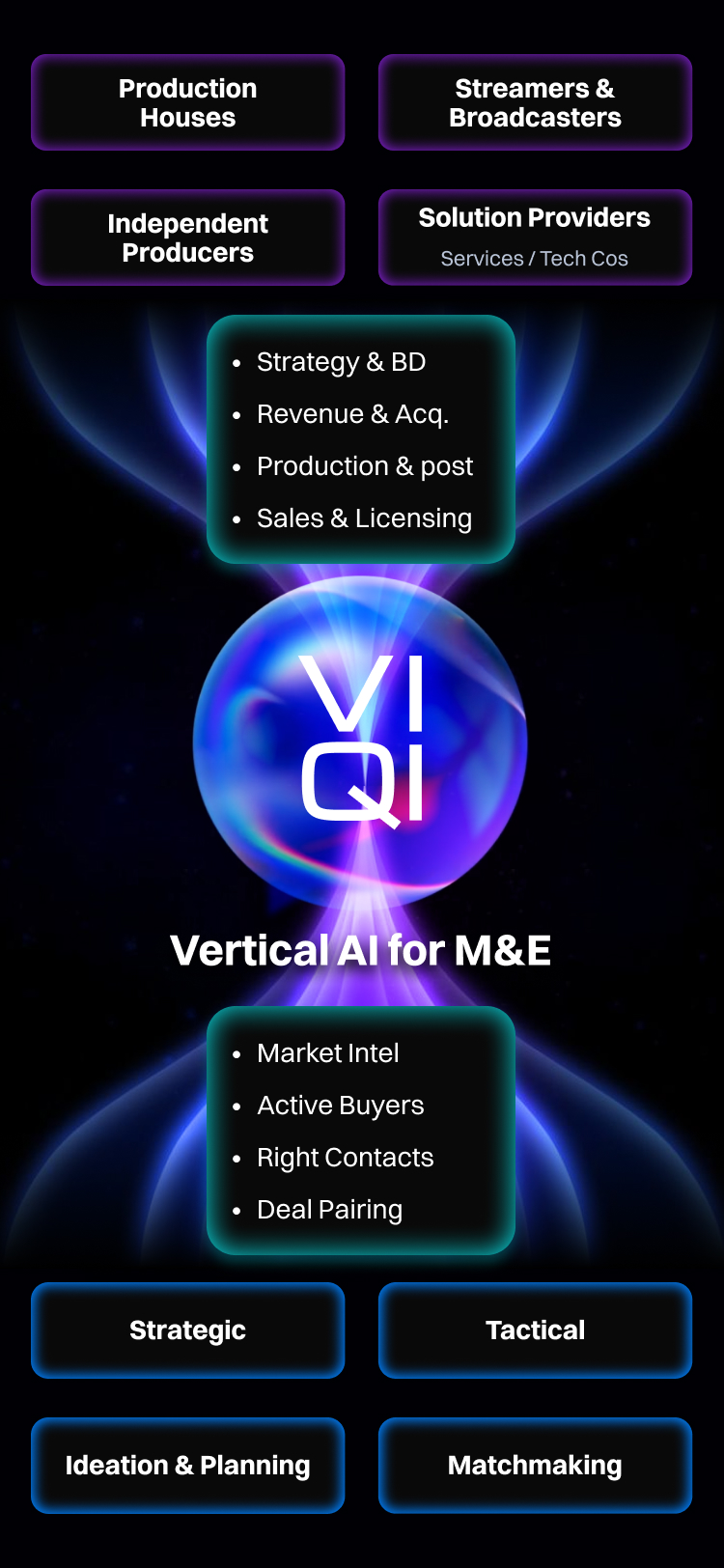
Your AI Assistant, Agent, and Analyst for the Business of Entertainment
VIQI AI helps you plan content acquisitions, raise production financing, and find and connect with the right partners worldwide.
- Find active co-producers and financiers for scripted projects
- Find equity and gap financing companies in North America
- Find top film financiers in Europe
- Find production houses that can co-produce or finance unscripted series
- I am looking for production partners for a YA drama set in Brazil
- I am looking for producers with proven track record in mid-budget features
- I am looking for Turkish distributors with successful international sales
- I am looking for OTT platforms actively acquiring finished series for the LATAM region
- I am seeking localization companies offer subtitling services in multiple Asian languages
- I am seeking partners in animation production for children's content
- I am seeking USA based post-production companies with sound facilities
- I am seeking VFX partners to composite background images and AI generated content
- Show me recent drama projects available for pre-buy
- Show me Japanese Anime Distributors
- Show me true-crime buyers from Asia
- Show me documentary pre-buyers
- List the top commissioners at the BBC
- List the post-production and VFX decision-makers at Netflix
- List the development leaders at Sony Pictures
- List the scripted programming heads at HBO
- Who is backing animation projects in Europe right now
- Who is Netflix’s top production partners for Sports Docs
- Who is Commissioning factual content in the NORDICS
- Who is acquiring unscripted formats for the North American market
What Literary Estates Are Demanding in 2026
The Peanuts deal is instructive not because the number is remarkable—though $457 million for Snoopy and Charlie Brown is remarkable—but because of what the structure signals about how established literary estates now approach licensing. The deal wasn’t simply a rights sale. It was a licensing framework that preserved the estate’s approval rights over brand deployment, adaptation quality, and character integrity across every media format the IP touches.
That’s the template. And it’s cascading down from iconic estates to mid-tier literary properties faster than most development executives anticipated.
What does it look like in practice for a standard literary estate licensing a novel catalog for screen adaptation in 2026? There are five provisions that have moved from “nice-to-have negotiating position” to “non-starter if absent” in deals handled by sophisticated literary representation:
1. Creative approval on key adaptation decisions. Not full script approval—that remains operationally unworkable and most experienced estate representatives know it. But a formal consultation right on showrunner selection, casting of lead characters, significant departures from the source text’s narrative spine, and title/branding decisions is now standard. The mechanism matters: it needs to be a binding consultation right with a defined response window, not a courtesy notification.
2. Sequel and series continuation rights with reversion triggers. Estates that watched their IP generate multi-season television franchises without a contractual right to the continuation revenue learned hard lessons. The 2026 standard is a tiered participation structure: defined royalty on each continuation season, a reversion right triggered if production lapses for a specified period, and a matching right on any sale or license of the adaptation rights to a third party.
3. Explicit AI training rights carve-outs. We’ll discuss Authorized AIâ„¢ in detail in the next section—but at the estate level, this has become a deal-point on par with backend participation. No sophisticated literary estate is signing a blanket rights agreement in 2026 without explicit language on what the licensee can and cannot do with the underlying text in the context of AI model training.
4. Accounting transparency and audit rights. Backend participation is only valuable if the recoupment calculations are auditable. Estates are increasingly requiring defined accounting standards and periodic audit rights as conditions of licensing—particularly for streaming deals where the traditional box office revenue trail is replaced by platform-internal performance metrics that historically favored platform interests in recoupment calculations.
5. Reversion windows on undeveloped options. The era when a studio could sit on an optioned literary property for five years without development activity while preventing the author from exploring other deals is effectively over for any estate with negotiating leverage. The current market standard is an 18–24 month option with a single renewal right, and automatic reversion if no greenlight or series order is achieved within the combined option period. There’s an iconic literary estate actively seeking a major strategic partner for a 30-novel adaptation slate right now on Vitrina—which illustrates exactly how estates are approaching multi-property packaging in 2026.
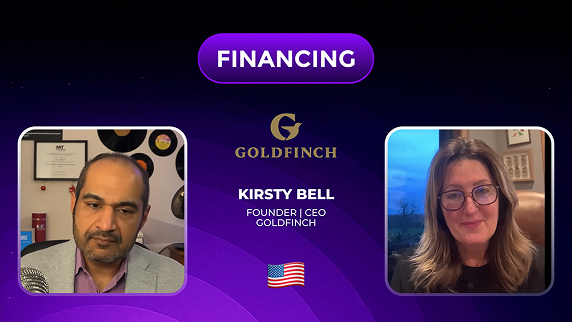
Kirsty Bell, founder and CEO of Goldfinch, discusses how independent producers are building sustainable financing models for literary adaptations—bridging art and enterprise through diverse revenue streams and creative capital structures in emerging and established markets:
Kirsty Bell, Founder & CEO, Goldfinch — “Goldfinch’s Strategy for Financial Sustainability in Independent Filmmaking” (Vitrina LeaderSpeak)
Map the Literary IP Adaptation Pipeline in Real Time
Vitrina tracks which literary properties are in active development, which estates are seeking partners, and which production companies have verified track records in premium literary adaptations—globally.
200 free credits to start — no credit card required. Join 140,000+ companies using Vitrina to source and track IP deals.
Authorized AIâ„¢ Clauses: The New Non-Negotiable in Every Deal
Let’s be direct about this: AI training rights are now a core negotiating point in every significant literary IP licensing transaction. Not a fringe concern for technologists. Not a theoretical future issue. A concrete, immediate deal-point that sophisticated literary agents—and a growing number of authors directly—are raising at the option stage, before they’ve agreed to anything else.
Here’s why it’s arrived so suddenly. Disney’s $1 billion partnership with OpenAI—which included explicit content licensing for AI model training—established a market signal that literary estates and author representatives couldn’t ignore. If a studio of Disney’s scale was paying $1 billion for authorized access to creative IP for AI training purposes, what does that imply about the value that was being silently extracted through the unaddressed AI training provisions—or absence of provisions—in standard literary licensing agreements?
The answer is: potentially a great deal. And no estate with professional representation is going to let that value transfer happen without negotiation.
What does Authorized AI™ mean in the context of literary IP licensing specifically? It refers to any use of the licensed literary property—the text, the characters, the narrative frameworks—in training, fine-tuning, or evaluating AI models. The key distinction is between: (a) AI tools used in production to streamline script development, casting, or post-production—generally permissible under standard production rights; and (b) using the underlying literary text itself as training data for generalist or domain-specific AI models—which requires explicit, separately compensated authorization.
In 2026, the Authorized AIâ„¢ provisions that sophisticated parties are insisting on include four elements: an explicit prohibition on unauthorized use of the licensed text for AI training purposes; a separate negotiated license for any authorized AI training use with defined compensation; an audit right to verify compliance; and a claw-back mechanism if unauthorized AI use is discovered during the license term. Get this wrong in the boilerplate and you’ll be renegotiating it expensively when the issue surfaces—which, in 2026, it will. Our analysis of how Disney’s $1B OpenAI deal is reshaping the authorized data market in Hollywood provides the full strategic context.
Where Literary IP Sits in the Capital Stack
Most conversations about literary IP licensing focus on the rights acquisition side—option fees, purchase prices, creative provisions. But the conversation that actually determines whether a literary adaptation gets made is about the capital stack. And the way literary IP assets function within a production’s financing structure has shifted meaningfully.
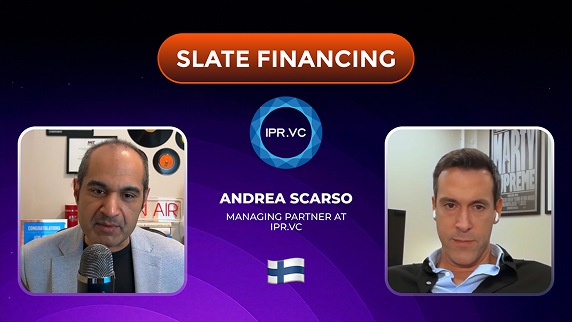
Andrea Scarso, Managing Partner at IPR VC, frames the core dynamic precisely: “When you hit a successful IP, the upside can be greater than the overall risk you’re taking on a portfolio.” That’s the equity investor’s logic applied to literary IP—and it explains why equity capital has become more interested in literary adaptation projects specifically, as opposed to original content, in the current financing environment.
“The challenge in the industry right now is not on deal flow—it’s on the quality of investing, it’s on how you structure the investment.
— Andrea Scarso, Managing Partner, IPR VC
Why does literary IP de-risk a production’s equity story specifically? Three reasons. First, validated commercial demand—a bestselling or socially activated literary property comes with an existing audience whose engagement has been measured, not projected. Second, franchise optionality—a multi-book series or expansive literary universe creates sequel and spinoff potential that makes the equity investment look more like franchise development than single-project exposure. Third, recoupment visibility—literary adaptations that succeed at scale tend to generate the kind of long-tail royalty revenue streams that, as Scarso notes, provide returns across a library of assets that collectively form a durable investment thesis.
In practical capital stack terms, a premium literary adaptation in 2026 typically layers: a platform pre-buy or commission commitment as the anchor (covering 35–50% of budget at series level); equity investment from specialist content funds or family offices at 20–30%; tax incentives from production territories at 15–25% (particularly relevant for UK, Ireland, Germany, and the major MENA incentive programs); and gap or senior debt against pre-sales or territory value to close the remaining 10–20%. Literary IP’s verifiable commercial history strengthens every tier of that stack—because it gives the gap lender a cleaner collateral position and gives the equity investor a more defensible upside case. Understanding the full architecture of book adaptations in the entertainment industry is foundational before you structure a financing conversation.
The Option Mechanic in 2026: Fees, Terms & Creative Control
Option fees for literary IP have bifurcated sharply. Mid-tier literary properties—solid commercial fiction, debut novels with good reviews but limited breakout, non-fiction narratives without high-profile subject names—still option in a range broadly consistent with historical norms: $15,000–$75,000 for a 12–18 month initial option, with a purchase price at exercise typically structured at 2–3% of the final production budget. But the premium end has moved significantly.
BookTok-activated bestsellers, established literary series with franchise potential, and prestige literary fiction with awards pedigree that streaming platforms can use as subscriber acquisition tools—these are being optioned at fees that reflect the competitive dynamics of multiple bidders. Option fees in the $150,000–$500,000 range are not uncommon for top-tier literary IP in 2026. Purchase prices at 3–5% of budget, plus a backend participation structure on net profits, have become standard expectations at the premium end.
But here’s what’s changed most meaningfully about the option mechanic—and it’s not the fees. It’s the exercise triggers and reversion conditions. The classic Hollywood option structure gave the optionee maximum flexibility: pay a relatively modest annual fee, renew indefinitely, and let the property sit in development while other projects moved ahead. That structure doesn’t survive contact with a literary agent representing a commercially activated author in 2026.
The current market standard includes hard reversion triggers tied to development milestones—typically requiring a series order, a greenlight commitment, or a named platform attachment within the combined option period—rather than just continued payment of option fees. And option periods themselves have compressed: 18 months for the initial window, with a single 12-month renewal right, has largely replaced the rolling annual renewals that could stretch for years without meaningful development progress.
What does that mean operationally? If you’re optioning premium literary IP in 2026, you need a realistic development plan that can achieve a platform attachment or series order within 30 months—or you risk returning the IP to market just as your development investment reaches its most valuable point. That compression rewards producers with established platform relationships and punishes speculative optioning. Our complete breakdown of how book rights work in film and TV adaptations covers the full mechanics of option and purchase agreements.
Feature vs. Series: The Format Decision Has Changed
Five years ago, the default format decision for most literary adaptations was relatively straightforward. Complex, multi-generational narratives went to limited series. Fast-paced thrillers and contained stories with strong visual set-pieces went to features. The streaming era scrambled that logic significantly—and 2026 has introduced a third variable that neither side of the old debate fully accounts for: the platform’s subscriber acquisition priority in the moment you’re pitching.
Netflix, Prime Video, and Apple TV+ each have very different content strategy postures right now. Netflix’s content investment, running at approximately $17 billion annually, skews toward series that can drive subscription growth in international markets—which means literary IP with global recognition or translatable cultural appeal gets green-lit faster than domestically specific prestige literary fiction, regardless of that fiction’s critical standing. Prime Video has increasingly favored spectacle-scale adaptations with franchise potential—the Lord of the Rings logic—which means single-novel contained stories face a harder pitch than literary universes. Apple TV+ retains the prestige literary mandate most clearly, but at a production volume that means actual greenlight rates remain low relative to the quality of projects in their pipeline.
And theatrical? It isn’t dead for literary IP—A24’s consistent record of converting prestige literary fiction into commercially successful theatrical features demonstrates that—but the financing model is genuinely harder. Phil Hunt of Head Gear Films is blunt about the current reality: the market has become “much, much harder in terms of getting movies off the ground and getting movies sold.” For literary adaptations targeting theatrical release, the capital stack requires more pieces to be in place before a greenlight conversation is credible, and the pre-sales that once anchored theatrical literary adaptations have compressed in value.
The practical recommendation: don’t treat the format decision as a creative choice made in isolation. Map it to the specific platform pitch you’re building, and understand that platform’s current content priority matrix before you set the literary IP’s format in your development plan. Our complete guide to buying film and TV rights in 2026 covers the platform-by-platform acquisition landscape in detail.
Connect with Literary Adaptation Specialists in 48 Hours
Vitrina’s Concierge team connects acquisition executives and producers with verified production companies experienced in literary IP adaptation, rights attorneys specializing in estate negotiations, and platform contacts across Netflix, Prime Video, and Apple TV+.
No commitment required. Used by Netflix, Warner Bros, and Paramount sourcing teams.
Finding Co-Production Partners for Literary Adaptations
Let’s talk about the part of the literary IP licensing process that gets the least attention in deal-structure conversations—and arguably creates the most friction in getting a project actually made. Finding the right production partner for a literary adaptation isn’t just a creative question. It’s an operational and financial one. And the Fragmentation Paradoxâ„¢ hits literary adaptations in a specific and costly way.
With 600,000+ active companies in the global film and TV supply chain, and 140,000+ actively producing content, the production partner landscape for literary adaptations is vast—and almost entirely opaque to anyone operating outside a small circle of established festival and market relationships. You know five or ten production companies who do premium literary adaptations at the budget range you’re targeting. The market has hundreds. And the company best-suited to your specific literary property—by genre expertise, by platform relationships, by co-production treaty positioning, by current capacity—may not be one your network has surfaced.
That information asymmetry costs real money. It extends deal timelines by months. It concentrates risk in a small set of known relationships rather than optimizing across the actual market. And it produces the sub-optimal partner matches that contribute to literary adaptations stalling in development long after the option has been exercised and capital committed.
The smarter acquisition teams are solving this with real-time supply chain intelligence rather than festival networking. Vitrina’s platform maps production companies by verified capability—including hero project history in literary adaptation specifically—current availability, and active platform relationships. That means you’re not choosing a partner from the 0.1% of the market your existing network knows. You’re accessing a verified picture of who can actually deliver your specific literary project, at your budget, with your platform target, on your timeline. That’s what the data-driven approach to licensing negotiation in 2026 looks like when it’s applied to partner sourcing rather than just deal terms.
Frequently Asked Questions
How much does it cost to option literary IP for film or TV adaptation in 2026?
Option fees have bifurcated significantly. Mid-tier literary IP—commercial fiction without high-profile social validation—still options in the $15,000 to $75,000 range for an 18-month initial window, with a purchase price at exercise of 2–3% of the final production budget. BookTok-activated bestsellers, established literary series with franchise potential, and prestige literary properties competing against multiple bidders command option fees from $150,000 to $500,000 or more, with purchase prices at 3–5% of budget and additional backend participation provisions. Option periods have compressed to 18 months with a single renewal right, compared to the rolling annual renewals that were historically standard.
What’s changed about how streaming platforms acquire literary IP rights?
The all-rights-or-nothing posture that streaming platforms maintained at their peak expansion phase has softened in 2026. Under pressure to justify content spend against subscriber growth, platforms are more willing to engage territorial rights discussions—particularly when estates have genuine competitive interest from multiple bidders. However, the core platform preference for worldwide rights remains. Sophisticated acquirers are now building rights architecture discussions into their development timelines from the outset, rather than assuming global rights close quickly as they did in 2020–2022.
Why are AI training rights now a deal point in literary IP licensing?
Disney’s $1 billion partnership with OpenAI established a market signal that sophisticated literary agents and estate representatives couldn’t ignore: if studios are paying for authorized access to creative IP for AI training, literary text has value in that context. Authorized AIâ„¢ provisions in 2026 include an explicit prohibition on unauthorized use of licensed text for AI training, separate compensation for any authorized training use, audit rights, and claw-back mechanisms for non-compliance. Any literary IP licensing agreement that doesn’t address this specifically is leaving value on the table for the rights holder and creating liability exposure for the licensee.
How does BookTok affect literary IP valuation and deal terms?
BookTok—which has accumulated over 140 billion views on TikTok’s #BookTok hashtag—provides measurable, real-time audience validation data that rights holders and their agents use to establish valuation before the adaptation conversation begins. The result is that BookTok-activated literary IP commands premium option fees and more protective deal terms, because the rights holder has verifiable proof of commercial demand. Additionally, socially activated literary IP now standardly includes creative consultation provisions, casting communication rights, and adaptation fidelity frameworks, because the fanbase that social media built will scrutinize every adaptation decision publicly and with commercial consequences.
What does a typical capital stack look like for a literary adaptation in 2026?
A premium literary adaptation in 2026 typically layers a platform pre-buy or commission commitment as the anchor at 35–50% of budget, equity investment from specialist content funds or family offices at 20–30%, tax incentives from production territories at 15–25%, and gap or senior debt against pre-sales or territory value to close the remaining 10–20%. Literary IP’s verifiable commercial history—whether from publishing performance, social validation, or franchise history—strengthens every tier of that stack by giving equity investors a more defensible upside case and gap lenders a cleaner collateral position.
What creative provisions do literary estates now require as standard in 2026?
Literary estates with professional representation now require as standard: a binding creative consultation right on showrunner selection, lead casting, and significant narrative departures (with defined response windows); a tiered sequel and series continuation participation structure with reversion triggers; explicit AI training rights carve-outs; transparent accounting standards with periodic audit rights on backend participation; and hard reversion windows of 18–24 months plus one renewal if no greenlight or series order is achieved. These provisions have moved from negotiating positions to non-starters if absent, particularly for estates represented by major literary agencies.
How do I find production partners with verified experience in literary adaptations?
Vitrina’s platform maps production companies by verified capability and hero project history, including companies with specific track records in literary adaptation across genre, budget range, and platform. For acquisition executives and producers sourcing a literary adaptation partner, Vitrina surfaces qualified companies filtered by adaptation experience, current availability, and platform relationships—without relying on festival-circuit referrals or existing network connections. The Fragmentation Paradox in literary adaptation is real: the market has hundreds of qualified producers, but most acquisition teams know fewer than ten. Vitrina compresses that search from months to days.
Key Takeaways: The 2026 Literary IP Licensing Playbook
The literary IP licensing market in 2026 rewards executives who understand structural change—not just deal mechanics. Social media has created a new valuation layer. Streaming has complicated the rights architecture. AI has introduced a non-negotiable new deal point. And estates have learned, from watching others’ negotiations, exactly what they should be demanding.
- BookTok and social media validation have permanently changed IP valuation— rights holders with measurable engaged audiences will not accept pre-streaming option fee structures. Build your valuation model around verified audience data, and plan for creative consultation provisions as standard on socially activated literary IP.
- The all-rights-or-nothing streaming posture has softened— but territorial rights discussions require time you need to build into your development timeline from the outset, particularly for IP with genuine multi-platform competitive interest.
- Authorized AIâ„¢ provisions are non-negotiable in 2026— any literary IP deal that doesn’t explicitly address AI training rights is creating liability exposure for the licensee and leaving value unrealized for the rights holder. Address it at the option stage, not the exercise stage.
- Literary IP de-risks the capital stack in measurable ways— use verified commercial performance and franchise optionality to strengthen your equity pitch, your gap lending position, and your platform pre-buy conversation simultaneously.
- Option period compression demands a credible development plan— 30 months to platform attachment or series order is the realistic window for premium literary IP. If your development process can’t deliver that, reconsider the option before you commit to the fee.
- The Fragmentation Paradox applies to production partner sourcing— don’t let your network limit you to 0.1% of the market when verified intelligence on hundreds of qualified literary adaptation producers is accessible. The right partner for your specific project may not be the one you already know.
Track Literary IP Deals and Find Verified Production Partners
Join 140,000+ companies using Vitrina to map literary adaptation pipelines, verify production partner capability, and surface IP opportunities before they’re announced.