10 Best Platforms for Independent Film Distribution 2026

Share
Share
independent film distribution platforms

The pre-sale model is dying. Revenue windows that once funded indie films from development through theatrical have collapsed—and the independent film distribution platforms that replaced them are rewriting every rule you knew about getting your film seen. What worked in 2019 doesn’t just need updating. It needs replacing.

Here’s the uncomfortable truth: “getting distributed” in 2026 means something fundamentally different from what it did five years ago. The festival-to-theatrical-to-DVD waterfall? Gone. The minimum guarantee from a traditional distributor? Increasingly rare for films outside the $5M+ budget range. What’s replaced it is a fragmented landscape of more than a dozen viable distribution models—each with different economics, different audience reach, and different recoupment timelines.

But that fragmentation is also your opportunity. If you understand which platforms are actively acquiring, what they’re paying, and how to position your film correctly for each one, you can build a strategy that actually maximizes returns. We’ve mapped the seven best platforms for independent film distribution in 2026—with honest breakdowns of what each delivers, who they’re right for, and what you need to know before you sign anything.

Why Indie Distribution Has Fundamentally Changed in 2026

The collapse of traditional revenue windows didn’t just change how films make money. It changed who holds the power. As Phil Hunt, founder and CEO of Head Gear Films, explains in a Vitrina LeaderSpeak episode on independent film finance: the industry’s shift away from pre-sales reflects a structural collapse of the waterfall model. Digital disrupted the sequence. Streaming removed the theatrical premium. And now producers are navigating a landscape where more content competes for fewer acquisition dollars than at any point in the past decade.

But here’s what that shift actually created: a proliferation of indie film distribution platforms willing to acquire content at vastly different price points. FAST channels need volume. AVOD platforms need catalog depth. Curated streamers need prestige. TVOD needs discoverability. Understanding which bucket your film belongs in—and which platforms are actively buying in that bucket right now—is the single biggest determinant of whether your distribution deal generates meaningful recoupment or disappears into a catalog nobody watches.

The platforms below represent the full spectrum of viable options in 2026. And as our deep dive into independent film distribution challenges and opportunities shows, choosing the right platform isn’t just about access. It’s about recoupment strategy.

Ask VIQI: Which Distribution Platforms Are Actively Acquiring My Genre?

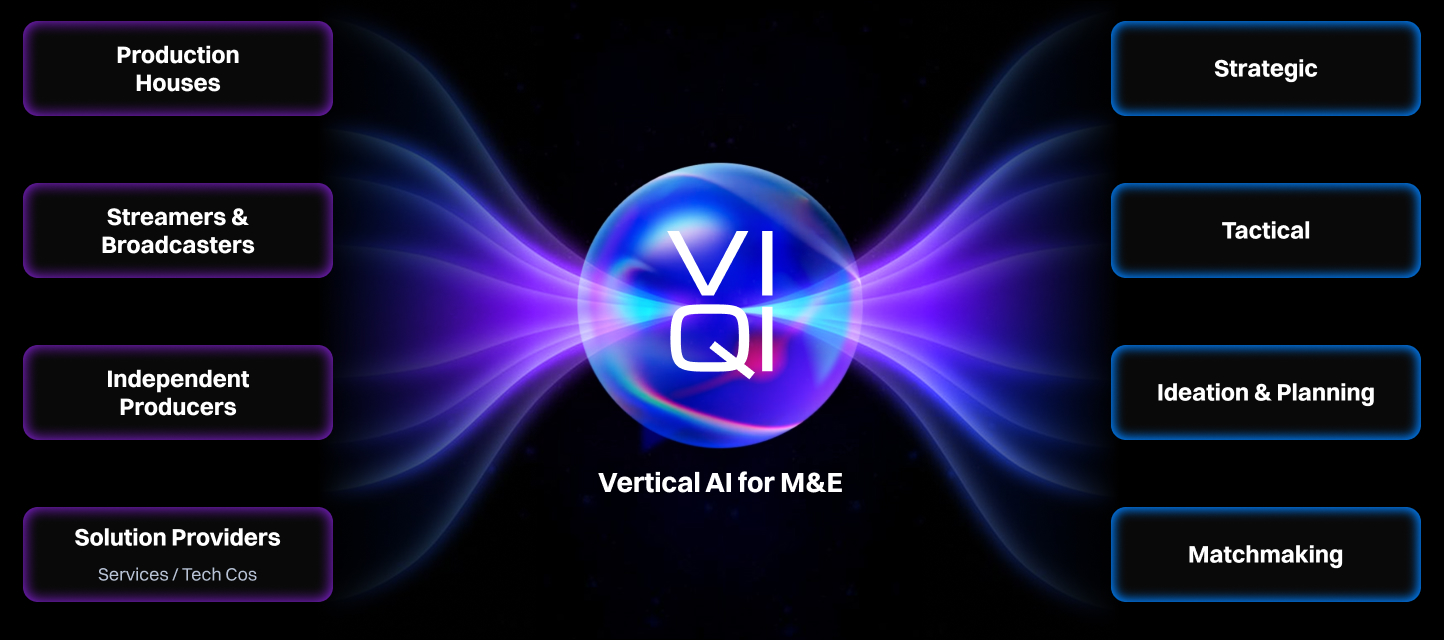
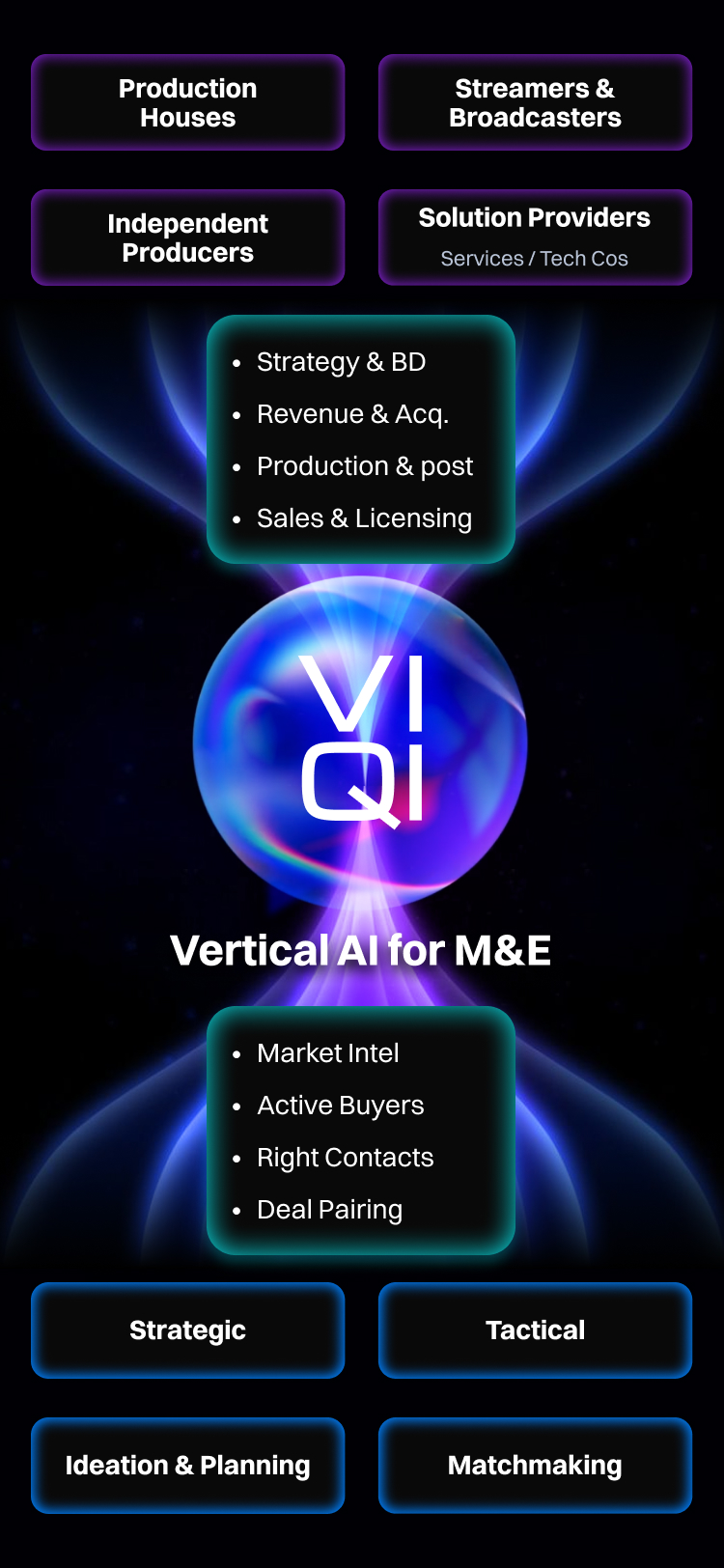
VIQI is Vitrina’s AI assistant—trained on 1.6 million titles, 360,000 companies, and 5 million entertainment professionals. Ask it which platforms are buying films like yours, right now.

✓ Included with 200 free credits  |  ✓ No credit card needed

Ask VIQI Your Distribution Question

Netflix, Amazon Prime Video, and Apple TV+ (The SVOD Majors)

Let’s be direct: Netflix, Amazon, and Apple TV+ don’t have open submission portals for independent films. They acquire through sales agents, through film markets like Cannes, AFM, and Berlin, and through festival acquisitions—typically after significant buzz has already been generated. If your film hasn’t secured representation from a credible sales agent, you’re not getting in front of SVOD buyers directly. That’s not a gatekeeping problem; it’s a market reality.

That said, these platforms still represent the highest-value distribution outcome for qualifying indie films. Netflix’s appetite for low-cost, high-concept genre content—action, thriller, horror—has increased as the platform leans into international acquisition slates. Apple TV+ continues to acquire prestige documentaries and narrative features with awards positioning. And Amazon’s multi-channel film distribution approach includes both festival acquisitions and its accessible Prime Video Direct program.

The key to de-risking this route: you need verified intelligence on what each platform is actively acquiring before your film is complete and ready to submit. By the time a deal is announced in the trades, the conversation started six weeks earlier. That’s the data deficit that costs producers deals they should have won.

Your AI Assistant, Agent, and Analyst for the Business of Entertainment

VIQI AI helps you plan content acquisitions, raise production financing, and find and connect with the right partners worldwide.

Tubi and the FAST Channel Opportunity

FAST—Free Ad-Supported Television—is the fastest-growing independent film distribution segment in 2026. And Tubi is its most important player for indie filmmakers. With more than 70 million monthly active viewers across the United States and growing international markets, Tubi represents genuine scale—and genuine acquisition appetite—for catalog and new indie acquisitions that genre-focused SVOD platforms won’t touch.

What’s the catch? FAST doesn’t pay minimum guarantees. Revenue comes through ad revenue sharing—typically a CPM-based arrangement that rewards reach and watch time, not upfront checks. For films with strong genre appeal and repeat-viewing potential, this can generate meaningful long-term recoupment. For art-house films with niche audiences? It’s a harder case. Be honest with yourself about which category your film falls into before you commit your SVOD rights.

Pluto TV (Paramount), Amazon Freevee, and Peacock’s ad-supported tier operate on similar models. As reported by Deadline, FAST channel revenue in the United States grew significantly year-over-year through 2024 and 2025 as cord-cutting accelerated and advertisers shifted budgets toward streaming inventory. The opportunity is real—but it’s a volume-and-patience game, not a windfall.

MUBI — The Curated Indie Cinema Platform

MUBI is different. It’s not just a distribution platform; it’s a curatorial statement about which films matter. Getting your film on MUBI signals artistic credibility in a way that appearing on a FAST channel simply doesn’t. And that signal carries weight—with acquisition executives, festival programmers, and critics who’ll influence your next project’s trajectory.

MUBI is investing heavily in that position. As reported by Deadline, Sequoia Capital led a $100 million investment in MUBI that valued the platform at $1 billion—a clear signal of how seriously institutional money is taking curated indie streaming as a long-term category. That capital is being deployed into acquisitions, originals, and theatrical day-and-date releases.

For qualifying films, MUBI offers both acquisition deals and licensing arrangements—with particularly strong positioning for non-English language films, documentaries with festival pedigree, and features with critical recognition at Cannes, Berlin, Sundance, or TIFF. Don’t expect the audience scale of Tubi. But do expect a highly engaged subscriber base that actually watches what they stream. The honest limitation: MUBI is selective by design. Submissions happen through sales agents and festival relationships, not direct filmmaker applications.

Amazon Prime Video Direct — The Self-Submission Option

Amazon Prime Video Direct is the most accessible entry point into a major SVOD platform for independent filmmakers. You can submit your film without a sales agent or distributor—and once approved, it becomes available to Prime Video subscribers globally. For first-time filmmakers without established distribution relationships, it’s the closest thing to a genuine open door that the major platforms offer.

The economics are transparent: you earn royalties based on hours of customer engagement, paid monthly. Rates vary by territory and fluctuate based on the Prime Video rights pool. It’s not going to recoup a $2 million budget. But for low-budget indie films with strong genre hooks, it provides legitimate global SVOD presence that can drive awareness for subsequent sales and festival opportunities.

A few things to know before you commit. First, submitting to Prime Video Direct locks up your SVOD rights for that territory. Second, discoverability is a real challenge—Amazon’s catalog is enormous, and films that don’t appear in algorithmic recommendations vanish quickly. Smart producers use Prime Video Direct as part of a multi-platform strategy, not as a standalone plan. And if you’re weighing your options, this comparison of film distribution services for independent filmmakers breaks down the economics across each major option.

Phil Hunt (Founder & CEO, Head Gear Films) discusses why revenue windows have collapsed and what it means for indie producers navigating distribution in 2026—essential context before you commit to any platform strategy:

Track Distribution Deals Before They Hit the Trades

Trusted by Netflix, Warner Bros, and Paramount. Join 140,000+ companies tracking the global entertainment supply chain on Vitrina.

✓ 200 free credits  |  ✓ No credit card required  |  ✓ Full platform access

Get 200 Free Credits

FilmHub — The Aggregator Marketplace

FilmHub occupies a unique position in the indie distribution ecosystem. It’s an aggregator marketplace that connects films to more than 100 streaming channels and platforms in a single deal. Submit once. Distribute everywhere the platform supports. For producers without existing distribution relationships or sales agent representation, it removes a significant amount of friction from the multi-platform approach.

The appeal is obvious. One submission process. One rights negotiation. Ongoing revenue tracking from a single dashboard. And FilmHub’s platform relationships span AVOD, FAST, SVOD, and TVOD channels—so you’re not locked into a single distribution model when you sign. But the economics work best for films that can generate aggregate revenue across many smaller channels rather than a single high-value deal on one major platform.

FilmHub takes a revenue share from all deals it facilitates—typically in the 20-25% range—in exchange for platform access and ongoing management. For filmmakers weighing the cost-benefit analysis, the time savings often justify the commission. Especially if your alternative is spending six months knocking on doors that may not open. That said, FilmHub won’t replace a dedicated sales agent for films with genuine festival heat. It’s best positioned as a solution for catalog releases and films that need broad reach rather than targeted premium placement.

TVOD Digital Retail: iTunes, Google Play, and Vudu

Transactional Video on Demand—where viewers pay per rental or purchase—is the oldest digital distribution model, and it’s still relevant in 2026. iTunes (Apple TV), Google Play, and Vudu collectively represent a meaningful revenue window for indie films, particularly in the 90-day period between theatrical release (if applicable) and SVOD availability. It’s not a growth market. But for the right film, it’s a real one.

You don’t pitch these stores directly—you access them through a distributor or aggregator who handles encoding, delivery, and reporting. Standard revenue share is typically 70% to the filmmaker after platform fees. That sounds generous until you factor in that without marketing spend and discoverability infrastructure, most TVOD titles generate minimal organic sales. The store won’t do the work of finding your audience. That’s your job.

Where TVOD genuinely delivers: films coming out of major festivals with strong press coverage, genre films with dedicated fan communities, and films with talent attachments that drive active audience search. For everyone else, it’s a box to check in your multi-platform strategy—not a primary revenue source. And it’s most effective when coordinated with a broader digital distribution plan for independent studios that sequences windows intentionally.

Direct-to-Fan Platforms: Vimeo OTT and Seed&Spark

Vimeo OTT and Seed&Spark represent a fundamentally different distribution philosophy: cut out the middleman and sell directly to your audience. Vimeo OTT lets you build your own branded streaming channel with subscription or TVOD pricing. Seed&Spark combines crowdfunding with distribution—building audience before your film is even completed, which is the smartest capital-efficient approach when it works.

The economics are compelling on paper. You keep a significantly higher revenue share than any traditional platform deal. There’s no MG you’re working against. And every sale goes directly to you rather than through layers of recoupment waterfall. But the model demands something most producers don’t fully account for: an audience-building infrastructure that starts well before release—ideally before production wraps.

Direct-to-fan distribution works when you have direct-to-fan relationships. If you’ve built a following through a prior film’s fanbase, social media communities, or a dedicated subject area with passionate advocates, these platforms can generate real recoupment. If you’re starting from zero, it’s a distribution strategy in search of an audience. Be realistic about which side of that line you’re on before you invest resources in this model.

Find Distribution Partners Actively Buying Your Genre — Now

Vitrina Concierge makes warm introductions directly to decision-makers who are already looking for content like yours. Not cold emails. Not databases. Real access.

  • LA producer → Netflix UK, Fifth Season, Fox Entertainment (48 hours)
  • Korean animation studio → Netflix Adult Animation (week one)
  • Middle Eastern studio → Legendary Pictures (direct access)

Explore Concierge Service

How to Find the Right Distribution Partner Faster

Here’s where most indie producers lose weeks—sometimes months—they don’t have. You know which platforms you want to approach. But knowing which distributors are actively acquiring your genre right now, which sales agents have live relationships with your target platforms, and which deals are closing before they hit the trades? That’s the intelligence gap that costs producers deals they should have won.

This is the Fragmentation Paradox in action. There are more than 140,000 active film and TV companies in the global ecosystem—including hundreds of sales agents, distributors, and platform acquisitions executives making deals right now. But most producers operate from a network of 10-15 known contacts and intelligence that’s months out of date. That’s not a strategy. That’s guesswork dressed up in industry terminology.

Vitrina changes that math. With real-time intelligence on 400,000+ active projects, verified company capabilities, and direct access to 3 million+ entertainment executives, you can identify which distributors are actively acquiring your type of content—before you’re in the room. Sales agents who’ve recently closed deals at your target platforms. Acquisitions executives whose deal history matches your film’s profile. Distribution companies with active appetite in your exact genre and budget range.

And when direct introductions matter—not just data—Vitrina Concierge makes the warm connection. We helped a LA-based producer connect with Netflix UK, Fifth Season, and Fox Entertainment within 48 hours. Not through cold outreach. Through verified intelligence on who was actively acquiring, followed by a direct introduction to the decision-maker. That’s what de-risking distribution actually looks like.

FAQ: Independent Film Distribution Platforms

What are the best independent film distribution platforms for first-time filmmakers?

For first-time filmmakers without sales agent representation, Amazon Prime Video Direct and FilmHub offer the most accessible entry points. Prime Video Direct allows direct self-submission with transparent royalty economics, while FilmHub distributes your film to more than 100 platforms in a single deal. FAST channels like Tubi are also worth exploring for genre content. As your festival credits and industry relationships grow, SVOD majors like Netflix and Apple TV+ become realistic targets.

Do I need a sales agent to get my indie film onto Netflix or Apple TV+?

Yes—practically speaking. Netflix and Apple TV+ don’t operate open submission portals for indie films. They acquire through established sales agents at film markets like Cannes, AFM, and Berlin, and through festival acquisition deals. Without sales agent representation, you’re unlikely to get your film in front of their acquisitions teams. Amazon is the exception: its Prime Video Direct program allows self-submission without representation, though algorithm-driven discoverability remains a real challenge.

How do FAST channels like Tubi pay independent filmmakers?

FAST channels (Free Ad-Supported Television) pay through ad revenue sharing, not minimum guarantees. The revenue model is typically CPM-based—you earn a share of the advertising revenue generated by viewers watching your film. Payment depends on total viewing hours and advertiser demand, which varies by genre, season, and platform. For genre films with strong replay value and broad audience appeal, FAST can deliver meaningful long-term recoupment. For niche art-house films, it’s usually a lower-priority window.

What’s the difference between AVOD and SVOD for indie film distribution?

SVOD (Subscription Video on Demand) platforms—like Netflix, Amazon Prime Video, and Apple TV+—charge viewers a monthly subscription fee. Filmmakers typically receive a one-time license fee or acquisition payment. AVOD (Ad-Supported Video on Demand) platforms—like Tubi and Pluto TV—are free to viewers, with revenue coming from advertising. Filmmakers earn through revenue sharing based on viewing hours. SVOD generally delivers higher upfront value; AVOD delivers lower upfront income but potentially longer-tail revenue from sustained viewership.

Is Amazon Prime Video Direct worth it for independent films in 2026?

Amazon Prime Video Direct can be a valuable part of a multi-platform distribution strategy, particularly for low-budget genre films seeking global SVOD presence without sales agent representation. The royalty rates are transparent, access is free, and global reach is genuine. But don’t expect it to single-handedly recoup your production budget—discoverability in Amazon’s enormous catalog is a real obstacle. It’s most effective when paired with targeted marketing, a strong genre hook, and a platform strategy that sequences distribution windows intentionally.

How do I find out which distributors are actively acquiring films like mine right now?

This is exactly the intelligence gap that costs most indie producers the most time. Real-time acquisition intelligence—which companies are actively buying, at what budget levels, in which genres—isn’t publicly available. It lives in relationship networks and deal histories that most producers don’t have access to. Vitrina solves this by mapping 400,000+ active projects and 140,000+ companies in real-time, letting you identify which distributors and sales agents are actively acquiring content that matches your film’s profile—before you approach the market cold.

What is FilmHub and how does it work for indie distribution?

FilmHub is an aggregator marketplace that connects independent films to more than 100 streaming channels and platforms through a single submission and rights agreement. Rather than negotiating separately with each platform, you submit your film once and FilmHub handles distribution across its network of AVOD, FAST, SVOD, and TVOD partners. FilmHub takes a revenue share (typically 20-25%) from deals it facilitates. It’s best positioned as a solution for catalog releases, completed films without sales agent representation, and producers who prioritize broad reach over premium single-platform placement.

Can I self-distribute my indie film without a sales agent?

Yes—but with clear limitations. Amazon Prime Video Direct, FilmHub, Vimeo OTT, and Seed&Spark all support self-distribution without a sales agent. You’ll have full control over your rights and a higher revenue share. But you’ll be responsible for marketing, audience development, and platform outreach—work that a credible sales agent’s existing relationships would normally accelerate. Self-distribution makes the most sense for low-budget films with genre-specific audiences, filmmakers with existing fan bases, and projects where speed-to-market matters more than MG negotiation.

Conclusion: Choose Your Platform with Intelligence, Not Hope

The platforms exist. The opportunity is real. What’s missing for most indie producers isn’t access to independent film distribution platforms—it’s the intelligence to know which platform is right for their specific film, at this specific moment in the market. That’s the Fragmentation Paradox at its most costly. And it’s exactly what Vitrina was built to solve.

The distribution landscape will keep shifting. New FAST channels will emerge. SVOD platforms will tighten acquisition criteria. MUBI will keep curating. What won’t change is the advantage held by producers who know—in real time—which buyers are actively acquiring and what they’re paying for it.

Key Takeaways:

  • SVOD Majors (Netflix, Amazon, Apple TV+): Highest-value outcome for qualifying films—but require sales agent representation and festival track records to access acquisition conversations.
  • FAST Channels (Tubi, Pluto TV): Fastest-growing segment with real audience scale; best for genre films; revenue share model rewards repeat viewership over time, not upfront guarantees.
  • MUBI: Prestige positioning for curated indie and international films; $1B valuation signals long-term investment in the category; selective but highly credible for qualifying projects.
  • Amazon Prime Video Direct: Most accessible self-submission path to global SVOD—transparent royalties, no agent required, but discoverability demands active marketing support.
  • FilmHub: Best aggregator solution for multi-platform reach without managing individual deals; ideal for catalog releases and genre films seeking broad distribution efficiently.
  • TVOD (iTunes, Google Play, Vudu): Still relevant in the 90-day window between theatrical and SVOD; works best with existing audience awareness and marketing infrastructure.
  • Platform Intelligence Beats Platform Access: Knowing which distributors are actively acquiring your genre right now—before you approach the market—is worth more than any single platform deal. That’s Vitrina’s Insider Advantage.

Identify Distribution Partners Actively Buying Your Genre

Trusted by Netflix, Warner Bros, Paramount, and Google TV. Track 400,000+ active projects. Access 3 million+ verified executives. Ask VIQI which platforms are acquiring films like yours right now.

✓ 200 free credits  |  ✓ No credit card required  |  ✓ Cancel anytime

Get 200 Free Credits

Or let us make the introduction: Explore Vitrina Concierge →


Find Film+TV Projects, Partners, and Deals – Fast.

VIQI matches you with the right financiers, producers, streamers, and buyers – globally.

Producers Seeking Financing & Partnerships?

Book Your Free Concierge Outreach Consultation

(To know more about Vitrina Concierge Outreach Solutions click here)

Producers Seeking Financing, Co-Pros, or Pre-Buys?

Vitrina Concierge helps producers reach the right financiers, commissioners, distributors, and co-production partners — with precision outreach, not cold pitching.

Real-Time Intelligence for the Global Film & TV Ecosystem

Vitrina helps studios, streamers, vendors, and financiers track projects, deals, people, and partners—worldwide.

  • Spot in-development and in-production projects early
  • Assess companies with verified profiles and past work

  • Track trends in content, co-pros, and licensing
  • Find key execs, dealmakers, and decision-makers

Who’s Using Vitrina — and How

From studios and streamers to distributors and vendors, see how the industry’s smartest teams use Vitrina to stay ahead.

Find Projects. Secure Partners. Pitch Smart.

  • Track early-stage film & TV projects globally
  • Identify co-producers, financiers, and distributors
  • Use People Intel to outreach decision-makers

Target the Right Projects—Before the Market Does!

  • Spot pre- and post-stage productions across 100+ countries
  • Filter by genre and territory to find relevant leads
  • Outreach to producers, post heads, and studio teams

Uncover Earliest Slate Intel for Competition.

  • Monitor competitor slates, deals, and alliances in real time
  • Track who’s developing what, where, and with whom
  • Receive monthly briefings on trends and strategic shifts