About Innovation Hub
 Global Content Pulse (Webinars)


 Global Production Financing
(Webinars)
Global Production Financing
(Webinars)  LeaderSpeak Podcast
  Global Entertainment Digest (Newsletter)
  About Vitrina
 About VIQI
 Our Story
 Our Solutions 🔥
 Film+TV Projects Tracker 🚀
 Case Studies
 Our Profile
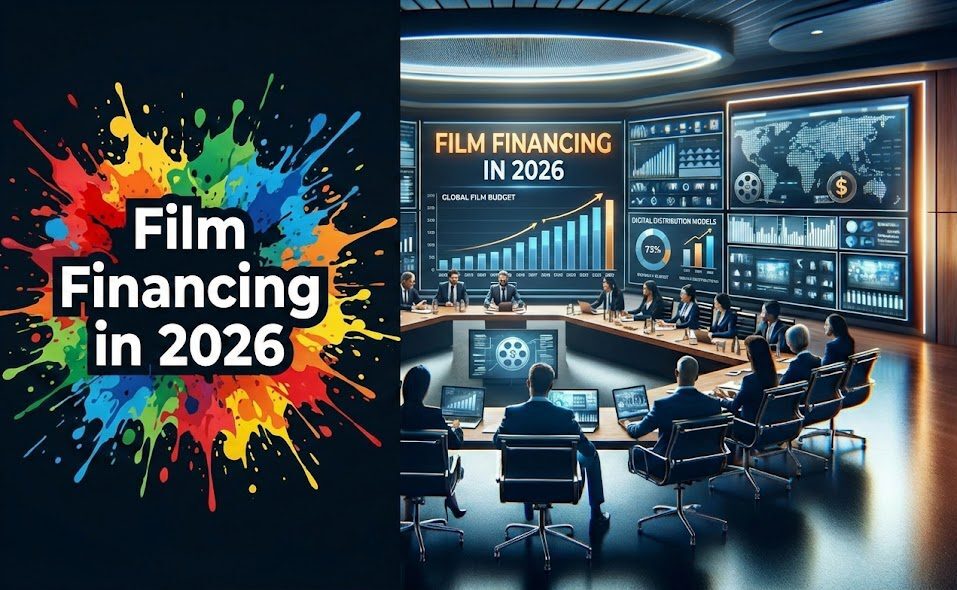
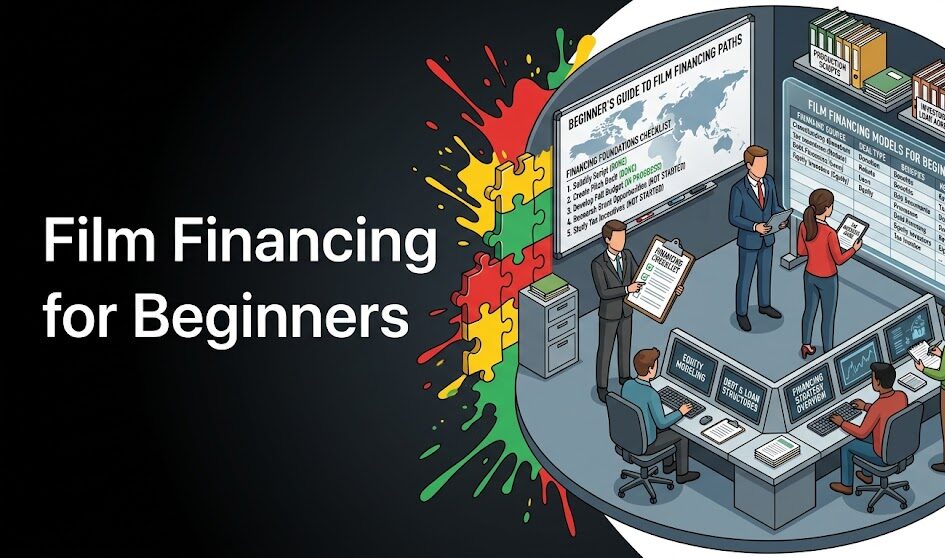
Film financing in 2026 has evolved into a highly fragmented, data-driven ecosystem where success depends on balancing a “bankable” capital stack.
Modern financing typically requires a mix of equity, senior debt, tax incentives, and territory pre-sales. With streamers shifting from “cost-plus” models to licensing, producers now rely on sophisticated structures like pro-rata pari passu sharing and IP collateralization to secure greenlights.
The reality? The “Golden Age” of easy streamer checks is over. But for producers who understand how to weaponize their distribution rights and protect investor margins, the capital is still there—it’s just more selective.
This guide breaks down the mechanics of the 2026 landscape based on our analysis of 62 expert interviews and thousands of active deals.
In This Guide:
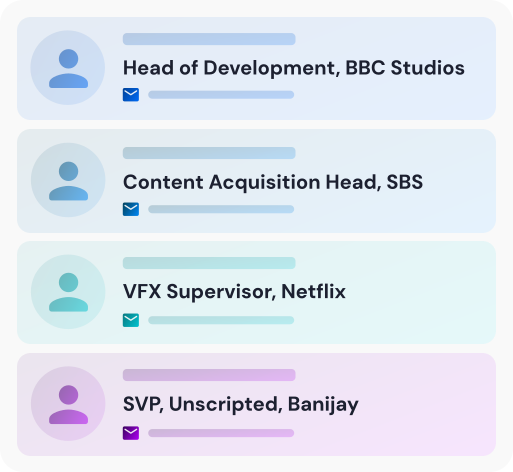
Stop Guessing Who’s Financing. Get Targeted Outreach.
Stop searching and start getting funded. We identify the exact decision-makers currently backing projects like yours, turning raw data into risk-aligned capital partnerships.
Major Studios
Scouting early stage projects, IP, and Regional partners for global studio pipelines.
IP Owners & Leads
Connecting creative leads with qualified financiers and major streaming platforms.
Streamers
Securing high-value pre-buy content and discovering early-stage global IP for platforms.
Indie Producers
Bridging the gap for indie filmmakers to reach executive production partners and capital.
Global Financing Ecosystems
Mapping complex markets and pairing projects with disciplined, risk-aligned capital across global territories worldwide.
The 5 Core Pillars of Modern Film Finance
Behind closed doors, the conversation has shifted. It’s no longer just about “getting the money”—it’s about the quality of the capital. Producers are moving away from monolithic funding toward The 5 Core Pillars of Film Finance. This framework focuses on de-risking every dollar before a single frame is shot.
- Soft Money: Leveraging regional tax incentives and rebates to cover 25-40% of spend.
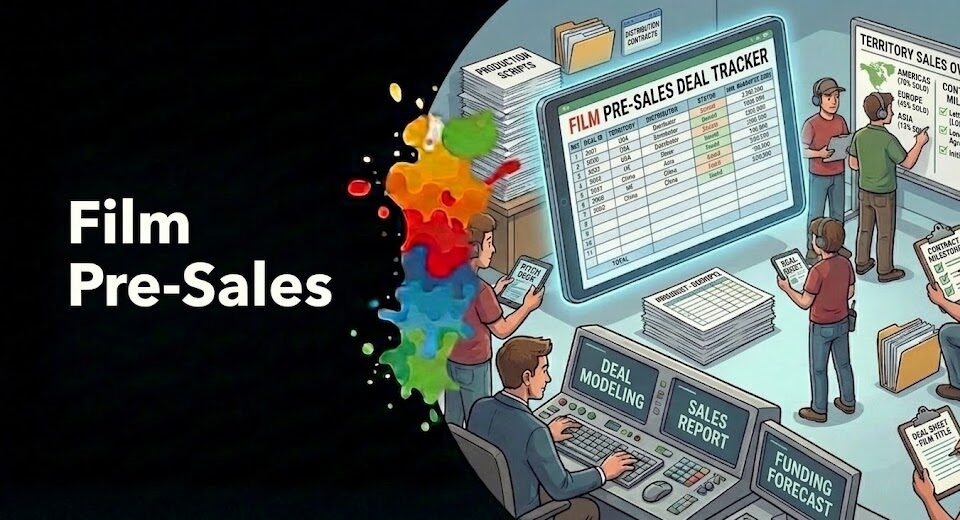
- Pre-Sales: Securing minimum guarantees (MGs) in key territories to collateralize debt.
- Gap/Bridge Financing: Covering the final 10-20% of the budget against unsold rights.
- Private Equity: High-risk capital that requires a clear path to recoupment.
- Co-Productions: Expanding territory pools through international co-production treaties.
The Vitrina Bankability Index™
Lenders in 2026 use a specific hierarchy to score project readiness. If you score below a 7.0, your interest rates will spike—or you’ll get rejected entirely.
| Factor | Weight | CFO Priority |
|---|---|---|
| Cast Attachment | 40% | High (Global Value) |
| Sales Agent Track Record | 30% | Critical (Reliability) |
| Incentive Locking | 30% | Immediate (Cash Flow) |
Equity vs. Debt: Structuring for 2026
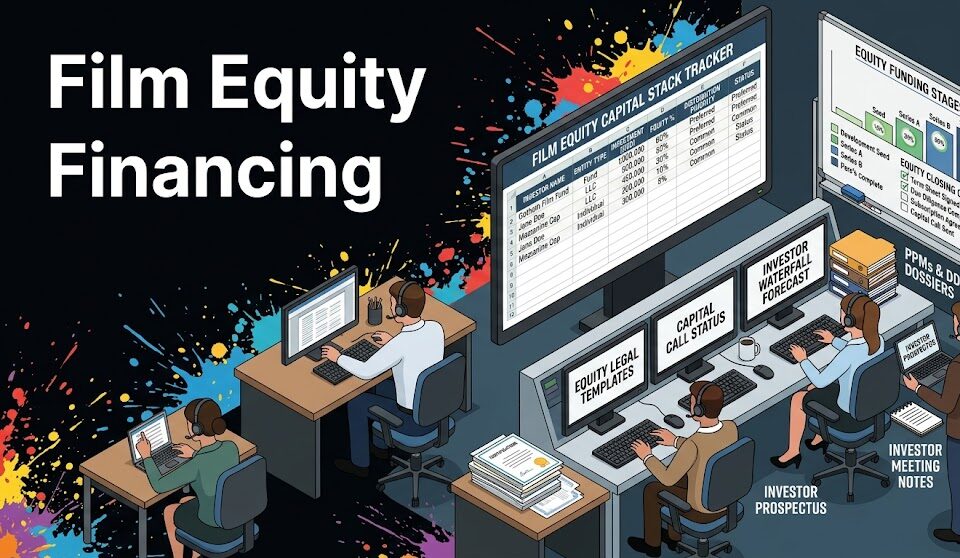
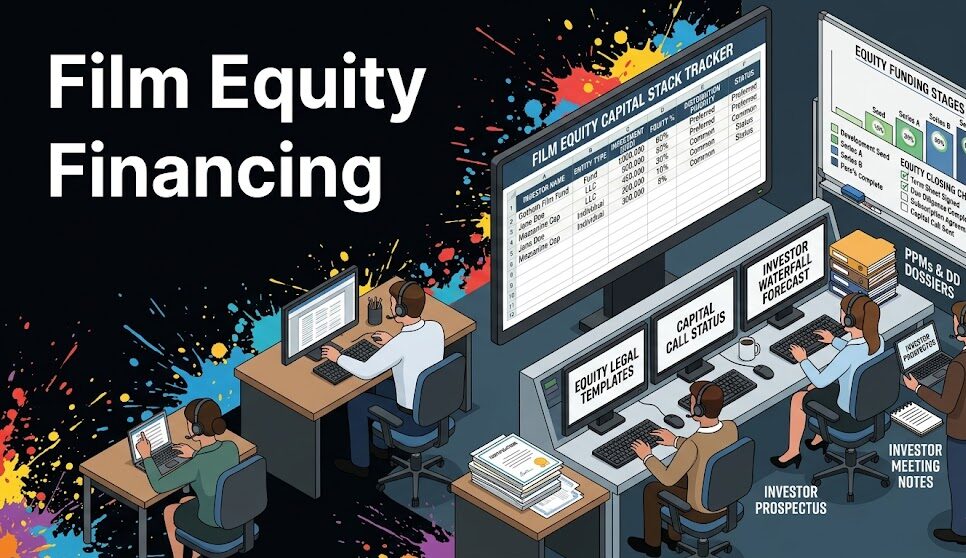
Here’s the real dynamic: equity is expensive, but debt is demanding. Choosing between them isn’t a matter of preference—it’s a math problem. Equity vs. Debt financing decisions dictate who controls the project and who gets the first dollar out.
Debt—like senior loans or gap facilities—must be repaid with interest, regardless of the film’s success. Equity, on the other hand, participates in the upside. In a healthy capital stack, equity acts as the “first loss” layer, providing the comfort lenders need to deploy senior debt.
Producers can explore 140+ verified lenders on Vitrina filtered by budget and territory.
What Makes a Project “Bankable” Today?
The market signals are clear: attachments are the currency of 2026. You can have a brilliant script, but without the 5 key attachments investors demand, you’re dead in the water. This includes “bankable” cast (those with proven territory value), a director with a clean delivery record, and a sales agent who can issue reliable estimates.
Don’t forget the paperwork. Lenders are weaponizing IP as collateral. If your chain of title isn’t spotless, the deal won’t close. Period.
Phil Hunt, CEO of Head Gear Films, explains the shift in lending:

Find the Financiers Backing Your Genre
Stop searching and start getting funded. We identify the exact decision-makers currently backing projects like yours, turning raw data into risk-aligned capital partnerships.
Decoding the Recoupment Waterfall
Who gets paid first? It’s the question that kills partnerships. Understanding the film recoupment waterfall is essential for protecting your own points.
Typically, the sales agent takes their commission and expenses first. Then comes the senior debt (the banks), followed by gap lenders. Only after the debt is cleared do the equity investors—and finally the producers—see “blue sky” profits. Navigating pro-rata pari passu agreements is how smart producers ensure they aren’t last in line.
Frequently Asked Questions
How much can I realistically raise through gap financing?
In 2026, most lenders cap gap financing at 10-20% of the total production budget. This is collateralized against unsold territories. If your sales agent estimates unsold territories at $2M, a lender might advance $1M (a 50% “loan-to-value” ratio).
Do I need a completion bond to secure film financing?
For any project involving institutional debt (banks or gap lenders), a completion bond is almost always mandatory. It guarantees the film will be delivered on time and on budget, protecting the lender’s collateral.
What is a Negative Pickup deal?
Negative pickup deals involve a distributor agreeing to buy the film for a fixed price upon delivery. Producers can then take this contract to a bank to “discount” it and get production cash immediately.
How Vitrina Accelerates Your Financing
Finding the right financing partner shouldn’t take months. Vitrina’s supply chain intelligence platform connects producers with verified lenders and investors across the global content ecosystem.
The Bottom Line
Film financing in 2026 is no longer for the faint of heart. It requires a CFO-level understanding of recoupment, collateral, and capital stack efficiency. But by utilizing frameworks like the 5 Core Pillars and securing the right attachments, you can navigate this fragmented market.
Ready to move beyond the theory? Contact Vitrina’s Concierge team for hands-on support in structuring your next project’s financing.
Find Film+TV Projects, Partners, and Deals – Fast.
VIQI matches you with the right financiers, producers, streamers, and buyers – globally.
Producers Seeking Financing, Co-Pros, or Pre-Buys?
Vitrina Concierge helps producers reach the right financiers, commissioners, distributors, and co-production partners — with precision outreach, not cold pitching.
Join Industry Briefings Trusted by Leaders

The New Deal Room: A 2026 Playbook for Global Content Licensing
How global content licensing is shifting beyond flat fees to flexible, deal-driven models.
Film & TV Production Financing: 2026 Trends
Production financing conditions are changing quickly. Understanding where money is moving and what buyers are backing is key to getting projects approved and funded in 2026.
Unreleased Film+TV Projects: Opportunities & Showcase
A curated view of unreleased Film and TV projects open for financing and collaboration