About Innovation Hub
 Global Content Pulse (Webinars)


 Global Production Financing
(Webinars)
Global Production Financing
(Webinars)  LeaderSpeak Podcast
  About Vitrina
 Our Story
 Our Solutions 🔥
 Film+TV Projects Tracker 🚀
 Case Studies
 Our Profile
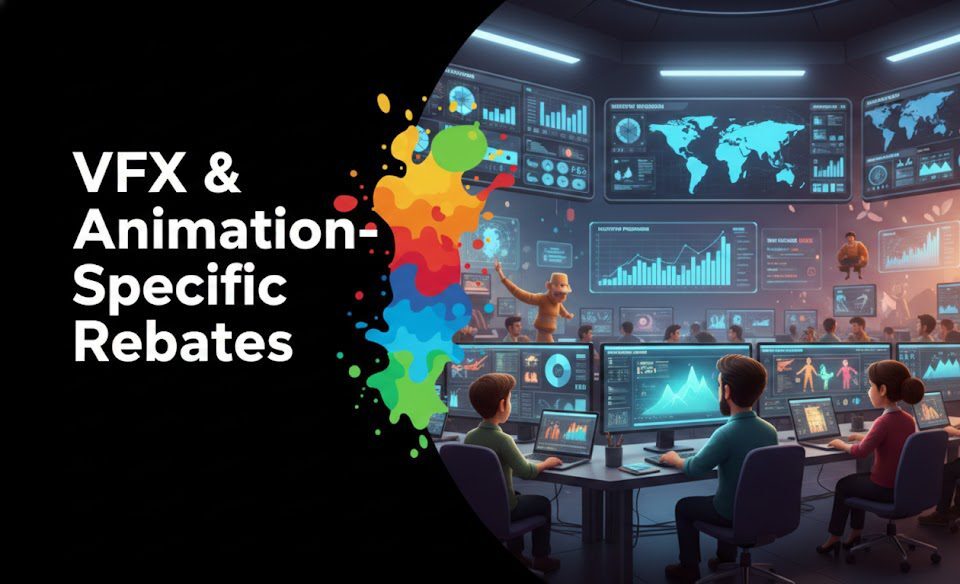
VFX can eat 40% of your production budget—especially on episodic or effects-heavy features. But here’s what most producers miss: governments worldwide now offer specialized rebates specifically for visual effects and animation work, separate from general film incentives.
The UK’s enhanced VFX rate sits at 29.25% net (39% gross)—and critically, VFX costs are now exempt from the 80% qualifying spend cap. Ireland just launched a 40% VFX uplift for projects spending over €1M on effects. France offers 40% if you commit €2M+ to French VFX vendors. Quebec delivers an effective 41% when you stack their base rate with the VFX/animation bonus.
These aren’t marginal improvements. We’re talking about programs designed to compete for global VFX work—and the numbers reflect that ambition. Here’s how specialized VFX and animation rebates work, which jurisdictions lead, and how to structure your production to maximize them.
📑 Table of Contents
- What Are VFX-Specific Rebates?
- The Vitrina VFX Rebate Stack™
- UK’s Game-Changing VFX Enhancement
- Ireland’s 40% VFX Uplift
- Animation-Specific Programs
- Quebec & BC Canada: The 36-41% Sweet Spot
- How to Qualify for VFX Rebates
- Strategic Considerations for VFX Production
- Frequently Asked Questions
- How Vitrina Helps Navigate VFX Rebates
Stop Guessing Who’s Financing. Get Targeted Outreach.
Stop searching and start getting funded. We identify the exact decision-makers currently backing projects like yours, turning raw data into risk-aligned capital partnerships.
Major Studios
Scouting early stage projects, IP, and Regional partners for global studio pipelines.
IP Owners & Leads
Connecting creative leads with qualified financiers and major streaming platforms.
Streamers
Securing high-value pre-buy content and discovering early-stage global IP for platforms.
Indie Producers
Bridging the gap for indie filmmakers to reach executive production partners and capital.
Global Financing Ecosystems
Mapping complex markets and pairing projects with disciplined, risk-aligned capital across global territories worldwide.
What Are VFX-Specific Rebates?
VFX-specific rebates evolved because traditional film tax incentives treated all production costs the same. That created a problem: VFX work is highly mobile. Unlike physical production (which requires locations, stages, local crew), post-production can happen anywhere with fiber connectivity and talent.
So jurisdictions like the UK and Canada watched VFX work migrate to wherever the math worked best. A production might film in London under the UK’s general film tax credit, then ship all effects to Montreal or Mumbai because those markets offered better rates or had VFX-specific programs.
The solution? Targeted enhancements. Governments realized that if they wanted to retain (or attract) high-value VFX and animation work, they needed incentives that specifically rewarded digital production—not just physical shooting.
That’s what changed in 2024-2025. The UK removed the 80% cap for VFX costs and added a 5% uplift. Ireland created a €1M minimum VFX spend threshold for their 40% rate. Czech Republic tripled their animation/digital cap to €18M and raised rates to 35%. These programs explicitly target effects-heavy productions and animation studios.
And they’re working. According to Animation UK, the UK’s VFX uplift is projected to attract £175M annually in additional VFX spending—a 45% increase. That’s effectively free growth funded by tax receipts from the economic activity the incentive creates.
The Vitrina VFX Rebate Stack™
Not all VFX incentives are structured the same. We’ve organized them into three tiers based on how they’re administered:
Tier 1: VFX Enhancement Programs
These are uplifts specifically for VFX costs within broader film/TV incentives.
- UK: 29.25% net for VFX (vs. 25.5% for live-action)
- Ireland: 40% for projects with €1M+ VFX spend
- France: 40% total if >€2M French VFX expenditure
Tier 2: PDV/Post-Production Offsets
These cover post-production, digital work, and VFX under one program.
- Australia: 30% PDV (Post, Digital, VFX) Offset
- New Zealand: 20-25% for post/digital work
- Canada (Quebec): 25% base + 16% VFX/animation labor bonus
Tier 3: Animation-Specific Programs
Dedicated incentives for animated features, series, or shorts.
- UK: 29.25% for animation (same as live-action children’s TV)
- Ireland: Scéal Uplift 40% for films under €20M
- Czech Republic: 35% for animation/digital (vs. 25% for live-action)
- India: 40% federal reimbursement including animation explicitly
The stack matters because some jurisdictions let you combine multiple programs. In Australia, for example, you can access the 30% PDV Offset alongside state-level incentives (10-15% depending on location). That stacking can push effective rates to 40-45%.
If you’re planning a VFX-heavy series or animated feature, understanding which tier each jurisdiction falls into helps you model total landed costs—not just headline rebate percentages.
UK’s Game-Changing VFX Enhancement
The UK’s VFX enhancement, which took effect January 1, 2025 (claimable from April 1, 2025), is the most aggressive move we’ve seen from a major market.
Here’s what changed:
- Rate increase: VFX costs now qualify for a gross 39% AVEC (Audio-Visual Expenditure Credit), which nets to 29.25% after corporation tax. That’s a 5% uplift over the standard 34% gross rate for other production costs.
- Cap removal: VFX expenditure is exempt from the 80% qualifying spend cap. This is critical. Previously, if you spent 100% of your budget in the UK, you could only claim relief on 80%. Now, VFX gets the full credit on 100% of UK VFX spend.
- Generative AI included: After industry consultation, the UK confirmed that generative AI costs used in VFX production qualify for the enhanced rate. Treasury had proposed excluding AI—industry pushed back, and the exclusion was dropped.
What qualifies as VFX under the enhancement? According to HMRC guidance published March 2025, qualifying VFX costs include:
- Digital compositing and CGI
- Motion capture and performance capture
- Virtual production (LED wall/in-camera VFX)
- Color grading and digital intermediate
- Generative AI tools used for VFX creation
What doesn’t qualify:
- Standard editorial (cutting, assembly)
- Audio post-production (mixing, ADR, foley)
- Deliverables and mastering
The practical impact: For a UK production spending £10M on VFX, the enhanced rate delivers an additional £500K compared to the standard rate. And because there’s no cap, productions can claim the full enhancement on 100% of their UK VFX costs—even if they’ve already hit the 80% threshold on other spending.
One catch: The enhanced VFX rate is only paid in completion claims, not interim claims. So if you submit an interim claim during production, you’ll receive the standard 25.5% rate on VFX costs included in that claim. The uplift comes in the final claim. For most productions, this has minimal impact since VFX work typically happens post-shoot anyway.
Choosing the right VFX company that understands UK incentive mechanics can save months of back-and-forth with HMRC during the claims process.
Explore UK VFX studios on Vitrina →
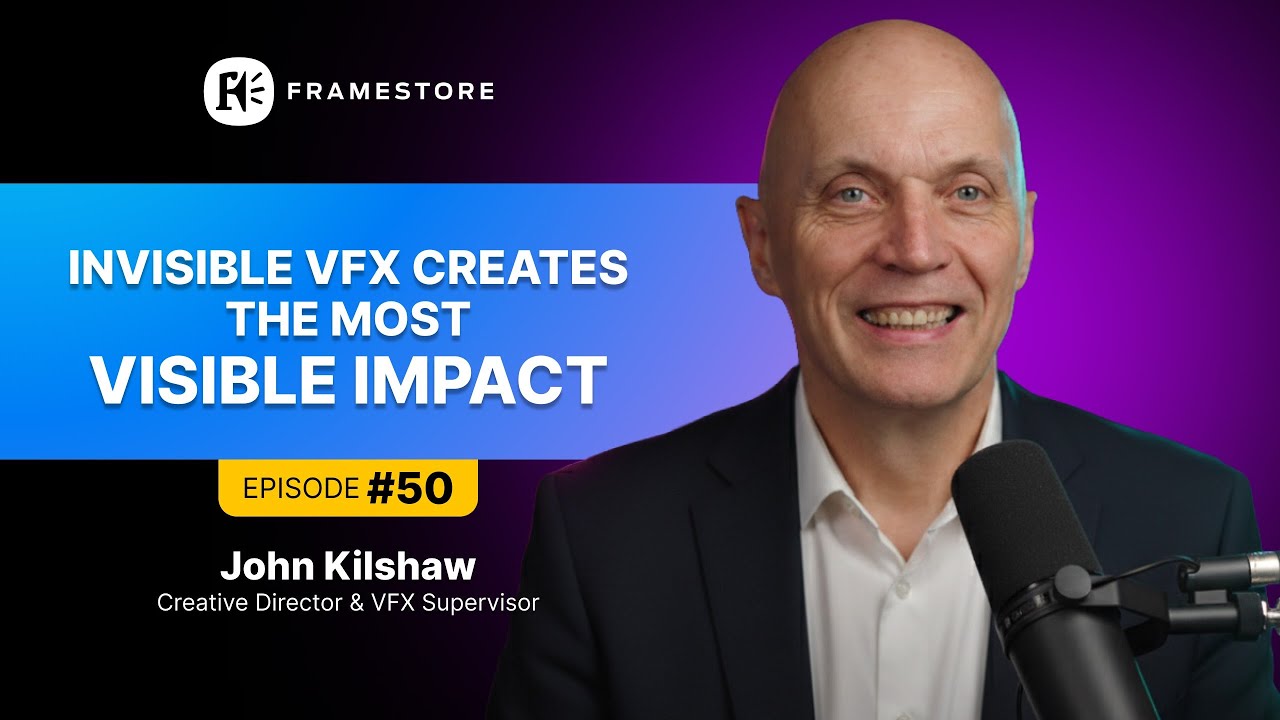
John Kilshaw, VFX Supervisor and Creative Director at Framestore, discusses the modern VFX landscape and how UK facilities are adapting to global episodic demand.
Find the Financiers Backing Your Genre
Stop searching and start getting funded. We identify the exact decision-makers currently backing projects like yours, turning raw data into risk-aligned capital partnerships.
Ireland’s 40% VFX Uplift
Ireland introduced a VFX-specific enhancement in Budget 2026 (announced October 2025, operational from November 2025). It’s designed to compete directly with the UK’s program.
The mechanics:
- Projects that spend at least €1M on qualifying VFX work in Ireland receive a 40% tax credit rate.
- This is an 8-percentage-point increase over Ireland’s standard 32% Section 481 rate.
- The uplift applies to all eligible Irish expenditure on qualifying projects—not just the VFX costs.
Example: A €15M production spends €3M on VFX in Ireland (20% of budget). Because VFX spend exceeds €1M, the entire project qualifies for the 40% rate instead of 32%. That’s an additional €1.2M in relief.
What counts as VFX? Ireland’s definition aligns with UK guidance but with Irish nuance:
- Digital visual effects (compositing, CGI, simulation)
- Animation (2D, 3D, stop-motion if digitally rendered)
- Motion capture and digital character work
- Virtual production if VFX-driven
Ireland also extended their Scéal Uplift program, which provides 40% relief for feature films under €20M budget. This program targets independent films and lower-budget animated features. To qualify for Scéal, the film must:
- Have total core expenditure under €20M
- Include at least one key creative (director, producer, writer, DOP, production designer) who is an Irish or EEA national
- Release theatrically in Ireland for at least 5 days
The VFX uplift and Scéal can combine for animation projects. An Irish animated feature under €20M with significant VFX work could theoretically access both—though in practice, Scéal’s 40% rate already matches the VFX uplift, so the benefit would be redundant.
Ireland’s move signals clear intent: compete with the UK and Canada for effects-heavy episodic work. With English-language crews, EU co-production access, and now competitive VFX rates, Ireland is positioning Dublin as a post-production hub for international series.
Animation-Specific Programs
Animation gets special treatment in several jurisdictions because it’s entirely digital—no location scouting, no weather delays, no physical stunts. It’s pure creative and technical labor.
UK Animation Incentive:
The UK’s AVEC provides 29.25% net relief for animated films and animated TV programs. This matches the rate for children’s TV and is higher than the 25.5% rate for live-action features or high-end TV.
What qualifies:
- Animated features (theatrical release)
- Animated TV series and specials
- Hybrid animation/live-action if animation is >51% of runtime
The cultural test for animation includes points for UK-based animators, UK subject matter, and use of UK facilities. Projects need 18 of 35 points to pass.
Ireland Scéal Uplift:
As mentioned, Scéal provides 40% relief for Irish feature films (including animation) with budgets under €20M. For independent animated features, this is one of the most generous programs globally.
Czech Republic 35% for Animation/Digital:
Czech Republic significantly enhanced its animation incentive in 2025:
- Rate increased from 25% to 35% for animation and digital productions
- Per-project cap tripled from €6M to €18M
- Prague studios are ramping infrastructure to capitalize
The 35% rate applies to:
- Animated features (minimum 70 minutes for documentary-style, theatrical features)
- Animated series (2026 eligibility for episodic)
- VFX-heavy digital productions
Czech also offers a 20% general production rebate, but the 35% animation/digital rate is where the competitive advantage lives. With lower labor costs than Western Europe and improving talent pipelines, Czech is becoming a go-to for European co-production animation.
India 40% Federal Reimbursement:
India’s federal incentive explicitly includes animation:
- 40% reimbursement on qualifying expenditure (increased from 30% in 2024)
- Cap: $3.6M per project
- Bonus: Additional 5% for significant Indian content
India’s animation sector is massive—between Bollywood animated features and outsourced work for US/European studios. The federal incentive, combined with state-level programs in Maharashtra and Karnataka, creates stacking opportunities.
For animation studios evaluating global capacity, India’s combination of cost efficiency, talent depth, and 40% incentive makes it a strategic hub—especially for labor-intensive 2D work or pre-production on 3D features.
Quebec & BC Canada: The 36-41% Sweet Spot
Canada has long been a VFX powerhouse. Montreal and Vancouver host some of the world’s largest facilities (Framestore, MPC, ILM, DNEG). The provincial tax credits in Quebec and British Columbia are a big reason why.
British Columbia (Effective Jan 1, 2025):
BC’s provincial government increased the Production Services Tax Credit (PSTC) from 28% to 36%—retroactive to January 1, 2025. This is a refundable tax credit on BC labor costs.
Key details:
- 36% base rate on resident labor
- Additional 2% bonus for tentpole projects with BC expenditure exceeding $200M
- Stacks with federal Canadian Film or Video Production Tax Credit (CPTC) at 25%
For international productions using BC as a service hub, the effective rate on Canadian labor is 36% (BC) + 25% (federal) = 61%. That’s extraordinary.
But—there’s nuance. The federal 25% CPTC only applies to Canadian-content productions or official co-productions. For pure service work (i.e., a US studio hiring a BC VFX vendor), you get the 36% BC rate but not the federal 25%. Still, 36% on labor is competitive globally.
Quebec:
Quebec’s production services tax credit (QPSTC) offers:
- 25% base refundable credit on all eligible VFX costs
- Additional 16% bonus for VFX and animation labor costs
- Effective combined rate: 41% on VFX/animation labor
Montreal’s infrastructure is unmatched. Facilities like Framestore Montreal, Folks VFX, and Rodeo FX have scaled to handle episodic TV volumes (The Mandalorian, Stranger Things, Avatar: The Last Airbender). The 41% effective rate on labor—combined with favorable USD-CAD exchange rates—makes Quebec a default choice for effects-heavy series.
What qualifies for the VFX/animation bonus in Quebec?
- Digital compositing, CGI, simulation
- Character animation (2D, 3D, motion capture)
- Matte painting and environment creation
- Rotoscoping and paint/prep
- Virtual production (if VFX-driven)
One strategic consideration: Quebec requires that at least 75% of VFX labor costs be paid to Quebec residents or Quebec-based corporations. That’s a higher local-spend threshold than BC or the UK, but it’s manageable if you’re working with established Quebec vendors.
Post-production partners in Montreal often handle the compliance side—residency verification, payroll structure, labor reporting—so producers don’t need to navigate SODEC (Quebec’s film agency) directly.
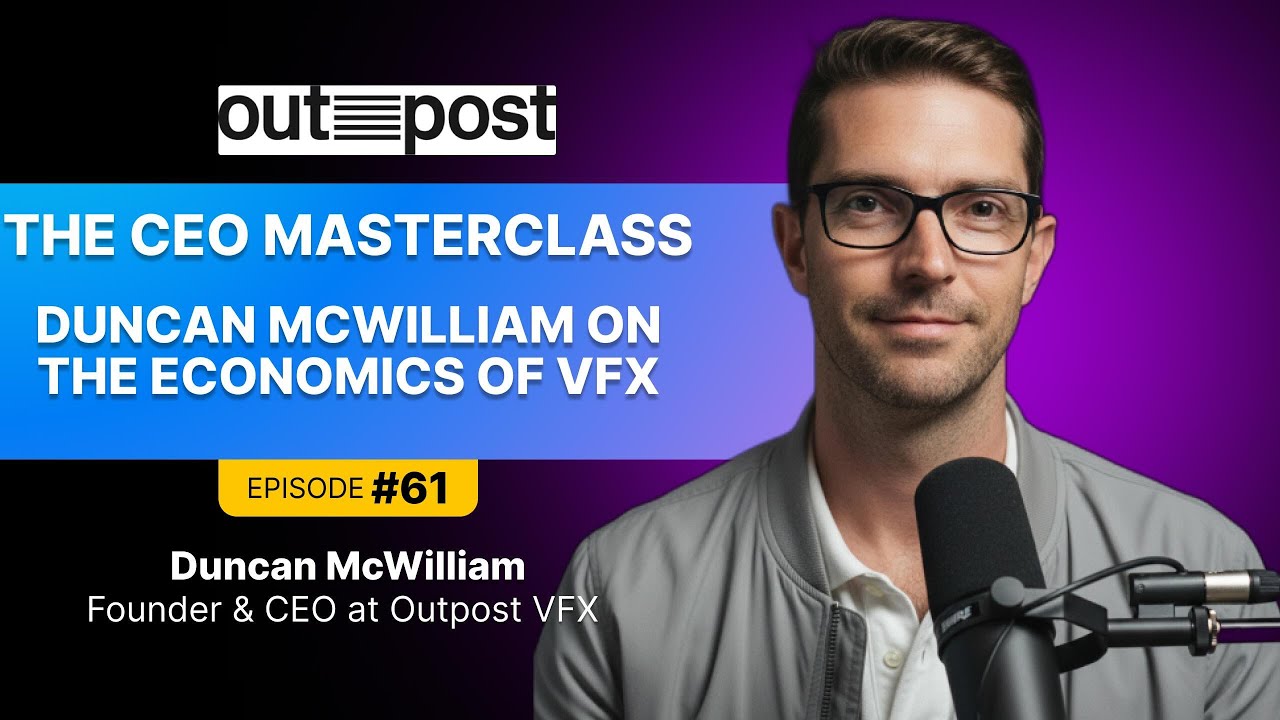
Duncan McWilliam, CEO of Outpost VFX, discusses how the global VFX market is evolving, the impact of incentives on vendor selection, and managing distributed teams across jurisdictions.
How to Qualify for VFX Rebates
Qualification mechanics vary, but most VFX-specific programs share common requirements:
1. Pre-Approval or Certification
Most programs require you to apply before production starts (or before VFX work begins):
- UK: Apply to BFI for interim certification before claiming AVEC
- Ireland: Submit application to Department of Tourism/Culture at least 21 days before Irish production commences
- Australia: Apply to Screen Australia for PDV Offset certification
- Canada (Quebec): SODEC certification required
Shooting first and applying later can disqualify you. Get certified before cameras roll—or in the case of VFX-only projects, before render farms spin up.
2. Minimum Spend Thresholds
Many VFX programs have minimum qualifying expenditure:
- Ireland VFX uplift: €1M minimum VFX spend
- France TRIP VFX bonus: €2M minimum French VFX expenditure
- Australia PDV: A$500K minimum for post/digital/VFX work
If your VFX budget is below the threshold, you won’t qualify for the enhancement—only the base rate.
3. Cultural Tests (UK, Ireland, Canada)
Points-based systems that evaluate:
- Local crew and talent
- Subject matter (cultural connection to country)
- Post-production location
- Use of local facilities
For VFX work, cultural tests often award points for:
- VFX supervisor is UK/Irish/Canadian national or resident
- VFX work performed at UK/Irish/Canadian facilities
- Digital artists are UK/Irish/Canadian residents
Projects need a minimum score to pass (e.g., UK requires 18 of 35 points). For VFX-heavy productions that filmed elsewhere, you can sometimes qualify based solely on post-production points—but it’s tight. Work with a production accountant who knows the scoring.
4. Documentation Requirements
VFX claims require detailed cost breakdowns:
- Vendor invoices itemized by VFX category (compositing, CGI, simulation, etc.)
- Timesheets for digital artists (proving residency and work location)
- Evidence that VFX work occurred in-jurisdiction (IP addresses, facility addresses, server logs for some programs)
- Final pixel count or VFX shot list (to demonstrate scope)
The UK’s enhanced VFX rate, for instance, requires productions to submit an Additional Information Form (AIF) listing:
- Number of VFX vendors working on production
- Breakdown of VFX costs by category
- Confirmation that work was performed in the UK
Missing documentation = delayed claim or outright rejection. Plan for this upfront.
Ask VIQI about VFX qualification requirements →
Strategic Considerations for Maximizing VFX Rebates
Rebate percentages matter, but smart producers model total landed costs—not just headline rates. Here’s what to evaluate:
1. Base Production Costs
A 40% rebate on inflated costs isn’t better than a 30% rebate on market rates.
Example:
- UK VFX vendor quote: £1M (after 29.25% rebate = £707.5K net)
- India VFX vendor quote: £400K (after 40% rebate = £240K net)
The India scenario is cheaper even though the UK rebate is lower. Always model net after incentive.
2. Currency Exchange
Canada and Australia benefit from favorable exchange rates vs. USD or GBP. When the CAD or AUD weakens, gross costs decline—and rebates apply to those lower costs.
Quebec at 41% when CAD is trading at 0.70 USD can be more cost-effective than the UK at 29.25% with GBP at 1.27 USD.
3. Stacking Opportunities
Some jurisdictions let you combine multiple programs:
- Australia: 30% PDV Offset + state incentives (NSW 10%, Queensland 15%)
- Canada: BC 36% + federal CPTC 25% (if eligible)
- France: 30% TRIP + regional incentives
Stacking isn’t always allowed (e.g., Ireland’s VFX uplift replaces the base rate, it doesn’t stack). Read the fine print.
4. Infrastructure and Talent
A jurisdiction with a 40% rebate but no experienced VFX talent or render capacity isn’t viable for complex work. The UK, Canada, Australia, New Zealand, and France all have world-class VFX infrastructure.
Emerging markets like Czech Republic, Hungary, and India are building capacity but may lack specialized talent (e.g., creature animation, fluid simulation). Assess capability realistically.
5. Cash Flow Timing
Refundable credits (UK AVEC, Ireland Section 481, Quebec QPSTC) are paid after production completes and claims are audited. That can be 6-18 months post-completion.
If you need cash upfront, you can finance against the credit (rebate loans). But that costs interest and reduces net benefit. Factor timing into your production finance plan.
For film tax incentives generally, producers often combine rebate financing with gap loans or equity to bridge the cash flow gap until rebates are paid.
FAQ: VFX & Animation Tax Incentives
Q: What’s the difference between a VFX rebate and a post-production rebate?
A: VFX rebates specifically target visual effects work (compositing, CGI, animation). Post-production rebates (like Australia’s PDV Offset) cover a broader range of digital work including editorial, color grading, sound post, and VFX. Some jurisdictions use “PDV” (post, digital, VFX) to capture all non-physical production work.
Q: Can I claim a VFX rebate if I filmed in a different country?
A: Yes, in most cases. The UK, Ireland, Australia, and Canada all allow VFX-only claims where physical production happened elsewhere—as long as the VFX work qualifies under local spend and cultural test requirements. You’ll need to pass the points threshold based on post-production activity alone.
Q: Does the UK’s 80% cap removal apply to animation?
A: No. The UK’s cap removal only applies to qualifying VFX expenditure on film and high-end TV productions. Animation productions are subject to the standard 80% cap. However, animation already qualifies for the enhanced 29.25% rate, so the effective relief is the same—just with the cap in place.
Q: How does Ireland’s €1M VFX threshold work for co-productions?
A: The €1M threshold applies to Irish VFX spend specifically. For official co-productions, only the Irish portion of VFX costs counts toward the €1M minimum. If an Ireland-UK co-production spends €800K on Irish VFX and €500K on UK VFX, the project doesn’t qualify for Ireland’s 40% VFX uplift—it would receive the standard 32% rate instead.
Q: Can I stack Quebec’s 41% with the UK’s 29.25%?
A: No. You can’t claim multiple jurisdictions’ incentives on the same costs. If you split VFX work—e.g., 60% in Montreal, 40% in London—you claim Quebec’s 41% on the Montreal portion and the UK’s 29.25% on the London portion. But you can’t double-dip on the same expenditure.
Q: What if my VFX vendor is based in a non-incentive jurisdiction?
A: The vendor’s headquarters location doesn’t matter—what matters is where the work is performed. If you hire a London-based VFX vendor that does the work remotely using artists in India, the work doesn’t qualify for the UK’s 29.25% rate because it wasn’t performed in the UK. Conversely, a US-based vendor with a Montreal satellite can qualify for Quebec’s 41% if the work is done by Montreal-based artists at the Montreal facility.
Q: Are VFX rebates available for commercials or only features/TV?
A: It depends. The UK AVEC applies to films and high-end TV only (not commercials). Ireland’s Section 481 also excludes commercials. However, some jurisdictions like France (TRIP) and certain Canadian provincial programs allow commercials to qualify if they meet minimum budget thresholds and cultural criteria. Check program eligibility carefully.
Q: How long does it take to receive VFX rebate payments?
A: Timeline varies:
- UK AVEC: 6-12 months post-completion (after audit)
- Ireland Section 481: 8-14 months post-completion
- Quebec QPSTC: 6-18 months depending on SODEC backlog
- Australia PDV: 6-12 months after final claim submitted
Most producers finance against expected rebates (rebate loans) to access cash during production, then repay the loan when the rebate is paid.
Q: Do generative AI costs qualify for VFX rebates?
A: In the UK, yes—generative AI used in VFX production qualifies for the 29.25% rate. The UK specifically confirmed this after industry consultation. Other jurisdictions haven’t issued explicit guidance yet, but as long as the AI tool is used to create qualifying VFX work (e.g., environment generation, texture creation), it should fall under VFX costs. Document usage carefully.
Q: Which jurisdiction offers the highest VFX rebate?
A: On paper, Quebec at 41% effective (for VFX/animation labor). But total landed cost depends on base costs, exchange rates, and facility efficiency. The UK’s 29.25% with no cap can be more valuable for extremely VFX-heavy productions. Ireland’s 40% is competitive for projects above the €1M threshold. Model your specific scenario—don’t chase headline percentages.
How Vitrina Connects You to VFX Incentive Markets
Navigating VFX rebates across multiple jurisdictions is complex. Which vendors qualify? What’s the true net cost after incentive? How do you manage multi-territory workflows?
Vitrina’s platform gives you direct access to the global VFX and post-production ecosystem:
Search & Filter: Explore 500+ verified VFX studios and post-production facilities worldwide. Filter by location, capability (compositing, CGI, animation, color), budget range, and incentive eligibility. Compare vendors side-by-side with transparent capability profiles.
Incentive Intelligence: Use Vitrina’s VIQI tool to research qualification requirements, minimum spend thresholds, and claim timelines for any jurisdiction. Get answers to specific questions like “Does Quebec’s 41% apply to virtual production?” or “What’s the cultural test scoring for UK VFX work?”
End-to-End Production Support: For complex multi-jurisdiction productions, Vitrina’s Concierge service provides white-glove support—helping you structure VFX splits across territories, identify qualifying vendors, and manage incentive applications.
Whether you’re planning a VFX-heavy episodic series or an animated feature, Vitrina connects you to the vendors, knowledge, and support you need to maximize rebates without compromising creative vision.
Sign Up – Explore VFX Studios →
Ask VIQI – Research Incentives →
Concierge – Get Hands-On Support →
Conclusion
VFX and animation rebates have become competitive weapons. The UK’s 29.25% rate with no cap, Ireland’s 40% VFX uplift, Quebec’s 41% effective rate—these programs were designed to compete for global work, and they’re succeeding.
The 2025 changes matter. The UK removing the 80% cap for VFX is a structural shift—not a marginal tweak. Ireland introducing a €1M VFX threshold signals Dublin’s ambition to become a post-production hub. Czech Republic tripling their animation cap to €18M shows Eastern Europe’s intent to scale.
For producers planning effects-heavy projects, the strategic question isn’t just “which rebate is highest?” It’s “what’s my total landed cost after incentive—and can I deliver the creative I need at that price point?”
Model jurisdictions realistically. Factor in base costs, exchange rates, facility capability, and cash flow timing. And work with vendors and service providers who understand incentive mechanics—because a VFX vendor that can’t navigate HMRC claims or SODEC reporting isn’t worth hiring, regardless of their reel.
The global VFX market is more competitive than ever. Use these rebates strategically, and they become margin—not just cost recovery.
Find Film+TV Projects, Partners, and Deals – Fast.
VIQI matches you with the right financiers, producers, streamers, and buyers – globally.
Producers Seeking Financing, Co-Pros, or Pre-Buys?
Vitrina Concierge helps producers reach the right financiers, commissioners, distributors, and co-production partners — with precision outreach, not cold pitching.
Join Industry Briefings Trusted by Leaders

Format Adaptations: Global Trends
Where formats are traveling, which adaptations are breaking out, and how streamers are backing remakes in 2025–2026.

Books, Novels & Comics Adaptations: Global Trends
Books, webtoons, and manga driving the next global screen hits. Discover how in this webinar.

Micro-Dramas & Mobile-First Storytelling
Micro-dramas are building real audiences and revenue. Understand the platforms, buyers, and economics behind the growth.

Navigating Global Content Licensing Trends
How global content licensing is shifting beyond flat fees to flexible, deal-driven models.