IHUB
IHUB
 Private Briefings (Webinars)


 LeaderSpeak Podcast
  Global Entertainment Digest (Newsletter)
  Premium Lists
 Membership Benefits
 About Vitrina
 Our Story
By the Vitrina Research Team | Published: October 2026 | Reviewed by Vitrina’s Entertainment Supply Chain Analysts, drawing on verified data across 159,223 M&E companies worldwide.
⚡ Quick Answer
Comparing dubbing and localization vendor quotes line-by-line—not just the bottom-line total—is the only reliable way to catch hidden costs. Traditional studio dubbing runs $20–$50+ per finished minute, while AI-assisted dubbing runs roughly $2–$20 per minute; the gap closes fast once you itemize QC passes, adaptation/translation, and revision rounds that a flat per-minute rate often excludes.
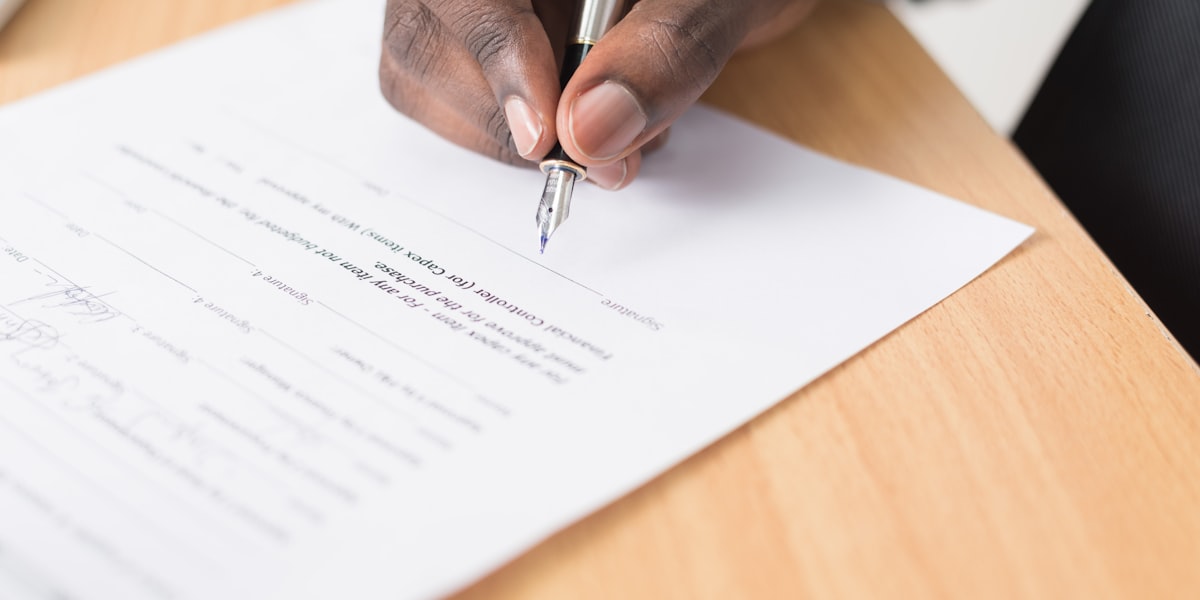
Two localization quotes that look nearly identical on the cover page can represent very different scopes of work. One vendor’s per-minute rate might include two rounds of revisions and a full QC pass; another’s might cover neither, turning into change-order costs once you’re already mid-schedule. The only way to compare quotes honestly is to break each one into the same line items and put them side by side.
This guide gives you a worked, itemized comparison template for dubbing and localization vendor quotes, using illustrative figures grounded in current market rates, plus the specific questions to ask before you sign.
Check a localization vendor’s prior credits and deal history before you request a quote—search Vitrina’s 159,223-company database.
What You’ll Learn
Key Takeaways
- ✦
Traditional studio dubbing runs $20–$50+ per finished minute ($5,000–$15,000+ per language for an hour of content); AI-assisted dubbing runs roughly $2–$20 per minute—but the line items included vary enormously between vendors at both ends.
- ✦
Revision rounds are the most common hidden cost. A quote that looks cheaper per minute can end up more expensive once a second or third revision round is billed separately.
- ✦
Always request the same line-item breakdown from every vendor you’re comparing—translation/adaptation, voice casting, recording, mix/QC, and revisions—rather than comparing bottom-line totals.
Why a Bottom-Line Quote Isn’t Enough
A per-minute rate is a useful headline number, but it hides the assumptions baked into it. Does the rate include script adaptation and cultural localization, or just voice recording? Is one QC pass included, or billed separately? How many revision rounds come standard before change orders kick in? Two vendors quoting the same per-minute rate can be offering meaningfully different scopes of work—and the gap only becomes visible once you ask each one to itemize.
Key Stat
Professional studio dubbing typically runs $20–$50+ per finished minute, with full feature-length dubbing reaching $50,000–$100,000 per language at the high end, while AI-assisted dubbing has compressed that range to roughly $2–$20 per minute for comparable output (Perso.ai, 2026).
Itemized Quote Comparison: A Worked Example
The figures below are an illustrative worked example built from current market rate ranges, not quotes from a specific vendor—use it as a template and drop in your own vendors’ actual numbers.
Say you’re comparing two vendors to dub a 90-minute feature into one additional language. Here’s how the same scope breaks down line-by-line:
| Line Item | Vendor A (Traditional Studio) | Vendor B (AI-Assisted) |
|---|---|---|
| Translation & cultural adaptation | Included in base rate | Included in base rate |
| Voice casting | Included—in-house talent roster | Add-on if custom voice match requested; stock voices included |
| Recording/generation | $35/finished minute × 90 min = $3,150 | $8/finished minute × 90 min = $720 |
| Mix & QC pass | 1 pass included; additional passes $500 each | 1 pass included; additional passes billed per revision below |
| Revision rounds | 2 rounds included, then $500/round | 1 round included, then $150/round |
| Turnaround | 3–5 weeks | 3–7 days |
What this reveals: Vendor B’s base cost is dramatically lower, but it includes one fewer revision round as standard. If your project typically needs three revision rounds (common for titles with multiple stakeholder sign-offs), that’s $150–$300 more on top of Vendor B’s base, versus $500–$1,000 more on Vendor A’s—Vendor B still wins on cost, but the itemized comparison is what shows you by how much, rather than a flat per-minute number that hides the revision-round assumption entirely.
Vitrina Membership
Find Localization Vendors With Verified Track Records
Search prior credits and deal history across 159,223 verified companies before requesting quotes—so you’re comparing vendors who’ve actually delivered at your scale.
AI Dubbing vs. Traditional Dubbing: What Changes in the Comparison
The cost gap between AI-assisted and traditional studio dubbing is real and significant—current market rates put AI dubbing at roughly $2–$20 per minute against $20–$50+ for traditional studio work, a reduction that can reach 90% at scale. But the comparison isn’t purely about cost:
Where AI Dubbing Wins
Turnaround speed is the clearest advantage—AI-assisted workflows can cut localization time by as much as 92% compared to traditional dubbing (3Play Media, 2026), turning a multi-week process into days. For high-volume content (library titles, unscripted formats, multi-language rollouts) this speed advantage compounds fast.
Where Traditional Dubbing Still Wins
For prestige titles, awards-track projects, or content where performance nuance drives the emotional read of a scene, in-house talent rosters and human direction still outperform most AI voice generation on quality, especially for lead dialogue rather than background or secondary characters. The itemized comparison should include a quality-tier question, not just a rate: is this vendor proposing AI dubbing for every character, or a hybrid approach with human talent on leads?
Questions to Ask Before You Sign
- How many revision rounds are included in the base quote, and what does each additional round cost?
- Is cultural adaptation (not just literal translation) included, and who reviews it—a native-speaking editor, or the translator alone?
- For AI-assisted vendors: which characters/lines use AI voice generation versus human talent, and can that split be adjusted?
- What format are final deliverables (stems, mixed masters, subtitle files) and are they itemized separately or bundled?
- What happens to turnaround and cost if the source material changes after work has started (a common occurrence with still-locking edits)?
How Vitrina Supports Localization Vendor Sourcing
Before you request quotes, it helps to know which localization vendors have actually delivered work comparable to yours. Vitrina’s database of 159,223 verified M&E companies lets you check a vendor’s prior credits and deal history, rather than relying solely on a client list they’ve curated for the pitch. For broader vendor evaluation practices beyond localization specifically, see our entertainment vendor due-diligence scorecard.
VENDOR INTELLIGENCE
Which Localization Vendors Are Taking New Work Right Now?
Ask VIQI which dubbing and localization vendors have current capacity in your target languages—before you spend time collecting quotes from vendors who are already booked.
Conclusion
The cheapest-looking quote and the cheapest actual outcome aren’t always the same thing once revision rounds, QC passes, and scope assumptions are accounted for. Request the same line-item breakdown from every vendor you’re comparing, ask the revision-round question explicitly, and for AI-assisted vendors, confirm exactly which lines use generated voice versus human talent. That itemized comparison—not the bottom-line total—is what actually predicts your final cost.
Frequently Asked Questions
How much does professional dubbing cost per minute?
Traditional studio dubbing typically runs $20 to $50 or more per finished minute, with full feature-length dubbing reaching $50,000 to $100,000 per language at the high end for prestige projects. AI-assisted dubbing has compressed this to roughly $2 to $20 per minute for comparable output, a reduction that can reach 90% at scale.
What should an itemized localization quote include?
A complete itemized quote should separately list translation and cultural adaptation, voice casting, recording or AI voice generation, mix and QC passes, the number of revision rounds included before additional charges apply, and final deliverable formats. Comparing only the bottom-line total hides which of these are included versus billed separately.
Is AI dubbing good enough for a theatrical or prestige release?
For prestige titles and lead dialogue where performance nuance matters, human talent and in-house direction generally still outperform AI voice generation on quality. Many vendors now offer a hybrid approach—AI generation for secondary or background dialogue, with human talent on lead characters—which should be confirmed explicitly when comparing quotes rather than assumed.
What is the biggest hidden cost in dubbing vendor quotes?
Revision rounds are the most common hidden cost. Many quotes include only one or two rounds of revisions as standard, with each additional round billed separately. Projects with multiple stakeholder sign-offs often need more rounds than vendors quote by default, so confirming the included-round count before signing is essential to an accurate cost comparison.
About the Author
Vitrina Research Team
The Vitrina Research Team produces intelligence-led analysis on media and entertainment industry structure, deal activity, and vendor ecosystems. Our research draws on Vitrina’s proprietary dataset of 159,223 M&E companies worldwide.
Start Sourcing Localization Vendors With Verified Data
Search verified contacts and deal history across 159,223 entertainment companies before you request your next quote.