IHUB
IHUB
 Private Briefings (Webinars)


 LeaderSpeak Podcast
  Global Entertainment Digest (Newsletter)
  Premium Lists
 Membership Benefits
 About Vitrina
 Our Story
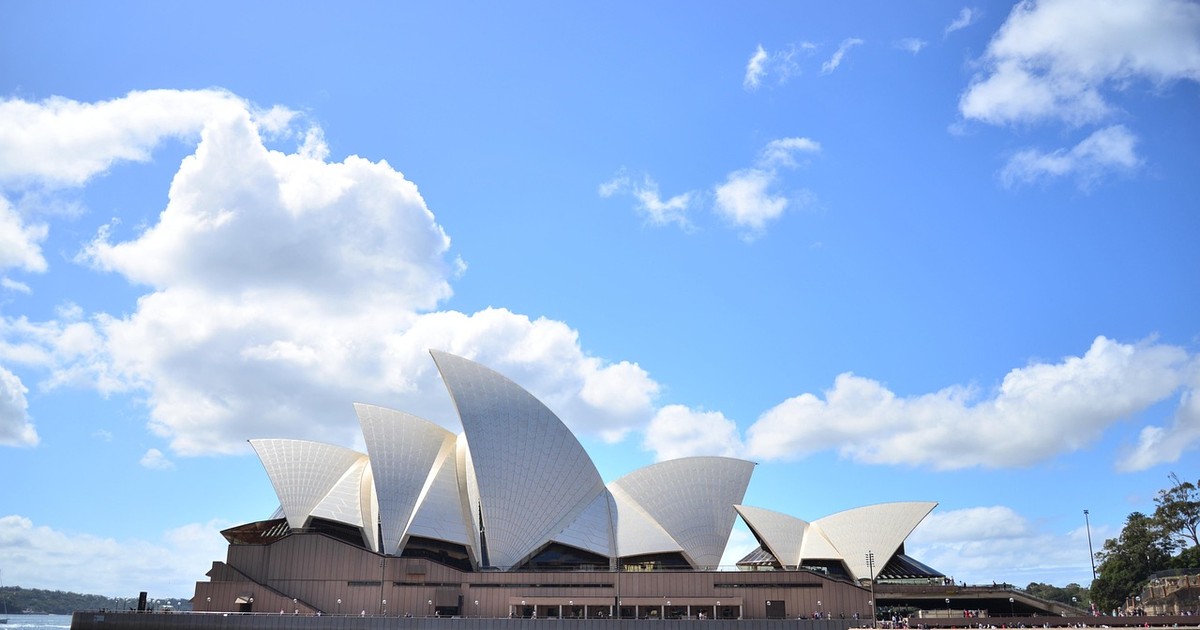
Anyone searching “video production Sydney” or “video company Sydney” from outside Australia is usually not looking for a wedding videographer — they are a producer, financier, or platform trying to work out whether Sydney can actually deliver on a shoot, a VFX pipeline, or a full production partnership. That is a different question from a local service directory, and it deserves a different kind of answer. This guide treats Sydney as a sourcing decision: what the city’s studio infrastructure actually looks like, what Australia’s federal and New South Wales incentives are worth in 2026, which Sydney-based production and service companies have real track records, and how Sydney stacks up against Melbourne and the Gold Coast when a location strategy is on the table.
None of this is theoretical for a financier or line producer building a 2026 or 2027 slate. Every incentive percentage, every soundstage dimension, and every crew-availability assumption below is sourced to a named body — Screen Australia, Ausfilm, Screen NSW, or a named trade outlet — because a location strategy built on a stale rebate figure or an unverified studio claim is a budget problem waiting to surface mid-shoot. Treat this as a sourcing brief, not a tourism pitch.
It also helps to be precise about what “video production Sydney” actually covers as a search term, because it collapses two very different buyer intents. A local business owner typing that phrase usually wants a same-day quote for a corporate video or event recap. An international producer, financier, or platform typing the same phrase is asking a structurally different question: can this city support a scripted feature, a branded content campaign at scale, or a VFX pipeline reliably enough to put a budget behind it. This guide answers the second question, and treats “video company Sydney” as the same underlying search — a vendor-discovery problem, not a directory lookup.
Key Takeaways
- Australia’s federal Location Offset pays a 30% rebate on qualifying large-budget film and TV spend (up from 16.5% before a 2023 reform legislated in July 2024), and the federal PDV Offset separately pays a 30% rebate on post, digital, and visual effects work regardless of where a project was shot (Ausfilm, 2026; arts.gov.au, 2026).
- Screen NSW layers state-level support on top through the discretionary Made in NSW fund and a separate NSW PDV rebate, both stackable with the federal offsets for eligible Sydney-based work (Screen NSW, 2026).
- Disney Studios Australia (formerly Fox Studios Australia) anchors Sydney’s studio infrastructure with eight soundstages across a 32-acre Moore Park site 15 minutes from the CBD, home to productions including The Matrix and Star Wars Episodes II and III (Ausfilm; NDY).
- Sydney is Australia’s largest VFX and animation hub, built around Animal Logic — founded in Sydney in 1991, Oscar-winner for Happy Feet, and now operating as Netflix Animation Studios Sydney after its 2022 acquisition (Wikipedia, Animal Logic).
- Melbourne’s Docklands Studios and the Gold Coast’s Village Roadshow Studios are real alternatives, not inferior options — each wins different project types on stage size, backlot access, and incentive stacking, covered in the comparison table below.
In This Guide
- What Makes Sydney a Global Video Production Hub?
- What Studio Infrastructure Does Sydney Offer International Productions?
- How Do Australian Federal Incentives Apply to a Sydney Shoot?
- What Additional Incentives Does Screen NSW Offer?
- How Does Sydney Compare to Melbourne and the Gold Coast?
- Which Sydney-Based Production and Service Companies Should International Producers Know?
- Why Do International Productions Choose Sydney Specifically?
- How Do You Vet a Sydney Production Partner Before Committing Budget?
- What Do Cost and Logistics Look Like for a Sydney-Based Project?
- What’s the Bottom Line on Sourcing Video Production Companies in Sydney?
- Frequently Asked Questions
What Makes Sydney a Global Video Production Hub?
Sydney is Australia’s largest production market by crew concentration and its single biggest VFX and animation center, anchored by Disney Studios Australia’s soundstage campus and a service-production ecosystem that has delivered work for Hollywood studios, global streamers, and international commercial brands for more than two decades. That combination — studio infrastructure, deep crew bench, and a currently competitive incentive stack — is why Sydney sits alongside Melbourne and the Gold Coast as one of Australia’s three primary production hubs, and typically the first stop for an international producer scoping the country.
The city’s production identity was not built by incentives alone. Sydney’s screen industry traces back to 20th Century Fox’s decision to build a purpose-built studio at the old Sydney Showground site in 1998, and to a generation of local VFX and animation founders — most notably Animal Logic’s Zareh Nalbandian and Chris Godfrey, who started a digital studio in Crows Nest in 1991, years before any Australian production incentive existed in its current form (Wikipedia, Disney Studios Australia; Wikipedia, Animal Logic).
For a producer or financier building a companion research file, this guide is deliberately scoped to live-action video and film production companies and production services in Sydney — it does not re-cover the financing-specific landscape in Vitrina’s directory of film financing companies in Australia, or the animation-specific studio directory in Top Animation Companies in Australia. Read those two alongside this guide if financing structure or animation-specific vendor selection is the next research step.
What Studio Infrastructure Does Sydney Offer International Productions?
Disney Studios Australia (formerly Fox Studios Australia) is Sydney’s core studio asset: eight soundstages ranging from roughly 7,586 to 38,000 square feet, spread across a 32-acre site at Moore Park, about 15 minutes from the Sydney CBD, alongside production offices, workshops, and roughly 60 independent entertainment businesses operating on-site (NDY; Wikipedia, Disney Studios Australia). The site was built by News Corporation in 1998 on the former Sydney Showground and has operated as part of The Walt Disney Company since 2019, following Disney’s acquisition of 21st Century Fox’s studio assets.
The facility’s track record is a genuine sourcing signal, not marketing copy: productions filmed there include The Matrix, Moulin Rouge!, Mission: Impossible II, Star Wars Episodes II and III, and Superman Returns (Wikipedia, Disney Studios Australia). That history matters because it demonstrates the site can support large-format, multi-month studio productions with international crews — not just local commercial and broadcast work.
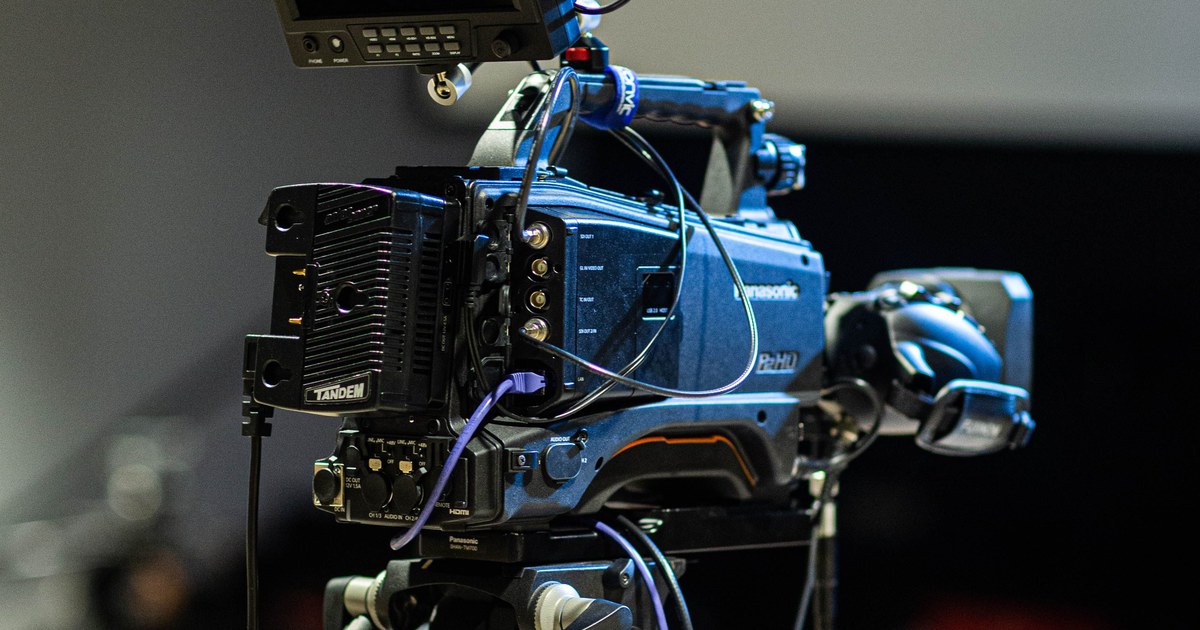
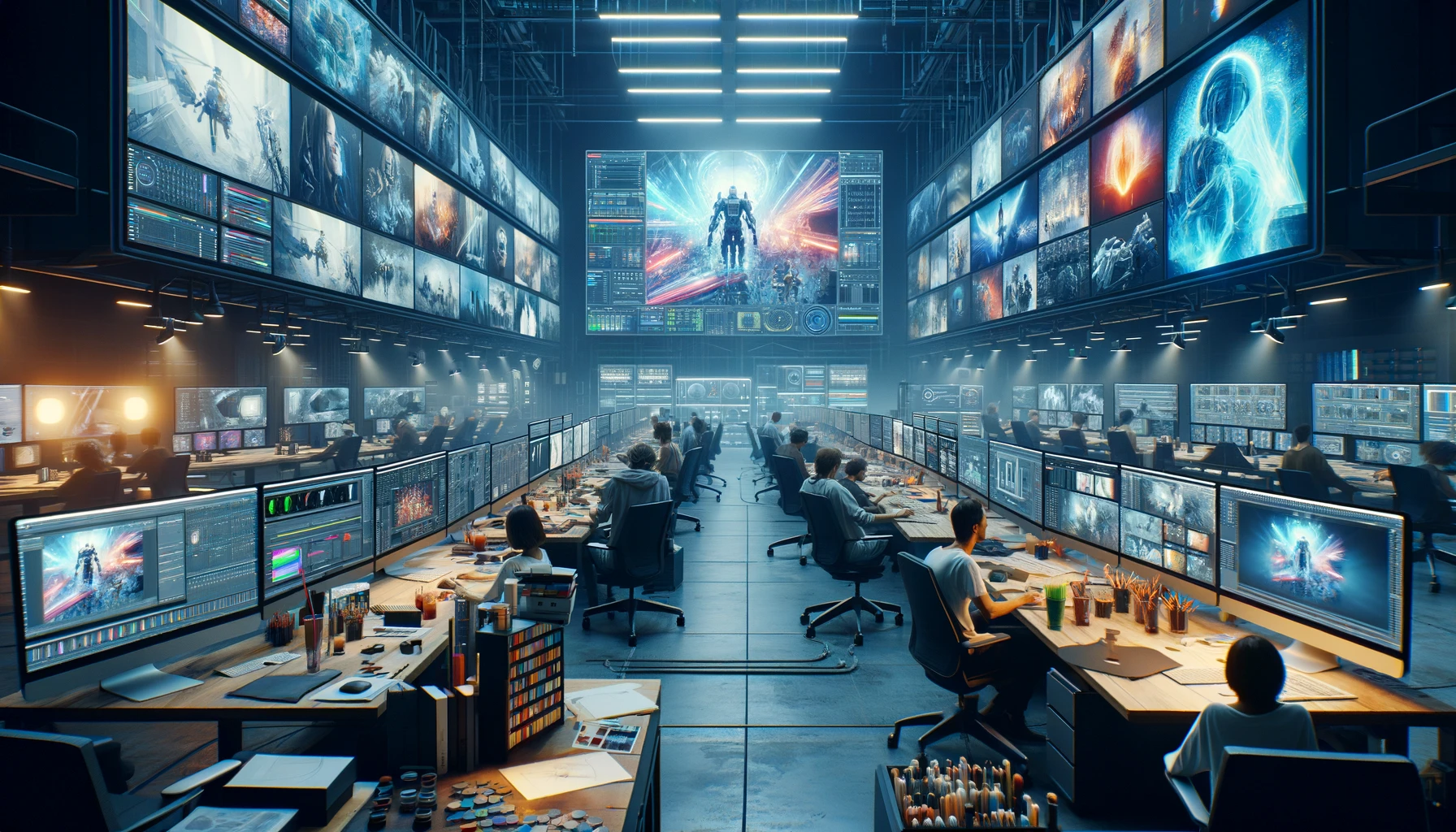
Beyond Moore Park, Sydney’s production infrastructure includes a wide layer of independent soundstages, backlots, and post-production facilities distributed across the metro area, supporting everything from feature production to commercial and branded video. The image below shows a typical Sydney post-production environment used for color grading and finishing work on international projects.
What Sydney does not have is a single soundstage larger than the Gold Coast’s biggest stage, or a total studio floor area that beats Village Roadshow Studios — a distinction covered in the comparison section below. For projects that specifically need the largest available stage in the country, or a dedicated backlot larger than Moore Park’s footprint, Melbourne and the Gold Coast are worth direct comparison before defaulting to Sydney.
How Do Australian Federal Incentives Apply to a Sydney Shoot?
Three federal offsets apply to Sydney-based production regardless of which state a company is registered in: the Location Offset pays a 30% rebate on qualifying large-budget film and TV production expenditure, the PDV Offset pays a separate 30% rebate on post, digital, and visual effects spend anywhere in Australia, and the Producer Offset pays 40% for Australian feature films or 30% for other Australian-content formats (Ausfilm, 2026; Screen Australia, 2026). These are administered federally, so the numbers below apply the same way whether a production books stages in Sydney, Melbourne, or the Gold Coast — the difference between cities is infrastructure and crew, not the federal rebate math.
The Location Offset’s current 30% rate is a real increase from its long-standing 16.5% level: the higher rate applies to projects that started principal photography on or after 1 July 2023, and the legislation formalizing it passed in July 2024 (Count Out Loud, 2026; Hoodlum, 2026). It requires a minimum of AUD $20 million in qualifying Australian production expenditure for a feature, or AUD $1.5 million per broadcast hour for television series, with an alternative AUD $35 million per-season threshold available for drama series starting principal photography on or after 1 July 2024 that don’t meet the per-hour test.
The PDV Offset operates on a much lower AUD $500,000 minimum spend and, critically, applies regardless of where the underlying production was shot — a film shot entirely in Europe or North America can still claim it by routing post, VFX, or digital finishing work through an Australian facility, including one based in Sydney (arts.gov.au, 2026). That structural feature is why Sydney’s VFX sector, covered in Vitrina’s directory of VFX companies in Australia, can win work from productions that never physically shoot in the country.
| Offset | Rate | Applies To | Minimum Spend |
|---|---|---|---|
| Location Offset | 30% | Large-budget film/TV shot in Australia | AUD $20M (film) / $1.5M per hour (TV) |
| PDV Offset | 30% | Post, digital & VFX work, any shoot location | AUD $500,000 |
| Producer Offset | 40% (feature) / 30% (other formats) | Australian content productions | AUD $500,000 (feature) / $250,000 (other, under 65 min) |
For a financier comparing Australia to other English-language service-production markets, Vitrina’s UK vs. Canada vs. Australia incentive comparison puts these federal rates in direct context against the two markets producers most often weigh against Australia for a 2026 shoot.
What Additional Incentives Does Screen NSW Offer?
Screen NSW layers state-level support on top of the federal offsets through two main channels: the discretionary Made in NSW fund for footloose feature films and major TV drama, and a separate NSW PDV rebate for post, digital, and visual effects work performed in the state (Screen NSW, 2026). Both are designed to be combined with the federal Location Offset, PDV Offset, and Producer Offset rather than used as a substitute for them.
Made in NSW is not a fixed-percentage rebate; it is a case-by-case discretionary fund aimed at attracting projects that could otherwise shoot anywhere. Its published TV Drama guidelines set out a specific band: projects with a total budget between AUD $5 million and $18 million can apply for funding of up to 10% of Qualifying NSW Spend, capped at AUD $1 million, across up to five competitive funding rounds a year (Screen NSW, Made in NSW TV Drama Guidelines, 2025). Feature films and other formats fall under a separate Made in NSW pathway with terms set on a project-by-project basis.
Separately, Screen NSW’s PDV rebate adds a state-level incentive on top of the federal 30% PDV Offset for post-production and VFX work delivered in NSW, at a AUD $500,000 minimum qualifying NSW PDV spend. For a Sydney-based post house or VFX vendor, that means a production can realistically combine a federal and a state-level PDV incentive on the same NSW-delivered work — a meaningfully different math than a market with only a single incentive layer.
The practical takeaway for a producer building a Sydney budget: incentive stacking here is not automatic. A production needs a named Screen NSW contact confirming Made in NSW round eligibility and PDV rebate qualification before a number goes into a financing model, the same discipline Vitrina covers in its breakdown of co-production tax breaks for treaty-based markets, where stacking rules are similarly project-specific rather than universal.
How Does Sydney Compare to Melbourne and the Gold Coast?
Sydney, Melbourne, and the Gold Coast are Australia’s three primary production hubs, and each wins on a different axis: Sydney on crew depth and VFX/animation concentration, the Gold Coast on raw studio floor area and Australia’s single largest soundstage, and Melbourne on a modern, LED-volume-equipped studio complex built around one superstage (Ausfilm; Ausfilm). None of the three is a strictly better choice than the others — the right hub depends on stage size needs, VFX pipeline requirements, and which state’s incentive stack fits the project’s budget band.
Village Roadshow Studios on the Gold Coast is Queensland’s flagship facility: nine soundstages with a combined floor area of roughly 165,600 square feet, including Stage 9, reported as Australia’s single largest soundstage at 262 feet long, 154 feet wide, and 59 feet high, plus three water tanks and a backlot (Ausfilm; Screen Queensland). Docklands Studios Melbourne runs six stages totaling close to 110,000 square feet, anchored by a 40,000-square-foot superstage with a water pit and two LED volumes operated by NantStudios — giving Melbourne a genuinely modern virtual-production capability that neither Sydney nor the Gold Coast currently matches at the same scale (Ausfilm).
| City / Studio | Soundstages | Largest Stage | Notable Strength |
|---|---|---|---|
| Sydney – Disney Studios Australia | 8 | ~38,000 sq ft | Largest VFX/animation cluster; 60+ on-site businesses |
| Melbourne – Docklands Studios | 6 | 40,000 sq ft (superstage) | Two LED volumes; modern virtual-production capacity |
| Gold Coast – Village Roadshow Studios | 9 | 40,000 sq ft (Australia’s largest single stage) | Largest total floor area (~165,600 sq ft); backlot + 3 water tanks |
For sourcing purposes, the honest read is that Sydney is the default starting point for producers who need deep crew benches and VFX/animation vendors in the same city as the shoot, while a project chasing the single biggest available stage, or a virtual-production-ready volume, has a defensible reason to look at the Gold Coast or Melbourne first. Vitrina’s broader directory of production houses across APAC is a useful next step for producers weighing Australia against other regional bases.
Which Sydney-Based Production and Service Companies Should International Producers Know?
Sydney’s production base splits into three practical tiers for an international buyer: large VFX/animation and broadcast operators with decades of delivered work, full-service commercial and branded-content producers with international client rosters, and a wider layer of corporate and digital-first video companies handling smaller-format work. None of the companies named below should be treated as a final vendor decision — they are a starting point for due diligence, not a substitute for it.
At the top tier, Animal Logic is Sydney’s best-known VFX and animation name: founded in Crows Nest in 1991, it moved onto the Fox Studios Australia lot in 1998, produced Happy Feet — the first computer-animated feature film made in Australia, which won the Academy Award for Best Animated Feature — and went on to deliver The LEGO Movie franchise before its animation and effects division was acquired by Netflix in 2022 and rebranded as Netflix Animation Studios Sydney and Vancouver (Wikipedia, Animal Logic). Endemol Shine Australia, now part of Banijay Entertainment, runs its Australian television production operation out of Sydney and is one of the country’s largest scripted and unscripted TV producers (Wikipedia, Endemol Shine Australia).
In the commercial and branded-content tier, FINCH produces advertising, branded content, and documentary work from its Sydney base with an established director and premium-crew network. Radical Orange, founded by television commercial directors, operates from Sydney and Hong Kong and has produced campaign work for Tourism Australia, Cathay Pacific, Qantas, and Toyota, among others. Shakespeare Media runs a dual Sydney-New York operation serving national and international brand clients, while Global Pictures, based in Surry Hills for more than 18 years, produces corporate video, TVCs, and branded content with a crew network extending across Australia and into New Zealand.
| Company | Specialization | Notable Credit / Detail |
|---|---|---|
| Animal Logic / Netflix Animation Studios Sydney | VFX, animation | Happy Feet (Oscar winner), The LEGO Movie; acquired by Netflix in 2022 |
| Endemol Shine Australia (Banijay) | Scripted & unscripted TV production | Sydney-headquartered Australian TV operation |
| FINCH | Commercial, branded content, documentary | Award-winning advertising production |
| Radical Orange | TVC / branded content | Sydney & Hong Kong; Tourism Australia, Qantas, Cathay Pacific |
| Shakespeare Media | Full-service video production | Sydney & New York offices |
| Global Pictures | Corporate video, TVC, branded content | Surry Hills-based; 18+ years; crew network into New Zealand |
Two additional notes matter for diligence. First, Vitrina’s worldwide talent management directory and its Australia-specific talent management guide are useful companion resources when a Sydney production partner search also requires casting or on-camera talent representation. Second, the Sydney post-production market has seen real churn — a reminder that a company’s historical reputation is not the same as its current operating status, and any shortlist needs a current-status check, not just a name-recognition check, before a contract is signed.
Why Do International Productions Choose Sydney Specifically?
International productions choose Sydney for a combination that is hard to replicate elsewhere: an English-speaking crew base built over three decades of Hollywood service work, a currently favorable AUD exchange rate that stretches a foreign production budget further, and a time-zone position that lets Sydney-based post and VFX teams turn around work overnight relative to Los Angeles (Entertainment Partners). None of these factors individually beats a straight incentive-percentage comparison against, say, the UK or Canada — together, they change the calculation.
The exchange-rate and crew-cost combination is a real, currently reported advantage: industry commentary from Ausfilm-adjacent sources describes the AUD’s favorable rate against the US dollar, combined with an experienced English-speaking crew base, as making Australian production budgets notably more affordable for international financiers in the current climate (Entertainment Partners). That is a variable input, not a fixed rate — it should be modeled against current exchange rates at the time of budgeting, not assumed to hold at any single historical figure.
Sydney’s time-zone position, roughly a full working day ahead of Los Angeles, is a genuine practical advantage for post-production and VFX workflows specifically: a Sydney team can review notes sent at the end of a Los Angeles workday, turn around revisions overnight Sydney time, and have updated work ready before the Los Angeles team’s next working day begins. That is a scheduling advantage layered on top of the currency and incentive gap, not a replacement for it — a production still needs to confirm pipeline compatibility and security certification separately, a point covered in more depth in Vitrina’s Australian VFX company directory.
Australia’s broader production volume trend also supports Sydney’s position: Screen Australia’s Drama Report recorded AUD $2.7 billion in drama production expenditure for 2024-25, a 43% surge on the prior year, with international productions accounting for nearly AUD $1.3 billion of that total — a figure reported to have almost tripled year-on-year (Variety, 2026, citing Screen Australia). Sydney, as Australia’s largest production market, captured a substantial share of that growth, though the report does not break the national total down by city in the coverage reviewed for this guide — a gap worth flagging rather than filling with an invented percentage.
Crew depth is the harder-to-quantify factor that experienced buyers weigh alongside the incentive math. Sydney’s production workforce has been built up over three decades of continuous Hollywood service work at Fox Studios Australia and its successor, Disney Studios Australia, plus the parallel growth of Animal Logic and its spin-off talent into a wider network of independent VFX and post shops. That history means a Sydney-based video production company is more likely to have crew who have already worked to US or UK studio delivery standards than a market without that service-production history — a qualitative advantage this guide states plainly rather than attaching an invented workforce percentage to it, since no verifiable, current city-by-city crew count was confirmed during research for this piece.
How Do You Vet a Sydney Production Partner Before Committing Budget?
Vetting a Sydney production company means confirming four things beyond a standard reel review: its actual delivered incentive claims rather than paper eligibility, its union and security certification status, its crew depth against your specific genre and format, and its current financial and operating stability. Each of these has tripped up international productions that skipped straight from a portfolio review to a signed contract.
Start with incentive track record, not eligibility. A company that lists Location Offset or PDV Offset experience on its website is different from one that has actually closed a claim with the Department of Infrastructure, Transport, Regional Development, Communications, Sport and the Arts — ask for a specific completed project reference naming the offset claimed and the percentage received. This is the same due-diligence discipline Vitrina covers in its guide to co-production tax breaks, where paper eligibility and delivered performance are consistently two different questions.
Second, confirm union affiliation and any facility security certification directly. Australian crew agreements and studio-level content security requirements affect day rates, turnaround rules, and what a streamer’s content-protection team will actually approve for a Sydney-based post pipeline — don’t take a company’s self-description of its certification status at face value without a current document.
Third, match crew and vendor depth to project type. A company with deep animation and VFX pipeline experience is not automatically the right partner for a live-action commercial shoot needing location scouting and a documentary crew, and vice versa — Sydney’s ecosystem is specialized by tier, and the right fit depends on matching a company’s actual delivered work to your format, not its marketing description.
Fourth, check current operating status and financial stability before signing anything. Sydney’s post-production market has seen at least one long-running facility exit the market in the past year, a reminder that historical reputation is not the same as current solvency — a distinction covered in Vitrina’s breakdown of production accounting standards financiers should check before a production partner receives a budget commitment.
What Do Cost and Logistics Look Like for a Sydney-Based Project?
A Sydney shoot or post project’s cost profile rests on three levers: the federal and NSW incentive stack described above, a currently favorable AUD exchange rate for foreign-currency financiers, and Sydney’s international flight connectivity, which supports crew and executive travel from North America, Asia, and Europe more directly than Melbourne or the Gold Coast for most international routes. None of these are guarantees written into a single rate card — they are variables a line producer needs to model against current numbers at the time of budgeting.
Incentive stacking should be modeled as a named, confirmed input, not a general assumption. A production targeting the federal Location Offset should confirm current Department of Infrastructure guidance on qualifying expenditure categories before locking a budget; a production routing PDV work to Sydney should separately confirm both the federal PDV Offset and Screen NSW’s PDV rebate eligibility with each body directly, since the two are administered separately and require separate applications. Vitrina’s guide to post-production financing options covers how producers structure funding around exactly this kind of multi-source incentive stack.
For projects layering Sydney into a broader distribution or rights strategy, it’s also worth checking how Australian-originated content is typically priced and licensed once delivered — a topic Vitrina covers directly in its territory-by-territory streaming and TV rights pricing breakdown, which includes Australia and APAC benchmarks relevant to a Sydney-originated production’s downstream value.
What’s the Bottom Line on Sourcing Video Production Companies in Sydney?
Sydney is a legitimate default choice for an international producer weighing Australia as a production base — not because it beats Melbourne or the Gold Coast on every metric, but because it combines a proven studio campus, the country’s deepest VFX and animation bench, and a 30%/30% federal incentive stack that has meaningfully improved since 2023. A project that specifically needs the largest available soundstage or a virtual-production-ready volume has a defensible reason to look at the Gold Coast or Melbourne first; a project that needs crew depth, VFX pipeline maturity, and proximity to Sydney’s broader production ecosystem has equally clear reasons to build its budget around Sydney.
Either way, the incentive rates, studio specifications, and companies named in this guide are a starting point, not a finish line. Confirming that a specific Sydney production company has actually delivered a project at your scale, under the specific federal or Screen NSW program you’re targeting, with the crew depth your genre and format require, is the work that separates a workable budget from a costly surprise mid-production. As of 2026, Vitrina tracks more than 300,000 production companies, 1.6 million titles, and 5 million industry professionals across 100+ countries specifically to replace that kind of directory guesswork with verified project history.
For producers still comparing markets rather than committing to one, it’s worth reading this guide alongside Vitrina’s companion sourcing pieces on other production hubs — including Florida and Manchester — since the same vetting discipline (verified incentive claims, current operating status, and matched crew depth) applies regardless of which city ends up on the call sheet. A “video production Sydney” search should end with a shortlist backed by verified data, not a list of the first five results a search engine returned.
Frequently Asked Questions
Is Sydney a good base for international video and film production?
Yes. Sydney combines Disney Studios Australia’s soundstage infrastructure, Australia’s deepest VFX and post-production bench led by Animal Logic, and a 30% federal Location Offset plus a 30% PDV Offset, making it one of the strongest English-language production bases outside North America.
What is the current Location Offset rate for filming in Sydney?
The federal Location Offset is a 30% rebate on qualifying Australian production expenditure, up from 16.5% before a 2023 reform that was legislated in July 2024, applying to eligible large-budget film and television projects regardless of which Australian city they shoot in.
Does the PDV Offset apply if I only send post-production and VFX work to Sydney?
Yes. The federal PDV Offset pays a 30% rebate on qualifying post, digital, and visual effects expenditure regardless of where a project was filmed, so a production shot anywhere in the world can still claim it by routing finishing work through a Sydney-based facility, subject to a AUD $500,000 minimum spend.
What is the Made in NSW fund and who qualifies?
Made in NSW is a discretionary Screen NSW program supporting footloose feature films and major TV drama that shoot in New South Wales; its TV Drama guidelines allow projects budgeted between AUD $5 million and $18 million to apply for up to 10% of Qualifying NSW Spend, capped at AUD $1 million, stackable with federal offsets.
How does Sydney compare to Melbourne and the Gold Coast for studio space?
Sydney’s Disney Studios Australia offers eight soundstages on a 32-acre Moore Park site, Melbourne’s Docklands Studios has six stages including a 40,000-square-foot superstage with two LED volumes, and the Gold Coast’s Village Roadshow Studios is the largest by total floor area at roughly 165,600 square feet across nine stages, including Australia’s single largest soundstage.
What should I check before hiring a Sydney production company?
Verify the company’s actual delivered incentive claims rather than eligibility on paper, confirm which crew union agreements and security certifications its facility holds, and check verified project history and financial stability rather than relying on a reel or self-reported client list.
Does Sydney’s time zone create a practical advantage for VFX and post work?
Sydney sits roughly a full working day ahead of Los Angeles, so a Sydney VFX or post team can turn around notes overnight and deliver revised work before an LA-based creative team starts its next day, a scheduling advantage on top of the currency and incentive gap rather than a substitute for it.
Vitrina AI — Production Sourcing Intelligence
Find and vet Sydney production partners with verified data, not directory guesswork
Search 300,000+ companies, 5 million+ professionals, and 30 million+ mapped relationships across 100+ countries — including verified incentive and project history for Australia’s production hubs.