About Innovation Hub
 Global Content Pulse (Webinars)


 Global Production Financing
(Webinars)
Global Production Financing
(Webinars)  LeaderSpeak Podcast
  Global Entertainment Digest (Newsletter)
  About Vitrina
 About VIQI
 Our Story
 Our Solutions 🔥
 Film+TV Projects Tracker 🚀
 Case Studies
 Our Profile
🗓 Last Updated: April 2026 | ⏱ 8 min read | ✍️ Rutuja Kokate
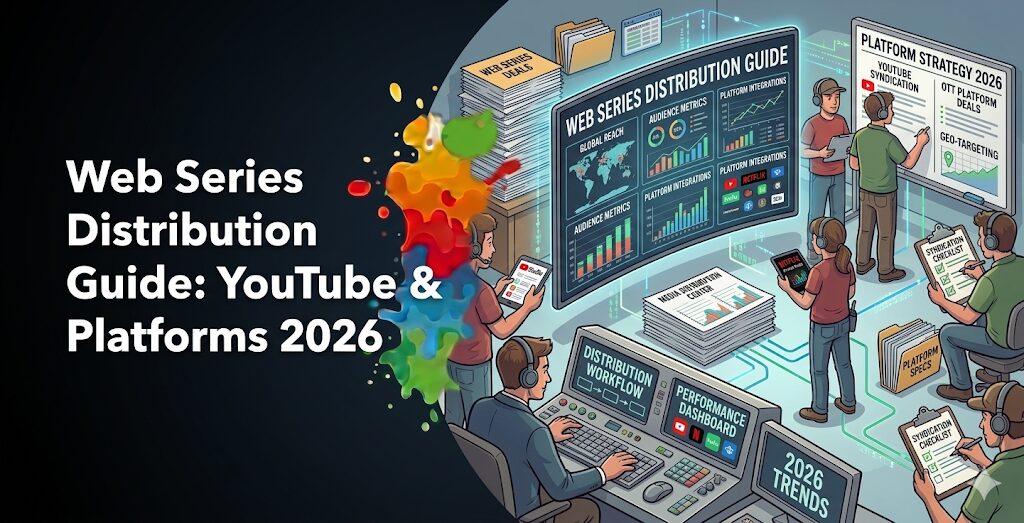
Web series distribution has evolved from a simple YouTube upload strategy into a complex multi-platform, multi-window rights management discipline. In 2026, a web series that succeeds globally is distributed across 5–8 platforms simultaneously, with carefully staged release windows, territory-specific licensing arrangements, and platform-native content adaptations. This guide covers everything creators, production companies, and streaming platforms need to know about mastering web series distribution across YouTube and the broader digital ecosystem.
⚡ Key Takeaways
- Successful web series in 2026 are distributed across 5–8 platforms using a structured multi-window strategy.
- YouTube remains the foundation layer — 2.7 billion monthly users and the world’s second-largest search engine.
- FAST platform CPM rates average $12–25 for US audiences; aggregators charge 15–30% revenue share.
- Netflix and major SVOD platforms require completed series, 2K+ production quality, and demonstrated audience demand.
- The optimal sequence: YouTube launch → AVOD/FAST → Regional OTT → SVOD (using YouTube data as your pitch asset).
- Structure early deals with limited exclusivity windows (90–180 days) to preserve multi-platform distribution rights.
📋 Table of Contents
- The Web Series Distribution Landscape in 2026
- YouTube Distribution: The Foundation Layer
- AVOD and FAST Distribution
- SVOD Platform Licensing
- Regional OTT Distribution
- Building a Multi-Window Distribution Strategy
- Technical Delivery Requirements for Multi-Platform Distribution
- The Future of Web Series Distribution
- Frequently Asked Questions
- Conclusion
The Web Series Distribution Landscape in 2026
The definition of “web series” has expanded significantly. What began as short-form, creator-driven content on YouTube now includes premium serialised drama and comedy produced by major studios specifically for digital-first distribution. Platforms commissioning and distributing web series in 2026 include:
- Ad-supported streaming (AVOD/FAST): YouTube, Tubi, Pluto TV, Peacock Free, Amazon Freevee, Samsung TV Plus, LG Channels
- Subscription streaming (SVOD): Netflix, Amazon Prime Video, Apple TV+, Disney+, Paramount+, Max
- Social video platforms: YouTube (premium), Instagram Reels, TikTok Series, Snapchat Discover
- Regional OTT platforms: Hotstar (India), iQIYI (China), Viu (Southeast Asia), Shahid (MENA), Showmax (Africa)
- Aggregators and content hubs: Plex, Xumo, Distro TV, Rakuten TV
A successful distribution strategy in 2026 does not choose one platform — it sequences them strategically across windows.
YouTube Distribution: The Foundation Layer
60–90 Days
The current post-theatrical streaming window for major web series and anime films in 2026 — down from 180 days in 2019. SVOD platforms are winning rights faster than ever.
Despite the proliferation of streaming platforms, YouTube remains the single most important web series distribution channel for reach and discoverability. With over 2.7 billion monthly logged-in users and the world’s second-largest search engine, YouTube provides organic discovery that no other platform matches.
YouTube Channel Requirements for Web Series
To monetise a web series on YouTube, your channel must meet the YouTube Partner Program (YPP) thresholds: 1,000 subscribers and either 4,000 watch hours in the past 12 months or 10 million Shorts views. For web series specifically:
- Episode length should be 8–20 minutes for maximum ad revenue (longer episodes have more mid-roll ad placements)
- Consistent episode cadence (weekly or bi-weekly) drives algorithmic favour
- Custom thumbnails and episode-specific metadata are required for search discoverability
- Series playlists with proper episode numbering improve watch session length
- Chapter markers within videos improve average view duration
YouTube Premium Licensing
YouTube offers licensing deals for high-quality web series through YouTube Originals and selective premium content partnerships. These are invite-only arrangements requiring demonstrated audience scale (typically 500K+ subscribers) and production quality meeting YouTube’s original content standards.
AVOD and FAST Distribution
Free, ad-supported streaming is the fastest-growing distribution category in 2026. FAST (Free Ad-Supported Streaming TV) channels on platforms like Tubi, Pluto TV, and Samsung TV Plus are actively acquiring web series content for scheduled and on-demand availability.
Key AVOD/FAST Distribution Considerations
- Content requirements: Most FAST platforms require a minimum of 6 episodes per series and minimum episode length of 18–22 minutes for linear FAST channels. Shorter episodes qualify for on-demand AVOD slots.
- Technical delivery specs: H.264 or H.265 encoding, minimum 1080p resolution, closed captions required for all major platforms. Many platforms now require HDR delivery.
- Revenue model: AVOD revenue is shared between the distributor and platform on a CPM basis. CPM rates on FAST platforms average $12–$25 for US audiences, significantly lower for international.
- Aggregator route: Most independent web series reach FAST platforms through aggregators (Distribber, BitMax, Filmhub) rather than direct platform deals. Aggregators charge either a flat fee ($200–$1,500 per series) or a revenue share (15–30%).
SVOD Platform Licensing
Licensing a web series to Netflix, Amazon Prime Video, or Apple TV+ provides the largest per-title revenue and greatest prestige — but it comes with significant requirements and trade-offs.
What SVOD Platforms Look For in Web Series
- Completed series only: Major SVOD platforms rarely license incomplete series. They typically want a minimum of one full season (6–10 episodes) delivered.
- Production quality: Netflix’s minimum technical specification requires 2K (2048×1080) resolution at minimum; 4K delivery preferred. Amazon and Apple TV+ have similar or higher requirements.
- Audience data: Having demonstrated YouTube or social platform viewership significantly strengthens a licensing pitch. 1M+ views on YouTube is a meaningful data point for SVOD licensing conversations.
- Rights availability: SVOD platforms require clean rights — no existing exclusivity deals in their target territories. Understand your rights landscape before approaching platforms.
How to Pitch a Web Series to SVOD Platforms
SVOD platforms accept web series submissions through content acquisition teams at major film markets (MIPCOM, MipTV, AFM), through represented agents and sales agents, and through co-production partnerships. Cold submissions without a relationship or representation are rarely successful. Building a relationship with a sales agent or content aggregator who has existing platform relationships significantly increases the probability of a licensing deal.
Regional OTT Distribution
Regional OTT platforms in South Asia, Southeast Asia, MENA, and Africa are aggressively acquiring web series content — particularly local-language series and genre content (thriller, romance, crime) with regional audience relevance.
Key regional platforms and their acquisition focus:
- Hotstar / Disney+ India: Hindi and regional language series; strong appetite for drama and thriller
- SonyLIV: Sports-adjacent drama, Hindi originals, South Indian language content
- iQIYI / Youku / Tencent Video: Chinese-language originals; also acquiring Korean, Japanese, and Thai content
- Viu: Southeast Asia; strong appetite for Korean drama remakes and local-language romance
- Shahid: Arabic-language drama and comedy; Egypt and Gulf Co-Production Council market focus
- Showmax: Sub-Saharan Africa; Nigerian, Kenyan, and South African local-language content
Regional OTT platforms are accessible through direct pitches at regional film markets and through content aggregators with established platform relationships. Vitrina AI maps OTT platform acquisition contacts and content acquisition preferences across 100+ countries, enabling producers to identify the right buyer for their specific series before approaching them.
Building a Multi-Window Distribution Strategy
The most commercially successful web series in 2026 follow a structured windowing strategy:
- YouTube launch: Build audience and viewership data (months 1–3)
- Social platform clips: TikTok, Instagram Reels, YouTube Shorts clips drive discovery (concurrent)
- AVOD/FAST licensing: License to FAST platforms after YouTube exclusivity window (months 4–6)
- Regional OTT: Pitch to regional platforms with YouTube viewership data as evidence of demand (months 3–6)
- SVOD pitch: With viewership data and FAST performance metrics, pitch to major SVOD platforms (months 6–12)
This approach maximises total revenue across windows while building the audience and data evidence that SVOD platforms require before committing to a licensing deal.
Technical Delivery Requirements for Multi-Platform Distribution
Different platforms have different technical specifications. A professional delivery package for multi-platform distribution should include:
- Master file: ProRes 4444 or uncompressed, 4K/UHD preferred
- Platform-specific encodes: H.264 for YouTube/AVOD, H.265/HEVC for SVOD platforms
- Closed captions: SRT, VTT, and DFXP formats for each territory
- Audio: Stereo mix + 5.1 surround mix where possible
- M&E (Music & Effects) track: Required for international dubbing/localisation
- Artwork package: Key art, episode stills, show logo at platform-specified dimensions
Frequently Asked Questions
How do I distribute a web series on YouTube and make money from it?
Join the YouTube Partner Program (requires 1,000 subscribers and 4,000 watch hours). Once monetised, YouTube places ads on your videos and shares revenue with you. For web series, optimise episode length to 8–20 minutes for mid-roll ads, maintain consistent upload cadence, and use custom thumbnails and chapter markers to improve watch time metrics.
Can I distribute my web series on Netflix?
Yes, but Netflix typically requires a completed series of production-quality episodes, demonstrated audience demand (YouTube or social viewership data helps), and clean rights in the territories Netflix wants to license. Most successful licensing deals go through sales agents or film market pitches rather than cold submissions. Having a content aggregator or sales agent with an existing Netflix relationship significantly improves your chances.
What is the difference between AVOD and FAST distribution for web series?
AVOD (Ad-Supported Video on Demand) means viewers watch on-demand with ads — like Tubi or YouTube. FAST (Free Ad-Supported Streaming TV) means your series is broadcast on a scheduled linear channel with ads, similar to traditional TV but delivered via internet — like Pluto TV channels or Samsung TV Plus. Both are free for viewers, with revenue generated from advertising. FAST channels typically require longer episode lengths (18+ minutes) and a minimum series length.
How do I find buyers for my web series internationally?
International buyers are accessible through film and TV markets (MIPCOM, MipTV, AFM, BCWW), content aggregators, and sales agents with regional platform relationships. Platforms like Vitrina AI allow producers to identify OTT platform acquisition contacts and content preferences by territory, making it possible to target the right buyers before approaching them cold.
How long does it take to get a web series on a streaming platform?
Timeline varies significantly. YouTube upload is immediate. AVOD/FAST platforms via aggregators typically take 4–12 weeks for content to appear after submission. Major SVOD licensing deals (Netflix, Amazon) can take 3–18 months from initial pitch to content live on platform, depending on deal complexity and platform acquisition cycles.
What rights do I need to retain to distribute a web series across multiple platforms?
To multi-platform distribute, you need to retain digital distribution rights across all relevant territories. Avoid signing exclusive deals with a single platform early unless the financial terms justify exclusivity. Structure initial deals with limited exclusivity windows (90–180 days) and specific territory limitations so that you can license to other platforms and regions after the exclusivity period.
The Future of Web Series Distribution
AI-powered content recommendation, interactive episode formats, and the growth of FAST platforms in emerging markets are reshaping web series distribution in 2026. Producers and studios that build multi-platform distribution capabilities — understanding both the technical requirements and the commercial dynamics of each platform category — will be best positioned to maximise the commercial life of their content across its full distribution window.
For production companies and platforms mapping distribution partners, acquiring content, or building international co-production pipelines, Vitrina AI provides verified platform contact data, acquisition preferences, and deal intelligence across the global entertainment supply chain.
Conclusion
Web series distribution in 2026 rewards producers who think in systems, not single platforms. The creators and companies that build multi-window distribution pipelines — sequencing YouTube, AVOD/FAST, regional OTT, and SVOD in deliberate order — extract significantly more commercial value from their content than those who default to a single-platform strategy.
The key to unlocking SVOD deals is building audience data first. YouTube viewership figures are the most powerful asset you can bring to a licensing conversation with Netflix, Amazon, or a regional OTT platform. Start there, build your evidence, then move up the value chain.
Find OTT platform acquisition contacts, content preferences, and distribution partners across 100+ countries on Vitrina AI.

Rutuja Kokate
Content Writer — Entertainment Supply Chain | Vitrina AI
Rutuja specialises in the global entertainment supply chain, translating complex production-to-distribution workflows into clear, strategic insights for studios, platforms, and service providers navigating the evolving film and TV ecosystem.