How Technical Leads Are Automating Film Post-Production Tasks Faster

Share
Share
Automating Film Post-Production

Best AI platforms for automating film post-production tasks are specialized software solutions that leverage machine learning to streamline workflows such as rotoscoping, color grading, and localization.

This involves integrating vertical AI tools into traditional pipelines to reduce manual labor by up to 70% in repetitive tasks.

According to industry data, the global VFX market reached $18.2 billion in 2024, with demand concentrated in episodic streaming content requiring rapid turnaround times.

In this guide, you’ll learn proven strategies for platform selection, step-by-step integration workflows, and real-world case studies from studios achieving 5x faster delivery.

While most resources provide generic lists of AI tools, they often fail to address the technical nuances of pipeline integration or provide evidence of real-world ROI for professional studios.

This comprehensive guide addresses those gaps by bridging the divide between tool discovery and professional application, focusing on high-impact automation for the modern supply chain.

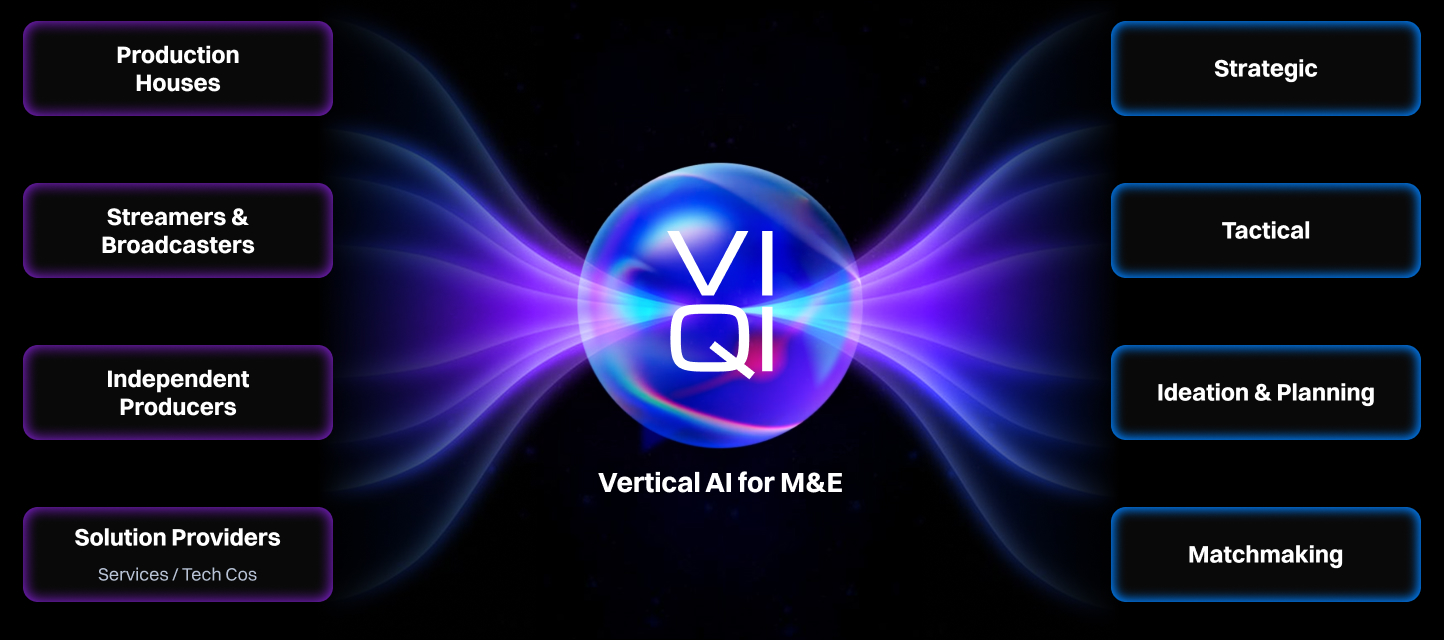
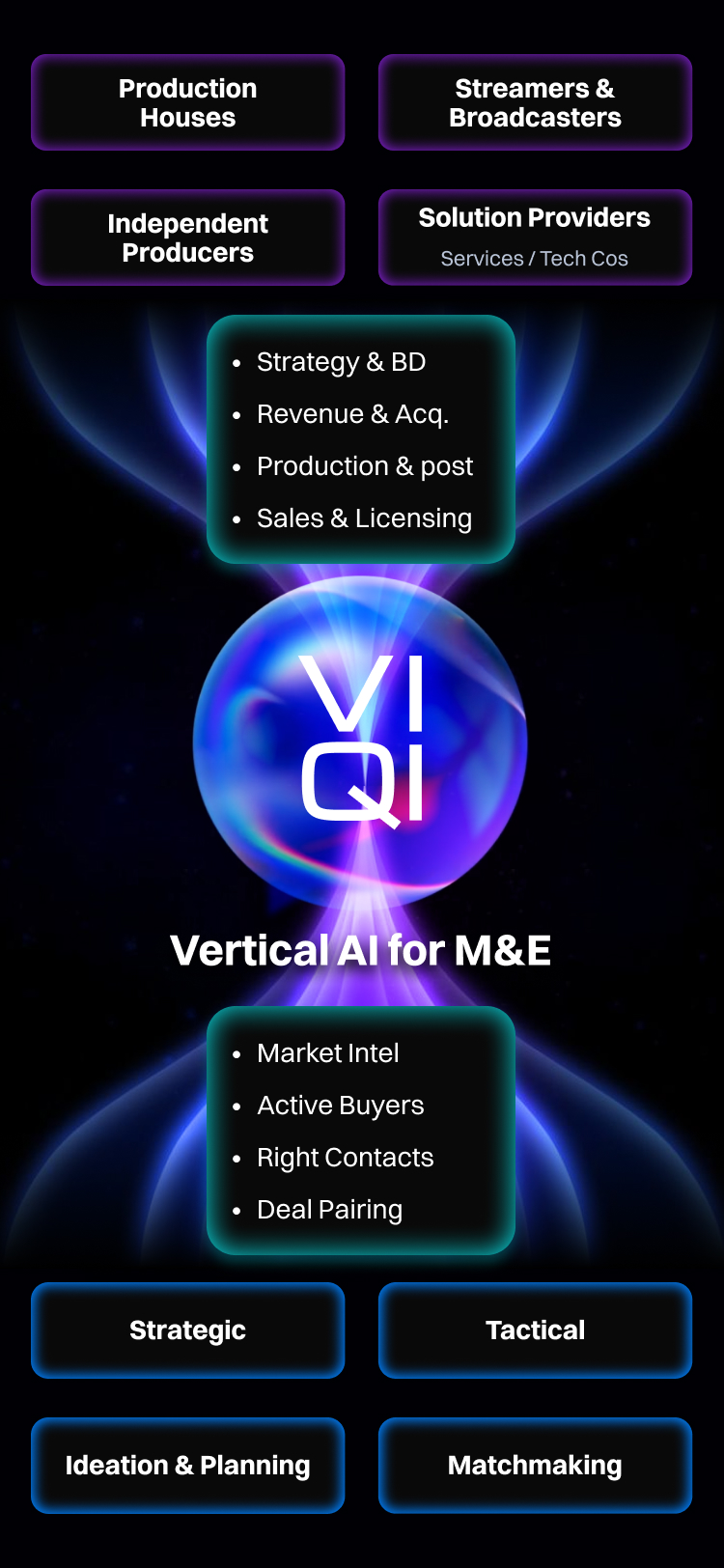
Your AI Assistant, Agent, and Analyst for the Business of Entertainment

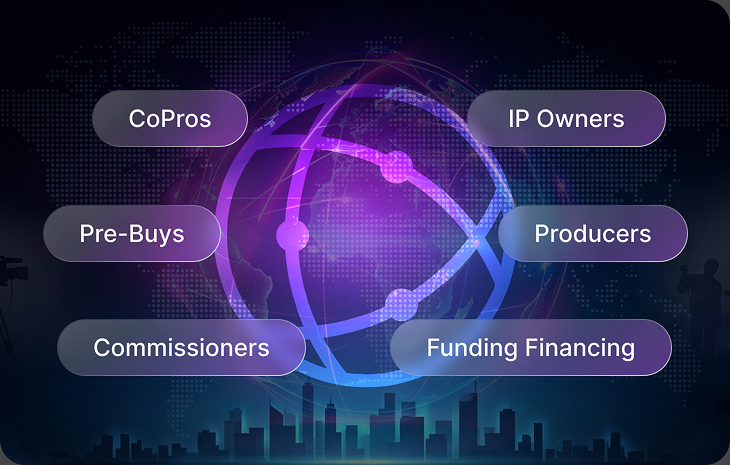
VIQI AI helps you plan content acquisitions, raise production financing, and find and connect with the right partners worldwide.


Key Takeaways for Technical Leads

  • Pipeline Visibility Advantage: Service providers monitoring real-time project data engage productions during active bidding windows, increasing win rates by 40%.

  • Vertical AI Integration: Studios using vertical AI tools for repetitive tasks like rotoscoping reduce manual labor hours by 70% in high-volume episodic pipelines.

  • Data-Driven Vendor Discovery: Technical leads leverage supply chain platforms to identify niche localization and post partners 5x faster than manual network searches.


What is Post-Production Automation in 2025?

Post-production automation is the strategic application of AI-driven tools to handle labor-intensive film tasks that traditionally required thousands of man-hours. This shift is transforming the industry from an art-only discipline into a data-powered framework. By 2025, automation has moved beyond simple “filters” to intelligent systems capable of understanding scene context. This addresses the critical “data deficit” in the entertainment supply chain where manual sourcing and tracking are no longer sustainable.

Target active episodic series entering post-production:


How Do AI Platforms Automate Complex VFX Tasks?

AI platforms automate VFX tasks by utilizing computer vision and machine learning to analyze pixel data for depth, movement, and lighting. In traditional workflows, rotoscoping a complex action sequence could take weeks; today, vertical AI models can generate initial masks in hours. This efficiency allows studios to focus their senior talent on creative direction rather than “pixel pushing.” Platforms like those used by MARZ or Outpost VFX are already demonstrating how to blend art with technical precision through proprietary voice and vision stacks.

Industry Expert Perspective: The CEO Masterclass: Culture, Crisis, and Compounding Growth at Outpost VFX

Duncan McWilliam explores the massive changes impacting the entertainment supply chain, including how AI and industry transformation are reshaping VFX studio operations.

Key Insights

Duncan McWilliam discusses his journey, the growth of Outpost VFX, and the massive changes impacting the entertainment supply chain, including AI, industry transformation, and macroeconomic shifts.


Real-World Success: From Studio Bottlenecks to 5x Speed

PhantomFX: Blending Art and Innovation. PhantomFX, a leading VFX house, faced the challenge of scaling their operations for high-volume Netflix and Hollywood projects. By integrating AI-driven automation into their CGI and asset management pipelines, they achieved significant speed improvements in shot tracking and lighting matching. Their founder, Bejoy Arputharaj, notes that the future of VFX isn’t just about the art, but about how quickly that art can be delivered to global audiences without sacrificing quality.

Localization Leaders: DeepDub and Dubformer. In the world of distribution, AI dubbing and localization platforms like DeepDub and Dubformer are breaking down global barriers. These platforms use emotional AI voice stacks to synchronize sight and sound, allowing content to move from one territory to another in days rather than months. This addresses the “fragmentation paradox” by enabling regional hits like “Squid Game” to go global almost instantly through authorized data markets.


How Supply Chain Intelligence Powers Vendor Discovery

For technical leads, the biggest barrier to automation isn’t just the tools, but finding the right partners to implement them. Vitrina AI functions as a “digital lighthouse” in this fragmented market, tracking over 140,000 companies and 30 million industry relationships. By leveraging tools like the Global Film+TV Projects Tracker, technical teams can identify which productions are currently in the post-production stage and pitch their automated services during the active bidding window, rather than waiting for trade announcements.

Moving Forward

The shift toward automated post-production is no longer optional in an industry defined by weaponized distribution and rapid content mandates. This transformation directly addresses the gaps in technical depth and real-world application that have historically plagued the sector. By adopting data-driven frameworks, studios are converting high-risk manual tasks into predictable, scalable sciences.

Whether you are a technical lead looking to optimize internal pipelines, or a service provider trying to target high-value productions, actionable intelligence is the primary driver of operational velocity.

Outlook: Over the next 18 months, the integration of authorized generative AI through landmark deals will formalize the post-production supply chain, making specialized intelligence platforms the definitive source of truth for global collaboration.

Frequently Asked Questions

Quick answers to the most common queries about the AI post-production automation space.

Which AI platforms are best for automating VFX tasks?

Vertical AI platforms specialized in specific tasks like rotoscoping, shot tracking, and depth mapping are best. Tools from companies like MARZ and Outpost VFX lead the market by integrating these into professional pipelines for 5x faster delivery.

How does AI automate film color grading?

AI automates color grading by analyzing reference frames and applying consistent LUTs and color balances across entire sequences. This ensures visual continuity across episodic content while allowing colorists to focus on artistic adjustments rather than technical matching.

Can AI automate the editing process for feature films?

While AI can automate “rough cuts” by analyzing dialogue and scene changes, feature film editing remains a creative discipline. AI currently excels at technical prep, such as syncing audio and organizing rushes, saving editors significant time.

Is AI localization replacing traditional dubbing?

AI localization is augmenting rather than replacing traditional dubbing by handling high-volume content like documentaries and corporate videos. For premium titles, it provides an “authorized data” baseline that enhances rather than replaces human performances.

About the Author

Our expert team specializes in entertainment supply chain intelligence, with decades of experience mapping global production and post-production workflows. We bridge the gap between technology and industry strategy. Connect on Vitrina.


Find Film+TV Projects, Partners, and Deals – Fast.

VIQI matches you with the right financiers, producers, streamers, and buyers – globally.

Not a Vitrina Member? Apply Now!

Vitrina tracks global Film & TV projects, partners, and deals—used to find vendors, financiers, commissioners, licensors, and licensees

Vitrina tracks global Film & TV projects, partners, and deals—used to find vendors, financiers, commissioners, licensors, and licensees

Not a Vitrina Member? Apply Now!

Real-Time Intelligence for the Global Film & TV Ecosystem

Vitrina helps studios, streamers, vendors, and financiers track projects, deals, people, and partners—worldwide.

  • Spot in-development and in-production projects early
  • Assess companies with verified profiles and past work

  • Track trends in content, co-pros, and licensing
  • Find key execs, dealmakers, and decision-makers

Who’s Using Vitrina — and How

From studios and streamers to distributors and vendors, see how the industry’s smartest teams use Vitrina to stay ahead.

Find Projects. Secure Partners. Pitch Smart.

  • Track early-stage film & TV projects globally
  • Identify co-producers, financiers, and distributors
  • Use People Intel to outreach decision-makers

Target the Right Projects—Before the Market Does!

  • Spot pre- and post-stage productions across 100+ countries
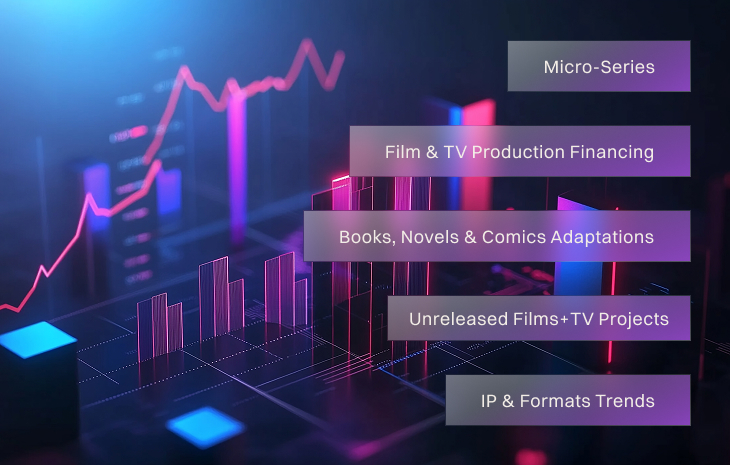
  • Filter by genre and territory to find relevant leads
  • Outreach to producers, post heads, and studio teams

Uncover Earliest Slate Intel for Competition.

  • Monitor competitor slates, deals, and alliances in real time
  • Track who’s developing what, where, and with whom
  • Receive monthly briefings on trends and strategic shifts