About Innovation Hub
 Global Content Pulse (Webinars)


 Global Production Financing
(Webinars)
Global Production Financing
(Webinars)  LeaderSpeak Podcast
  About Vitrina
 Our Story
 Our Solutions 🔥
 Film+TV Projects Tracker 🚀
 Case Studies
 Our Profile

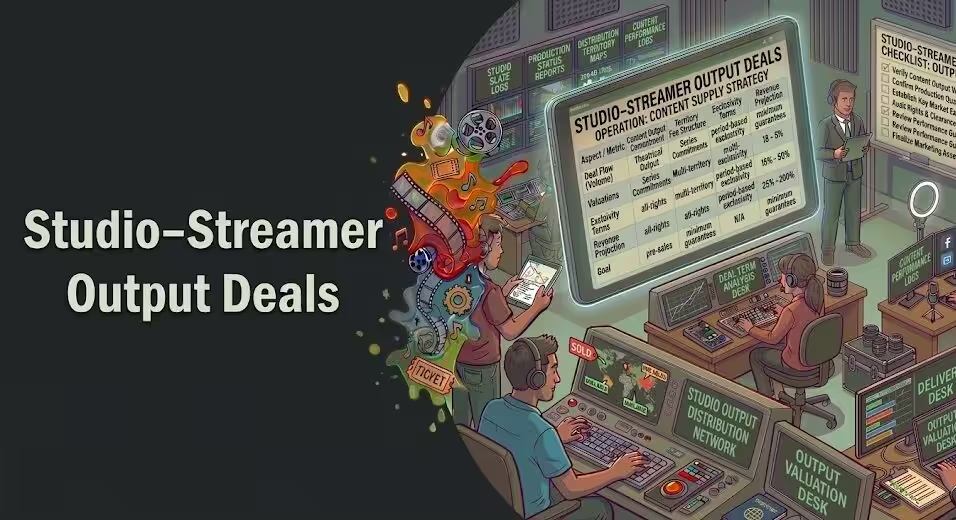
An output deal is a strategic distribution agreement where a buyer (platform or broadcaster) commits to licensing a studio’s entire production slate over a fixed period.
Unlike single-title acquisitions, these agreements provide studios with guaranteed capital flow and predictable market placement, effectively de-risking the high-cost production cycle.
In the current “Weaponized Distribution” era, these deals have evolved into complex, multi-window structures that require verifiable supply chain data to execute.
This guide explores the structural mechanics of these agreements and how modern studios use intelligence platforms to identify high-liquidity partners.
While the major “Big Six” studios once dominated this space, the fragmentation of the global market has opened opportunities for independent mid-level studios to secure regional output deals.
We provide the technical roadmap for negotiating volume commitments and managing territorial rights using 2025’s most advanced discovery tools.
Table of Contents
What is the Mechanics of an Output Deal?
An output deal functions as a “futures contract” for entertainment content. The distributor agrees to acquire all titles produced by a studio that meet specific criteria (genre, budget, rating) over a set term, typically three to five years. In exchange, the studio receives a fixed license fee per title, often calculated as a percentage of the production budget or box office performance.
This arrangement creates a symbiotic relationship: the studio secures “shelf space” and financing visibility, while the distributor guarantees a steady stream of premium content to reduce churn on their platform. In the global supply chain, these deals are the backbone of regional market dominance.
Identify buyers currently seeking volume-based output agreements:
Industry Expert Perspective: The Economics of Long-Term Distribution Commitments
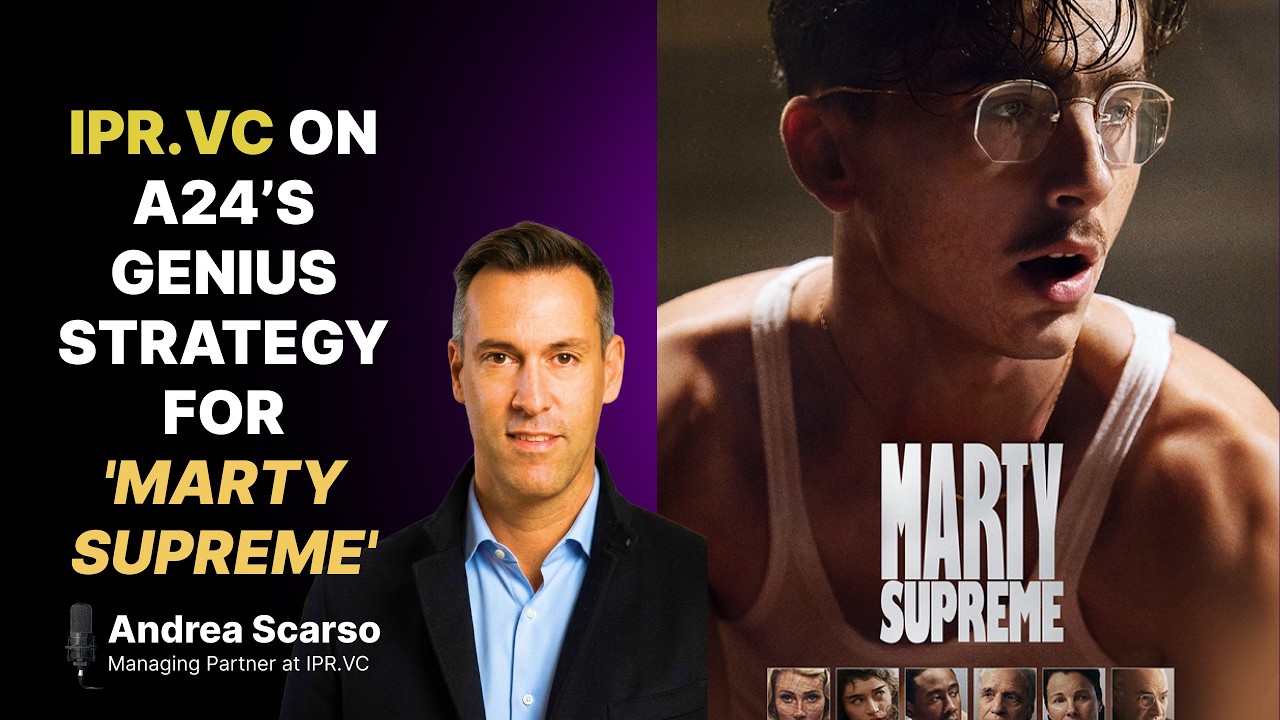
Kirsty Bell, CEO of Goldfinch, discusses why bridging the gap between art and enterprise through disciplined business models—like output-ready slates—is essential for securing global creative economies.
How Studios Secure the Distribution Agreement?
Securing an output deal requires studios to move beyond the “creative pitch” and enter the realm of supply chain engineering. Buyers are no longer looking for one-off hits; they are looking for production infrastructure that can consistently meet their metadata and delivery standards.
Key tactics include:
- Volume Consistency: Demonstrating the ability to produce 5-10 titles annually within a specific budget bracket.
- Cross-Collateralization Strategy: Structuring deals where high-performing hits offset the risk of niche titles within the same slate.
- Reputation Verification: Using platforms like Vitrina to provide “verified track records” and reputation scores to mitigate buyer risk.
Verify the deal history of potential distribution partners:
Leveraging Supply Chain Intelligence for Deal Negotiation
In a market with over 600,000 companies, identifying the “right” output partner is no longer a matter of personal network. Studios now leverage vertical AI tools like VIQI to map 30 million relationships across the ecosystem. This allows them to see exactly which distributors have gaps in their 2026/27 schedules and what genres are currently under-represented in their catalog.
By performing “precision outreach” to the top 100 high-value targets identified through data, studios can compress the negotiation cycle from twelve months to just weeks. This “information gain” provides a significant competitive moat against legacy players relying on fragmented spreadsheets.
Key Takeaways for Studio Leads
-
De-Risking Production: Output deals provide the capital predictability needed to greenlight multiple projects simultaneously.
-
Partner Discovery: Accessing verified profiles of 140,000+ companies ensures you are pitching to liquid buyers, not “ghost” entities.
-
Strategic Windowing: Modern deals incorporate “Weaponized Distribution” clauses, allowing for licensing to rivals after a fixed exclusive window.
Moving Forward
As the industry moves toward a data-powered framework, the ability to secure multi-year distribution agreements is the defining characteristic of a resilient studio. By bridging the “data deficit” through structured intelligence, senior executives can now navigate global partnerships with unprecedented transparency.
The future of distribution is borderless and data-driven. Studios that master the technology of partner discovery will not only survive the “Streaming Wars” but will define the next decade of content monetization.
Frequently Asked Questions
Strategic answers regarding studio-level distribution agreements.
What is an output deal in the film industry?
How is an output deal different from a negative pickup?
What are the common terms in a distribution agreement?
Why do distributors sign output deals?
How can I find active output deal buyers?
What is “Cross-Collateralization” in slate deals?
How does Vertical AI assist in negotiations?
Can independent studios secure output deals?
About the Author
Our Supply Chain Intelligence team focuses on decoding the financial and operational structures of the global entertainment market. With proprietary data mapping 600,000+ entities, we provide the clarity needed to secure high-stakes agreements. Connect via Vitrina.