Africa’s film distribution market doesn’t look like the briefing you got five years ago. And if you’re still working from 2021 assumptions—one dominant Nollywood player, fragmented theatrical, no streaming infrastructure worth mentioning—you’re misreading one of the fastest-moving content markets in the world right now.
The continent’s film distribution companies are navigating a structural shift that’s happening in real time: Nollywood output crossing 2,500 titles per year, Netflix’s active investment in African originals, a pan-African theatrical network expanding beyond Lagos and Johannesburg, and local streaming platforms gaining genuine subscriber traction where DSTV used to dominate unchallenged. As we covered in our overview of Africa’s top film distribution companies, the market’s complexity runs deeper than most international buyers realize.
This guide maps the top film distribution companies in Africa for 2026—who they are, what they actually control, which markets they move in, and how smart M&E executives are positioning their slates to capture the ROI that Africa’s distribution infrastructure finally makes possible.
Table of Contents
Ask VIQI: Who Are the Right Distribution Partners for My African Slate?
VIQI is Vitrina’s AI assistant—trained on 1.6 million titles, 360,000 companies, and 5 million entertainment professionals. Ask it to surface African distribution partners by territory, genre, theatrical vs. streaming reach, or content type.
✔ Included with 200 free credits  | ✔ No credit card needed
Why Africa’s Film Distribution Market Matters Right Now
Here’s the number that reframes everything: Africa’s population is projected to reach 2.5 billion by 2050, with a median age under 20. The fastest-growing film-going demographic on earth lives there—and the distribution infrastructure is finally catching up to the audience size.
Nigeria produces over 2,500 films per year—making Nollywood the world’s second-largest film industry by volume, behind Bollywood and ahead of Hollywood. But volume without distribution infrastructure is just content sitting on a hard drive. That’s been Africa’s constraint for two decades. It’s what’s changing now—fast.
The theatrical footprint is expanding. New multiplexes are opening in Lagos, Nairobi, Accra, and Johannesburg. FilmOne Entertainment has driven Nigerian box office records to levels unthinkable five years ago. Ster-Kinekor runs the continent’s largest theatrical circuit from South Africa. Pan-African booking platforms are beginning to bridge what was previously a territory-by-territory distribution maze.
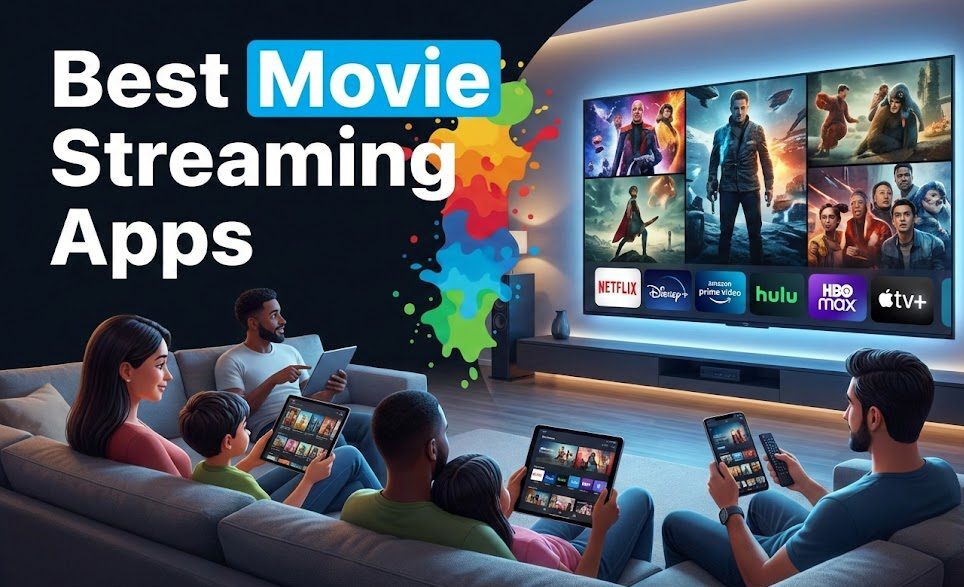
Streaming is layering over theatrical—not replacing it. Netflix commissioned African originals. Showmax (relaunched with a sports-heavy pan-African strategy) is investing in local content. Africa Magic (MultiChoice/DSTV) remains the dominant pay-TV force with 22 million subscriber households. And local platforms like iROKO TV and Buni.tv are carving out digital-first niches the global streamers aren’t fully serving.
For M&E executives outside Africa—international sales agents, co-production partners, content buyers—this market isn’t a long-term bet anymore. It’s a current-window opportunity. But it only works if you understand who actually controls distribution in each region, and what those relationships cost to build vs. buy.
Screen International has tracked the continent’s theatrical recovery consistently—African box office across key markets grew meaningfully through 2024–2025, with Nigeria, South Africa, Kenya, and Ghana leading theatrical expansion.
Top Film Distribution Companies in Africa 2026
These companies aren’t just distributing films. They’re building the commercial infrastructure that determines which content gets seen by Africa’s 1.4 billion people—and which stays invisible. Here’s who controls the flow.
1. FilmOne Entertainment (Nigeria)
FilmOne Entertainment is Nigeria’s most powerful theatrical distribution company and the engine behind Nollywood’s most successful box office runs. Co-founded by Moses Babatope, FilmOne has distributed Nollywood titles including The Black Book and A Tribe Called Judah—both of which crossed into Netflix’s international catalog. Babatope has been direct about FilmOne’s strategy: the company isn’t just moving tickets, it’s creating the commercial framework that makes Nollywood IP financeable and exportable. Their theatrical relationships span the multiplexes that have transformed Lagos cinema culture over the past 5 years. For any international buyer or co-production partner looking at Nigerian content, FilmOne is the first call—not the second.
Moses Babatope, co-founder and Managing Director of FilmOne, speaks with Vitrina’s Atul Phadnis on Nigeria’s film market structure, the demand for international content inside Nigeria, and why Nollywood’s epic, drama, and crime genres are export-ready right now:
2. Ster-Kinekor Theatres (South Africa)
Ster-Kinekor is the largest theatrical exhibition and distribution network in sub-Saharan Africa, with over 600 screens across South Africa and growing regional presence. As the South African franchise for Hollywood studios including Disney, Warner Bros, and Universal, they’re the gateway for any international content entering Southern Africa’s theatrical market. Their distribution arm handles both local South African productions and international releases—and their premium formats (Cine Prestige, IMAX) are a genuine box-office driver in the South African market. If you’re clearing Southern African theatrical rights, Ster-Kinekor sets the terms.
3. MultiChoice / Africa Magic (South Africa / Pan-African)
MultiChoice runs the most influential pay-TV distribution network in Africa through its DStv satellite platform—serving 22 million subscriber households across 50 countries. Its Africa Magic channel cluster is the home of Nollywood’s mainstream audience, and the company’s Showmax streaming platform has been rebuilt with a pan-African content strategy. Any serious discussion of African content rights that doesn’t include MultiChoice’s terms is an incomplete negotiation. Their licensing decisions affect not just South Africa but English-speaking West Africa, East Africa, and large parts of francophone Africa via their sub-brand channels. Producers with African content rights should understand MultiChoice’s windowing preferences before signing any first-look deal with a competing platform.
Track African Distribution Partners Across 140,000+ Companies
Trusted by Netflix, Warner Bros, and Paramount. Join 140,000+ M&E companies tracking the global entertainment supply chain—including African theatrical, streaming, and broadcast distribution networks.
✔ 200 free credits  | ✔ No credit card required  | ✔ Full platform access
4. EbonyLife (Nigeria / International)
EbonyLife, founded by Mo Abudu, operates at the intersection of production and strategic distribution—and it’s the most internationally connected company in Nollywood’s premium tier. EbonyLife has signed deals with Sony Pictures Television and Netflix, distributing premium Nigerian content including Blood Sisters and Shanty Town globally. Abudu’s strategy is clear: she’s not building a regional distributor. She’s building a global entertainment company that happens to be headquartered in Lagos. For international co-production partners looking for African IP with genuine global distribution reach, EbonyLife is the strategic partner—not a local intermediary.
5. Blue Pictures (South Africa)
Blue Pictures is South Africa’s leading independent film distribution company, handling theatrical and home entertainment releases for a roster that blends local South African productions with international acquisitions. Their theatrical relationships span the South African market beyond Ster-Kinekor’s premium multiplex footprint—including independent cinema programming that’s essential for arthouse and specialty content. For international distributors seeking South African theatrical representation, Blue Pictures handles the ground-level execution that major studios often don’t service directly at local market level.
6. Silverbird Film Distribution (West Africa)
Silverbird Film Distribution, part of the Silverbird Group, operates the most established multiplex network in West Africa outside Nigeria—with cinemas in Ghana and other anglophone markets. Their distribution arm handles both Hollywood output deals and local West African productions, positioning them as the bridging company between Nollywood’s Lagos-centric infrastructure and the broader anglophone West African theatrical market. If your content clears Nigeria through FilmOne, Silverbird is often the natural next call for Ghana and beyond.
7. iROKO Partners (Nigeria / Digital)
iROKO Partners, founded by Jason Njoku, built the first major digital distribution platform for Nollywood content—often called “the Netflix of Africa” before Netflix arrived in Africa. iROKO’s library of over 5,000 Nollywood titles represents decades of IP acquisition and digital distribution expertise. Their model has evolved as competition intensified—today iROKO focuses on niche diaspora markets and content licensing rather than competing head-to-head with global streamers. For rights holders with older Nollywood catalog, iROKO remains an active licensing partner with distribution reach into the African diaspora across the UK, US, and Canada.
8. Cinémas du Monde / Canal+ (Francophone Africa)
Canal+ is the dominant pay-TV and content distribution force in francophone Africa—operating across more than 25 countries from Senegal and Côte d’Ivoire to Cameroon and the DRC. Their Canal+ Africa platform combines premium international content with local francophone African original productions, and their theatrical arm co-programs screens in markets where formal multiplex infrastructure is still developing. If you’re distributing French-language African content or French-dubbed international content, Canal+ Africa’s windowing decisions will define your recoupment timeline. Don’t approach this market without understanding their multi-territory licensing structure first.
9. Njoro wa Uba Films / Kenya Film Distribution (East Africa)
Kenya’s distribution market is growing faster than its production infrastructure—and that gap creates real opportunity for international content buyers. Kenya Film Classification Board-registered distributors like Nu Metro Kenya (part of the broader Nu Metro circuit) and independent theatrical operators in Nairobi handle both local Kenyan and international theatrical distribution. The Kenyan market punches above its weight in terms of per-capita cinema-going—Nairobi’s multiplex culture is more developed than most of East Africa—making it a natural anchor market for East African theatrical distribution strategies. For local Kenyan content with export ambitions, international distributors from markets including the UK and US Kenyan diaspora are an increasingly active buyer pool.
10. Ciné+ Africa / Egypt’s Good News (North Africa)
North Africa deserves separate treatment. Egypt is the continent’s dominant Arabic-language film production hub—its cinema industry predates Hollywood by some accounts—and Good News along with Synergy Films are among the key theatrical distribution players in the Egyptian market. Egyptian content travels widely across MENA, as platforms including OSN and MBC confirm consistently. Meanwhile, Morocco and Tunisia punch well above their market size at international festival circuits, with Ali n’Productions and local co-production entities connecting North African content to French and European distribution networks. North Africa’s film distribution is geographically Africa but commercially MENA—a distinction that matters enormously when you’re structuring rights deals.
Regional Distribution Breakdown: West, East, Southern, North Africa
Africa isn’t one distribution market. It’s at least four—each with different theatrical infrastructure, dominant platforms, audience behaviors, and licensing norms. Treating it as a single territory on your rights schedule is the most expensive mistake you can make in this market.
West Africa (Nigeria, Ghana, Côte d’Ivoire, Senegal). Nigeria dominates—full stop. Nollywood’s output and FilmOne’s theatrical reach make Lagos the capital of West African film distribution. But Ghana’s anglophone market (Silverbird) and Senegal’s francophone market (Canal+) require separate distribution strategies. Don’t conflate West African “coverage” with Nigerian coverage. They’re different audiences, different languages, and often different genre preferences.
East Africa (Kenya, Tanzania, Ethiopia, Uganda). Kenya anchors this region. Nairobi’s multiplex infrastructure is the strongest in East Africa, and Nu Metro Kenya and independent exhibitors handle both local and international theatrical. Ethiopia’s 100 million+ population makes it the most underdeveloped film market relative to audience size on the continent—the theatrical infrastructure simply hasn’t caught up. Ethiopian-diaspora streaming audiences in the US and Europe are an active digital distribution channel that smart rights holders are already targeting.
Southern Africa (South Africa, Zimbabwe, Zambia, Mozambique). South Africa is the most mature film market on the continent—Ster-Kinekor’s 600+ screens, Blue Pictures’ independent distribution, and MultiChoice’s pay-TV dominance create a functioning theatrical-to-streaming windowing system that resembles developed market norms more closely than any other African territory. But South Africa is expensive to access (guild requirements, B-BBEE compliance for co-productions, high production costs), and the theatrical market has been slower to recover post-COVID than Nigeria’s.
North Africa (Egypt, Morocco, Tunisia, Algeria). As discussed above—commercially MENA, geographically Africa. Egyptian theatrical is the dominant force; Moroccan and Tunisian content punches at international festivals. Arabic-language distribution through this region overlaps heavily with Gulf platform strategies. For rights holders managing pan-African vs. MENA territories, North Africa’s windowing requires careful rights architecture to avoid conflicting with your Middle East deal.
How Streaming Is Reshaping African Film Distribution
Netflix entered Africa in 2016 and initially treated the continent as a distribution market for global content. That posture has shifted. Their African originals slate—Blood Sisters, Shanty Town, A Tribe Called Judah, Nairobi Half Life—signals a genuine commissioning intent, not just catalog licensing. And every title Netflix acquires or commissions in Africa affects what the local distribution companies can negotiate with other buyers.
Showmax relaunched in 2024 with a sports-heavy strategy (English Premier League rights across sub-Saharan Africa) bundled with an expanded local content investment. The bet: sports locks subscribers, local content retains them. It’s a direct challenge to MultiChoice’s DStv dominance, and it’s already pushing rights fees for African sports and premium content upward—good for rights holders, complicated for buyers trying to maintain cost discipline.
But here’s the thing streaming enthusiasts miss: theatrical still sets the cultural conversation in Nigeria and South Africa. A film that doesn’t get a theatrical run in Lagos doesn’t carry the same premium when it reaches Netflix or iROKO. The theatrical window in Africa isn’t dying—it’s a validation mechanism for the streaming price. Smart distributors like FilmOne understand this deeply. They’re not choosing between theatrical and streaming. They’re sequencing them deliberately to maximize total IP value across the capital stack.
Deadline has reported consistently on Netflix and Amazon’s growing Africa commissioning activity—both platforms view the continent as a critical growth market for the next decade of subscriber expansion.
How to Vet African Distribution Partners for Your Slate
Getting into African distribution means navigating things that don’t show up in an NDA. Here’s what actually separates the partners worth taking seriously from the ones who’ll eat your P&A and disappear before delivery.
Theatrical access is not the same as theatrical power. A company that “has access” to cinemas isn’t a theatrical distributor. Ask specifically: how many screens did your last three titles open on? What was the opening weekend for each? Who are your multiplex relationships with, and what are the revenue share terms? FilmOne can answer those questions in detail. Many smaller operators cannot.
Digital rights clarity is non-negotiable. African distribution deals have historically been imprecise about digital windows—SVOD, AVOD, FAST, satellite TV, terrestrial broadcast—because the market didn’t have developed digital infrastructure when many of these relationships were first established. In 2026, that imprecision costs you money. Every distribution agreement in Africa should define digital rights by platform type, territory, and window with the same specificity as a North American deal. If a distributor pushes back on that precision, that tells you something.
De-risk the collection. MG payment collection from African distribution deals has historically been inconsistent. Currency volatility, banking infrastructure gaps, and informal market dynamics all create collection risk that doesn’t exist in European or North American deals. Structure your MG payments with clear milestones, escrow where possible, and legal counsel familiar with Nigerian, South African, or Kenyan commercial law depending on your territory. This isn’t being difficult—it’s how experienced producers protect their capital stack.
For more on how to build a smart African content acquisition and distribution strategy, see our guide to selecting a film distribution company in Africa.
Need African Distribution Introductions? We’ll Make the Call.
Vitrina Concierge is your Virtual Agent. We don’t give you a list—we make warm introductions directly to decision-makers at African distribution companies actively seeking your type of content.
- Nigerian content → FilmOne, EbonyLife, Africa Magic (week one)
- International content for Africa → MultiChoice/Showmax, Ster-Kinekor (48 hours)
- Francophone African rights → Canal+ Africa (direct access)
Frequently Asked Questions: Film Distribution in Africa
Which are the top film distribution companies in Africa in 2026?
The leading African film distribution companies in 2026 include FilmOne Entertainment (Nigeria theatrical), MultiChoice/Africa Magic (pan-African pay-TV, 22 million households), Ster-Kinekor (600+ screens, Southern Africa), EbonyLife (premium Nigerian content, global deals with Sony and Netflix), and Canal+ Africa (25+ francophone African territories). The right distribution partner depends on your content type, target territory, and whether you’re prioritizing theatrical, streaming, or broadcast windows.
How big is Nollywood compared to Hollywood?
By production volume, Nollywood produces over 2,500 films per year—making it the world’s second-largest film industry behind Bollywood and ahead of Hollywood by title count. By revenue, the gap with Hollywood remains large, but the trajectory is notable: Nigerian box office has set multiple records in recent years, and Nollywood content is now commissioned directly by Netflix, Amazon, and Apple TV+. The industry’s global commercial footprint is growing faster than any other national cinema outside India and South Korea.
How does theatrical distribution work in Africa?
African theatrical distribution operates through a combination of multiplex chains (Ster-Kinekor in South Africa, Silverbird in West Africa, Nu Metro in East Africa) and independent exhibitors. Nigeria’s multiplex expansion over the past decade—driven partly by FilmOne’s relationships—has dramatically improved the commercial viability of theatrical releasing in Lagos. Revenue shares typically range from 45–55% exhibitor / 45–55% distributor for opening weeks, similar to global norms. Content clearance requirements vary by territory—South Africa has a developed ratings system; other markets have varying regulatory frameworks.
What streaming platforms are dominant in Africa?
DStv/MultiChoice remains the largest paid content platform by subscriber count (22 million+ households). Showmax (MultiChoice’s streaming app, relaunched 2024 with EPL sports rights) is the most ambitious local streaming competitor to global players. Netflix is the leading global SVOD, commissioning African originals since 2018. iROKO TV leads in Nollywood digital catalog access, particularly for diaspora audiences. Amazon Prime Video is expanding its African original content investment. Africa Magic (on DStv) dominates mainstream Nollywood audience reach on linear TV.

How do I find a film distribution partner in Africa for my content?
The most efficient approach in 2026 is to use verified intelligence data to shortlist partners by territory, content type, and platform relationships before making any outreach. Vitrina’s platform includes 140,000+ verified M&E companies with distribution companies filterable by African territory, genre track record, theatrical vs. digital focus, and platform approvals. VIQI can answer specific questions about which African distribution partners are actively buying your content category. Start with 200 free credits—no credit card required—at app.vitrina.ai/auth/sign-up.
What are the key differences between distributing in West Africa vs. South Africa?
West Africa (primarily Nigeria and Ghana) has a high-volume theatrical culture anchored by Nollywood, with FilmOne as the dominant distribution force in Nigeria. Rights deals are more informal and fast-moving. South Africa has the most developed M&E infrastructure on the continent—formal guild structures, B-BBEE compliance requirements for co-productions, Ster-Kinekor’s multiplex network, and MultiChoice’s pay-TV dominance create a market that structurally resembles European distribution norms more than Nollywood’s informal model. Deal structures, payment timelines, and legal frameworks differ materially between the two markets.
What genres perform best in African theatrical markets?
In Nigeria specifically, epic historical drama, crime thriller, and comedy consistently outperform at the box office—as Moses Babatope of FilmOne has noted publicly, these genres have proven export-friendly beyond Nigeria’s borders. Action also performs well in Nigerian theatrical, particularly when it features recognizable local talent. In South Africa, local-language drama (Zulu, Xhosa, Afrikaans) alongside Hollywood tentpoles drives theatrical traffic. Documentary and arthouse content performs better at festival circuit level than theatrical in most African markets, though streaming platforms like Netflix provide an increasingly viable distribution window for non-commercial fare.
Is co-production with African companies possible for international producers?
Yes—and the opportunity is growing faster than international production slates are adapting. South Africa has official co-production treaties with Canada, France, Germany, Italy, and the UK, enabling treaty co-productions that access South African tax incentives (up to 25% cash rebate) and international financing simultaneously. Nigeria doesn’t yet have formal bilateral treaty frameworks at the same level, but companies like EbonyLife and FilmOne have structured co-production partnerships with international players on commercial terms. The key is finding the right local partner with genuine creative and distribution infrastructure—not just a local line producer.
The Bottom Line
Africa’s film distribution market in 2026 isn’t an emerging opportunity to file for later review. It’s a current commercial reality with specific companies, verified distribution infrastructure, and real money changing hands—from Lagos multiplexes to Netflix commissioning budgets to Canal+’s 25-territory francophone pay-TV deals.
The Fragmentation Paradox that defines global content markets hits hardest in Africa—because the continent’s 54 countries, multiple dominant languages, and varying distribution infrastructures look like chaos from the outside. But from the inside, the structure is clear: a small number of companies control the commercial flow, and once you know who they are and how they operate, the deals become doable.
FilmOne, MultiChoice, Ster-Kinekor, EbonyLife, Canal+ Africa—these aren’t placeholder names on a distribution shortlist. They’re the companies that determine whether African audiences see your content, whether your MG triggers, and whether your IP builds the diaspora fanbase that makes the next deal easier.
- Nigeria first: FilmOne is the anchor for West African theatrical—understanding their economics is prerequisite knowledge for any Africa distribution strategy.
- MultiChoice is non-negotiable: Any pan-African rights deal that excludes DStv/Africa Magic terms is leaving the majority of paying subscribers on the table.
- Region-by-region, not continent-wide: West Africa, East Africa, Southern Africa, and North Africa each require distinct distribution strategies with different key partners.
- Streaming sequences theatrical, doesn’t replace it: Nigeria and South Africa’s theatrical windows still set IP value—don’t skip them to chase streaming-first deals.
- Rights precision matters: Digital window definitions, collection terms, and currency protections in African deals require the same legal rigor as any developed-market distribution agreement.
Discover Africa’s Verified Distribution Partners Now
Trusted by Netflix, Warner Bros, Paramount, and Google TV. Track 400,000+ projects. Access 3 million verified executives. Ask VIQI about African distribution partners for your specific content and territory.
✔ 200 free credits  | ✔ No credit card required  | ✔ Cancel anytime
Need direct introductions to African distribution companies for your slate? Explore Concierge Service →