About Innovation Hub
 Global Content Pulse (Webinars)


 Global Production Financing
(Webinars)
Global Production Financing
(Webinars)  LeaderSpeak Podcast
  Global Entertainment Digest (Newsletter)
  About Vitrina
 About VIQI
 Our Story
 Our Solutions 🔥
 Film+TV Projects Tracker 🚀
 Case Studies
 Our Profile
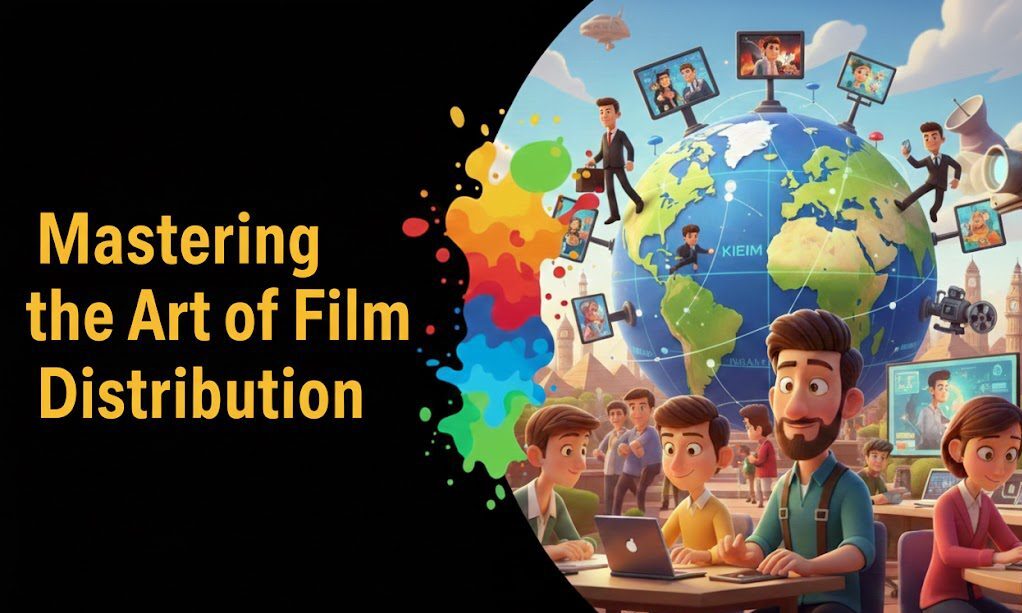
Mastering the Art of Film Distribution: A Strategic Playbook

Author: Sandeep Nikanke
Published: December 11, 2023
An analyst exploring the entertainment supply chain—from how media is made to how it reaches your screen
Introduction
For content strategists, financiers, and studio executives, Mastering the Art of Film Distribution is the difference between a project generating revenue and one becoming an expensive library asset. The distribution landscape is undergoing a permanent structural shift.
It is no longer a linear pathway from cinema to home video, but a complex, multi-territory, multi-platform matrix where success is measured by the strategic optimization of every release window and every deal.
The proliferation of digital platforms, the compression of theatrical exclusivity, and the urgency of reaching fragmented global audiences have turned the distributor’s role from a simple middleman into a sophisticated capital allocator and risk manager.
This strategic playbook provides the necessary framework to navigate modern digital distribution strategy, vet partners, and leverage data to maximize a project’s total lifetime value (TLV) in the new content economy.
Key Takeaways
| Core Challenge | The rapid collapse of traditional release windows and the complexity of modern, multi-platform revenue-sharing models. |
| Strategic Solution | Implement a data-driven distribution plan that optimizes channel selection and pre-negotiates ancillary rights before production begins. |
| Vitrina’s Role | Provide the verified, real-time intelligence on project velocity, partner track record, and decision-maker contacts to de-risk licensing and distribution deals. |
Defining the Art: The Modern Film Distribution Process
The film distribution process is the critical link between production and consumption. It is defined by three interlocking phases: Licensing, Marketing (P&A), and Delivery. An executive must understand how efficiency in one phase directly affects the profitability of the others.
1. Licensing and Rights Allocation
This foundational step involves the distributor acquiring the legal right to exploit a film across specific territories and media. The core decision is whether to sell worldwide rights to a single major distributor or streamer, or to sell territorial rights to multiple local distributors and specialized sales agents.
- Term Length: Contracts often grant rights for extensive periods (10–15 years is common), committing the project’s future revenue streams.
- Model: Deals are structured as either a flat pre-sale financing guarantee (leasing model) or a revenue-sharing models based on performance (profit-sharing model), with many hybrids blending an upfront minimum guarantee (MG) against a percentage of future profits. The negotiation of recoupment—what costs the distributor is allowed to deduct before profits are split—is the single most critical financial battle.
2. Marketing and Prints & Advertising (P&A)
P&A is the largest variable cost in theatrical distribution and is often fully managed by the distributor. It includes everything from trailer production and social media campaigns to traditional ad buys and poster design. For a major theatrical tentpole, P&A costs can easily equal or exceed the film’s production budget.
The strategic focus must shift from blanket advertising to digital distribution strategy built on data analytics, targeting specific audience segments across platform-optimized channels to maximize conversion from awareness to ticket purchase or stream.
3. Delivery and Exhibition
This is the logistical final mile where the content itself is transformed and delivered. The distributor ensures the film is prepared in all necessary formats: Digital Cinema Packages (DCPs) for theaters, high-resolution masters for VOD/SVOD platforms, and localized versions (subtitles, dubs) for global territories.
This requires robust asset management and a secure, efficient entertainment supply chain. Failures in this stage—such as delays in localization or technical compliance errors—can result in missed release dates and significant penalties.
The Strategic Pivot: Navigating Traditional vs. Digital Channels
The most significant strategic challenge today is optimizing the choice and timing of distribution channels. The distinction between theatrical and streaming is no longer based solely on prestige but on complex, quantifiable economic trade-offs.
The Collapse of the Traditional Release Windows
Traditionally, films followed a rigid sequence of windows (Theatrical → Home Video → Pay TV → Free TV). Today, the window is compressed, flexible, and often simultaneously executed (Day-and-Date).
- Theatrical Distribution: Remains the ultimate value-driver. Its prestige generates cultural impact, critical buzz (qualifying for awards like the Oscars), and substantially increases the film’s value in subsequent windows and for ancillary revenue (merchandising, franchising). However, revenue-sharing models with exhibitors typically split gross receipts 50/50, reducing the distributor’s immediate return.
- Digital Distribution (VOD/SVOD/AVOD): Digital platforms offer unprecedented global reach and significantly higher revenue share for the studio/distributor (upwards of 80% on VOD rentals/sales).
- Transactional VOD (TVOD/PVOD/EST): High-margin sales (electronic sell-through) or rentals (TVOD) that exploit the immediate post-theatrical demand.
- Subscription VOD (SVOD): The core content acquisition model for global streamers. Deals are often structured as a flat, upfront license fee for a set term (e.g., 1-3 years). This provides predictable revenue but potentially limits long-term earnings if the film is a sleeper hit.
- Advertising VOD (AVOD): Growing rapidly, using ad revenue to subsidize free-to-consumer content. Crucial for reaching broad, non-subscriber demographics.
The Economics of Revenue-Sharing Models
The decision to go theatrical versus straight-to-streaming is an economic one.
- Theatrical Uplift: A successful theatrical run creates cultural scarcity and demand, which validates a high price point in the subsequent VOD/SVOD markets. Theatrical marketing acts as “free” (or paid-for) proxy marketing for the later digital release.
- Straight-to-Streaming Risk: While avoiding the high-risk P&A investment of a theatrical release, a straight-to-SVOD film often suffers from a lack of cultural footprint, making it a death sentence for its long-term relevance, even with massive subscriber reach. This is a critical trade-off when formulating a digital distribution strategy.
Mastering the Business of Risk: Financing and Global Sales
The true “art” of distribution involves leveraging the global market early in the project’s lifecycle to mitigate financial risk.
Pre-Sale Financing as a Production Tool
Sophisticated producers secure pre-sale financing deals with distributors before the film is fully produced. This means signing a distribution agreement and gaining a cash advance or guarantee against the production budget.
- Mechanism: A distributor commits to buying the rights in their territory upon delivery of the finished film. This commitment is leveraged with banks or financiers to unlock the production loan.
- Strategic Value: Pre-sales are vital for independent cinema and complex international co-productions, as they de-risk the financing entirely. However, the producer loses control over those rights and is fully liable to pay back the distributor if the film fails to meet the agreed-upon delivery elements.
The Role of the Sales Agent and Film Markets
The Sales Agent is the producer’s first distribution partner and is tasked with selling the rights to local distributors across multiple territories. They are the key point of contact at major events like the European Film Market (EFM) and TIFF.
- Film Markets: These are the critical deal-making hubs where the film distribution process begins. Executives use these markets not just to pitch, but to observe market demand, track competitive release windows, and forge co-production partnerships.
- The Vetting Challenge: Vetting a Sales Agent requires precise data on their track record—not just which films they represented, but which specific territories they sold and the financial results of those deals. This level of granular detail is essential for the Mastering the Art of Film Distribution.
For executives managing international projects, precise visibility into where and when a film’s rights are being sold is non-negotiable. Vitrina’s platform provides this essential transparency indistribution licensing.
The Strategic Imperatives: AI, Data, and Supply Chain Efficiency
The future of distribution will be defined by the ability to move beyond historical benchmarks and adopt predictive, data-centric models.
1. The Data Analytics Mandate
The competition in the entertainment supply chain is intense, rewarding speed and accuracy. The greatest opportunity lies in leveraging proprietary data models to predict audience segmentation, optimize P&A spend, and select the ideal channel/window mix.
- Pre-Release Testing: Rigorous pre-release testing and social listening help distributors determine if a film has the “breakout potential” to justify a costly theatrical run or if it is better suited for a targeted digital premiere.
- Global Project Tracking: Executives must track competitive project activity globally—what is in development, who is financing it, and which distributors are acquiring similar content. This gives an early warning on market saturation, allowing you to counter-program or adjust your digital distribution strategy. This proactive approach can be implemented by leveraging a powerful tool such as the Vitrina Project Tracker.
2. Streamlining the Entertainment Supply Chain
The volume of high-resolution, multi-versioned content demands a secure and efficient delivery system. Future efficiency hinges on standardizing protocols for asset management, cloud-based delivery, and rights management. Complexity and manual steps translate directly to high costs and delayed windows.
Streamlining the post-production and localization handoffs is the core logistical challenge for the film distribution process. The growth of non-theatrical and digital channels, such as OTT streaming, puts immense pressure on this digital infrastructure.
3. AI and Automated Rights Management
AI and machine learning are rapidly being integrated into distribution to manage the administrative burden of rights and revenue.
Automated systems track performance across hundreds of global partners and platforms, ensuring accurate reporting and timely payment according to complex revenue-sharing models.
This reduces the financial risk associated with revenue sharing disputes and ensures compliance, a major cost for global rights holders.
Conclusion : The Strategic Verdict
Mastering the Art of Film Distribution is no longer a soft skill; it is a hard competency rooted in data, risk mitigation, and technological fluency.
Executives who treat distribution as a tactical, one-off negotiation will inevitably lose value to those who view it as a continuous, strategic entertainment supply chain optimization problem.
The core takeaway is to make distribution decisions—channel selection, windowing, and partner vetting—early in the production lifecycle, backing every choice with verifiable market intelligence.
The strategic playbook for the modern era demands that you control the data, or the data will control your profits.
Frequently Asked Questions
Theatrical distribution prioritizes prestige, cultural impact, and high visibility via box office, with revenues split roughly 50/50 with exhibitors. Streaming distribution (SVOD/VOD) prioritizes global reach and high volume, offering higher revenue share for the distributor but often limiting cultural footprint and lifetime ancillary value.
The three core steps are Licensing (securing rights and negotiating terms), Marketing and P&A (creating awareness and driving demand), and Delivery/Exhibition (logistics and making the film available to the audience).
Pre-sale financing involves a distributor agreeing to acquire rights to a film in their territory before it is completed, often providing an upfront cash advance (a minimum guarantee). This commitment is vital for producers to secure the necessary bank financing for the film’s production budget.
The theatrical release window is significant not just for ticket revenue but because a successful run generates cultural momentum and critical prestige (e.g., award qualification), which substantially increases the license fees and overall financial value of the film in all subsequent release windows (VOD, SVOD, TV).