About Innovation Hub
 Global Content Pulse (Webinars)


 Global Production Financing
(Webinars)
Global Production Financing
(Webinars)  LeaderSpeak Podcast
  Global Entertainment Digest (Newsletter)
  About Vitrina
 About VIQI
 Our Story
 Our Solutions 🔥
 Film+TV Projects Tracker 🚀
 Case Studies
 Our Profile

Book-to-TV adaptations in 2025 are the primary growth engine for streaming platforms, leveraging pre-existing fanbases to mitigate financial risk in a fragmented market.
This process involves identifying high-potential literary IP, securing territorial rights, and selecting global production hubs that offer optimized tax incentives and technical infrastructure.
According to industry data, nearly 65% of the most-watched episodic content in 2025 originated from published books or graphic novels, signaling a major shift toward “proven-IP” strategies.
In this guide, you’ll learn how acquisition leads are using supply chain intelligence to discover regional hits, vet production partners, and navigate the “Weaponized Distribution” era.
While most industry reports focus on fan hype for titles like Verity or A Knight of the Seven Kingdoms, they fail to address the underlying logistics: how rights are cleared across borders and where these projects are actually being filmed to maximize ROI.
This comprehensive guide addresses those technical gaps, providing a roadmap for acquisition professionals to track 1.6 million global projects and 140,000 distributors through advanced data intelligence.

Your AI Assistant, Agent, and Analyst for the Business of Entertainment
VIQI AI helps you plan content acquisitions, raise production financing, and find and connect with the right partners worldwide.
- Find active co-producers and financiers for scripted projects
- Find equity and gap financing companies in North America
- Find top film financiers in Europe
- Find production houses that can co-produce or finance unscripted series
- I am looking for production partners for a YA drama set in Brazil
- I am looking for producers with proven track record in mid-budget features
- I am looking for Turkish distributors with successful international sales
- I am looking for OTT platforms actively acquiring finished series for the LATAM region
- I am seeking localization companies offer subtitling services in multiple Asian languages
- I am seeking partners in animation production for children's content
- I am seeking USA based post-production companies with sound facilities
- I am seeking VFX partners to composite background images and AI generated content
- Show me recent drama projects available for pre-buy
- Show me Japanese Anime Distributors
- Show me true-crime buyers from Asia
- Show me documentary pre-buyers
- List the top commissioners at the BBC
- List the post-production and VFX decision-makers at Netflix
- List the development leaders at Sony Pictures
- List the scripted programming heads at HBO
- Who is backing animation projects in Europe right now
- Who is Netflix’s top production partners for Sports Docs
- Who is Commissioning factual content in the NORDICS
- Who is acquiring unscripted formats for the North American market
Table of Contents
Key Takeaways for Acquisition Leads
-
Data-Driven IP Discovery: Acquisition teams using supply chain trackers identify trending literary IP 5x faster than those relying on traditional talent agencies.
-
Production Hub Visibility: Tracking unreleased projects allows buyers to identify emerging hubs like India and the Middle East for high-quality, cost-effective production.
-
Strategic Co-opetition: Modern distribution models prioritize rotational windowing, licensing “sunk” assets to rivals to maximize ROI within 18-24 months post-release.
What Are the Most Anticipated Book-to-TV Adaptations of 2025?
The 2025 slate is dominated by “high-concept” literary thrillers and prestige fantasy prequels. Key titles include the Netflix adaptation of George R.R. Martin’s A Knight of the Seven Kingdoms and the domestic thriller The Housemaid by Freida McFadden. These projects represent a billion-dollar investment in storytelling that bridges global audiences through familiar narratives.
Beyond mainstream hits, regional adaptations are gaining traction. Projects like Dope Girls (BBC) and The Leopard (Netflix) highlight a trend toward localized storytelling with international appeal. For acquisition leads, these titles represent strategic opportunities to capture specific territorial demographics while maintaining global scalability.
Discover trending book-to-TV projects in development:
How Does Supply Chain Intelligence Streamline IP Rights Acquisition?
Securing the rights to a bestseller is often a race against time and deep-pocketed competitors. In 2025, acquisition leads are bypassing traditional agency bottlenecks by using Vertical AI tools that map 30 million industry relationships. This allows buyers to identify the exact literary agents or publishing houses holding the rights before they hit the open market.
Furthermore, “Deals Intelligence” tracks funding and M&A trends, providing a clear picture of who is aggressively buying specific genres. For instance, the recent $72 billion acquisition of Warner Bros. studio assets by Netflix has created a massive demand for new “universe-ready” IP, forcing other streamers to accelerate their acquisition cycles using real-time project trackers.
Identify literary IP with available screen rights:
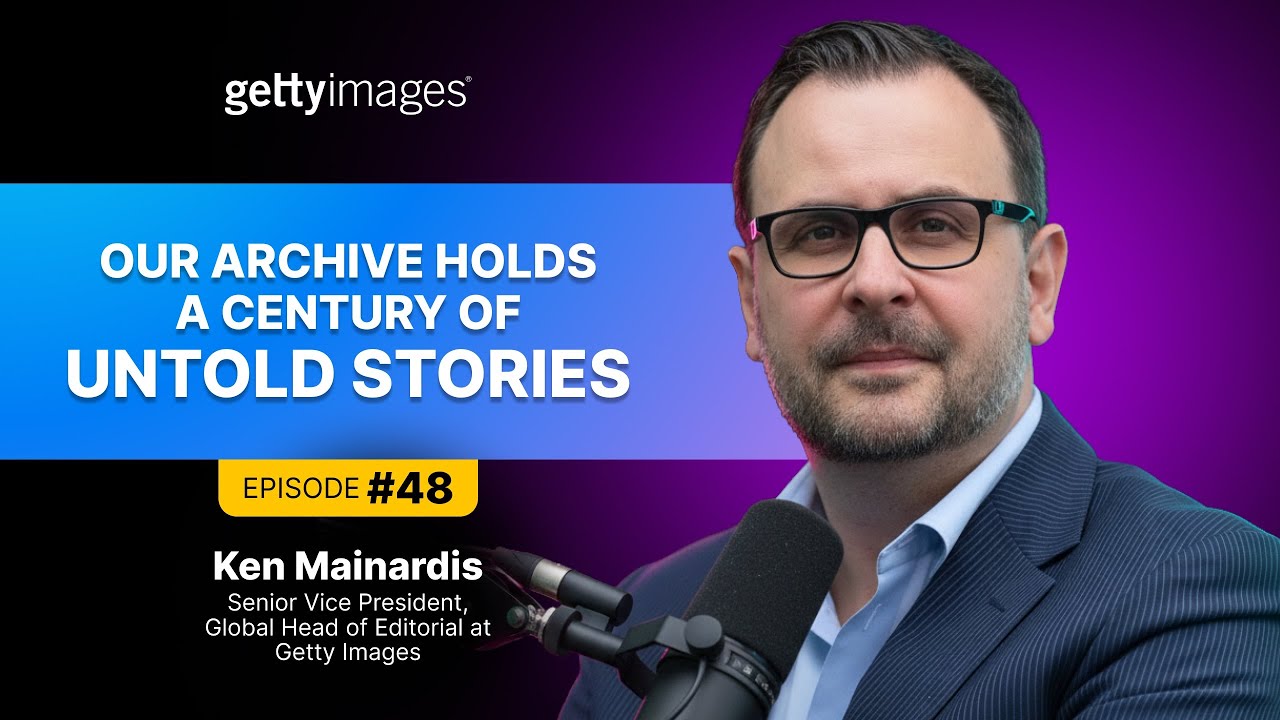
Industry Expert Perspective: AI, Archives, and Authenticity: Getty Images and the Business of Visual IP
Unlocking literary worlds requires more than just words; it requires a visual strategy. Ken Mainardis explains how Getty Images is enabling co-productions and ethical AI to help storytellers visualize complex narratives from rare archives.
Key Insights
Ken Mainardis, SVP at Getty Images, discusses how visual IP is being redefined in the documentary and episodic ecosystem. From unlocking rare archives to leveraging “Authorized AI,” this session explores how major studios and indies alike can bridge the gap between static pages and cinematic reality.
Where Are 2025’s Major Adaptations Being Filmed?
The “production geography” of 2025 adaptations is shifting away from traditional Hollywood lots. Major streamers are leveraging global production hubs like India, which recently introduced enhanced incentive schemes for foreign film production, and Brazil, where O2 Filmes is scaling for international projects.
By tracking 140,000+ companies across 100+ countries, acquisition leads can identify where active post-production and VFX companies are located to target for services. For example, WBD Animation Group used market intelligence to identify new hubs beyond traditional borders, ensuring that high-budget adaptations like Frankenstein benefit from optimized supply chain logistics.
Why Is “Weaponized Distribution” Driving the 2025 Adaptation Surge?
In 2025, the industry has moved beyond the “Walled Garden” era. Streamers are now practicing “Weaponized Distribution,” where they license high-value adaptations to rival platforms 18-24 months post-release. This “rotational window” strategy allows platforms to maximize Average Revenue Per User (ARPU) and recoup massive production costs on blockbuster literary IPs.
The Netflix-Amazon “Frenemy Pact” serves as a primary case study. By sharing inventory and licensing select originals, these giants are creating a more efficient market. For content buyers, this means that an adaptation of a popular book can live on multiple platforms over its lifecycle, increasing its strategic value as a recurring revenue asset.
How Do Content Buyers Use AI to Discover Trending Literary IP?
Generic AI tools often fail to grasp the nuance of Hollywood deal-making. However, Vertical AI assistants like VIQI are trained exclusively on proprietary entertainment datasets. These tools answer complex questions like “Which Nordic thrillers have available rights and match the viewing patterns of our latest hit?” by mapping historical collaborations and executive movements.
By utilizing a unified data taxonomy, acquisition leads can transform partner due diligence from a subjective process into an objective one. This eliminates the “data trust deficit,” allowing teams to vet partners based on verifiable track records and real-time project health across the global supply chain.
Moving Forward
The 2025 adaptation landscape has transitioned from relationship-driven networking to data-powered science. This guide addressed the critical gaps in rights acquisition, global hub tracking, and the emergence of “Weaponized Distribution.” By leveraging vertical AI and supply chain trackers, content buyers can compress months of manual research into targeted, strategic intelligence.
Whether you are an Acquisition Lead looking to secure high-potential regional IP, or a Strategy Officer trying to monitor competitive slates, the future belongs to those who own the “Single Source of Truth.”
Outlook: Over the next 12-18 months, the authorized use of AI for IP training and the rise of niche “premium edition” literary adaptations will define the next phase of content monetization.
Frequently Asked Questions
Quick answers to the most common queries about the 2025 adaptation market.
Which books are being adapted into TV shows in 2025?
How do acquisition leads find literary IP for television?
What is “Weaponized Distribution” in 2025?
How does AI impact book-to-TV adaptations?
About the Author
Our content team specializes in entertainment supply chain intelligence, with decades of experience tracking global production deals and IP licensing trends. Connect on Vitrina.
Find Film+TV Projects, Partners, and Deals – Fast.
VIQI matches you with the right financiers, producers, streamers, and buyers – globally.
Producers Seeking Financing & Partnerships?
Book Your Free Concierge Outreach Consultation
(To know more about Vitrina Concierge Outreach Solutions click here)
Join Industry Briefings Trusted by Leaders
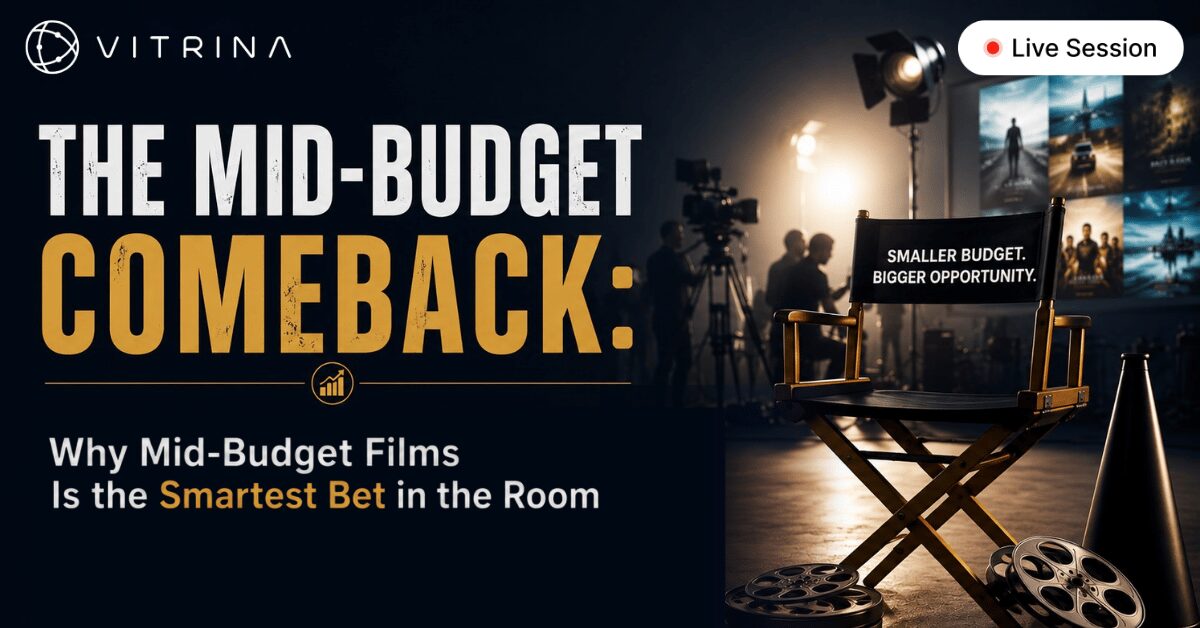
The Mid-Budget Comeback: Why Mid-Budget Films Is the Smartest Bet in the Room
Mid-budget films are attracting new capital. See why this segment is becoming one of the strongest bets in Film today.
Franchise Fatigue vs. IP Dependency: What Studios Should Be Betting On Now
s franchise performance softens, where will the next generation of valuable IP come from? Join the briefing.
Unscripted Is Eating the World: The Multi-Billion Reality and Format Boom
Unscripted is the new prestige — inside the $19.8B global format boom reshaping how streaming platforms compete.
How Co-Productions and Regional IP Are Reshaping Global Drama
As global drama evolves, which stories travel, which stay local, and how are they getting financed?