About Innovation Hub
 Global Content Pulse (Webinars)


 Global Production Financing
(Webinars)
Global Production Financing
(Webinars)  LeaderSpeak Podcast
  About Vitrina
 Our Story
 Our Solutions 🔥
 Film+TV Projects Tracker 🚀
 Case Studies
 Our Profile
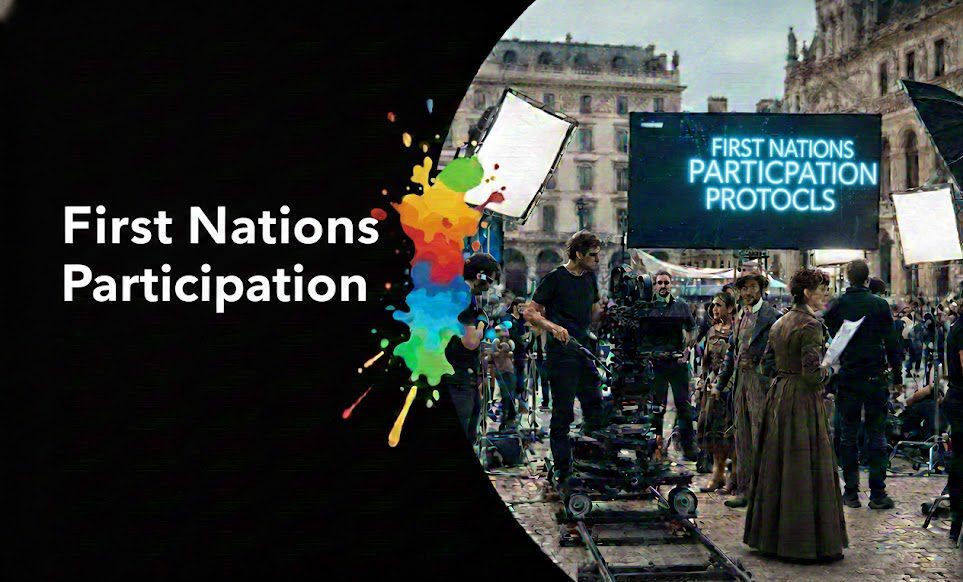
First Nations participation in film funding requires strict adherence to cultural protocols, informed consent, and Indigenous Cultural and Intellectual Property (ICIP) rights.
For projects in Australia and Canada, funding bodies like Screen Australia and the Indigenous Screen Office (ISO) mandate that creative control and “narrative sovereignty” remain with Indigenous practitioners. This isn’t just about representation—it’s a legal and ethical requirement for financial eligibility.
Navigating these protocols can feel like a minefield if you’re not deeply embedded in the community. But here’s the reality: meeting these standards is the only way to de-risk your project for government-backed funding. Whether you’re a First Nations creator or a co-production partner, understanding the “meeting protocols” for engagement is the difference between a successful greenlight and a terminal rejection.
Table of Contents
Stop Guessing Who’s Financing. Get Targeted Outreach.
Stop searching and start getting funded. We identify the exact decision-makers currently backing projects like yours, turning raw data into risk-aligned capital partnerships.
Major Studios
Scouting early stage projects, IP, and Regional partners for global studio pipelines.
IP Owners & Leads
Connecting creative leads with qualified financiers and major streaming platforms.
Streamers
Securing high-value pre-buy content and discovering early-stage global IP for platforms.
Indie Producers
Bridging the gap for indie filmmakers to reach executive production partners and capital.
Global Financing Ecosystems
Mapping complex markets and pairing projects with disciplined, risk-aligned capital across global territories worldwide.
The Concept of Narrative Sovereignty
Narrative sovereignty is the foundational principle of modern Indigenous film funding. As Jesse Wente, former Director of the Indigenous Screen Office, explains, it’s about the ability of Indigenous nations to have control over the stories told about them. For over a century, non-Indigenous people have told these stories—often resulting in misrepresentation and cultural appropriation.
In 2025, public funders like Telefilm Canada and Creative Australia aren’t just looking for “First Nations participation” as a checkbox. They’re looking for proof of Indigenous control. This means at least 51% of the applicant company and 100% of the creative control must be held by Indigenous practitioners. If you’re a non-Indigenous producer, don’t try to “own” the story; your role is to facilitate the Indigenous creator’s vision.
“Decolonizing practices includes developing production models that ‘allow us to be more Indigenous’, in a way that more adequately reflects cultures and creative practices.” — ISO Protocols.
Producers looking to build authentic partnerships can explore verified First Nations production companies on Vitrina to ensure their collaborations meet these high standards.
The Vitrina ICIP Readiness Framework™
Indigenous Cultural and Intellectual Property (ICIP) covers everything from traditional songs and stories to sacred sites and community knowledge. To help producers navigate this, we’ve developed the Vitrina ICIP Readiness Framework™. Use this to audit your project’s cultural compliance before you hit the application portal.
The Vitrina ICIP Readiness Framework™
| Pillar | Key Question | Funding Impact |
|---|---|---|
| Authorship | Is the concept First Nations-led? | High: Mandatory for ISO/Australia |
| Consent | Is consent informed and written? | Critical: Legal requirement |
| Attribution | Are Knowledge Keepers credited? | Medium: Affects cultural merit |
| Benefit | Does the community share in ROI? | Strategic: Builds trust |
Meeting Protocols: Consultation vs. Consent
A common mistake is confusing consultation with consent. Consultation is the process of talking; consent is the formal permission to proceed. Within First Nations participation protocols, you can’t have one without the other. You consult to find out who has the authority to give consent.
When seeking consent, meetings must be transparent. Use plain English—no legalese—and ensure the community understands how their stories will be used, where they’ll be broadcast, and what the long-term impact will be. (And that’s not just polite; it’s a requirement of the UN Declaration on the Rights of Indigenous Peoples).
Expert insight on community engagement:

As experts consistently report, the budget must reflect these protocols. You should include fees and honorariums for Elders, cultural consultants, and Knowledge Keepers. If your budget doesn’t show you’re paying for First Nations expertise, funders will assume you’re not actually engaging.
Find the Financiers Backing Your Genre
Stop searching and start getting funded. We identify the exact decision-makers currently backing projects like yours, turning raw data into risk-aligned capital partnerships.
Eligibility Requirements in 2025/2026
Funding cycles for 2025/2026 have tightened their definitions of eligibility. In Canada, the Canada Media Fund (CMF) and ISO now collaborate on the Indigenous Program. In Australia, Screen Australia’s First Nations Department remains the gold standard for “narrative sovereignty” testing.
- Key Roles: At least two of the three key creatives (Director, Writer, Producer) must be First Nations.
- Copyright: The Indigenous owner must hold at least 51% of the copyright in the project.
- Proof of Identity: ISO and Screen Australia have specific “Determining Identity” guides. Don’t guess; follow their exact documentation requirements.
Struggling to find the right co-production structure? Ask VIQI, our AI research assistant, for a breakdown of treaty requirements for First Nations projects.
Frequently Asked Questions
What is First Nations participation in film funding?
First Nations participation refers to the meaningful involvement of Indigenous practitioners in key creative, financial, and decision-making roles. For funding eligibility, this usually requires that Indigenous creators lead the concept and hold majority ownership and creative control of the project.
Are there specific meeting protocols for Elders?
Yes. Cultural protocols often dictate who can speak on behalf of a community. Meetings should begin with a proper Acknowledgement of Country, involve gift-giving or honorariums where appropriate, and allow for a slower, relationship-based timeline rather than a transaction-based corporate schedule.
How much should I budget for cultural consultation?
Typically, fees range from $1,000 to $5,000 for initial consultations, with higher rates for ongoing production advisory roles. You should also budget for travel, venue hire for community meetings, and catering. Funders expect to see these costs clearly itemized in your production budget.
How Vitrina Helps with First Nations Participation
Meeting protocols isn’t just about cultural respect; it’s about business intelligence. Vitrina streamlines the process of finding authentic partners and understanding regional funding requirements.
- Explore our database of verified First Nations-led companies.
- Ask VIQI for specific protocol checklists for your territory.
- Contact Concierge for hands-on help structuring your co-production.
The Bottom Line
Meeting First Nations participation protocols is the ultimate de-risking strategy. It ensures cultural integrity, secures funding eligibility, and builds the long-term community trust necessary for sustainable Indigenous storytelling. Ready to take the next step? Get expert guidance on your project today.
Find Film+TV Projects, Partners, and Deals – Fast.
VIQI matches you with the right financiers, producers, streamers, and buyers – globally.
Producers Seeking Financing, Co-Pros, or Pre-Buys?
Vitrina Concierge helps producers reach the right financiers, commissioners, distributors, and co-production partners — with precision outreach, not cold pitching.
Join Industry Briefings Trusted by Leaders
Format Adaptations: Global Trends
Where formats are traveling, which adaptations are breaking out, and how streamers are backing remakes in 2025–2026.

Books, Novels & Comics Adaptations: Global Trends
Books, webtoons, and manga driving the next global screen hits. Discover how in this webinar.

Micro-Dramas & Mobile-First Storytelling
Micro-dramas are building real audiences and revenue. Understand the platforms, buyers, and economics behind the growth.
Navigating Global Content Licensing Trends
How global content licensing is shifting beyond flat fees to flexible, deal-driven models.