IHUB
IHUB
 Private Briefings (Webinars)


 LeaderSpeak Podcast
  Global Entertainment Digest (Newsletter)
  Premium Lists
 Membership Benefits
 About Vitrina
 Our Story
Find AI personalization and recommendation vendors
Vitrina tracks AI-capable personalization, localization, and content intelligence companies worldwide.
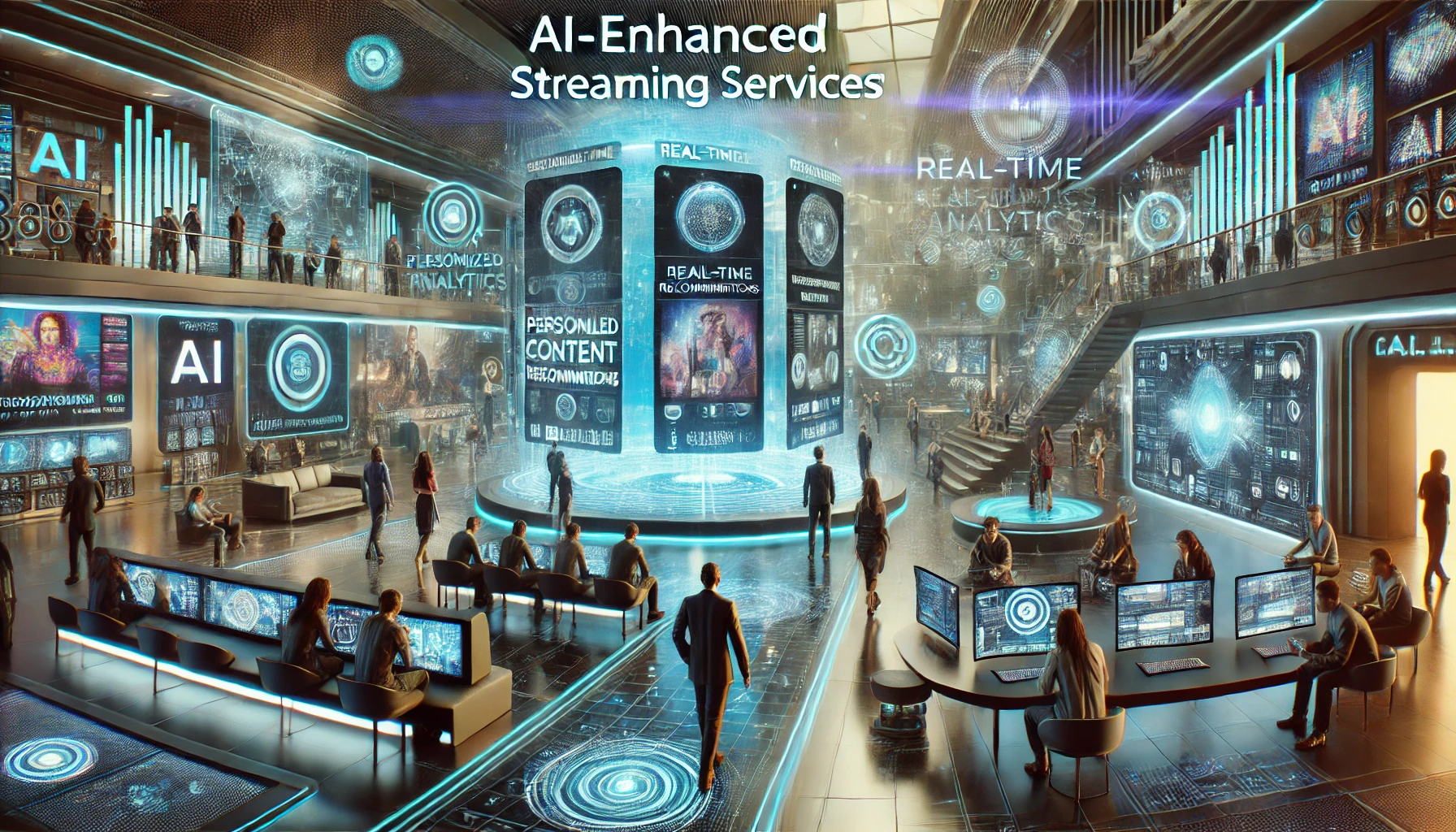
AI personalization in streaming has moved well past the original recommendation rail. For a platform’s content, product, or growth team, the real questions are which parts of the personalization stack are worth investing in, what actually reduces churn versus what is marketing, and how to evaluate a vendor’s claims before committing budget. This guide covers what AI personalization is actually doing today, where it delivers, and how to choose and source a vendor.
Key Takeaways
- Personalization has moved beyond a single recommendation rail. It now touches thumbnail selection, trailer assembly, search ranking, and content sequencing within a single title.
- The strongest signal for personalization quality is not the algorithm alone. It is how fresh and complete the underlying viewing and metadata are, since a personalization engine is only as good as the data it runs on.
- Localization and dubbing quality directly affect personalization outcomes in international markets. Content that feels foreign or poorly synced undercuts even a well-tuned recommendation engine.
- Regional content demand is real and growing, but a personalization vendor’s claims about regional performance should be checked against your own audience data, not taken at face value.
- Vitrina lists verified AI-capable personalization, recommendation, and localization vendors, filterable by capability and credits.
What AI Personalization Actually Covers Now
The original personalization use case, ranking a homepage grid based on watch history, is now one input among several. Modern personalization systems also drive dynamic thumbnail and artwork selection matched to a viewer’s known preferences, trailer and clip assembly that surfaces different moments of the same title to different audience segments, and search and discovery ranking that accounts for intent signals beyond past viewing. Some platforms are also personalizing content sequencing within a season or across a catalog, adjusting what plays next based on engagement patterns rather than a fixed order.
The common thread is that personalization increasingly touches the packaging of content, not just the ranking of it. That shift matters for a content or marketing team because it means personalization decisions now overlap with creative and brand decisions that used to sit entirely outside the recommendation system.
Where Personalization Delivers, and What It Depends On
Personalization is only as good as the data feeding it. A system running on viewing history that is weeks old will make worse recommendations than one working from near-real-time signals, regardless of how sophisticated the underlying model is. Before evaluating a personalization vendor on its algorithm, confirm how current the data pipeline actually is in production, not in a demo environment.
International markets add a second dependency: localization quality. A personalized recommendation loses its value if the dubbed or subtitled version of that content feels off to the viewer it was matched to. Platforms investing in personalization for global audiences need to treat localization quality as part of the same budget conversation, not a separate line item. For the buyer’s guide to evaluating a dubbing vendor specifically, see Vitrina’s AI dubbing guide for filmmakers.
VITRINA INTELLIGENCE
See Which Personalization Vendors Are Actually Delivering
Vitrina surfaces verified AI-capable personalization and content intelligence companies by capability and credits.
Regional Content Demand Is Real, but Verify Vendor Claims Against Your Own Data
Production and viewing growth outside the traditional US and UK hubs, particularly in India, the Middle East, and Latin America, is a well-documented industry trend, and personalization vendors increasingly pitch tools tuned for these markets. That trend is real. What is not automatic is whether a given vendor’s regional model actually performs on your specific catalog and audience. Ask for a trial against your own data before committing, and treat a vendor’s case studies from other platforms as a starting point for questions, not proof of fit for yours.
How to Choose an AI Personalization Vendor
- Data freshness in production. Confirm how current the viewing and metadata pipeline is once live, not in a sales demo.
- Integration with existing systems. Check that the tool can plug into your existing catalog, metadata, and ad systems without a costly custom build.
- Trial against your own audience data. Ask for a pilot measured against your actual catalog and viewers, not a generic benchmark from another platform.
- Rights and data handling. Confirm what happens to your viewer and catalog data once it is processed by the vendor’s system, and get that in the contract.
- Localization compatibility. If your personalization strategy depends on international growth, confirm the vendor’s tooling or partners can support the dubbing and localization quality that strategy requires.
How to Find and Vet AI Personalization Partners
Vitrina lists verified AI-capable personalization, recommendation, and content intelligence companies worldwide, filterable by capability and credits, with direct contact to decision-makers. If your personalization strategy is tied to a broader distribution or localization push, Vitrina’s guide to AI-powered distribution automation covers the supply-chain side of that same strategy.
VITRINA INTELLIGENCE
Shortlist a Personalization Vendor by Capability
Ask VIQI: “Show me AI personalization vendors with verified deployments on streaming platforms in APAC.”
Frequently Asked Questions
What does AI personalization cover beyond content recommendations?
Modern personalization also drives dynamic thumbnail and artwork selection, trailer assembly tuned to audience segments, search and discovery ranking, and in some cases content sequencing within a catalog. It increasingly touches how content is packaged, not just how it is ranked.
Why does data freshness matter more than the algorithm itself?
A personalization system is only as good as the data behind it. A model running on viewing data that is days or weeks old will underperform a simpler system working from near-real-time signals, regardless of how sophisticated the underlying algorithm is.
How does localization quality affect personalization outcomes?
A well-targeted recommendation loses its value if the localized version of that content feels foreign or poorly synced to the viewer. Platforms investing in personalization for international growth should budget for localization quality as part of the same strategy, not separately.
Should I trust a personalization vendor’s case studies from other platforms?
Treat them as a starting point for questions, not proof of fit. Regional and demographic performance varies by catalog and audience. Ask for a trial measured against your own data before committing budget.
How do I find and vet an AI personalization vendor?
Confirm data freshness in production, check integration with your existing systems, get a trial against your own audience data, and clarify data handling and rights in the contract. Vitrina’s verified directory can shortlist vendors against these criteria directly.