About Innovation Hub
 Global Content Pulse (Webinars)


 Global Production Financing
(Webinars)
Global Production Financing
(Webinars)  LeaderSpeak Podcast
  About Vitrina
 Our Story
 Our Solutions 🔥
 Film+TV Projects Tracker 🚀
 Case Studies
 Our Profile
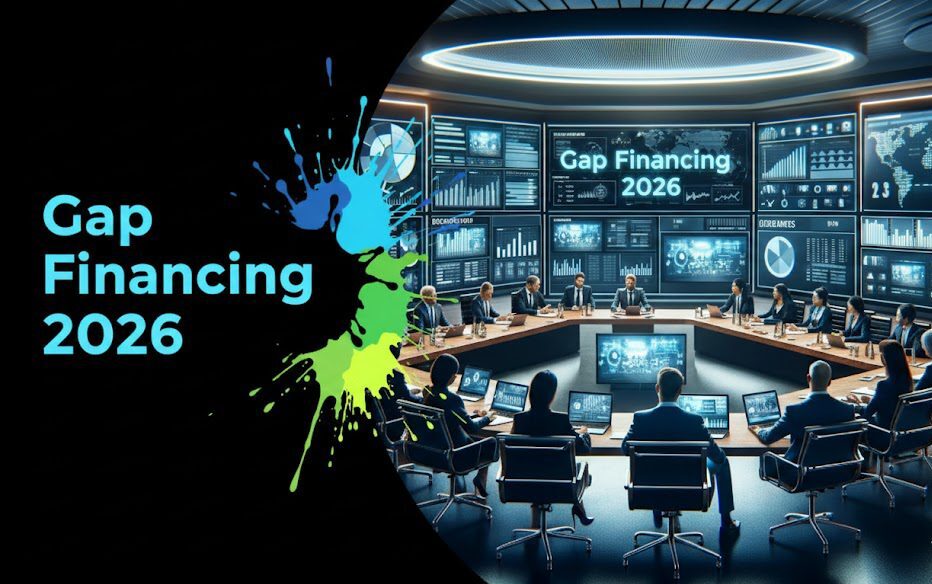
Gap financing is the strategic pivot for 2026—a debt facility that’s effectively becoming the “new equity” for sophisticated producers.
As equity risk becomes increasingly uncompensated in a fragmented distribution landscape, savvy CFOs are moving gap financing up the priority list. It’s a senior-position debt structure, typically covering 10–30% of a budget, secured against unsold territory collateral.
Let’s be honest: the indie film equity model is broken. In 2026, the real dynamic isn’t about chasing blue-sky profits; it’s about protecting the floor. With production financing becoming more localized and streamers tightening their belts, the gap financing 2026 strategy is no longer a “bridge”—it’s the foundation of a de-risked project.
Table of Contents
Stop Guessing Who’s Financing. Get Targeted Outreach.
Stop searching and start getting funded. We identify the exact decision-makers currently backing projects like yours, turning raw data into risk-aligned capital partnerships.
Major Studios
Scouting early stage projects, IP, and Regional partners for global studio pipelines.
IP Owners & Leads
Connecting creative leads with qualified financiers and major streaming platforms.
Streamers
Securing high-value pre-buy content and discovering early-stage global IP for platforms.
Indie Producers
Bridging the gap for indie filmmakers to reach executive production partners and capital.
Global Financing Ecosystems
Mapping complex markets and pairing projects with disciplined, risk-aligned capital across global territories worldwide.
Why Debt is “Safer” Than Equity in 2026
In the old world, equity was where the upside lived. But in the age of The Fragmentation Paradox™—where 600,000+ companies operate in opaque silos—equity investors are often the last to know, and the last to get paid. Gap financing, however, changes the math. It’s senior debt. That means it sits at the front of the line, right behind the sales agent’s fees.
For a CFO, the choice between capital stack components is a question of IRR versus risk. Equity is variable and capped by reality. Gap is fixed. You know the cost (typically 8–15% annually), and you know the exit. By using gap financing to replace high-cost equity, you’re not just financing a film; you’re weaponizing your distribution assets.
Think about it: Why would you give away 20% of your back-end for a $500k investment when you could borrow that same $500k against the unsold rights in Japan and Germany? If you’re confident in your sales estimates, debt isn’t just cheaper—it’s safer. It de-risks the entire investment thesis by moving capital deployment toward a fixed-cost model.
Producers looking to optimize their rates can ask VIQI about current gap lender requirements for specific genres and budget levels.
The Vitrina Seniority Shield™ Framework
To understand the 2026 gap financing strategy, we developed the Vitrina Seniority Shield™. This framework visualizes how different capital types survive the recoupment waterfall. In 2026, the “shield” is what prevents the budget from collapsing under interest carrying costs.
The Vitrina Seniority Shield™
| Capital Layer | Risk Profile | Recoupment Priority |
|---|---|---|
| Senior Debt (Bank/Gap) | Low (Collateralized) | First-Out (Post-Sales Agent) |
| Mezzanine / Sub-Debt | Medium | Second-Out |
| Equity (Indie/Private) | High (Vulnerable) | Last-Out |
Analysis: By shifting 15% of the capital stack from Equity to Gap, producers can reduce the total “cost of capital” by an average of 400 basis points on a $5M production.
Expert Perspectives: The “Big Crunch” Reality
As Phil Hunt, CEO of Head Gear Films, famously noted, we are in “The Big Crunch.” The gap between production and revenue deployment is where indie deals used to die. In 2026, gap financing is the only capital that bridges that crunch with institutional reliability.
Phil Hunt explains the current financing squeeze:

What Hunt touches on is critical: lenders aren’t just looking at your cast anymore; they’re analyzing territory-by-territory minimum guarantees. If you can’t show a clear path to recoupment in a world where streamers aren’t writing blank checks, your equity is effectively worthless. Debt, however, is asset-backed. It’s grounded in the reality of what a Japanese distributor will pay for an action-thriller in 2026.
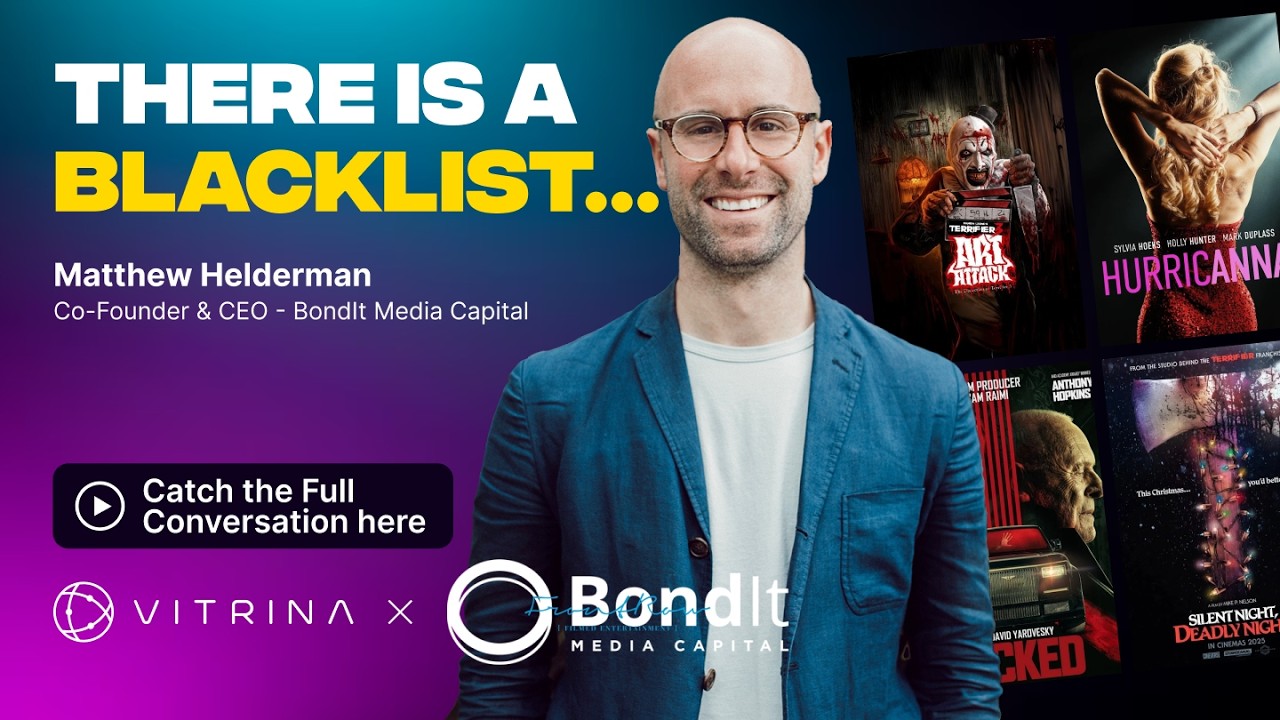
Matthew Helderman of BondIt Media Capital echoes this, suggesting that “reliable capital” for creators has shifted away from the “hope and pray” equity models toward more predictable, debt-driven structures. It’s about capital efficiency, not just capital acquisition.
Find the Financiers Backing Your Genre
Stop searching and start getting funded. We identify the exact decision-makers currently backing projects like yours, turning raw data into risk-aligned capital partnerships.
Structuring Your Capital Stack for Maximum Efficiency
How do you actually deploy this strategy? It starts with your tax incentives. In 2026, the smartest producers are layering a 40% rebate (like Saudi’s) as the base, followed by pre-sales in anchor territories, and then filling the “gap” with senior debt.
Here’s the catch: gap lenders in 2026 are more sophisticated than ever. They require:
- Clean Chain of Title: No legal ambiguity on rights.
- Reputable Sales Agent: Someone with a proven track record of hitting estimates.
- Completion Bond: A guarantee that the asset will actually be delivered to distributors.
- Locked Post-Production: Lenders want to know the “deliverables” are technically sound.
If you have these, gap financing becomes your most powerful tool. It allows you to keep your equity—and your upside—while using the market’s fixed-interest appetite to get the cameras rolling.
Producers can search 140+ verified gap lenders on Vitrina filtered by budget and territory focus.
How Vitrina Helps with Gap Financing Strategy
Finding the right lender in a high-interest, high-fragmentation market is a full-time job. Vitrina’s intelligence platform simplifies this by connecting you directly to the source of capital. We don’t just give you names; we provide the strategic context needed to close.
Maximize Your 2026 Financing
Leverage our database of over 140 verified sales agents and lenders specialized in gap debt.
Frequently Asked Questions
Is gap financing better than equity for producers in 2026?
Generally, yes. Debt is cheaper than the “real cost” of equity when you factor in profit participation and the lack of downside protection for equity investors. Gap sits senior, making it easier to attract for high-quality packages.
How does the 2026 interest rate environment impact film gap?
With rates stabilizing, the 8-15% annual cost of gap debt is highly competitive. It provides a fixed-cost certainty that variable-return equity can’t match in a theatrical-recovery market.
What is the seniority of gap in the capital stack?
Gap is senior debt. It gets paid back first (alongside any bank production loans) from the first dollar of revenue after the sales agent’s fees and expenses. This “First-Out” position is the ultimate de-risking tool.
Why are investors moving from equity to gap debt?
Transparency. In a fragmented market, tracking back-end profits (equity) is difficult. Tracking a fixed-interest loan against a specific territory (gap) is simple. Investors prefer the “Safe Bet” of debt over the “Mirage” of equity.
Do gap lenders require completion bonds?
Almost always. Because gap financing is secured against the eventual delivery of the film to a distributor, the lender needs to know the film will be finished. A completion bond is the industry’s insurance policy for that delivery.
Conclusion: The Safe Bet
The bottom line? Gap financing works because it’s grounded in reality. In 2026, the producers who win won’t be the ones with the flashiest equity deals—they’ll be the ones who structure their capital stack with the precision of a CFO. Debt isn’t a sign of weakness; it’s a weapon for scale.
Ready to de-risk your next project and weaponize your distribution rights? Vitrina’s Concierge team can connect you with matched lenders in 48 hours. Let’s close the gap.
Find Film+TV Projects, Partners, and Deals – Fast.
VIQI matches you with the right financiers, producers, streamers, and buyers – globally.
Producers Seeking Financing, Co-Pros, or Pre-Buys?
Vitrina Concierge helps producers reach the right financiers, commissioners, distributors, and co-production partners — with precision outreach, not cold pitching.
Join Industry Briefings Trusted by Leaders

Format Adaptations: Global Trends
Where formats are traveling, which adaptations are breaking out, and how streamers are backing remakes in 2025–2026.

Books, Novels & Comics Adaptations: Global Trends
Books, webtoons, and manga driving the next global screen hits. Discover how in this webinar.

Micro-Dramas & Mobile-First Storytelling
Micro-dramas are building real audiences and revenue. Understand the platforms, buyers, and economics behind the growth.

Navigating Global Content Licensing Trends
How global content licensing is shifting beyond flat fees to flexible, deal-driven models.