IHUB
IHUB
 Global Content Pulse (Webinars)


 Global Production Financing
(Webinars)
Global Production Financing
(Webinars)  LeaderSpeak Podcast
  Global Entertainment Digest (Newsletter)
  About Vitrina
 About VIQI
 Our Story
 Our Solutions 🔥
 Film+TV Projects Tracker 🚀
 Case Studies
 Our Profile
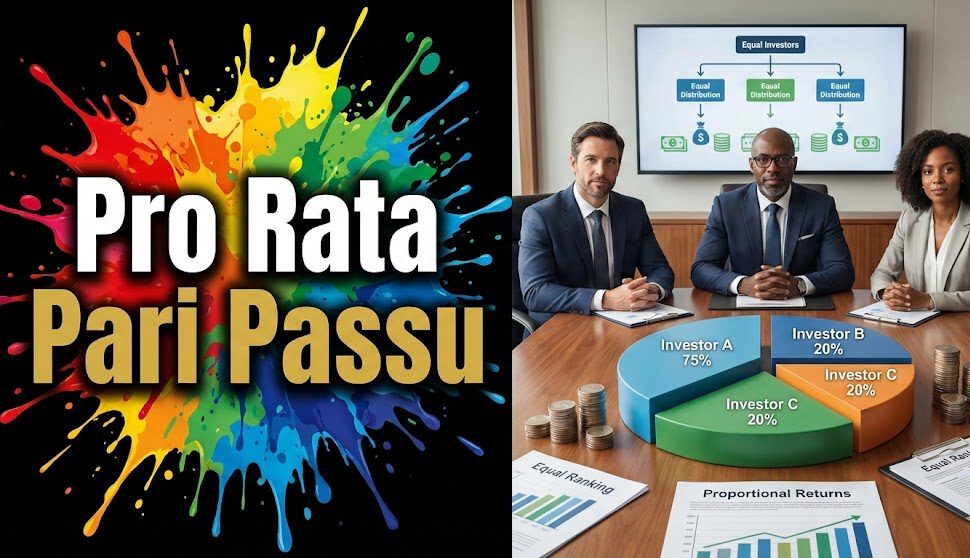
The most expensive mistake in a film contract isn’t a budget overage—it’s a timing error. Pro Rata Pari Passu is the legal mechanism that determines who gets paid, how much they get, and, most importantly, when they get it. In simple terms: “Pro Rata” means everyone gets their fair slice based on what they put in, and “Pari Passu” ensures they all start eating at the exact same time.
Based on Vitrina’s analysis of 62 expert interviews, this isn’t just legalese. It’s the difference between an investor seeing a 20% ROI in year two or waiting five years just to break even. If you’re structuring an indie deal in 2025, you’ve got to understand these mechanics before the first signature hits the page.
In this guide:
Stop Guessing Who’s Financing. Get Targeted Outreach.
Stop searching and start getting funded. We identify the exact decision-makers currently backing projects like yours, turning raw data into risk-aligned capital partnerships.
Major Studios
Scouting early stage projects, IP, and Regional partners for global studio pipelines.
IP Owners & Leads
Connecting creative leads with qualified financiers and major streaming platforms.
Streamers
Securing high-value pre-buy content and discovering early-stage global IP for platforms.
Indie Producers
Bridging the gap for indie filmmakers to reach executive production partners and capital.
Global Financing Ecosystems
Mapping complex markets and pairing projects with disciplined, risk-aligned capital across global territories worldwide.
What Does Pro Rata Pari Passu Actually Mean?
Behind closed doors, deal-makers use these terms to de-risk investments. When an article or a “term sheet” specifies that investors will recoup pro rata and pari passu, it’s creating a level playing field. It prevents a “Lead Investor” from taking all the early revenue while smaller contributors wait for the crumbs.
Producers who understand production financing know that capital isn’t all created equal. You have senior debt, mezzanine debt, and equity. The pari passu clause usually only applies within a specific tier—most commonly the equity tier.
Pro Rata vs. Pari Passu: The Crucial Distinction
Look, these terms get lumped together like they’re a single concept. They’re not. Pro Rata is about the ratio. If Investor A puts in $1M and Investor B puts in $500K, Investor A gets twice as much of every dollar distributed. It’s basic math.
Pari Passu, however, is about the timing. It means “on equal footing.” If three investors are pari passu, the waterfall doesn’t flow to one after the other—it flows to all of them simultaneously. That’s the catch: without pari passu, you could be pro-rata but still sit at the bottom of the list.
Phil Hunt, CEO of Head Gear Films, explains the debt vs. equity dynamic:
As Hunt notes, the “Big Crunch” in film finance means that everyone is fighting for seniority. If you’re an equity player, your only protection is being pari passu with the rest of the pool. Producers can explore lenders and investors on Vitrina to see who typically accepts these terms.
The Vitrina Waterfall Hierarchy™
The Vitrina Recoupment Ladder™
This is how the capital stack usually breaks down in a 2025 indie deal:
- Tier 1: Senior Debt (Banks/Lenders) – Never pari passu with equity. First out.
- Tier 2: Mezzanine/Gap – Junior to debt, but senior to equity.
- Tier 3: Equity Pool (Pari Passu) – This is where the pro rata pari passu mechanics live.
- Tier 4: Producer Corridors – Often negotiated to be pari passu with Tier 3 to keep the team incentivized.
Find the Financiers Backing Your Genre
Stop searching and start getting funded. We identify the exact decision-makers currently backing projects like yours, turning raw data into risk-aligned capital partnerships.
Why Investors Fight for Pari Passu Status
Strategic players understand that “Lead Investor” status usually comes with perks—but those perks can’t come at the expense of recoupment timing for other partners. In our analysis across hundreds of gap financing and equity deals, we’ve found that pari passu clauses are the #1 tool for closing a “fragmented” capital stack.
Andrea Scarso, of IPR.VC, highlights the importance of fair waterfalls in sophisticated deals:
If you’re managing multiple investors, ask VIQI how to structure your waterfall to avoid legal friction during recoupment.
Frequently Asked Questions
What does pro rata pari passu mean in film deals?
It means that investors in the same tier share revenue in proportion to their investment (pro rata) and receive payments at the exact same time (pari passu). It ensures no single equity investor gets preferential treatment on timing.
Is debt ever pari passu with equity?
Almost never. Debt is contractually senior. If a producer tried to make equity pari passu with a bank loan, the bank would likely pull the term sheet. Debt takes the first dollar until the principal and interest are paid.
How does pari passu affect my ROI?
It stabilizes it. Without it, you could be waiting for a $5M “lead” investor to recoup 100% before you see a single cent. Pari passu ensures you start recouping from the very first dollar that hits the equity tier.
How Vitrina Helps with Deal Structuring
Negotiating waterfalls is one of the most complex parts of the supply chain. Vitrina provides the data and connections you need to de-risk your deal.
- Explore our database of 140+ lenders and equity partners.
- Use VIQI to research market-standard recoupment terms.
- Contact Concierge for hands-on support in closing your capital stack.
The Bottom Line
Timing is everything. By ensuring your equity pool is pro rata and pari passu, you create a transparent, professional environment that attracts high-quality capital. If you’re currently structuring a slate or a single project, reach out to our Concierge team for matched financing support.
Find Film+TV Projects, Partners, and Deals – Fast.
VIQI matches you with the right financiers, producers, streamers, and buyers – globally.
Producers Seeking Financing & Partnerships?
Book Your Free Concierge Outreach Consultation
(To know more about Vitrina Concierge Outreach Solutions click here)
Join Industry Briefings Trusted by Leaders
Franchise Fatigue vs. IP Dependency: What Studios Should Be Betting On Now
s franchise performance softens, where will the next generation of valuable IP come from? Join the briefing.

Unscripted Is Eating the World: The Multi-Billion Reality and Format Boom
Unscripted is the new prestige — inside the $19.8B global format boom reshaping how streaming platforms compete.

Scripted Without Borders
As global drama evolves, which stories travel, which stay local, and how are they getting financed?

What Film & TV Financiers Actually Want in 2026
What do Film and TV financiers look for before they invest? Join the briefing to understand how capital decisions are changing in 2026.