About Innovation Hub
 Global Content Pulse (Webinars)


 Global Production Financing
(Webinars)
Global Production Financing
(Webinars)  LeaderSpeak Podcast
  About Vitrina
 Our Story
 Our Solutions 🔥
 Film+TV Projects Tracker 🚀
 Case Studies
 Our Profile

Tracking entertainment deals is the systematic process of monitoring content licensing, production financing, and acquisition movements across global markets to identify strategic opportunities.
This involves leveraging vertical AI to bridge the “data deficit” in fragmented regional markets, providing visibility into over 1.6 million titles and 140,000+ companies.
According to industry reports, executives relying on centralized supply chain intelligence identify trending regional content 5x faster than those using manual networking methods.
In this guide, you’ll learn how to navigate the 2025 landscape—from monitoring the Global Projects Tracker to identifying “Weaponized Distribution” trends.
While traditional methods rely on siloed spreadsheets and trade show serendipity, they fail to address the complexities of a hyper-competitive, borderless market where deals are struck in silence.
This comprehensive guide addresses critical gaps in global market visibility by providing a data-driven roadmap for tracking deals across 100+ countries with surgical precision.
Table of Contents
Key Takeaways for Acquisition Leads
-
Global Deal Visibility: Professionals tracking content trends across 140,000+ distributors find international titles 5x faster than manual sourcing.
-
Early-Warning Signals: Monitoring unreleased projects from development to post-production allows buyers to secure rights before competitors enter the bidding window.
-
Supply Chain Intelligence: Replacing anecdotal word-of-mouth with verified data on 5 million professionals transforms content acquisition into a measurable science.
What is Global Entertainment Deal Tracking?
Global entertainment deal tracking is the continuous intelligence-gathering process that monitors content licensing agreements, production funding, and territorial rights availability across the worldwide supply chain. This discipline allows acquisition leads to look beyond their immediate borders and understand the “rotational window” strategies of competitors. By tracking 30 million industry relationships, executives can identify who is buying what, and more importantly, why.
The modern media landscape is no longer a collection of “walled gardens.” Instead, it has shifted toward a “Weaponized Distribution” model, where content is licensed to rivals to maximize ARPU (Average Revenue Per User). Tracking these deals requires more than just reading trade headlines; it requires a deep, interconnected map of the entire ecosystem.
Analyze content acquisition trends for global buyers:
Industry Expert Perspective: AVOD, FAST, and Beyond
Understanding how deals are tracked across emerging platforms like FAST and AVOD is critical for acquisition leads seeking to monetize catalogs globally.

Carol Hanley, CEO of Whip Media, explores tailored solutions for streaming analytics, revenue tracking, and audience insights, demonstrating how data helps streamline content performance reporting across FAST, SVoD, and AVoD platforms.
How Do Global Project Trackers Provide Real-Time Data?
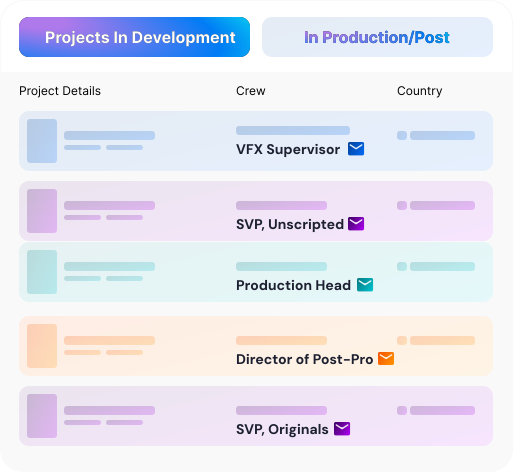
Monitoring the global production pipeline is a four-stage process that Vitrina AI automates across 100+ countries. By tracking titles through In-Development, In-Production, Post-Production, and Release/Renewal, acquisition leads gain an “early-warning signal” for unreleased content. This visibility allows buyers to engage financiers or producers during active production, often months before a title reaches the trade press.
- Step 1: Early Identification: Filter for projects in development within specific genres or budget levels.
- Step 2: Partner Verification: Use company intelligence to vet the production company’s track record and funding status.
- Step 3: Direct Outreach: Leverage the VIQI AI assistant to find the exact commissioning editor or sales agent attached to the project.
Strategic Intelligence: Why “Weaponized Distribution” is Changing the Sourcing Game
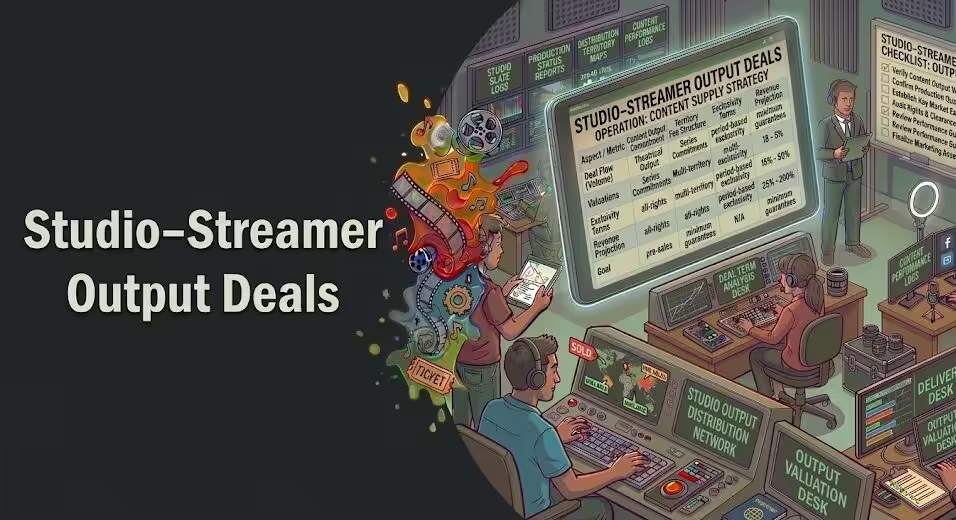
The era of platform exclusivity is giving way to “Weaponized Distribution.” This strategy involves licensing premium content to rival platforms 18-24 months post-release to recoup costs on sunk assets. For acquisition leads, this means that tracking deals isn’t just about new projects; it’s about monitoring the licensing status of existing blockbusters.
The Netflix acquisition of Warner Bros. Discovery studio assets ($72B) signals a massive consolidation that will flood the market with high-value IP once the “Streaming Wars” pivot toward collaborative monetization. Strategy teams must use supply chain intelligence to predict these licensing windows before they expire.
How to Source Regional Content in Fragmented Markets (MENA, APAC, LATAM)
Traditional databases often lack granular detail on emerging hubs like South Korea, Brazil, or the Middle East. Vitrina AI addresses this gap by tracking over 140,000 global companies including regional powerhouses like SBT Brazil and O2 Filmes.
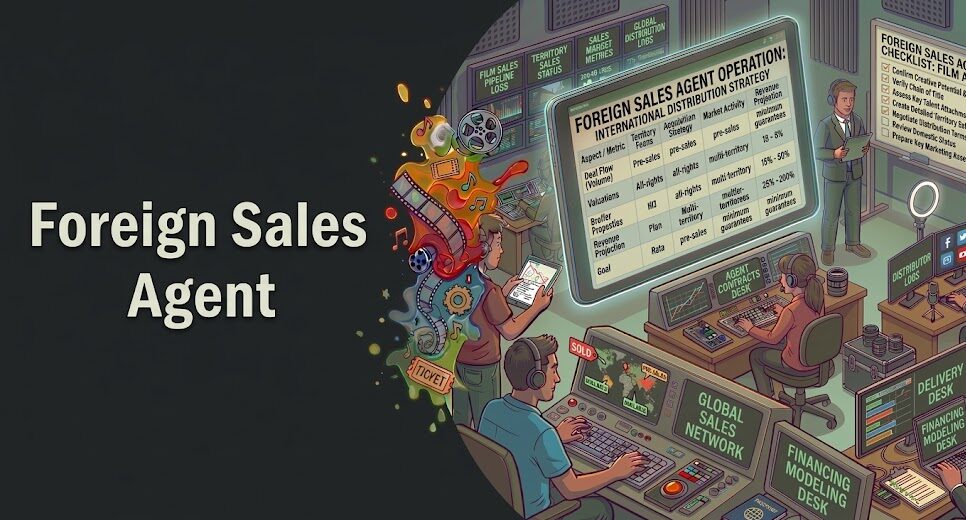
“The distribution model that worked five years ago—festival premieres followed by traditional sales agent representation—no longer serves independent creators in a direct-to-platform era. Data-driven discovery tools are now the only way to navigate a globalized supply chain.”
Moving Forward
Tracking entertainment deals has evolved from a relationship-driven art to a data-powered science. By leveraging supply chain intelligence, acquisition leads can eliminate the “data deficit” and secure trending content across 100+ countries before competitors even hear the news.
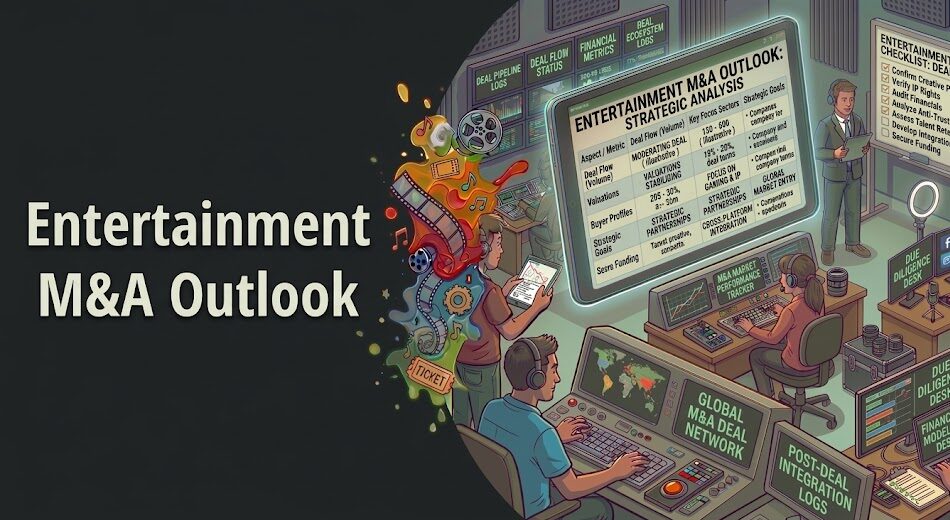
Whether you are an Acquisition Lead looking to source regional hits, or a Strategy Officer trying to monitor competitive M&A movements, centralized intelligence is your primary competitive moat in a borderless market.
Outlook: Over the next 18 months, the authorized use of Generative AI in localization and discovery will further compress the time between production and global licensing, making real-time deal intelligence non-negotiable.
Frequently Asked Questions
Quick answers to the most common queries about global deal tracking.
How can I track unreleased film deals?
What is “Weaponized Distribution”?
Which countries does Vitrina AI cover?
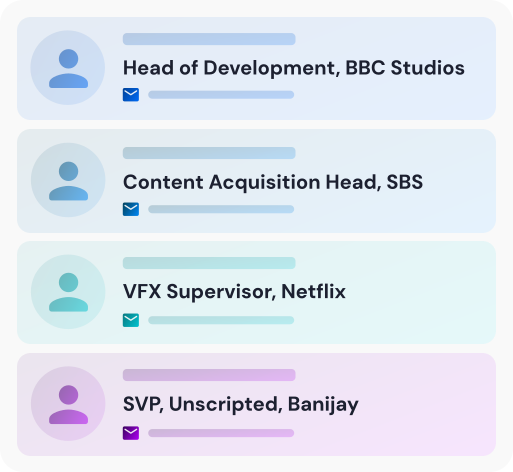
How do I find contact info for content buyers?
Can Vitrina AI predict content licensing trends?
What is the “Data Deficit” in entertainment?
How does VIQI AI work for acquisition?
Does Vitrina track Netflix acquisition strategies?
About the Author
Written by the Vitrina Strategy Team, specialists in global entertainment supply chain intelligence with over 20 years of experience in content metadata and market transformation. Connect on Vitrina.