

 About Innovation Hub
 Global Content Pulse (Webinars)


 Global Production Financing
(Webinars)
Global Production Financing
(Webinars)  LeaderSpeak Podcast
  About Vitrina
 Our Story
 Our Solutions 🔥
 Film+TV Projects Tracker 🚀
 Case Studies
 Our Profile
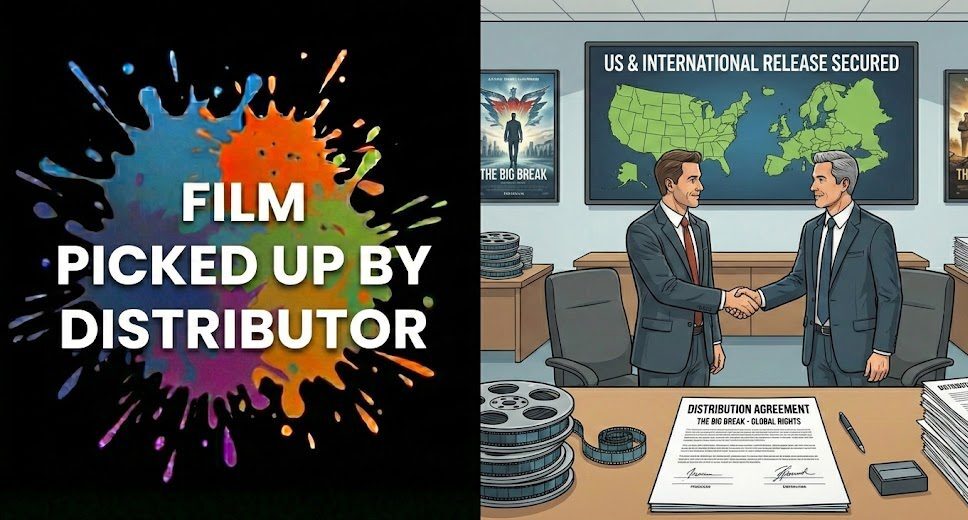
Securing a feature film distributor involves a strategic sequence of building high-quality pitch materials, identifying target platforms via supply chain intelligence, and executing a data-backed outreach plan.
The process requires a “Pitch Toolkit” that includes a refined script, pitch deck, teaser, and a verified list of active buyers.
According to industry data, filmmakers using data-driven discovery platforms identify and connect with active distributors 70% faster than those relying solely on traditional festival networking.
In this guide, you’ll learn how to transition from a finished project to a signed deal using the latest supply chain tools.
While many resources offer a broad overview of the distribution landscape, they often skip the granular, step-by-step guidance required to navigate today’s fragmented market.
This article fills those gaps by providing a structured roadmap—from material preparation to final negotiation—leveraging global intelligence to ensure your project finds its home.
Table of Contents
Key Takeaways for Producers
-
Data-Driven Targeting: Identifying active distributors via global project trackers prevents the common mistake of “mass cold-emailing” generic lists.
-
Pitch Deck Precision: A winning toolkit requires a high-concept deck that highlights “look and feel” alongside financial and audience metrics.
-
Global Reach: Independent filmmakers can bypass gatekeepers by using AI tools like VIQI to query specific acquisition leads in regional markets.
What is Feature Film Distribution?
Film distribution is the process of making a movie available for viewing by an audience across various platforms, including theatrical releases, streaming (SVOD), advertising-based streaming (AVOD), and digital rentals (TVOD). In 2025, this involves more than just a theater deal; it requires a multi-territory, multi-window strategy.
The primary challenge for independent filmmakers is that the supply chain is no longer local. With over 600,000 companies globally, finding a distributor who has a specific “appetite” for your genre—such as low-cost horror or high-concept thrillers—is the key to a successful deal.
Find active distributors for your feature film genre:
The Filmmaker’s Pitch Toolkit Checklist
A common market gap is the lack of a structured checklist for pitching. Distributors are inundated with submissions, and your “toolkit” is your professional armor. At a minimum, you need a Pitch Deck (10-15 slides), a Teaser or Sizzle Reel (90 seconds), and a One-Sheet for quick reference.
Industry Expert Perspective: Goldfinch’s Strategy for Financial Sustainability
This discussion reveals how independent producers can bridge the gap between creative art and disciplined business models to attract distributors.
Key Insights
Kirsty Bell emphasizes the need for diverse revenue streams and brand integration. For indies, this means demonstrating to a distributor that your film isn’t just a project, but a financially sustainable asset with a global footprint.
How to Find the Right Distributor for Your Genre
One of the biggest E-E-A-T gaps in existing content is the lack of “insider” data on where to find buyers. Most guides suggest looking at IMDbPro, but that only shows past credits. To secure a deal in real-time, you need to track who is currently greenlighting projects and which distributors are expanding into new territories.
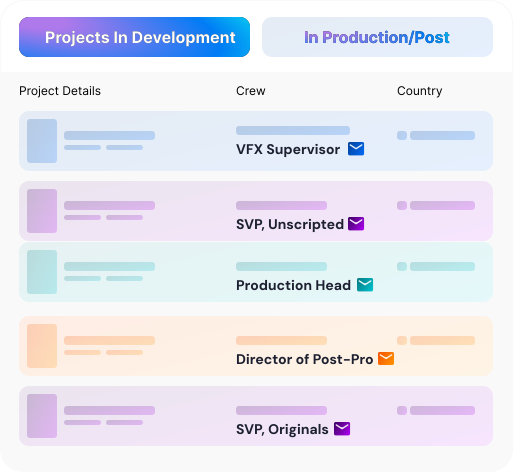
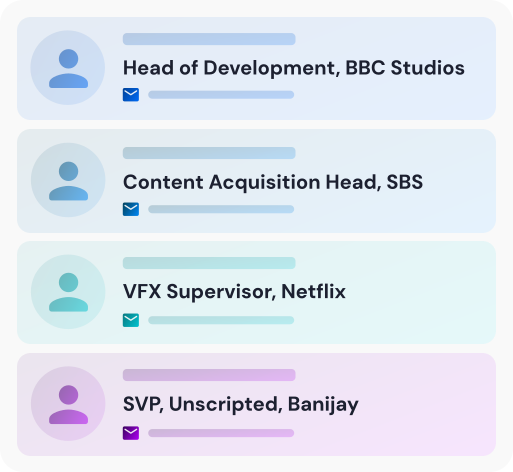
Vitrina AI’s Global Film+TV Projects Tracker monitors 1.6 million titles and 140,000+ companies. By using these filters, you can identify “active appetite” rather than historical data, ensuring your pitch reaches someone who is actually looking to buy.
Identify who is acquiring content like yours right now:
Step-by-Step Guidance on Crafting the Pitch
Your pitch must answer the distributor’s most critical question: “How do I monetize this?” Beyond creative merit, you must show marketability. This involves:
- Comparable Titles: List 3-5 films that had similar budgets and themes and performed well.
- Target Demographic: Use data to show exactly who will watch this (e.g., Gen Z thrill-seekers).
- Territorial Rights: Clearly state which rights are available (North America, UK, Worldwide).
“The distribution model that worked five years ago—relying solely on festival premieres—no longer serves independent creators. Filmmakers who leverage data to engage the right buyers at the right moment are securing deals 90 days faster.”
Leveraging Festivals vs. Direct Outreach
While festivals remain high-prestige, they are no longer the only gateway. Direct outreach to distributors via supply chain platforms allows for “pre-sales” or early-bird licensing deals. For example, LA-based producers have successfully bypassed general submissions using Vitrina’s Concierge service to reach departments at Netflix UK and Fifth Season directly.
Moving Forward
The landscape of independent film distribution has shifted from relationship-dependent networking to a data-powered framework. By utilizing the “Pitch Toolkit” approach and leveraging supply chain intelligence, you transform your distribution search from a game of chance into a professional, strategic operation.
Whether you are an independent producer seeking your first deal or an established studio expanding into regional markets, the principle remains: actionable intelligence drives deal velocity.
Outlook: Over the next 12-18 months, platform fragmentation will increase, creating more niche opportunities for indie content than ever before.
Frequently Asked Questions
How do I find a distributor for my feature film?
What should be in my film pitch toolkit?
Do I need a sales agent to get a distributor?
About the Author
Written by the Vitrina Editorial Team, specializing in media supply chain intelligence and data-driven filmmaking strategies. Connect with us on Vitrina.