About Innovation Hub
 Global Content Pulse (Webinars)


 Global Production Financing
(Webinars)
Global Production Financing
(Webinars)  LeaderSpeak Podcast
  About Vitrina
 Our Story
 Our Solutions 🔥
 Film+TV Projects Tracker 🚀
 Case Studies
 Our Profile
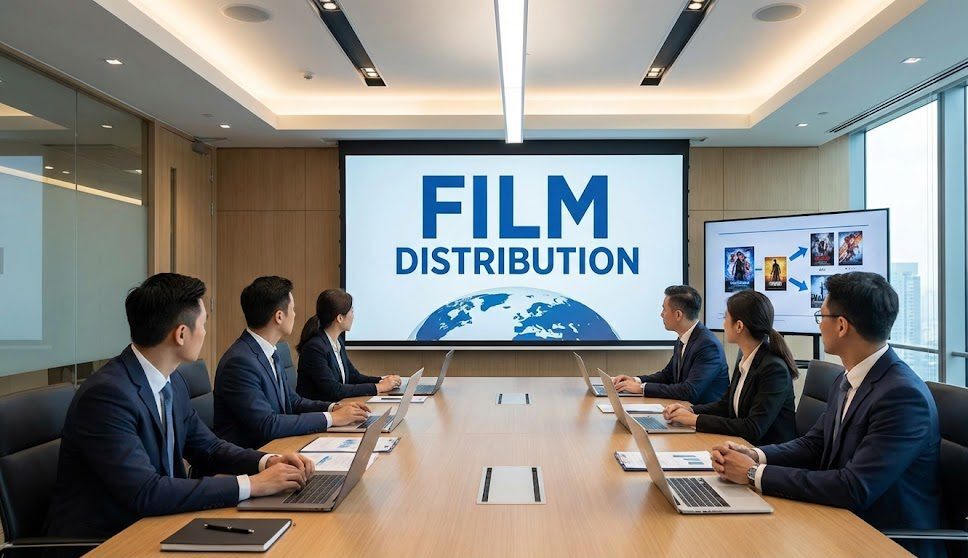
Film distribution is the process of securing exhibition deals for completed projects across theatrical, streaming, and digital platforms to monetize intellectual property.
This involves identifying target platforms, negotiating territorial rights agreements, and managing release strategies across global markets.
According to industry data from Ampere Analysis, the global licensing market is shifting toward “Weaponized Distribution,” where premium assets are rotated across rival platforms to maximize ROI.
In this guide, you’ll learn proven strategies for platform identification, pitch optimization, and deal negotiation—including how to leverage supply chain intelligence to compress outreach from months to weeks.
While traditional search results often misdirect filmmakers toward VFX or technical services, they fail to provide a strategic roadmap for the complex licensing and legal frameworks required for a successful release.
This comprehensive guide fills those gaps by providing actionable strategies—from navigating OTT licensing to tracking active buyers in real-time.
Table of Contents
Key Takeaways for Producers
-
Data-Driven Targeting: Producers using supply chain intelligence identify active buyers 70% faster than those relying on traditional festival-centric networking.
-
Multi-Window Revenue: Strategic distribution now requires managing theatrical, digital, and “weaponized” rotational windows to maximize total lifetime value.
-
Verified Rights Vetting: Access to verified profiles for 140,000+ companies reduces legal friction by ensuring territorial rights are cleared systematically.
What is Film Distribution for Independent Projects?
Traditional film distribution relies on trade show networking and festival premieres, leaving producers with limited visibility into active financing partners when development windows close. In today’s digital-first era, distribution is the strategic bridge between completed art and commercial exhibition.
It involves the legal transfer of rights—the right to show a film in a specific territory, in a specific language, on a specific platform. For an indie producer, this means moving beyond just “selling a movie” to managing a portfolio of territorial rights.
Find co-production partners and financing for your next project:
How Do Theatrical, OTT, and Hybrid Distribution Models Differ?
The distribution landscape is no longer linear. While theatrical remains the prestigious “gold standard,” digital-first platforms now drive the majority of independent revenue.
- Theatrical Distribution: Focuses on cinema exhibition, requiring heavy “P&A” (Prints and Advertising) spend.
- OTT/Streaming: Direct-to-platform licensing (SVOD, AVOD, TVOD) which often offers high volume but lower “event” status.
- FAST Channels: Emerging “Free Ad-supported Streaming TV” channels like Pluto TV or Roku that acquire catalog titles.
70%
of independent films now secure distribution through strategic platform targeting rather than traditional festival routes.
Source: Variety Intelligence Platform
Industry Expert Perspective: Goldfinch’s Strategy for Financial Sustainability
Independent distribution requires a disciplined business model that bridges art and enterprise. Kirsty Bell of Goldfinch discusses how leveraging diverse revenue streams across global creative economies is critical for sustainability.
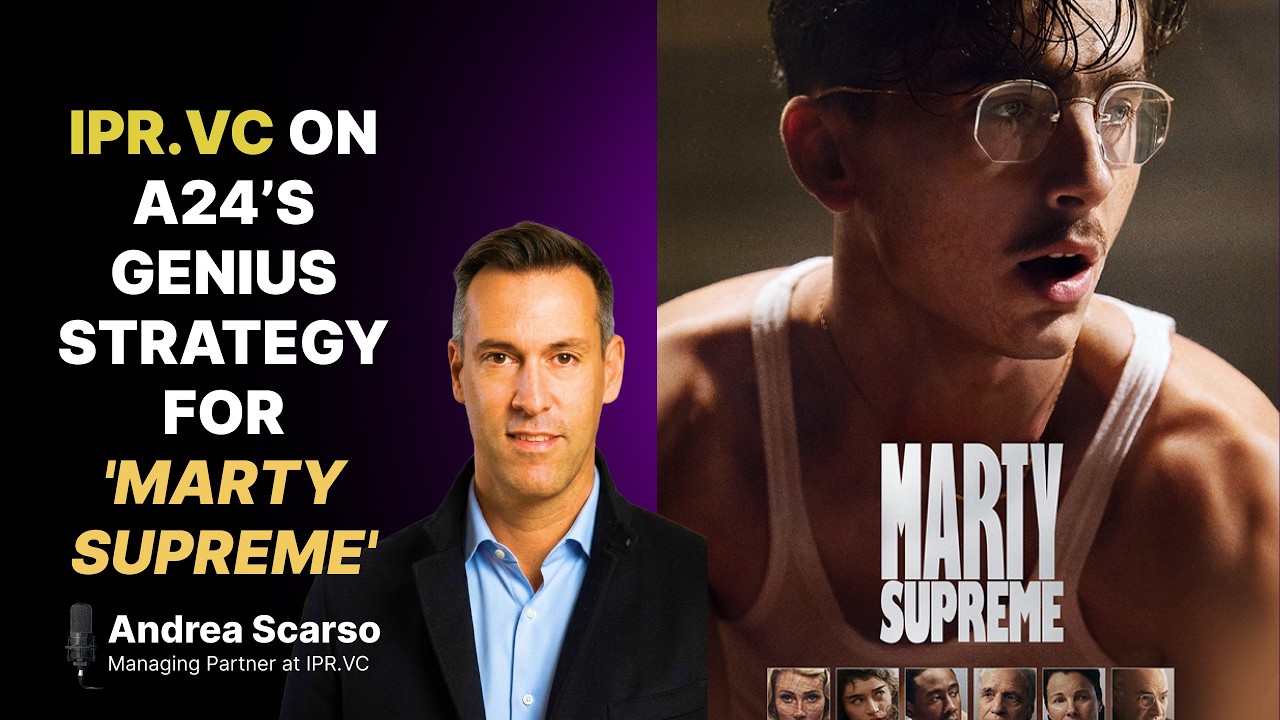
Kirsty explores how the company bridges the gap between independent creativity and enterprise by leveraging global creative economies in Africa, Asia, and the Middle East.
How to Pitch Your Film to Distributors and Secure Deals
Traditional pitching relies on “gut feeling,” leaving producers with low response rates from generic mass outreach. Modern distribution requires a surgical, data-driven approach.
✓ Action Item: Create a filtered list of 25 target platforms matching your specific genre and budget.
✓ Tool/Method: Use VIQI AI to query “distributors acquiring [your genre] in [region]”.
✓ Success Metric: Achieve a 20%+ response rate vs. the 5% industry average for cold outreach.
Analyze recent content acquisition trends for your genre:
Real Success Stories: How Indies Secured Deals Using Data Intelligence
The Situation: An LA-based independent producer with a valuable book IP struggled to bypass the general submission black hole. “We knew our content had global legs, but we couldn’t find the direct line to decision-makers,” they recall.
The Solution: By leveraging Vitrina’s Concierge service and supply chain mapping, the producer identified active commissioning editors at Netflix UK, Fifth Season, and Fox Entertainment who were specifically seeking book-to-screen adaptations.
The Results: Within 30 days, the producer secured direct pitch meetings with all three targets. By compressing 6 months of manual networking into 4 weeks of data-driven outreach, they successfully negotiated a co-production agreement that previously would have been inaccessible.
Moving Forward
The independent film distribution landscape has shifted from relationship-dependent networking to data-driven platform targeting. This transformation addresses the critical gaps this guide explored: from defining jargon to providing real-world case studies for the 2025 market.
Whether you are a first-time filmmaker looking to secure your first digital sale, or an established indie studio trying to manage complex international rights, supply chain intelligence is the key to accelerating deal velocity.
Outlook: Over the next 12-18 months, platform fragmentation will accelerate as regional streamers and niche FAST channels proliferate, creating more buyers but requiring more noise-reduction tools.
Frequently Asked Questions
Quick answers to the most common queries about film distribution in 2025.
What is film distribution?
How do I distribute my film on Netflix or Amazon?
What are the types of film distribution?
How do I become a film distribution manager?
About the Author
Authored by the Vitrina Content Architecture team, specializing in media supply chain digital transformation and independent creator advocacy. Connect with us on Vitrina.