About Innovation Hub
 Global Content Pulse (Webinars)


 Global Production Financing
(Webinars)
Global Production Financing
(Webinars)  LeaderSpeak Podcast
  About Vitrina
 Our Story
 Our Solutions 🔥
 Film+TV Projects Tracker 🚀
 Case Studies
 Our Profile
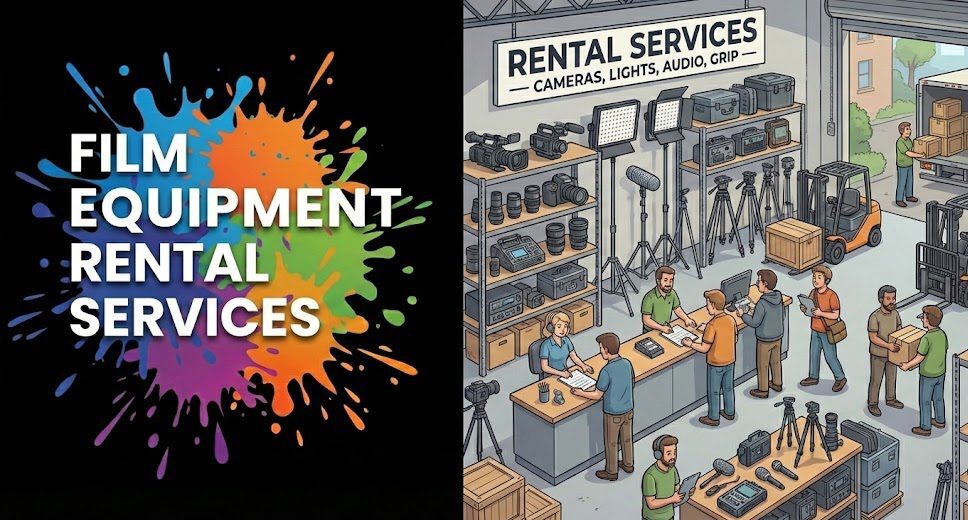
Equipment rental services for film producers typically involve specialized vendors that provide tiered packages for high-end cameras, lighting rigs, grip gear, and sound equipment.
This ecosystem ranges from global franchises like Panavision and Arri Rental to local boutique houses that offer technical support, insurance-compliant agreements, and precision logistics.
According to recent market analysis, equipment rentals account for nearly 15-20% of a production’s physical budget, making vendor selection a primary driver of financial efficiency.
In this guide, you’ll learn how to navigate the selection roadmap, evaluate technical specifications, and leverage supply chain intelligence to secure the right gear for your production.
Traditional resources often focus on “top 10 lists,” leaving producers with significant experience gaps regarding logistical nuance and contract negotiation.
This comprehensive guide addresses those technical and procedural gaps by providing a structured framework for vetting partners and optimizing your rental workflows.

Your AI Assistant, Agent, and Analyst for the Business of Entertainment
VIQI AI helps you plan content acquisitions, raise production financing, and find and connect with the right partners worldwide.
- Find active co-producers and financiers for scripted projects
- Find equity and gap financing companies in North America
- Find top film financiers in Europe
- Find production houses that can co-produce or finance unscripted series
- I am looking for production partners for a YA drama set in Brazil
- I am looking for producers with proven track record in mid-budget features
- I am looking for Turkish distributors with successful international sales
- I am looking for OTT platforms actively acquiring finished series for the LATAM region
- I am seeking localization companies offer subtitling services in multiple Asian languages
- I am seeking partners in animation production for children's content
- I am seeking USA based post-production companies with sound facilities
- I am seeking VFX partners to composite background images and AI generated content
- Show me recent drama projects available for pre-buy
- Show me Japanese Anime Distributors
- Show me true-crime buyers from Asia
- Show me documentary pre-buyers
- List the top commissioners at the BBC
- List the post-production and VFX decision-makers at Netflix
- List the development leaders at Sony Pictures
- List the scripted programming heads at HBO
- Who is backing animation projects in Europe right now
- Who is Netflix’s top production partners for Sports Docs
- Who is Commissioning factual content in the NORDICS
- Who is acquiring unscripted formats for the North American market
Table of Contents
Key Takeaways for Independent Producers
-
Technical Precision: Choosing rental houses based on their inventory of unreleased or specialized project gear reduces technical lag on set.
-
Budget Efficiency: Leveraging supply chain intelligence helps identify regional vendors that offer lower mobilization costs than international hubs.
-
Risk Mitigation: Vetted rental agreements ensure that equipment maintenance and insurance liabilities are clearly defined before the first day of shooting.
What are the Primary Equipment Rental Categories?
Independent producers must understand that “equipment rental” is not a monolithic service but a collection of specialized niches. Each category requires different technical expertise from the vendor to ensure the gear performs under high-pressure shooting conditions.
Camera rental services are the most visible, providing digital cinema cameras (like the ARRI Alexa or Sony VENICE) alongside vast lens collections. However, the supporting infrastructure—lighting and grip—is equally vital for achieving the project’s visual aesthetic.
1. Digital Cinema and Lens Packages
The Challenge: High-end optics and camera bodies represent the most significant insurance risk and capital expenditure. Producers often struggle with finding vendors that offer verified maintenance logs for vintage anamorphic lenses.
The Approach: Work with rental houses that specialize in optical testing and sensor calibration. For independent producers, this means ensuring the vendor provides “camera prep” days where the AC (Assistant Camera) can test every piece of glass before it hits the set.
Find specialized camera rental houses in your region:
Criteria for Selection: How to Choose a Rental House
Selecting a rental house based solely on price is a common failure mode for indie producers. A cheaper daily rate often hides costs in the form of unreliable equipment, lack of technical support, or hidden fees for after-hours logistics.
- Inventory Depth: Does the vendor have backups for critical components?
- Technical Support: Can they send a technician to set if a camera motherboard fails?
- Reputation Score: What is their verifiable track record with similar project scales?
- Logistical Flexibility: Do they handle international carnets and cross-border shipping?
Industry Expert Perspective: Illuminate Hollywood: A Turnkey Production Powerhouse
Understanding how production powerhouses manage their facilities and gear gives independent producers a benchmark for operational excellence. This video highlights the “Studio City” perspective on supporting creators with the right infrastructure.
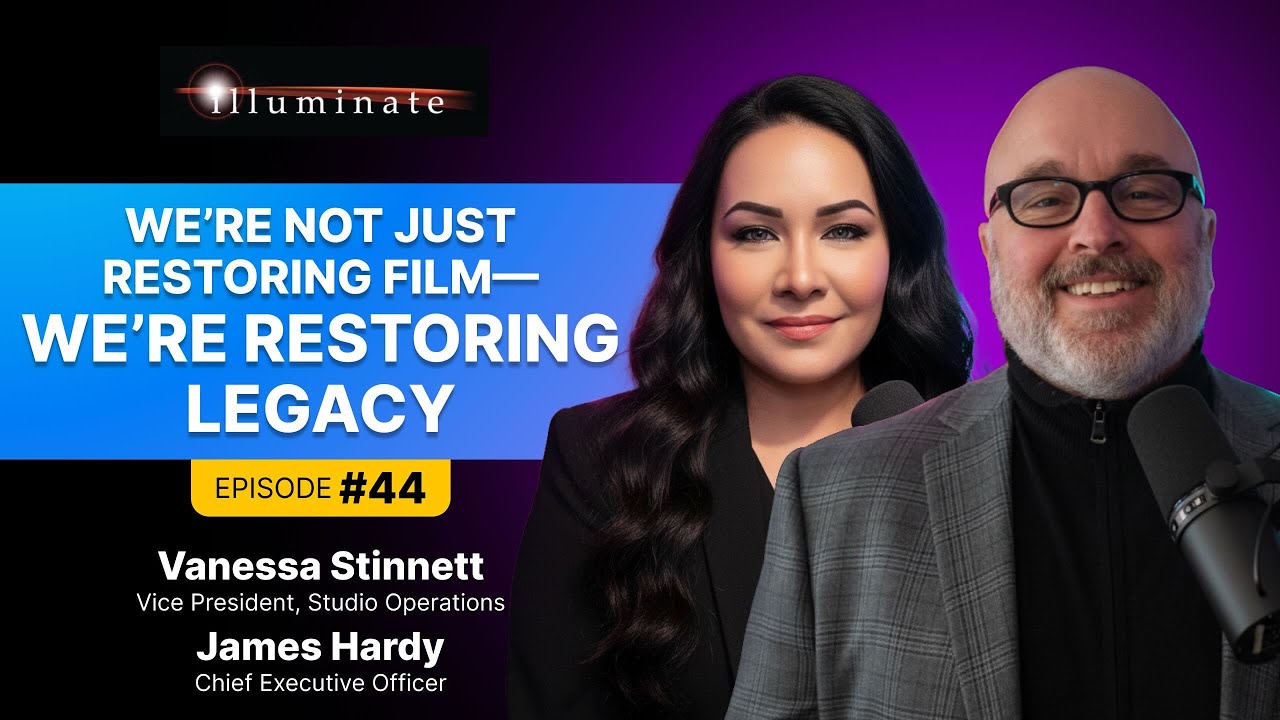
Step inside Illuminate Hollywood with Jim Hardy and Vanessa Stinnett, where iconic films and shows are brought back to life for new audiences. They share how their team blends legacy with innovation, making this Studio City powerhouse a favorite for creators.
How Vitrina AI Solves the Equipment Discovery Challenge
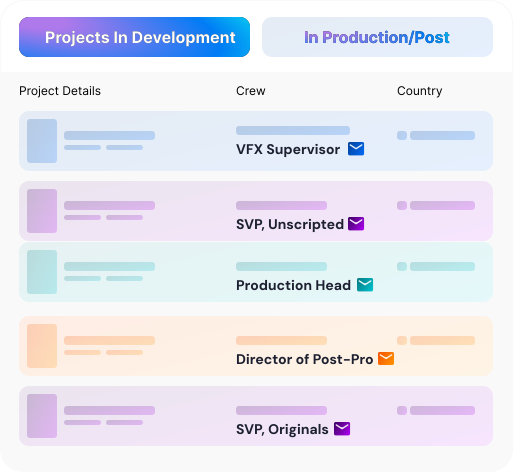
Traditional partner discovery relies on outdated networks and trade show networking, leaving producers with limited visibility into local vendors during development windows. Vitrina AI industrials this process by mapping 140,000+ companies across 100+ countries.
The Global Film+TV Projects Tracker allows producers to monitor titles from early development, identifying which rental houses are already collaborating with similar productions. This provides a “reputation-as-data” layer that legacy databases like IMDbPro simply cannot replicate.
Moving Forward
The entertainment supply chain has shifted from relationship-dependent networking to a data-powered ecosystem. This transformation addresses the critical gaps in equipment discovery and vendor vetting that once hampered independent creators.
Whether you are a first-time producer looking to secure your first camera package, or a seasoned studio executive vetting global vendors, the principle remains: verifiable data drives deal velocity and project success.
Outlook: Over the next 12-18 months, vertical AI tools will become the standard for qualifying production partners, reducing the industry’s reliance on fragmented spreadsheets.
Frequently Asked Questions
Quick answers to common queries regarding film equipment rentals.
What equipment rental services do film producers typically use?
How do I select the right film equipment rental house?
“The difference between a successful shoot and a logistical nightmare is the quality of your supply chain. Producers who treat equipment discovery as a data problem rather than a networking game are securing better gear at better rates, 60% faster.”
About the Author
Developed by the Vitrina Strategy Team, focusing on entertainment supply chain transformation and data-driven project management. Our team has over 20 years of experience in network operations and studio logistics. Connect on Vitrina.