About Innovation Hub
 Global Content Pulse (Webinars)


 Global Production Financing
(Webinars)
Global Production Financing
(Webinars)  LeaderSpeak Podcast
  About Vitrina
 Our Story
 Our Solutions 🔥
 Film+TV Projects Tracker 🚀
 Case Studies
 Our Profile
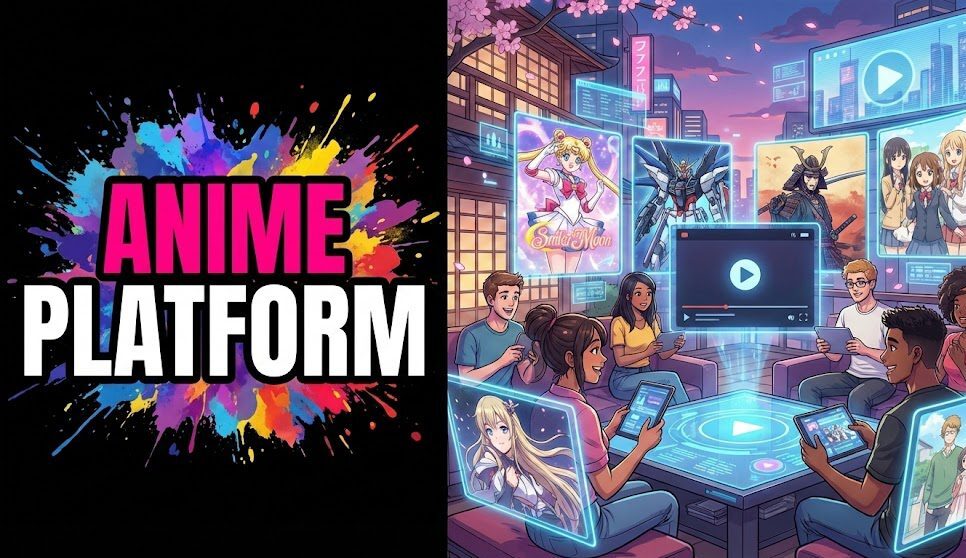
An anime platform is a specialized digital streaming service or broadcast entity dedicated to the licensing, distribution, and exhibition of Japanese animated content.
Modern platform management involves balancing high-cost licensing for tentpole titles with niche community engagement and robust technical infrastructure.
According to industry reports, the global anime market is projected to surpass $48 billion by 2030, with demand increasingly concentrated in regional FAST channels and specialized VOD services.
In this guide, you’ll learn the strategic frameworks for platform selection, content acquisition tactics, and how to leverage supply chain intelligence to find the next global hit.
While legacy platforms like Crunchyroll dominate the consumer mindset, they often lack the comparative analysis of acquisition strategies needed by emerging players to compete in a fragmented market.
This comprehensive guide addresses these intelligence gaps by providing professional insights—from vetting global distributors to identifying emerging regional trends.
Table of Contents
Key Takeaways for Programming Directors
-
Data-Driven Acquisition: Leverage supply chain intelligence to identify high-potential anime titles before they hit the peak of the hype cycle.
-
Regional Market Expansion: FAST channels in regions like Southeast Asia and MENA are underserved, offering significant growth opportunities for anime distributors.
-
Technical Infrastructure: Prioritize platforms with robust community engagement features to mimic the user experience of dominant players.
What is an Anime Platform?
An anime platform serves as the primary conduit between Japanese production studios and global audiences. These services are more than just streaming libraries; they are cultural hubs that curate content across genres such as Shonen, Seinen, and Shojo. For professionals, an anime platform represents a complex node in the entertainment supply chain where licensing agreements, localization services, and distribution rights intersect.
The mechanism of these platforms relies on sophisticated content acquisition strategies. This involves bidding for exclusive simulcast rights—where episodes air shortly after their Japanese broadcast—and building deep catalogs of classic titles to ensure subscriber retention. In 2025, the focus has shifted toward “weaponized distribution,” where platforms license out non-exclusive content to FAST channels to maximize ROI on older library assets.
Find anime distributors and production partners globally
Major vs. Emerging Anime Platforms
The anime landscape is currently a tale of two markets. On one side, you have the “Big Three”—Crunchyroll, Netflix, and Disney+—who leverage massive financial firepower to secure global exclusive rights. On the other, emerging platforms and regional players are carved out niches by focusing on specialized content types or underserved territories.
- Crunchyroll: The specialist incumbent with over 1,300 titles and a massive community-driven ecosystem.
- Netflix: The global generalist, spending upwards of $17 billion annually on content, using data-driven engines to greenlight original anime projects like “Cyberpunk: Edgerunners.”
- HIDIVE: A niche powerhouse focusing on “uncut” versions and content that mainstream platforms might overlook.
- Bilibili (Regional): A dominant force in China and Southeast Asia, using community engagement and user-generated content to drive platform loyalty.
For acquisition leads, the opportunity lies in tracking 140,000+ companies through platforms like Vitrina AI to find emerging digital distributors that are often overlooked by traditional databases like IMDbPro.
Compare content acquisition trends for major streamers
How to Choose the Best Anime Platform
Selecting or launching an anime platform requires a multi-dimensional analysis of genre depth, budget constraints, and user behavior. For many users, the choice is driven by “FOMO” (Fear of Missing Out) regarding seasonal hits, but for professionals, the decision is anchored in the supply chain’s efficiency.
The framework for choosing should include:
- Simulcast Velocity: How quickly does the platform localize and release content post-Japanese broadcast?
- Genre Specialization: Does the platform target a general audience or a hardcore niche (e.g., Mecha or Isekai)?
- Territorial Rights: Are the licenses available globally or restricted by territory, creating friction for international expansion?
Identify emerging anime FAST channels for distribution
Industry Expert Perspective: AVOD, FAST, and Beyond: How Whip Media is Shaping the Future of Streaming Solutions
As anime platforms transition toward multi-tiered monetization strategies, understanding the role of FAST and AVOD is critical. This perspective explores how data analytics drive revenue tracking across fragmented streaming environments.

Key Insights
Carol Hanley, CEO of Whip Media, discusses tailored solutions for streaming platforms, focusing on analytics, royalties, and revenue tracking across FAST and SVOD platforms—essential for managing complex anime licensing deals.
Moving Forward
The anime platform market is no longer a monolith controlled by a few incumbents. The shift toward data-powered frameworks and “weaponized distribution” has leveled the playing field for those who can navigate the complexities of the global supply chain.
Whether you are a programming director looking to secure the next seasonal hit, or an acquisition lead trying to optimize your regional FAST strategy, actionable intelligence is the primary driver of success.
Outlook: Over the next 18 months, we expect to see accelerated fragmentation as niche streamers and regional platforms leverage vertical AI to out-maneuver the giants in content sourcing and discovery.
Frequently Asked Questions
Quick answers to the most common queries about the anime platform market.
What is the most popular anime platform?
How much does it cost to license anime for a platform?
Is Netflix a good anime platform?
What are FAST channels in the context of anime?
About the Author
Our editorial team specializes in global entertainment supply chain intelligence, with over 15 years of experience tracking content acquisition and distribution trends for major networks and indie studios. Connect on Vitrina.