About Innovation Hub
 Global Content Pulse (Webinars)


 Global Production Financing
(Webinars)
Global Production Financing
(Webinars)  LeaderSpeak Podcast
  Global Entertainment Digest (Newsletter)
  About Vitrina
 About VIQI
 Our Story
 Our Solutions 🔥
 Film+TV Projects Tracker 🚀
 Case Studies
 Our Profile

Post-theatrical rights work through a series of tactical licensing windows—including SVOD, AVOD, TVOD, and Linear TV—designed to maximize an asset’s revenue lifecycle after its cinema run.
In the current market, this process is being redefined by “Weaponized Distribution,” where major studios strategically license premium IP to rival platforms to optimize liquidity and audience reach.
According to Vitrina AI intelligence, managing these rights across a global landscape of 600,000 companies requires moving beyond the “data deficit” toward centralized supply chain platforms.
This guide explores the structural shift from exclusive “walled gardens” to high-velocity, data-driven licensing models.
As the “Streaming Wars” pivot toward profitability, acquisition leads must now navigate a “fragmentation paradox” where production is globalized but rights data remains siloed in opaque personal networks.
Article Navigation
Strategic Takeaways for Acquisition Teams
-
Rotational Licensing: Major studios are rotating premium IP (e.g., Warner Bros content on Netflix) 18-24 months post-release to unlock secondary revenue tiers.
-
Data-Driven Vetting: Use verified reputation scores for 140,000+ companies to qualify international partners and mitigate financial risk.
-
Vertical AI Advantage: Leverage specialized AI (like VIQI) to map 30 million industry relationships and identify available rights before they reach public trades.
The Structural Evolution of Post-Theatrical Windowing
For decades, post-theatrical rights followed a rigid, linear progression: Home Video, then Pay-TV, and finally Broadcast. Today, the media and entertainment (M&E) industry is undergoing a structural metamorphosis. The emergence of global supply chain platforms has transformed rights management from an opaque art into a data-driven science.
Legacy methods relying on handshake deals are incapable of managing a market with 1.6 million titles. Executives now face a “fragmentation paradox” where production volumes have outpaced the visibility of the supply chain. This results in a critical data deficit that exposes platforms to significant risk when bidding on international slates.
Analyze current licensing windows for major thriller slates in Europe:
Weaponized Distribution: The End of the “Walled Garden”
The era of platform exclusivity is giving way to “Weaponized Distribution.” A prime example is Netflix’s $72 billion acquisition of Warner Bros.’ studio assets, signifying a strategic pivot. Studios are no longer hoarding IP but are instead sub-licensing premium content to rival platforms 18-24 months after release to maximize liquidity.
This co-opetition model uses data to identify when an asset has reached peak saturation on its home platform. By rotating rights to competitive services like Amazon or Disney+, IP owners can capture entirely new audience segments while recouping production costs faster in an increasingly expensive market.
Track recent sub-licensing deals between major streaming rivals:
Expert Perspective: Automating the Supply Chain for Global Distribution
Navigating post-theatrical rights across borders requires a rigorous, automated infrastructure. Ramki Sankaranarayanan, CEO of Prime Focus Technologies, explains how the CLEAR platform is revolutionizing rights management through AI and end-to-end automation.
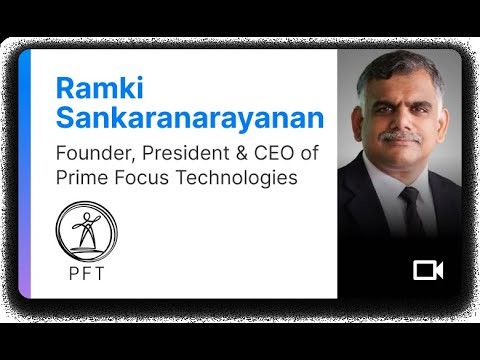
CEO Ramki Sankaranarayanan explores how end-to-end automation allows media companies to manage vast licensing slates while maintaining high metadata quality, ensuring every territorial right is tracked and monetized correctly.
Leveraging Supply Chain Intel for Global Rights Tracking
The complexity of post-theatrical rights across 140,000 verified companies makes manual discovery structurally impossible. To succeed, acquisition leads are utilizing “Global Project Trackers” that monitor 1.6 million titles worldwide. This visibility allows teams to identify when an unreleased project enters the post-production stage—the critical window for pre-selling rights.
By mapping 30 million industry relationships, centralized intelligence platforms can predict commissioning behavior. This data-first roadmap enables financiers to identify which regional players have the strongest historical performance in specific genres, reducing the risk of signing with an under-performing distributor in a key territory.
Identify active unreleased projects in the global pipeline:
Bridging the Data Trust Deficit in Rights Acquisition
The greatest barrier to cross-border deals is the “data trust deficit.” Without verified history, buyers often rely on unverified referrals, leading to high-risk transactions. Vertical AI tools like VIQI solve this by mapping the entire entertainment ecosystem, providing reputation scores for 140,000+ companies.
This intelligence enables “precision outreach” to high-value targets monthly. By qualifying partners based on specialization and historical deal success, acquisition teams can move from broad-stroke pitches to surgically targeted outreach, ensuring they engage only with partners who have the liquidity and infrastructure to execute a successful post-theatrical run.
Find active co-production and financing partners in the Middle East:
The Path Forward in Global Rights Management
Managing post-theatrical rights has transitioned from a networking art to a data science. As we move into an era of “Authorized Data” for AI, the visibility of your rights pipeline will determine your ability to leverage new revenue streams.
By integrating centralized supply chain intelligence with Vertical AI, strategic leads can bridge the “data deficit,” secure first-mover advantages on unreleased projects, and execute weaponized distribution strategies with precision. The goal is no longer just presence in a market, but dominance through intelligence.
Frequently Asked Questions
What are post-theatrical rights?
What is the “Weaponized Distribution” strategy?
How many content titles does Vitrina AI track?
What is the “data trust deficit”?
What is Vertical AI in the entertainment context?
How does rotational licensing work?
What is SVOD, AVOD, and TVOD?
How does Vitrina help with partner due diligence?
“The industry is moving from an anecdotal, relationship-based art to a data-driven science. Executives who bridge the ‘data trust deficit’ today will be the ones defining global reach for the next decade.”
About the Author
Content Strategist specializing in the global entertainment supply chain. Helping industry leaders navigate market transformation through verified intelligence and AI-driven insights. Connect at Vitrina AI.