About Innovation Hub
 Global Content Pulse (Webinars)


 Global Production Financing
(Webinars)
Global Production Financing
(Webinars)  LeaderSpeak Podcast
  About Vitrina
 Our Story
 Our Solutions 🔥
 Film+TV Projects Tracker 🚀
 Case Studies
 Our Profile
You’ve probably landed here because Toonstream showed up in your search results and you’re trying to figure out if it’s legit — or what happens if you use it. Fair question. The short answer? It’s an unauthorized streaming site hosting cartoons and animated content without proper licensing rights, and using it carries real risks that most people don’t think about until it’s too late.
We’re not here to lecture you. But we do want to give you the full picture — the legal exposure, the device security risks, what the entertainment industry actually loses when piracy runs unchecked, and where you can watch the same content safely in 2026. Some of those alternatives are genuinely free. Others cost less than a cup of coffee per month.
Here’s the thing: the animated content world has never been richer. Netflix, Crunchyroll, Tubi, Pluto TV, and a dozen other platforms have poured billions into securing animation libraries — kids’ cartoons, adult animation, anime, international co-productions. You don’t actually need to take the risk anymore. But you should understand exactly what that risk looks like first.
💡 Vitrina Analyst Note
Platforms like Toonstream don’t just steal revenue — they erase the viewership data studios depend on for renewal decisions. From our work tracking the global animation supply chain, we see this licensing gap exploited constantly. The real defense isn’t just takedowns — it’s getting content into legal windows faster, everywhere.
In This Guide:
- What Is Toonstream and How Does It Work?
- The Legal Risks You’re Actually Taking
- Security Red Flags: What Toonstream Does to Your Device
- Why Piracy Actually Hurts the Shows You Love
- Free Legal Alternatives That Actually Work
- Paid Platforms Worth the Money in 2026
- Platform Comparison: What You Get Where
- FAQ
Want to Find Any Animated Show on a Legal Platform — Fast?
VIQI, Vitrina’s AI assistant, can help you discover where specific animated titles are licensed and available in your region. Trusted by entertainment professionals at Netflix, Warner Bros, and 140,000+ companies in the global content supply chain.
No credit card required · Free to explore
What Is Toonstream and How Does It Work?
Toonstream is an unauthorized streaming website that aggregates animated TV shows and movies — primarily Western cartoons and some anime — without holding distribution licenses for the content it hosts. Sites like this typically operate by either hosting files directly on their own servers or embedding video players that pull content from third-party hosts scattered across multiple jurisdictions.
The business model isn’t complicated. They drive traffic through search engines and social media, monetize that traffic through advertising networks (often low-quality ad networks that accept anyone), and keep operating costs minimal by not paying for any of the content. It’s the classic piracy playbook — someone else creates the value, they extract it.
What makes Toonstream specifically problematic in 2026 is the shifting enforcement landscape. Rights holders — studios, streaming platforms, animation companies — have become significantly more aggressive about pursuing both the sites themselves and, in some jurisdictions, the users who access them repeatedly. Copyright enforcement technology has improved. ISP-level monitoring is more common. And the legal framework in most countries has moved toward user liability, not just host liability.
Sites like Toonstream also have a high turnover rate. They get taken down, they resurface with slightly different domain names, they operate mirrors. That instability isn’t just inconvenient — it means you’re regularly visiting new, unvetted URLs with unknown security profiles. But more on that in a moment.
How These Sites Stay Online (For Now)
Piracy sites like Toonstream typically register domains through registrars in less regulated jurisdictions, use offshore hosting, and cycle through new domains when DMCA takedowns hit. That’s why you’ll see URLs like “toonstream.to” get replaced by “toonstream.net” get replaced by something else entirely. The content owners know this cycle well — it’s exactly why streaming platforms like OSN have invested in simultaneous release strategies to reduce the piracy window.
As Rolla Karam, SVP of Content Acquisition at OSN, put it plainly: the reason OSN releases content at the same minute as the US is specifically “to fight piracy” — because premium content with a delayed release is essentially an invitation to piracy sites to fill that gap. That gap is what Toonstream exploits.
The Legal Risks You’re Actually Taking
Let’s be direct about this. Most people who visit Toonstream aren’t thinking about legal risk — they just want to watch a cartoon. But the reality in 2026 is more complicated than it was a few years ago.
In the United States: Under the Digital Millennium Copyright Act (DMCA), streaming copyrighted content without authorization technically violates copyright law. Historically, enforcement against individual viewers has been rare. But the legal risk isn’t zero, and it’s been trending upward — particularly for users who access piracy sites repeatedly and in volume.
In the European Union: This is where it gets genuinely serious. Several EU member states — Germany, the Netherlands, France, Italy — have established legal frameworks that explicitly create user-side liability for streaming pirated content, not just downloading it. Rights holders in Germany in particular have a history of pursuing legal action against individual users through law firms that specialize in copyright enforcement. If you’re in Europe, the risk profile is meaningfully higher.
In Australia: Site-blocking legislation passed in 2015 and expanded since then means ISPs are legally required to block access to known piracy sites. Using Toonstream from Australia often requires a VPN — which creates its own set of legal and security complications.
The ISP Warning Letter Problem
Even where direct legal action against viewers is rare, ISP warning letters are not. In the US and UK especially, rights holders can issue subpoenas to ISPs requesting user identification tied to specific IP addresses. The ISP then passes along a warning letter — sometimes just educational, sometimes a precursor to further action. Receiving one is stressful even if nothing else follows. And your ISP logs that you received it.
The bottom line? The legal risk of using Toonstream isn’t catastrophic for most casual viewers in most countries. But it’s not theoretical either. And it’s been growing steadily as enforcement frameworks catch up with technology.
Watch Animated Content Legally — Without Paying for 10 Subscriptions
Join 140,000+ entertainment professionals and content fans who use Vitrina to discover where shows are available, which platforms carry specific titles, and how the global animation market is moving. Start with 200 free credits.
No credit card required · Cancel anytime
Security Red Flags: What Toonstream Does to Your Device
This is honestly where the practical risk outweighs the legal risk for most people. The advertising ecosystem that powers sites like Toonstream is genuinely dangerous — and it’s not just popup ads you can ignore.
Here’s what you should know about the actual threat vectors:
- Malvertising: Piracy sites frequently run ads through low-quality networks that accept advertisements containing malicious JavaScript. These scripts can execute in your browser without you clicking anything — just loading the page is sometimes enough to initiate a malware download attempt.
- Fake “update” prompts: You’ll often see pop-ups claiming you need to update Flash, a media player, or your browser to watch the content. These are almost universally malware installers. No legitimate streaming service requires you to download anything to watch video.
- Cryptojacking scripts: Some piracy sites embed cryptocurrency mining scripts that use your CPU while you’re watching. Your device runs hot, your fan spins up, and your battery dies faster — and you’ve just been conscripted into someone else’s mining operation.
- Phishing redirects: Clicking play buttons often redirects through multiple URLs before landing anywhere, exposing you to phishing pages designed to harvest login credentials or payment information.
- Data harvesting: Even without active malware, these sites are collecting your IP address, browser fingerprint, viewing behavior, and sometimes device identifiers — and selling that data to whoever will buy it.
And the domain cycling problem makes this worse. When Toonstream migrates to a new domain, the new site may have a completely different (and worse) advertising setup. The “same” site you visited last month might have a totally different security profile today.
If You Do Visit — Minimum Precautions
We’re not going to pretend people will immediately stop visiting sites like this based on a blog post. So at minimum — use an ad blocker (uBlock Origin is the standard recommendation), never download any software prompted by the site, use a separate browser profile you don’t use for banking or email, and don’t enter any credentials anywhere. But honestly? The cleaner answer is just using a legal alternative. Several of them are free.
Why Piracy Actually Hurts the Shows You Love
This isn’t a guilt trip. It’s just industry economics — and they directly affect what gets made next.
Animation is expensive. A single episode of a mid-budget animated series costs between $300,000 and $1.5 million to produce, depending on the style and production country. Premium adult animation like those from Netflix or HBO routinely exceeds that. Studios and streaming platforms greenlight subsequent seasons — or the next animated project — based on viewership data and licensing revenue. When millions of views happen on unauthorized sites, that data disappears from the model. The show looks like it underperformed. It doesn’t get renewed.
Paul Robinson, President of Kartoon Studios — which distributes premium children’s entertainment globally — has discussed the direct relationship between secure licensing chains and content investment. When rights holders can predict returns from licensing deals, they fund more production. When piracy fragments that picture, investment decisions become more conservative. Fewer risks get taken. The experimental, weird, brilliant animated shows — those are exactly the ones that don’t get made.
There’s also a creator economy layer to this. Animation studios employ hundreds of artists, writers, voice actors, technical directors, and production staff. When a studio’s revenue gets eroded by piracy, those are real jobs that get cut. The Toonz Media Group, one of India’s largest animation studios with productions for Netflix, Disney, and global broadcasters, has spoken extensively about how licensing revenue flows directly into their ability to hire and retain animation talent. That’s not abstract — it’s a direct line from your viewing choice to someone’s employment.
But here’s the practical upshot: the industry response to piracy hasn’t just been enforcement. It’s been making legal access cheap and easy enough that the trade-off stops making sense. Which brings us to where you should actually be watching.
Explore the Global Animation Catalog — Legally
Vitrina tracks 400,000+ film and TV projects across the global supply chain, including animated content from studios in Japan, India, South Korea, France, and beyond. Find out which platforms have licensed your favorite animated titles — and what’s coming next.
200 free credits · No credit card required
Free Legal Alternatives That Actually Work in 2026
You don’t need to spend money to leave piracy behind. The free legal streaming market has matured significantly, and for animated content specifically, there’s genuinely impressive depth. Here’s what’s actually worth your time:
Tubi (Free, Ad-Supported)
Tubi has quietly built one of the strongest free animation libraries in the US market. It carries a substantial catalog of classic cartoons, international animation, and anime — all properly licensed, all free with ads. The ad load is reasonable compared to traditional TV. Fox Corporation owns it, which gives it the muscle to maintain serious licensing deals. If you’re primarily interested in catalog animation rather than current-season content, Tubi is genuinely excellent.
Pluto TV (Free, Ad-Supported)
Pluto TV, owned by Paramount, runs dedicated animation channels alongside its on-demand library. It has specific channels for kids’ animation, classic cartoons, and anime that run 24/7 — the linear TV experience, but free on any device. Coverage varies by region but it’s available across North America and Europe.
Crunchyroll (Free Tier + Premium)
If anime is what you’re after, Crunchyroll‘s free tier is substantial. You get access to a large portion of the catalog with ads and a one-week delay on new simulcast episodes. It’s the largest legally licensed anime streaming library in the world — with direct licensing deals from studios including Toei, Bandai Namco Filmworks, and Shueisha. The premium tier at $7.99/month removes ads and unlocks same-day simulcasts.
YouTube (Free)
Don’t overlook YouTube‘s official channels. Cartoon Network, Warner Bros. Animation, and multiple anime distributors post full episodes officially. It’s not comprehensive, but for specific franchises and classic content, checking official channels first costs you nothing.
Peacock Free Tier
Peacock’s free tier carries a rotating selection of animated content, particularly classic DreamWorks and NBC Universal titles. It’s worth checking what’s available in your region — the catalog shifts, but there’s consistently usable content at no cost.
Paid Platforms Worth the Money in 2026
If you watch animated content regularly, a subscription makes economic sense — the math works out, the security risk disappears, and you’re actually supporting the shows you like. Here’s where the value sits:
Netflix — For Premium Animated Originals
Netflix has become the dominant force in premium animated original content. Shows like Arcane, The Dragon Prince, Castlevania, Blue Eye Samurai, and their ongoing slate of animated films represent some of the best animation currently being produced, anywhere. They’ve also invested heavily in anime through licensing deals and co-productions with Japanese studios. If you’re interested in the highest-quality animated storytelling being made right now, Netflix is where most of it lives.
Disney+ — For the Disney and Pixar Ecosystem
Disney+ is the obvious home for Disney Animation, Pixar, Marvel animated series, and Star Wars animation. It’s also where you’ll find the National Geographic and Fox library content. If your animated content interests center on any of these properties, this is non-negotiable. The Star content tier in international markets adds additional depth.
Max (HBO Max) — For Adult Animation
Max carries the Adult Swim library — Rick and Morty, Primal, Harley Quinn — alongside the Warner Bros. Animation back catalog and DC animated content. For adult animation specifically, it has the deepest catalog of any single platform.
Crunchyroll Premium — For Serious Anime Viewing
At $7.99/month, Crunchyroll Premium is the value proposition in this entire space. You get the largest legally licensed anime catalog in existence, same-day simulcasts, no ads, and offline downloads. For dedicated anime viewers, no other platform comes close to this combination of breadth, recency, and price.
Platform Comparison: What You Get Where
| Platform | Cost | Best For | Animation Depth |
|---|---|---|---|
| Tubi | Free (ads) | Classic & catalog animation | ★★★★☆ |
| Pluto TV | Free (ads) | Linear animation channels | ★★★☆☆ |
| Crunchyroll Free | Free (ads) | Anime catalog (delayed) | ★★★★★ |
| Netflix | From $6.99/mo | Premium animated originals | ★★★★★ |
| Disney+ | From $7.99/mo | Disney/Pixar/Marvel animation | ★★★★★ |
| Max | From $9.99/mo | Adult animation, DC/WB | ★★★★☆ |
| Crunchyroll Premium | $7.99/mo | Comprehensive anime | ★★★★★ |
The video embed below features Paul Robinson, President of Kartoon Studios, discussing the evolving strategies for getting quality kids’ and animated content to global audiences through legitimate channels — and why the licensing ecosystem matters for content quality.
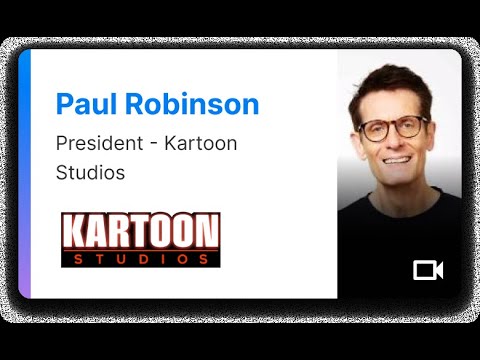
Paul Robinson, President at Kartoon Studios, discusses cross-border collaboration in animation and content distribution strategy.
Frequently Asked Questions About Toonstream
The Bottom Line on Toonstream in 2026
Toonstream isn’t worth it — not in 2026, when the legal alternatives have never been better or more accessible. The legal risk has been growing steadily as enforcement frameworks mature. The security risks are genuine and have nothing to do with your legal exposure — your device is at risk regardless of whether you ever get a copyright warning letter. And the content quality and reliability of piracy sites is objectively worse than legal platforms, many of which are free.
The animation industry has responded to piracy not just with enforcement but with access. Tubi’s free catalog. Crunchyroll’s free anime tier. Pluto TV’s free channels. These exist specifically because studios and platforms know that making legal access genuinely easy and genuinely free removes most of the motivation to use piracy sites. They’ve done the work. The trade-off has stopped making sense.
And if you love animated content — really love it — the strongest argument isn’t legal or security risk. It’s this: the shows you watch on piracy sites don’t count. The artists who made them don’t know you watched. The studios that funded them don’t see the audience. Your viewership only matters when it’s on a licensed platform. If you want more of the shows you love, watching them where they can be counted is the most direct thing you can do.
Key Takeaways
- Legal risk is real and growing: EU users face the highest exposure; US and UK users face ISP warning letters; enforcement is trending stricter globally.
- Security risk is immediate: Malvertising, cryptojacking, fake update prompts, and data harvesting are standard features of piracy site ad networks.
- Free legal options are genuinely good: Tubi, Pluto TV, Crunchyroll free, and YouTube official channels cover a huge range of animation at zero cost.
- Paid platforms deliver the best content: Netflix, Disney+, Max, and Crunchyroll Premium carry the shows actually worth watching, and most cost less than $10/month.
- Your views only count on licensed platforms: Piracy viewership is invisible to studios and affects renewal decisions — if you want more of a show, watch it where it’s licensed.
Find Any Animated Show on a Legal Platform
Use Vitrina to discover where animated titles are licensed in your region — trusted by content professionals at Netflix, Warner Bros, Paramount, and 140,000+ companies globally. Start with 200 free credits, no credit card required.
No credit card required · Cancel anytime