IHUB
IHUB
 Private Briefings (Webinars)


 LeaderSpeak Podcast
  Global Entertainment Digest (Newsletter)
  About Vitrina
 About VIQI
 Our Story
 Our Solutions 🔥
 Film+TV Projects Tracker 🚀
 Case Studies
 Our Profile
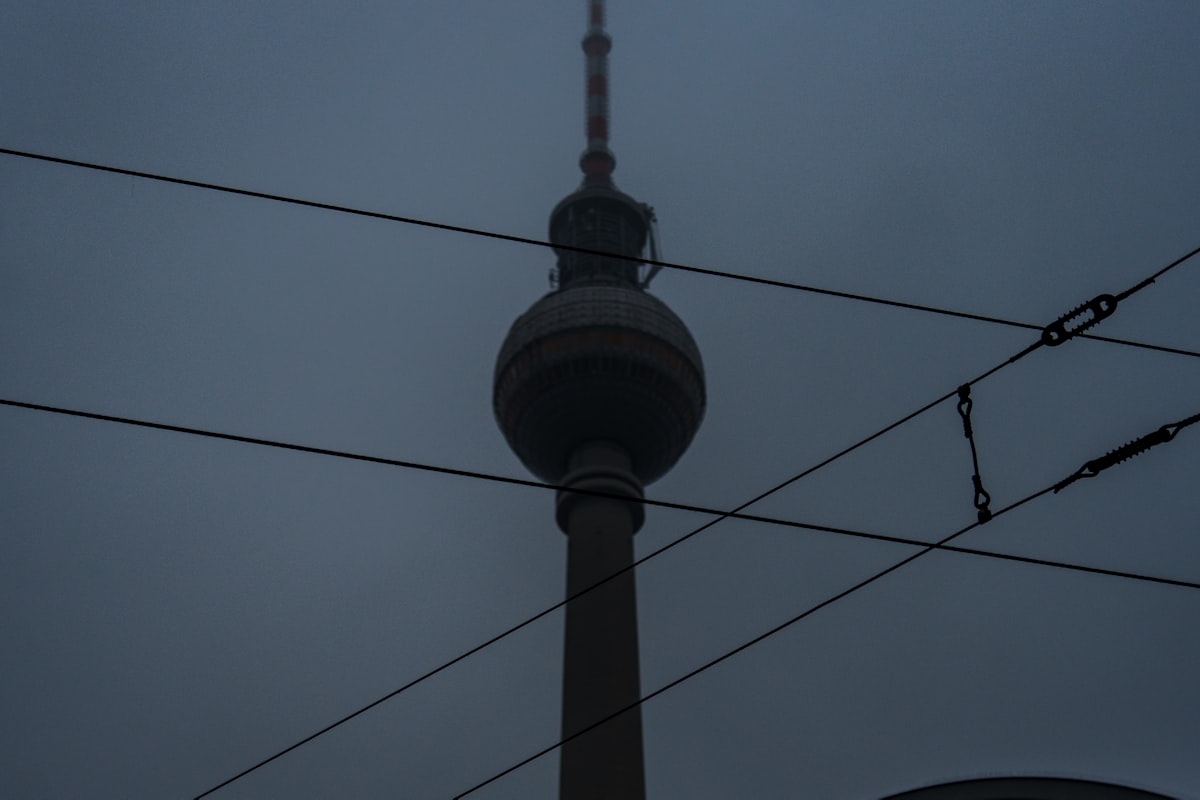
Production houses in Germany operate from Studio Babelsberg — the world’s oldest large-scale film studio, founded 1912 — backed by a federal incentive budget that doubled to €250 million annually in 2026, as the country moves to require streaming platforms to invest directly in German production for the first time.
This directory lists verified production houses active in Germany — sourced live from Vitrina’s global entertainment company database and verified for active production credits, facility capacity, and direct contact accuracy. Use the filters to narrow by hub and production focus, then connect directly with production decision-makers. For related markets, see our top production houses in France and top production houses in Europe directories.
- 1Germany’s federal DFFF and GMPF incentives were both raised to a uniform 30%, with combined annual funding doubling to €250 million effective 2026.
- 2A proposed law (MedienInvestVG, adopted by Cabinet May 2026) would require Netflix, Amazon, and Disney+ to invest at least 8% of German revenue into domestic production.
- 3Studio Babelsberg has hosted The Matrix Resurrections, John Wick: Chapter 4, and Netflix’s Dark since its 2022 acquisition by TPG Real Estate’s Cinespace platform.
- 4German TV content export value rose from roughly €100 million (2010) to over €500 million (2024), driven by hits like Babylon Berlin and Dark.
- 5Munich’s VFX sector saw real 2025 contraction (Trixter restructuring, Scanline VFX’s earlier exit), even as market-size forecasts project continued growth.
The top production houses in Germany include Studio Babelsberg (Potsdam — world’s oldest large-scale film studio, TPG/Cinespace-owned), Bavaria Film (Munich — €311.4M FY23/24 revenue, broadcaster-consortium owned), and Beta Film (Munich — $433M 2022 turnover, 15,000+ hour catalog). Berlin/Potsdam, Munich, and Cologne remain Germany’s primary production hubs. Vitrina indexes verified German production houses with direct contacts, facility details, and production credits.
Why Babelsberg Anchors Germany’s Production Identity
Germany’s production industry has long centered on Studio Babelsberg, founded in 1912 near Berlin and Potsdam and widely cited as the world’s oldest large-scale film studio still in operation. Since TPG Real Estate’s 2022 acquisition folded it into the global Cinespace studio platform, Babelsberg has continued hosting major international productions alongside a domestic industry built on Munich’s broadcaster-owned Bavaria Film and Cologne’s dense broadcast ecosystem. This distinct national identity complements our broader top production houses in Europe directory.
Key Stat
Germany’s combined DFFF and GMPF federal film-funding budget doubled from €133 million to €250 million annually, effective 2026, with €90 million earmarked specifically for high-end international series and TV films.
Studio Babelsberg has hosted The Matrix Resurrections, John Wick: Chapter 4, and Netflix’s Dark. Bavaria Film, owned by a consortium of public broadcasters (WDR, SWR, BR, MDR) and the Free State of Bavaria, generated €311.4 million in FY2023/24 revenue across 12 studios. Beta Film, wholly owned by Jan Mojto since 2004, posted $433 million turnover in 2022 with a catalog exceeding 15,000 hours, including Downfall, The Lives of Others, and Babylon Berlin. For comparison, see our top production houses in France directory.
Top Production Houses in Germany — Full Directory
The companies below are verified production houses active in Germany, sourced live from Vitrina’s global entertainment company database. Filter by hub and production focus. Click any company card to view the full profile, facility details, and direct contacts. Looking for comparison markets? See our top production houses in France directory.
WildBrain

The Walt Disney Company

Warner Bros. Discovery

CJ ENM

Vitrina Intelligence
Browse Verified Production Houses in Germany
Filter by hub, facility capacity, and production type. See verified company profiles with direct contact details.
Germany’s Production Hubs: Berlin/Potsdam, Munich & Cologne
German production capacity concentrates in three cities, each with a different ownership model and specialization.
Babelsberg remains Germany’s flagship international studio-services facility. Munich’s Bavaria Film represents Germany’s public-broadcaster-owned production model, distinct from Babelsberg’s private-equity ownership. Cologne functions as a commissioning and broadcast hub rather than a physical studio-lot destination. For regional benchmarking, see our top production houses in Europe directory.
How to Choose a Production House in Germany
Choosing the right production partner in Germany starts with understanding the difference between a production house (develops and produces its own content, retaining creative and/or financial ownership) and a production services company (executes another party’s production on location without a creative or financial stake). International producers evaluating Germany should weigh five factors: DFFF vs. GMPF eligibility depending on whether the project is producer-side or an inbound service production, facility ownership model given Babelsberg’s private-equity structure versus Bavaria Film’s broadcaster-consortium model, regional fund stacking with Medienboard Berlin-Brandenburg or FFF Bayern, VFX/post capacity given real 2025 contraction in the Munich VFX sector, and upcoming streaming-quota exposure if partnering with a platform subject to the pending MedienInvestVG law.
German Incentives: DFFF, GMPF & Regional Funds
Germany raised both its national incentive rates and total funding significantly for projects approved from February 2025 onward.
Key Stat
€250M
Germany’s combined DFFF and GMPF federal film-funding budget doubled from €133 million to €250 million annually, effective 2026 — a direct bid to win back international productions.
A restructuring of DFFF/GMPF into three new federal funding pillars has been proposed (draft guidelines published May 2026) for a targeted 2027 rollout — producers should treat this as forthcoming, not yet in force. For comparative benchmarking, see our top production houses in France directory.
2025-2026 Trends: The Streaming Investment Mandate
Germany is moving toward mandatory streaming investment for the first time. The Federal Cabinet adopted a draft Media Services Investment Obligation Act (MedienInvestVG) on May 27, 2026, which would require Netflix, Amazon, and Disney+ to invest at least 8% of German-market revenue into domestic film/TV production — relaxed to a voluntary 12% commitment if streamers choose that path. It still requires Bundesrat/Bundestag approval and is targeted for early 2027, so should be treated as pending, not enacted.
German TV drama exports have grown substantially, from roughly €100 million in 2010 to over €500 million by 2024, on the strength of Babylon Berlin, Dark, and Kleo — the latter publicly praised by Stephen King.
Germany’s VFX sector shows a genuine tension between growth forecasts and real contraction. Market-research projections show the German animation/VFX/post market growing from roughly $10.4 billion (2024) toward $22.5 billion (2030), yet Munich saw real studio-level contraction in late 2025, including Trixter’s major restructuring and layoffs following Scanline VFX’s earlier exit from the city — a reminder that market-size forecasts and on-the-ground studio headcount don’t always move together.
Vitrina’s Role in German Production House Discovery
Vitrina’s global entertainment database is the most comprehensive B2B intelligence resource for finding and vetting production houses in Germany and 100+ countries. The directory above surfaces verified German production houses filtered by hub and production type. Vitrina also covers top production houses in France, top production houses in Europe, and 100+ additional markets globally.
159,223
M&E Companies
100+
Countries
Daily
Database Updates
3
Major Hubs Covered
Conclusion
Germany’s production industry in 2026 combines a historic studio anchor at Babelsberg, a substantially expanded federal incentive budget, and a landmark proposed law that would finally require streaming platforms to invest directly in German production. Studio Babelsberg, Bavaria Film, and Beta Film each represent a distinct ownership model within a market balancing genuine export growth against real VFX-sector contraction.
Use the directory above to explore verified German production houses with direct contacts, and compare against our top production houses in France directory for benchmarking.
Related Reading
Frequently Asked Questions
Who owns Studio Babelsberg today?
TPG Real Estate Partners completed its acquisition of Studio Babelsberg AG on January 3, 2022, folding it into TPG’s global Cinespace studio platform, which spans North America and Germany.
What is the difference between DFFF and GMPF?
DFFF supports producer-side film, documentary, and animation projects, capped at €5 million. GMPF supports inbound, high-end international service productions (series/TV films), capped at €20 million per season. Both offer a uniform 30% rate for projects approved from February 2025.
Will Netflix and Disney+ be required to invest in German production?
A draft law (MedienInvestVG) adopted by the Federal Cabinet in May 2026 would require this, but it still needs Bundesrat/Bundestag approval and is targeted for early 2027 — treat it as pending, not enacted, for now.
Is Munich’s VFX industry growing or shrinking?
Both, in a sense. Market-size forecasts project continued long-term growth, but Munich saw real contraction in late 2025 with Trixter’s restructuring and layoffs, following Scanline VFX’s earlier exit from the city.
How do I find and vet a production house in Germany?
Vitrina’s directory lists verified German production houses with direct contacts, filterable by hub and production credits — useful for confirming a company’s current ownership structure and facility access before committing to a shoot.
Vitrina Intelligence
Germany Production Research · B2B M&E Data Platform
Compiled by Vitrina’s M&E intelligence team from FFA/DFFF official documentation, company financial disclosures, and industry trade reporting.