IHUB
IHUB
 Global Content Pulse (Webinars)


 Global Production Financing
(Webinars)
Global Production Financing
(Webinars)  LeaderSpeak Podcast
  Global Entertainment Digest (Newsletter)
  About Vitrina
 About VIQI
 Our Story
 Our Solutions 🔥
 Film+TV Projects Tracker 🚀
 Case Studies
 Our Profile
By Vitrina Research Team | Published: July 25, 2026 | 8 min read
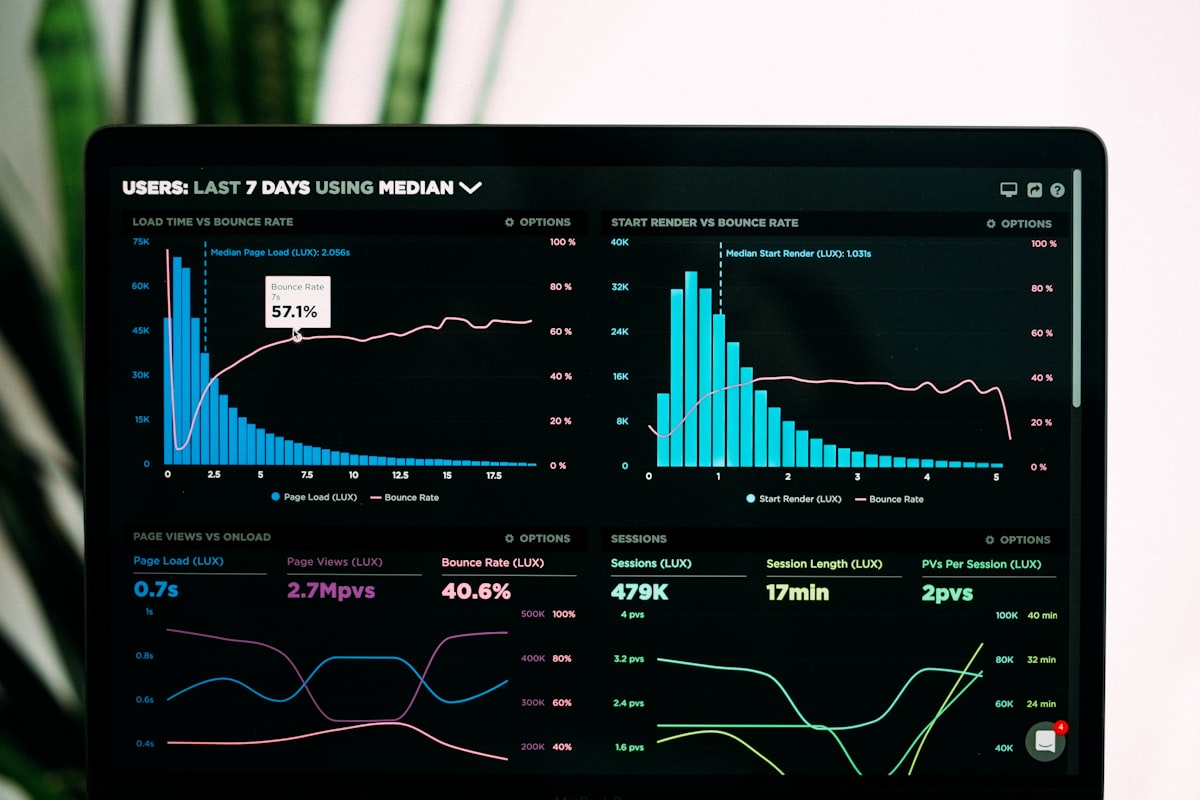
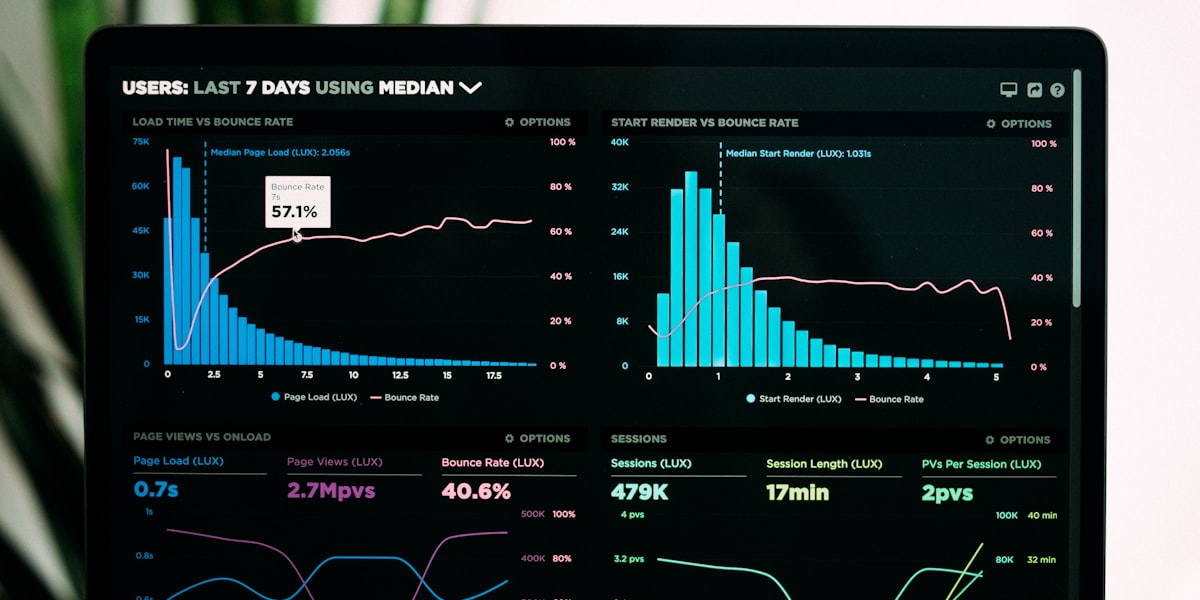
Entertainment executives are no longer making content bets on instinct alone. The global media analytics market is projected to reach $16.7 billion by 2028, growing at a compound annual rate of 17.4% from 2023 (Grand View Research, 2024). That growth rate tells you something direct: the industry has crossed a threshold where data infrastructure is no longer optional. It is now the operating backbone of every credible content strategy.
Streamers, studios, and broadcasters are deploying audience intelligence platforms, predictive greenlight models, and catalog performance dashboards at a pace that would have seemed excessive five years ago. The shift is not about having more data. It’s about making faster, higher-confidence decisions in a market where a single content miss can cost tens of millions of dollars and three years of audience trust. The executives who have adopted analytics-first workflows are pulling ahead, and the gap is widening.
This article maps how media analytics is reshaping entertainment strategy across the full content lifecycle, from greenlight to catalog retirement. If you work in content acquisition, programming, or studio strategy, this is the operating context you need for 2026 and beyond.
Key Takeaways
- The global media analytics market is on track to reach $16.7 billion by 2028, driven by streamer and studio investment in audience intelligence tools.
- Predictive content models now influence greenlight decisions at major streamers, reducing content risk by flagging audience fit before production begins.
- Catalog performance analytics is emerging as a distinct discipline, helping platforms decide when to renew, license out, or retire titles.
- Data-driven acquisition strategies are compressing deal timelines, because buyers enter negotiations with pre-built audience fit scores rather than intuition.
- Vitrina’s VIQI platform indexes 159,223 verified M&E companies, giving strategy teams the market intelligence layer analytics platforms alone cannot provide.
Quick Answer
Media analytics is transforming entertainment strategy by giving studios and streamers objective data for greenlight decisions, content acquisition, audience segmentation, and catalog management. With the market growing at 17.4% annually (Grand View Research, 2024), analytics-first operations are now the standard for any platform spending over $1 billion in content annually.
Why Does Media Analytics Matter More Now Than Ever?
The short answer is competitive pressure. Netflix alone spent $17 billion on content in 2024 (Netflix Annual Report, 2024), and at that capital scale, each misjudged commission represents material shareholder damage. Analytics is how executives compress the gap between spending and certainty. It doesn’t eliminate risk, but it raises the floor on decision quality.
There’s a structural reason analytics is accelerating now. Streaming platforms generate viewer behavior signals at a volume traditional broadcasters never could. Every play, pause, rewatch, and abandonment event feeds back into recommendation engines and performance dashboards in near real-time. That feedback loop did not exist when networks commissioned shows based on pilot testing with small focus groups. The raw material for analytics, that is, behavioral data at scale, only became available when streaming became the primary consumption mode.
Beyond streaming, the shift to multiplatform distribution has created a coordination problem. A studio might simultaneously manage theatrical windows, SVOD licensing, AVOD placement, linear broadcast rights, and international co-production deals. Analytics platforms give strategy teams a unified view across that complexity. Without structured data, cross-platform portfolio decisions devolve into interdepartmental guesswork. With it, executives can model scenarios before committing capital.
What’s often missed in coverage of this shift is the talent dimension. Studios that have built analytics capabilities are now competing for data scientists and quantitative researchers alongside their standard creative hiring. This is a genuine organizational transformation, not just a technology upgrade. The analytics function is moving from a support role to a seat at the programming table.
What Types of Data Are Driving Entertainment Decisions?
Entertainment analytics draws on at least six distinct data categories, each answering a different strategic question. According to PwC’s Global Entertainment and Media Outlook 2025-2029, 68% of major content platforms now operate dedicated audience intelligence functions, up from 41% in 2021 (PwC Global E&M Outlook, 2025). That growth reflects how broadly data has spread across the commissioning and acquisition workflow.
Key Stat
68% of major content platforms operated dedicated audience intelligence functions in 2025, compared to 41% in 2021, reflecting the rapid institutionalization of data-driven decision-making across entertainment strategy. Source: PwC Global Entertainment and Media Outlook, 2025.
Behavioral Viewing Data
This is the most direct signal a platform has. Completion rates, binge velocity, rewatch ratios, and drop-off points within individual episodes tell content teams what is holding audiences and what isn’t. Netflix, Disney+, and Max all use episode-level completion analysis when deciding on renewals. A show with high completion but low viewership is a different problem than a show with high viewership but high abandonment at episode three.
Search and Social Signal Data
Before a show even airs, search volume trends, social conversation tracking, and hashtag velocity provide a forward-looking demand signal. Acquisition teams at streamers now monitor these signals continuously on IP they are considering licensing or commissioning. A book series gaining organic search traction is effectively demonstrating built-in audience intent before a single frame is shot.
Demographic and Psychographic Segmentation
Age, geography, and device type are table stakes. The more sophisticated platforms are working with psychographic clusters, that is, groupings based on taste preferences, genre affinity, and cross-category consumption patterns. These clusters feed directly into content positioning decisions, helping marketers and programmers align a title’s positioning to the audience most likely to convert from browse to watch.
Industry and Market Structure Data
This category is underrepresented in most analytics conversations, but it’s critical for acquisition and co-production strategy. Knowing which production companies are active in a specific genre, which distributors have existing relationships in a target territory, and which studios have relevant catalogs requires a different kind of database than viewership tracking provides. This is where platforms like VIQI fill a gap that audience analytics tools don’t address. For deeper context on how content acquisition intelligence works in practice, the article on the future of global content acquisition covers the sourcing side of this equation in detail.
How Analytics Is Changing the Greenlight Process
The greenlight process at major streamers has been substantially restructured around data inputs over the past three years. A 2025 Variety Intelligence Platform survey found that 74% of streaming platform programming executives said data analysis now plays a “significant” or “dominant” role in initial content approval decisions, versus 38% in 2020 (Variety Intelligence Platform, 2025). The creative gut check has not disappeared, but it now operates within a data-defined framework.
Key Stat
74% of streaming platform programming executives reported that data analysis plays a “significant” or “dominant” role in greenlight decisions as of 2025, nearly double the 38% who said the same in 2020. Source: Variety Intelligence Platform Survey, 2025.
Pre-Greenlight Audience Fit Modeling
Before a project reaches a formal greenlight meeting, analytics teams at major platforms build audience fit models that score a proposed project against existing viewer segments. These models ask: does this concept, genre combination, and talent pairing match the taste profile of underserved segments on the platform? Concepts that score high against a segment with growing engagement but limited content supply get prioritized. This is why you see clusters of similar genre content appear on major platforms, not because of copying, but because the same analytical signals point multiple buyers toward the same supply gap.
Comparable Title Performance Analysis
Every new pitch is now benchmarked against a comparable title set, internally and externally. Streamers track how similar titles performed on completion rates, subscription lift, and social engagement within the first 28 days of release. That performance history feeds directly into budget authorization and marketing spend decisions for incoming projects. A project with strong comparables gets a faster and higher greenlight; a project in a genre with a poor performance track record faces a much higher justification threshold.
Predictive Churn and Retention Modeling
Some platforms have moved beyond measuring what content their subscribers watch to modeling what content keeps subscribers from canceling. Retention value modeling attaches a predicted churn reduction score to upcoming titles, and that score influences how aggressively the platform markets a show and where it sits in the recommendation stack. A prestige drama with strong projected retention value may receive disproportionate marketing resources even if its raw viewership forecast is modest.
Access the M&E Intelligence Your Strategy Team Is Missing
Vitrina’s VIQI platform gives content acquisition and strategy teams verified data on 159,223 production companies, distributors, and rights holders worldwide. Stop making acquisition decisions without the full market picture.
Data-Driven Content Acquisition: How Companies Apply It in Practice
Content acquisition has historically relied on relationships, festival coverage, and agent submissions. That model still operates, but it now runs alongside systematic analytics-driven sourcing pipelines that operate continuously rather than seasonally. The practical effect is that acquisition executives enter negotiations better armed than ever, with audience fit scores, comparable performance benchmarks, and territory-level demand data already in hand before the first conversation with a rights holder.
Key Stat
Global content acquisition spending across major SVOD platforms reached $45.3 billion in 2025, with analytics-informed buying now accounting for an estimated 60% of titles greenlit for acquisition at platforms with dedicated data teams. Source: Ampere Analysis, 2025.
Territory-Level Demand Mapping
Regional streamers and global platforms alike are using demand data to prioritize acquisition territories. Tools like Parrot Analytics provide demand expressions data, showing which titles are over-performing or under-supplied relative to audience interest in specific markets. An acquisition team using this data can identify titles that have strong organic demand in a new territory where the platform wants to grow, and then approach rights holders from a position of genuine strategic need rather than speculative interest.
Rights Gap Analysis
A structured rights gap analysis compares what a platform’s audience is searching for against what the platform actually has available. This sounds straightforward, but in practice it requires integrating catalog data, search behavior data, and competitive catalog data across multiple territories and language tracks. Acquisition teams that run systematic rights gap analyses can identify defensible catalog positions before competitors do, and they can negotiate more precisely because they know exactly how much a specific title is worth to their specific audience profile.
Competitive Intelligence in Acquisition
Knowing what a competitor platform has commissioned or recently acquired is essential intelligence for any serious acquisition team. This is where M&E company databases and deal tracking tools add value that pure audience analytics platforms don’t provide. For a practical overview of how streamers are currently approaching this, the article on how streamers approach content licensing decisions is a useful companion read.
Catalog Performance Analytics: The Underrated Discipline
While most attention goes to commissioning and acquisition, catalog analytics is quietly becoming a major value driver for platforms and studios. Nielsen’s 2025 State of Streaming report found that catalog titles (content older than 12 months) account for 58% of total streaming hours on major SVOD platforms, yet most analytics infrastructure is disproportionately focused on new releases (Nielsen State of Streaming, 2025). Catalog is not a passive asset. It actively drives retention, and platforms that manage it analytically outperform those that let it age without attention.
Renewal vs. Retirement Modeling
Catalog analytics feeds directly into licensing strategy. A title that is declining in completion rates but still performing well in a specific demographic segment might have better value as a licensed-out asset to a regional platform than as a retained catalog title. Platforms with mature analytics functions run regular catalog audits that produce license-out recommendations alongside their acquisition pipeline, treating the outbound licensing desk as a revenue and cost optimization tool rather than a secondary function.
Content Resurfacing Strategies
Recommendation algorithm tuning to resurface older titles is one of the highest-ROI interventions available to a platform’s analytics team. A title that performed modestly at launch but has a strong completion rate among a growing audience segment can be algorithmically promoted to that segment at near-zero incremental cost. Several platforms have documented cases where systematic resurfacing of catalog titles reduced the need for new acquisitions in a specific genre category by covering the demand gap that would otherwise require a new commission.
Which Tools and Platforms Are Entertainment Companies Using?
The analytics tool landscape for entertainment is now stratified by function, with different platforms serving the audience intelligence, competitive intelligence, rights management, and market structure layers of the strategy stack. No single tool covers everything, which means most mature analytics functions operate four to six integrated platforms simultaneously.
Audience Demand Intelligence
Parrot Analytics is the most widely cited independent demand intelligence platform, covering demand expressions data across 100+ markets. It’s used by acquisition teams to validate territorial demand before licensing negotiations. Luminate, formerly Nielsen Music/MRC Data, covers the measurement side for both film and television, providing viewership benchmarks that teams use for comparable analysis in greenlight models.
Content Strategy and Competitive Analytics
Ampere Analysis provides catalog comparison, commissioning trend data, and competitive positioning analysis used by both studios and streamers for market positioning decisions. Antenna tracks subscription and churn data across major streaming services, which feeds directly into the retention value modeling that platforms use to prioritize marketing allocation across their content slate. Producers can learn more about how this competitive intelligence layer works in practice by reading the streaming wars analysis for 2026, which covers how major platforms are differentiating their content strategies using data.
Market Structure and Company Intelligence
Audience analytics tools don’t answer the question of who to partner with, which production companies are active in a genre, or which distributors hold rights in a target territory. This is a separate data category that requires a company intelligence database. Vitrina’s VIQI platform is built specifically for this layer of the analytics stack, providing structured data on 159,223 verified M&E companies across production, distribution, licensing, and broadcast. Strategy teams use it to map the competitive landscape of potential partners and identify acquisition targets that aren’t yet in active deal flow. For a broader view of how entertainment production data supports strategic decisions, the article on how entertainment production data improves decision-making provides additional context.
List Your Company on Vitrina’s M&E Intelligence Platform
Make your production company, studio, or distribution business visible to acquisition teams, co-production partners, and strategy executives actively using analytics-driven sourcing pipelines. Get discovered by the buyers who are looking for you.
How Vitrina’s VIQI Platform Supports Analytics-Led Strategy
Most analytics platforms in entertainment are built around audience behavior data: what people watch, when they watch it, and how long they stay. Vitrina’s VIQI platform is built around a different and complementary data problem: who are the companies in the global M&E ecosystem, what do they produce, and how do they connect to each other? The VIQI database currently indexes 159,223 verified M&E companies across production, distribution, licensing, broadcast, animation, VFX, and post-production sectors worldwide. That coverage gives strategy teams the market structure intelligence that audience analytics alone cannot deliver.
For content acquisition leads and studio strategy teams, the practical use cases are direct. When you’re evaluating a co-production opportunity in a new territory, VIQI lets you verify the production company’s credit history, understand its existing distribution relationships, and cross-reference it against deal activity in that territory before entering negotiation. When you’re building a content slate with specific genre or format requirements, VIQI can surface production companies active in that niche across markets you may not have existing relationships in. This is the intelligence layer that makes analytics-driven acquisition systematic rather than opportunistic.
The VIQI platform also serves producers and studios on the supply side. If your production company wants to be discoverable to acquisition teams running structured sourcing pipelines, a VIQI profile positions you within the market intelligence workflow that those buyers are already using. As analytics-driven acquisition becomes the operational standard, being absent from the databases that feed those pipelines is a real commercial disadvantage. The article on why content acquisition is critical to streaming success explores how platforms are structuring their sourcing operations and what that means for the production companies that want to be found by them.
Conclusion
Media analytics has moved from a competitive advantage to an operational baseline in entertainment strategy. The platforms and studios that built analytics capabilities early are now running at a structural speed advantage in greenlight decisions, acquisition negotiations, and catalog management. The gap between analytics-first organizations and those still relying primarily on intuition and relationships is measurable, and it is growing.
The practical implication for strategy teams is not to use data instead of creative judgment, but to use data to define the parameters within which creative judgment operates. Audience fit models, comparable performance benchmarks, territory demand maps, and catalog performance audits all function as constraints and guides that improve the quality of creative decisions without replacing them. The executives who understand this relationship are getting more out of both their analytical tools and their creative teams.
Looking ahead, the next frontier in entertainment analytics is cross-platform correlation: linking first-party platform behavior data with social signals, search trends, and M&E company intelligence into unified strategy dashboards. Organizations that can integrate these data layers will be positioned to make content decisions with a level of market visibility that is simply not available to those operating on siloed data sources. For companies at any stage of that journey, the right starting point is understanding where the gaps in your current data stack sit.
See How VIQI Fits Your Strategy Stack
Book a walkthrough with the Vitrina team to see how 159,223 verified M&E companies in the VIQI database can close the market intelligence gap in your content acquisition and strategy workflow.
Frequently Asked Questions
What is media analytics in the context of entertainment strategy?
Media analytics in entertainment refers to the structured use of data, including viewership behavior, audience segmentation, demand signals, and market structure information, to inform content commissioning, acquisition, licensing, and catalog management decisions. It covers both the measurement of existing content performance and predictive modeling for future content investments. With the market growing at 17.4% annually (Grand View Research, 2024), it is now a core operational function at major platforms and studios.
How do streaming platforms use data in their greenlight decisions?
Streaming platforms use audience fit models, comparable title performance benchmarks, retention value projections, and territory demand data to evaluate content proposals before greenlighting them. According to Variety Intelligence Platform (2025), 74% of programming executives at major streamers say data plays a significant or dominant role in their approval process. Analytics doesn’t replace creative judgment but defines the framework within which it operates. Projects are scored against audience segments, supply gaps, and churn reduction potential before budget approval is finalized.
What tools do entertainment companies use for media analytics?
The analytics stack at major entertainment companies typically includes Parrot Analytics for territorial demand intelligence, Luminate for viewership measurement and benchmarking, Ampere Analysis for catalog comparison and competitive positioning, and Antenna for subscription and churn tracking. These audience-focused tools are complemented by company intelligence platforms like Vitrina’s VIQI, which provides structured data on 159,223 verified M&E companies for acquisition sourcing, partner vetting, and market mapping.
How does catalog performance analytics work for streaming platforms?
Catalog performance analytics tracks completion rates, rewatch behavior, demographic engagement, and licensing income potential for titles older than 12 months. Since catalog accounts for 58% of total streaming hours on major SVOD platforms (Nielsen, 2025), managing it actively rather than passively is a significant value driver. Analytics teams run regular catalog audits that produce recommendations on resurfacing, licensing out, or retiring titles. Well-managed catalog can reduce new acquisition spend by covering existing audience demand gaps from within the existing library.
What does a data-driven content acquisition process look like in practice?
A data-driven acquisition process begins with continuous monitoring of audience demand signals, rights gaps, and competitive catalog positioning rather than waiting for festival submissions or agent pitches. Acquisition teams build audience fit scores and territorial demand maps before approaching rights holders, which compresses negotiation timelines and improves offer precision. Company intelligence platforms like VIQI are used to identify and vet potential acquisition targets, co-production partners, and distributors across the 159,223 M&E companies in the global market before deal conversations begin. For more on how streamers operationalize this, see the guide to how streamers approach content licensing decisions.
Related Reading
- Production Outlook 2026: What Producers Need to Prepare For
- Film and TV Production Review: Key Takeaways for Industry Leaders
- How Entertainment Production Data Improves Decision-Making
- OTT Market Strategy Trends for Executives in 2026
- How Streamers Approach Content Licensing Decisions
- Why Content Acquisition Is Critical to Streaming Success
About the Author
Vitrina Research Team
The Vitrina Research Team produces intelligence-led analysis on media and entertainment industry structure, deal activity, and market trends. Our research draws on VIQI’s proprietary dataset of 400,000+ M&E companies worldwide.