IHUB
IHUB
 Private Briefings (Webinars)


 LeaderSpeak Podcast
  Global Entertainment Digest (Newsletter)
  Premium Lists
 Membership Benefits
 About Vitrina
 Our Story
By Vitrina Research Team | Published: July 22, 2026 | Updated: July 22, 2026 | 9 min read
How Mobile-First Storytelling Is Transforming Content Creation
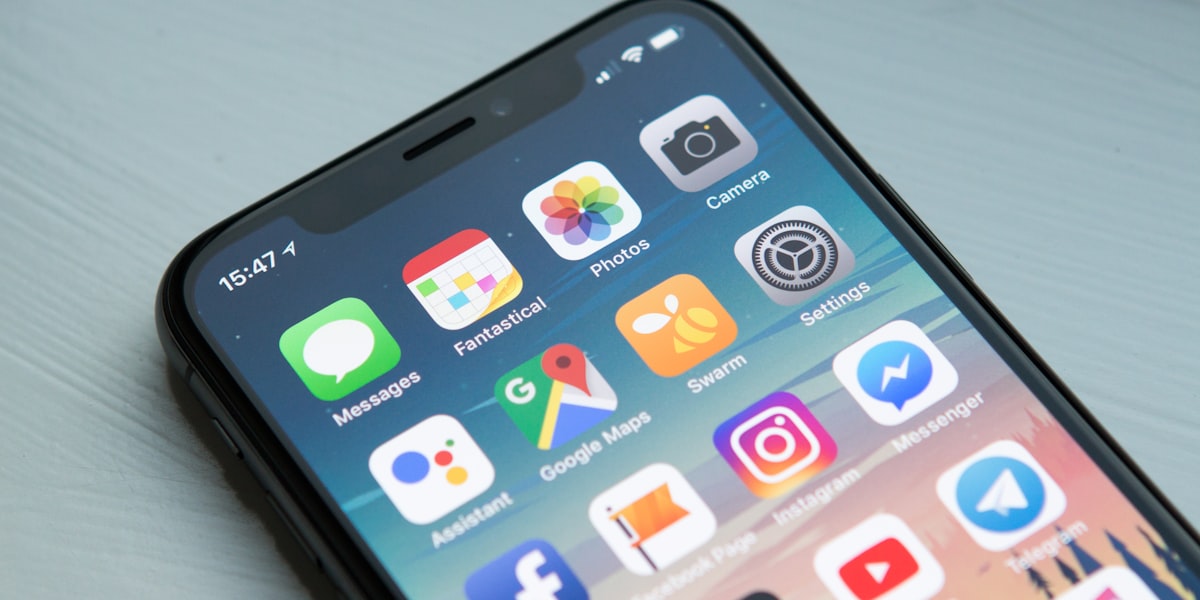
More than 5.6 billion people now access the internet primarily via mobile devices. In markets like India, Indonesia, and Nigeria, the smartphone is the only screen that matters for the majority of the population. According to DataReportal’s Global Digital Overview 2026, mobile accounts for over 70% of all video viewing hours in these markets. That single statistic has rewritten production briefs, distribution strategies, and B2B deal structures across the global media industry.
The commercial stakes are real. Short-form and vertical video formats generated an estimated $6.2 billion in global platform advertising revenue in 2025, up 38% from the prior year, according to Statista’s Digital Media Outlook 2025. TikTok, YouTube Shorts, Instagram Reels, and Snapchat Spotlight are now serious content economies, not just social feeds. Producers and distributors who understand their format requirements, audience psychology, and B2B deal structures are already winning platform commissions and licensing agreements that didn’t exist three years ago. This piece is a companion to our analysis of the rise of short-form video series and the micro-drama trend reshaping global entertainment.
For B2B content professionals – producers, studios, and distributors – the critical questions are practical. Which formats attract platform buyers? What do mobile-first productions actually cost? Where does the deal flow happen, and who are the right partners to reach? Those are the questions this analysis addresses directly.
Quick Answer
Mobile-first storytelling content creation means designing narrative structure, aspect ratio (9:16 vertical), episode length (60-180 seconds), and hook timing specifically for smartphone consumption – not adapting existing content after the fact. It’s the dominant production methodology in markets representing over 4 billion mobile-first viewers (DataReportal, 2026). For B2B content companies, this shifts production economics and distribution deal structures away from traditional broadcast models toward platform-native formats with distinct buyer requirements on TikTok, YouTube Shorts, Instagram, and Snapchat.
Key Takeaways
- Mobile accounts for over 70% of all video viewing hours in India, Indonesia, and Sub-Saharan Africa, making mobile-first formats essential to reach these audiences (DataReportal, 2026).
- Short-form and vertical video formats generated $6.2 billion in global platform advertising revenue in 2025, growing 38% year-on-year, outpacing both traditional TV advertising and long-form streaming growth (Statista, 2025).
- Platform format requirements vary sharply: TikTok rewards 1-3 second hooks and loop-friendly structure; YouTube Shorts favours completion rates and keyword-driven discovery; Instagram Reels optimises for audio-on completion behaviour.
- Mobile-first series episodes average $15,000 to $80,000 per episode to produce at professional quality, compared to $5 million to $25 million per hour for premium SVOD drama – fundamentally changing the break-even economics for content companies.
- VIQI by Vitrina maps 300,000+ M&E companies across 190+ territories, enabling producers and distributors to identify mobile-first platform buyers, format-specialist studios, and distribution partners aligned to the new mobile content economy.
Table of Contents
- What Mobile-First Storytelling Actually Means for Creators
- Why Has Mobile Viewing Overtaken TV in Key Global Markets?
- Platform-Specific Format Requirements: TikTok, YouTube Shorts, Instagram, Snapchat
- What Are the Economics of Mobile-First Content Production?
- How Are Traditional Studios Adapting Their Production Pipelines?
- Regional Differences: India, Southeast Asia, and Sub-Saharan Africa
- What Does Mobile-First Mean for B2B Content Deals and Distribution?
- How VIQI Helps Content Companies Find Mobile-First Partners
- Conclusion
- Frequently Asked Questions
What Mobile-First Storytelling Actually Means for Creators
Mobile-first storytelling is not simply filming for a smaller screen. According to YouTube’s official platform data, viewers watching short-form video on mobile make their “stay or scroll” decision within the first two seconds. That single constraint reshapes every creative decision that follows, from dialogue structure to colour grading to sound design. The format is structurally different from television, not just dimensionally different.
Three pillars define genuine mobile-first storytelling content creation: vertical framing (9:16 aspect ratio), compressed episodic structure (60-180 seconds per episode for most platforms), and interactive or participatory elements that convert passive viewers into active sharers. Each pillar has direct implications for how a production is shot, edited, and monetised. Strip any one of them from your format and you’re producing mobile-adapted content, not mobile-first content. The distinction matters because platforms can tell the difference.
Vertical Video as the Native Language
Vertical video was once considered an amateur error. It’s now the dominant format for platform-distributed content in multiple major markets. Instagram reports that Reels shot natively in vertical format receive 30-40% higher completion rates than repurposed horizontal content. That completion signal directly affects algorithmic distribution – vertical framing isn’t a stylistic choice so much as a distribution strategy that carries measurable commercial consequences.
Episodic Structure Built for the Scroll
Traditional episodic structure places its narrative hook in the first act, roughly five to ten minutes in. Mobile-first episodic structure inverts this entirely. The hook must arrive before the viewer has time to reach the scroll reflex, typically within three seconds. This creates what mobile producers describe as “nano-narrative” structure: premise established, tension introduced, and resolution implied, all within the first ten seconds of each episode. Full narrative payoff arrives by the 60-second mark. Every subsequent episode resets that same three-second window.
Interactivity as a Distribution Multiplier
Interactivity in mobile-first content extends beyond polls and comments. It includes design choices that invite sharing: cliffhangers timed to platform notification cycles, episodes structured around recurring character decisions that generate comment debate, and challenge formats that encourage audience participation. These mechanics turn each episode into an organic distribution engine, reducing reliance on paid promotion and extending reach without additional production spend.
Why Has Mobile Viewing Overtaken TV in Key Global Markets?
Mobile surpassed television as the primary video consumption device in India, Indonesia, and the Philippines in 2023 and has maintained that lead since. In Sub-Saharan Africa, mobile never competed with TV because TV penetration remained low while smartphone adoption accelerated rapidly. DataReportal’s 2026 report shows mobile devices now account for over 70% of all video viewing hours in these markets, with the gap widening each quarter as data costs continue to fall.
Citation Capsule
Mobile devices account for more than 70% of all video viewing hours in India, Indonesia, and Sub-Saharan Africa as of 2026. The majority of users in these markets access video exclusively via smartphone rather than television or desktop. In these territories, mobile is not a secondary screen – it is the primary entertainment infrastructure serving populations of billions. (DataReportal, Global Digital Overview 2026)
The reasons are structural, not cultural. Affordable 4G smartphones dropped below $50 USD in India and across Southeast Asia between 2020 and 2022, putting a capable video device in the hands of populations that had never owned a laptop or connected television. Data costs collapsed in parallel. India’s average mobile data cost is now among the lowest globally at approximately $0.17 per GB, according to Cable.co.uk’s Worldwide Mobile Data Pricing Report 2025. When video is cheap to access and the phone is the only screen, mobile-first storytelling isn’t a product choice – it’s the product.
Even in mature markets with high TV penetration, the mobile overtake is real among younger demographics. According to the Reuters Institute Digital News Report 2025, mobile video has been the dominant format for audiences under 35 in the US and UK since at least 2022. Content companies targeting younger global demographics face a decisive audience reality. Build for mobile or build for an audience that’s already moved on.
What Are the Platform-Specific Format Requirements for Mobile-First Content?
Each major short-form platform has distinct algorithmic priorities, audience expectations, and format tolerances. Treating them as interchangeable distribution channels is one of the most common and costly mistakes mobile-first producers make. Content optimised for TikTok’s discovery engine performs differently under YouTube Shorts’ recommendation logic. Neither format maps neatly onto Instagram Reels’ completion-rate model. Platform specificity isn’t a marketing preference – it’s a commercial requirement.
TikTok: Hook Within Three Seconds, Loop-Friendly Structure
TikTok’s algorithm weights watch-through rate and shares above all other signals. The platform’s internal creator guidance, documented in Variety‘s platform reporting, identifies the first one to three seconds as the decisive distribution window. Producers targeting TikTok structure their episode openings around visual disruption or an unanswered question that creates compulsive completion behaviour. Videos that loop naturally – where the final frame leads visually back to the opening – receive algorithmic uplift because they register additional views without requiring the user to re-engage manually.
YouTube Shorts: Search-Discoverable, Completion-Optimised
YouTube Shorts benefits from YouTube’s broader search infrastructure. Keyword-driven titles and descriptions drive meaningful discovery beyond the algorithm. YouTube’s official platform data reports that Shorts has surpassed 70 billion daily views globally as of 2025. The format rewards high completion rates and strong like-to-view ratios. Productions targeting YouTube Shorts typically include verbal or visual calls-to-action at the 45-second mark that drive saves – the highest-value engagement signal in Shorts’ current ranking model. For producers evaluating how to position across multiple vertical formats, our analysis of the vertical video series opportunity for producers covers the full platform-by-platform breakdown.
Instagram Reels: Audio-On Completion, Aesthetic Cohesion
Instagram Reels skews toward an audience that engages with higher-production-value content than TikTok’s authenticity-led aesthetic. The platform’s algorithm responds strongly to audio-on completion rates and share-to-Stories behaviour, which functions as the platform’s primary organic distribution mechanism. Reels content using trending audio tracks consistently outperforms original sound on initial discovery, though original sound builds brand consistency once an account has established a following.
Snapchat Spotlight: Authenticity Premium, Vertical-Only
Snapchat Spotlight rewards raw, authentic content over high production polish and pays creators directly via its revenue sharing pool. Snapchat’s audience skews younger than any other platform in this set, with heavy concentration in the 13-24 demographic in North American and European markets. Separately, Snapchat’s publisher channel programme funds scripted mobile-first series at $50,000 to $200,000 per episode – making it the most underreported premium commissioning platform for mobile-first producers.
What Are the Economics of Mobile-First Content Production?
Mobile-first production economics look very different from traditional episodic television. A standard Netflix drama episode runs between $5 million and $25 million per hour of content. A mobile-first drama episode of 90-180 seconds typically costs $15,000 to $80,000 to produce at professional quality, according to analysis published by Variety. That cost differential is the economic engine behind mobile-first storytelling’s rapid global spread across independent producers and regional studios.
Citation Capsule
Short-form and vertical video formats generated approximately $6.2 billion in global platform advertising revenue in 2025, a 38% increase from the prior year, according to Statista’s Digital Media Outlook. This growth outpaced both traditional television advertising (flat to -2%) and long-form streaming advertising (+12%), indicating where advertising budgets are shifting within the video content ecosystem. (Statista Digital Media Outlook, 2025)
Revenue models for mobile-first content fall into four categories: platform ad revenue sharing (TikTok LIVE, YouTube Shorts monetisation, Snapchat Spotlight pool), branded content deals where a sponsor co-funds a series in exchange for integration, licensing fees from platforms or broadcasters acquiring mobile-native IP, and direct subscription models via Patreon or creator-specific apps. Sustainable businesses in this space combine multiple revenue streams across multiple platforms rather than relying on a single channel. The broader competitive dynamics reshaping who wins these revenue pools are covered in our streaming wars 2026 analysis.
Intelligence from Vitrina’s company database shows that production companies positioning themselves explicitly as mobile-first or short-form specialists secure branded content commissions at rates 25-40% above single-episode creator deals. Brands value the predictability and audience loyalty of a series over individual sponsored posts. The shift toward series-level branded content has created a professional production tier specifically for mobile formats that didn’t exist before 2022.
The break-even dynamics also differ fundamentally from traditional production. A short-form series of 20 episodes at $30,000 per episode requires $600,000 in total production investment. A comparable traditional series of 10 hourlong episodes at $3 million per episode requires $30 million. The mobile series reaches break-even with a fraction of the viewership the traditional series needs. This makes mobile-first production commercially viable at audience scale that would qualify as a failure for a traditional TV commission.
Find Mobile-First Content Partners with VIQI
Identify studios, distributors, and platform buyers specialising in mobile-first formats across 190+ territories in VIQI’s 300,000+ company database.
How Are Traditional Studios Adapting Their Production Pipelines?
Traditional studios were slow to recognise mobile-first storytelling as a serious production category. Most initially treated it as a marketing function, assigning social media teams to produce vertical content as promotional material rather than primary content. That model failed comprehensively. The studios now generating meaningful mobile revenue have built dedicated short-form production units with distinct creative leadership, kept separate from their linear and streaming operations with good reason. Understanding how streamers are changing global entertainment puts this studio restructuring in broader competitive context.
Dedicated Vertical Video Units
Warner Bros. Discovery, Paramount, and Sony Pictures Entertainment all launched dedicated short-form content divisions between 2023 and 2025, according to Variety’s studio strategy reporting. These units operate with separate greenlighting authority, separate production budgets, and distinct distribution relationships from the parent studio’s traditional output. The separation is deliberate: mobile-first content requires decisions in days, not the months traditional development timelines assume.
Restructured Budget Models and Hiring Priorities
The budget restructuring required for mobile-first production isn’t simply a reduction – it’s a reallocation. Talent costs shift from on-screen star fees toward writing and algorithm expertise. Post-production shifts from colour suites optimised for large screens toward audio engineering and mobile compression optimisation. Distribution costs shift from traditional broadcast deals toward platform relationship management and creator partnerships that extend reach organically.
Conversations with production executives across multiple territories reveal a consistent pattern: studios that hired traditional showrunners to lead mobile-first units consistently underperformed against those that promoted or recruited from the creator economy. Mobile-native directors understand the scroll dynamic, the platform algorithm, and the audience psychology in ways that traditional television training doesn’t develop. The most effective studio adaptations combine traditional production infrastructure with mobile-native creative leadership – not one or the other.
How Is Mobile-First Leadership Different Across India, SE Asia, and Sub-Saharan Africa?
Mobile-first storytelling didn’t develop uniformly across regions. Three clusters lead the global transition in distinct ways, and understanding the differences matters for any producer or distributor seeking to operate across these territories. India leads in volume and commercial scale. Southeast Asia leads in format experimentation. Sub-Saharan Africa leads in mobile-as-only-infrastructure adoption. Each region presents a different market structure and a different set of B2B entry points.
Citation Capsule
India’s short-video market reached 600 million monthly active users by Q1 2026, driven by platforms including Moj, Josh, and MX TakaTak alongside global platforms. Average daily short-video consumption in India reached 53 minutes per user per day, exceeding time spent on traditional television among users under 40. This scale makes India the world’s largest single-territory mobile-first content market by active user count. (Statista India Digital Media Report, 2026)
India: Scale and Commercial Sophistication
India’s mobile content market is characterised by enormous scale and rapidly maturing commercial structures. Domestic platforms including Moj and Josh have built multi-million creator bases. International platforms have established India-specific content funds. Branded content deals for short-form series regularly exceed $500,000 for multi-episode packages with major consumer brands. India’s mobile-first storytelling market moved from experimental to professionally structured within a three-year window, and it’s now a serious commissioning destination for any mobile-first studio.
Southeast Asia: Format Experimentation and Cross-Border IP
Southeast Asia, particularly Thailand, Vietnam, and the Philippines, has become the laboratory for mobile-first format innovation. The micro-drama format – serialised fiction in 60-90 second episodes, typically with 50-100 episodes per series – originated in China and was rapidly adapted across Southeast Asia. These formats are now generating significant licensing revenue as regional producers sell adapted format rights across ASEAN territories and into markets as far as the Middle East and Latin America, following the same international format rights model that traditional television built over decades.
Sub-Saharan Africa: Mobile as the Only Infrastructure
Sub-Saharan Africa’s mobile-first content development reflects a different structural reality. Television infrastructure is limited, fixed broadband penetration remains low, and the smartphone is genuinely the primary entertainment device for the majority of the population in markets like Nigeria, Kenya, and Ghana. Content produced for Afrobeats-adjacent lifestyle, comedy, and drama formats on mobile has built substantial regional audiences, and international distributors are beginning to license African mobile-first IP for diaspora audiences in Europe and North America.
What Does Mobile-First Mean for B2B Content Deals and Distribution?
The B2B implications of mobile-first storytelling content creation are less discussed than the creative dimensions, but they’re where the commercial opportunity sits for producers, distributors, and platform buyers. Mobile-first content has created new deal structures, new buyer categories, and new licensing markets that simply didn’t exist five years ago. According to Variety, platform spending on mobile-first content commissioning grew by an estimated 28% globally in 2024, with growth concentrated in Asia-Pacific and Sub-Saharan Africa.
Platform Licensing: A New Buyer Category
Major streaming platforms are increasingly acquiring mobile-first IP for exclusive distribution rather than relying on platform-organic content. Netflix, Amazon, and regional players including Hotstar and Viu have all structured deals that acquire short-form series for exclusive or windowed distribution on their platforms. These deals differ from traditional licensing in two important ways: they often include performance-linked residuals rather than flat fees, and acquisition criteria prioritise algorithmic performance data over traditional script development metrics. For a deeper look at how these acquisitions fit into broader platform strategy, see our coverage of global content acquisition trends.
Format Rights and Cross-Territory Licensing
The micro-drama format has generated a significant international format rights market. A Korean mobile drama series that reaches 10 million episode completions in its home market becomes a licensable format for production in Thailand, Brazil, or Nigeria. Format fees for proven mobile-first IP are now structured similarly to traditional format rights deals, with per-territory licensing fees, option periods, and royalty mechanisms that mirror the scripted format market established by companies like Fremantle and All3Media for traditional television. Producers navigating whether to license or retain ownership of mobile IP will find relevant frameworks in our breakdown of content licensing strategy versus ownership models.
Co-Production as a Distribution Strategy
Co-production for mobile-first content increasingly serves a distribution strategy rather than purely a financing function. A mobile series co-produced between an Indian studio and a Southeast Asian platform reaches both markets simultaneously, with each partner contributing territory-specific cultural authenticity and platform access. These co-productions are smaller in budget but faster to market than traditional international co-productions, and they’re structured around revenue sharing models that align incentives across the production and distribution chain.
How VIQI Helps Content Companies Find Mobile-First Partners
The mobile-first content ecosystem spans hundreds of platforms, thousands of production companies, and multiple deal structures across more than 190 territories. Finding the right co-production partner, platform buyer, or distribution agent for mobile-first content requires intelligence that trade conferences and general industry directories can’t provide at the resolution today’s market demands. VIQI by Vitrina is purpose-built for this kind of structured discovery across the global M&E supply chain.
VIQI indexes 300,000+ M&E companies across 190+ territories, with filtering capabilities that allow producers and distributors to identify mobile-first specialists, short-form production houses, platform buyers active in specific format categories, and regional distribution companies with established relationships in mobile-first markets. A producer seeking a co-production partner for a micro-drama series targeting Southeast Asia can filter by territory, format specialisation, production capacity, and prior platform relationships – identifying relevant companies in minutes rather than months of manual research.
For platform buyers and distributors sourcing mobile-first IP, VIQI’s company intelligence surfaces producers with demonstrated track records in vertical video, short-form series, and episodic mobile formats, along with the territory relationships that make cross-border licensing deals executable. As the mobile-first content economy matures from creator-led to professionally structured, business development intelligence to identify the right partners is the decisive competitive advantage. VIQI makes that intelligence systematic and repeatable.
Conclusion: Mobile-First Is the Default, Not the Exception
The transformation mobile-first storytelling content creation is driving through the content industry is structural, not cyclical. When 5.6 billion people access the internet primarily on their phones, and when data costs in major markets like India sit at $0.17 per GB, the trajectory is clear. The question for content companies isn’t whether to engage with mobile-first formats. It’s how quickly they can build the creative and commercial capabilities to compete in them at professional scale.
For producers, the adaptation requires more than format adjustment. It requires rethinking narrative architecture, production economics, talent sourcing, and distribution strategy simultaneously. For distributors, it means building relationships with a new category of platform buyers, understanding format rights licensing in a market that didn’t exist five years ago, and developing the territory intelligence to match mobile-first IP to the regional markets where it will perform. For platform buyers, it means new acquisition criteria that weight algorithmic performance data alongside traditional creative development signals.
The companies best positioned for the next phase of mobile-first content aren’t necessarily those with the largest traditional production footprints. They’re the ones identifying the right partners, the right format specialists, and the right platform relationships across the global M&E landscape with enough speed and precision to act before the market hardens. That intelligence advantage is the decisive variable in an industry moving this fast. Tracking how capital is flowing into this space is equally important – our analysis of content investment trends reshaping streaming competition covers the budget shifts that define who wins.
Frequently Asked Questions
1
What is mobile-first storytelling and how does it differ from traditional content?
Mobile-first storytelling designs narrative structure, aspect ratio (9:16 vertical), episode length (60-180 seconds), and hook timing specifically for smartphone consumption. Unlike content adapted for mobile after production, it builds the scroll dynamic into the creative structure from the first frame. Platform requirements differ by destination: TikTok rewards 1-3 second hooks and loop-friendly structure, YouTube Shorts rewards completion rates and keyword-driven discovery, and Instagram Reels optimises for audio-on completion behaviour and shares.
2
How large is the mobile-first and short-form video market in 2026?
Short-form and vertical video formats generated approximately $6.2 billion in global platform advertising revenue in 2025, growing 38% year-on-year, outpacing both traditional TV advertising and long-form streaming growth (Statista, 2025). YouTube Shorts surpassed 70 billion daily views globally by 2025. India’s short-video market alone reached 600 million monthly active users by Q1 2026, confirming mobile-first content has moved from social feature to serious commercial channel.
3
How much does mobile-first content production cost compared to traditional TV?
A professional-quality mobile-first drama episode of 90-180 seconds typically costs $15,000 to $80,000 to produce, compared to $5 million to $25 million per hour for a standard Netflix drama episode (Variety, 2025). A 20-episode mobile series at $30,000 per episode requires $600,000 total investment. A comparable traditional series of 10 hourlong episodes at $3 million each requires $30 million. Mobile-first series reach break-even at a fraction of the viewership traditional television needs.
4
Which regions are leading mobile-first content creation in 2026?
India leads in commercial scale with 600 million monthly short-video users and branded content deals exceeding $500,000 for multi-episode series (Statista, 2026). Southeast Asia, particularly Thailand, Vietnam, and the Philippines, leads in format experimentation with micro-drama formats now licensed globally. Sub-Saharan Africa leads in mobile-as-only-infrastructure adoption, with Nigeria, Kenya, and Ghana generating growing international licensing interest for diaspora audiences in Europe and North America.
5
What B2B deal structures exist for mobile-first content distribution?
Mobile-first B2B deal structures include platform licensing (streamers including Netflix, Amazon, Hotstar, and Viu acquiring short-form series for exclusive or windowed distribution), format rights licensing (proven mobile IP licensed for territory-by-territory local production), branded content commissions (sponsors co-funding series in exchange for integration), and co-production partnerships structured around revenue sharing rather than traditional output deals. Each structure requires distinct negotiation frameworks and partner intelligence to execute efficiently across multiple territories.
About the Author
Vitrina Research Team
The Vitrina Research Team produces intelligence-led analysis on media and entertainment industry structure, deal activity, and market trends. Our research draws on VIQI’s proprietary dataset of 300,000+ M&E companies worldwide.