How to Find the Right Buyer for Your Film or TV Project — A Practical Guide 2026

buyer

How to Find the Right Buyer for Your Film or TV Project — A Practical Guide 2026

How to Find the Right Buyer for Your Film or TV Project — A Practical Guide 2026

A practical guide to identifying and reaching the right buyers, commissioners, and acquisition executives for your film or TV project — without relying on who you happen to know.

buyer

Finding the right buyer for a film or TV project has always been a relationship business. The people who close deals tend to have spent years building the network to do it — the right agent, the right co-producer, the right introduction at the right market.

That’s still true. But the mechanics of how you identify and reach buyers have shifted significantly in the last few years, and the professionals who are moving fastest are the ones who’ve figured out how to replace conference networking and trade database searches with something more systematic.

This is a practical guide to finding buyers — not a theoretical one.

Step 1: Define “Buyer” Precisely for Your Project

The word “buyer” means different things depending on what you’re selling.

  • Commissioners acquire rights and fund original production — they’re building a slate. You’re looking for an active brief that matches your project.
  • Acquisition executives buy finished or nearly finished content. Their criteria are different — they’re filling gaps in an existing catalogue.
  • Co-production partners share creative and financial risk. They’re interested in projects early, before financing is closed.
  • Pre-sale buyers commit to a licence fee against a delivery date, helping you finance production. Their appetite depends on genre, territory, and format — not just quality.

Knowing which type of buyer you need changes the approach entirely. A drama series in development needs a different conversation than a completed documentary looking for distribution.

Step 2: Map the Market Before You Approach It

The instinct is to start with the biggest names — Netflix, Disney, BBC. The better move is to start with the ones most likely to say yes.

That means understanding:

  • What they’re actively commissioning or acquiring right now — not what they announced 18 months ago, and not what their acquisition guidelines say in principle.
  • What their pipeline already contains — if they’ve just greenlit three crime dramas, yours faces steeper competition, regardless of quality.
  • Which territories they’re expanding into — acquisition appetite shifts with platform strategy. A streamer entering a new market wants local content from that market.
  • Their recent deal history — who they’ve worked with, what formats they’ve picked up, what genres have been conspicuously absent.

This is the intelligence that determines whether you’re pitching into an active gap or a crowded brief. Most people skip this step and work off reputation alone.

Step 3: Identify the Actual Decision-Maker

At most platforms and broadcasters, the person whose name you know is not the person who takes your first call.

The acquisition process typically runs through a commissioning editor or acquisition executive — often a Director or VP level — who has genuine authority over project selection, even if greenlight decisions require sign-off higher up. These are the people worth finding.

The challenge: their contact details aren’t published, their LinkedIn profiles are often sparse, and their roles change frequently. A contact list from 18 months ago has a meaningful percentage of outdated entries.

What to look for:

  • Current title and responsibility scope (territory, genre, format)
  • How long they’ve been in the role (someone new is often more receptive to incoming proposals)
  • Recent public activity — panels they’ve spoken on, deals they’ve announced
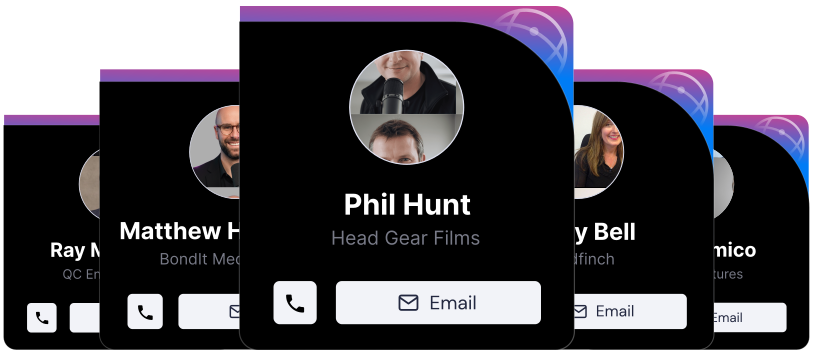
  • Verified email or direct contact, not a general submissions inbox

Step 4: Build the Right Pitch for Each Buyer

Cold outreach to a buyer who has no reason to expect your message is low-percentage regardless of how good the project is. The goal is to get warm enough that your email gets opened.

Warm paths in order of effectiveness:

  1. Mutual introduction — someone they trust vouches for you and the project
  2. Market presence — you’ve met at MIPCOM, MIP, Berlin, or a relevant industry event
  3. Shared connection — a co-producer, sales agent, or financier they’ve worked with can make the introduction
  4. Targeted cold outreach — works when it’s precisely targeted, clearly relevant to what they’re actively seeking, and brief

The key to making cold outreach work is demonstrating you’ve done the research. A message that opens with “I know you’re currently looking for [specific format/genre] in [specific territory], and this project does X” is a different conversation than a general project submission.

Step 5: Use Intelligence to Move Faster Than the Market

The professionals who consistently find the right buyer faster than competitors aren’t necessarily better connected — they’re better informed. They know about an acquisition appetite before it’s publicly announced. They know which platforms are expanding their scripted slate in a specific territory before the press release goes out.

That intelligence used to be locked in industry relationships built over decades. It’s increasingly accessible through platforms built on verified, continuously updated supply-chain data.

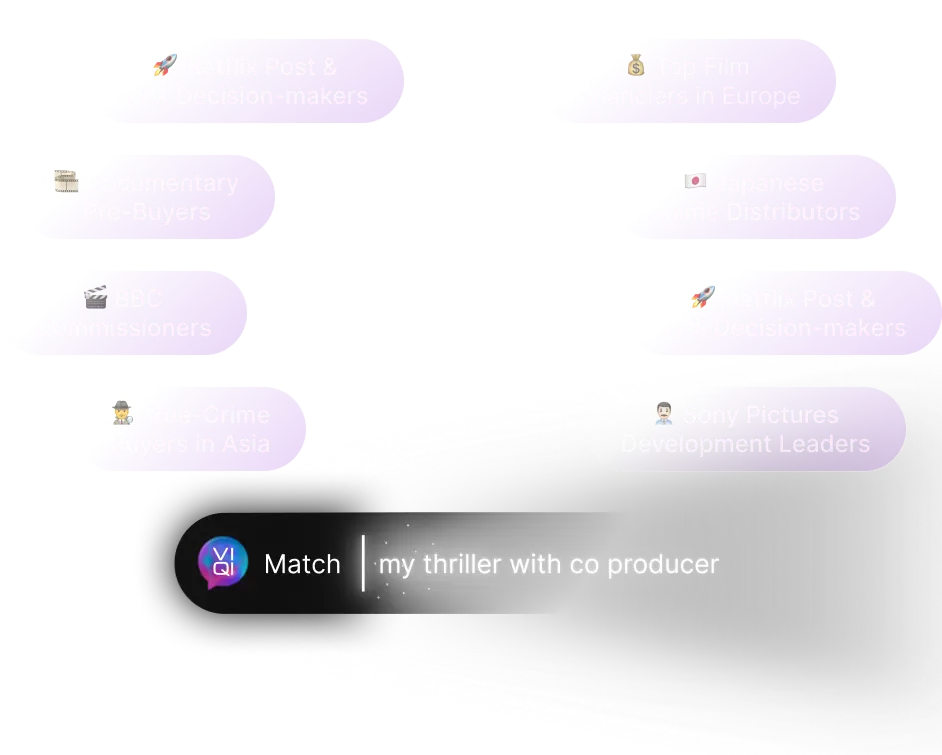
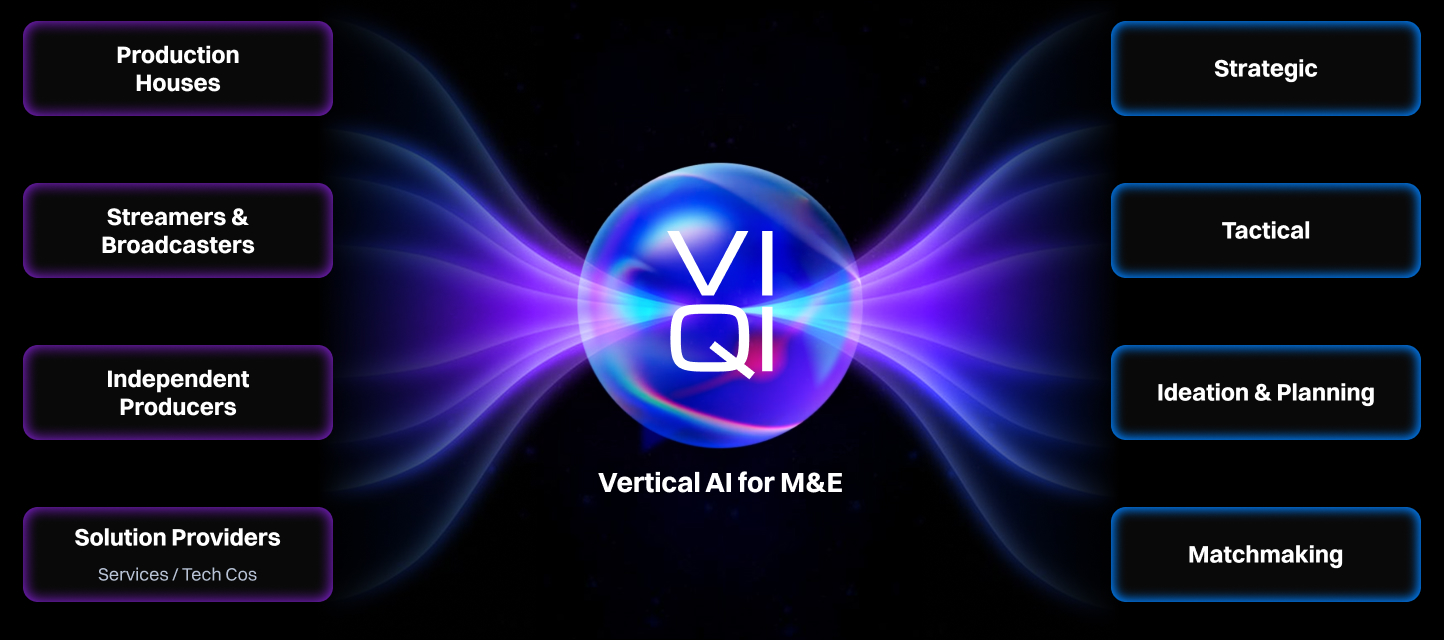
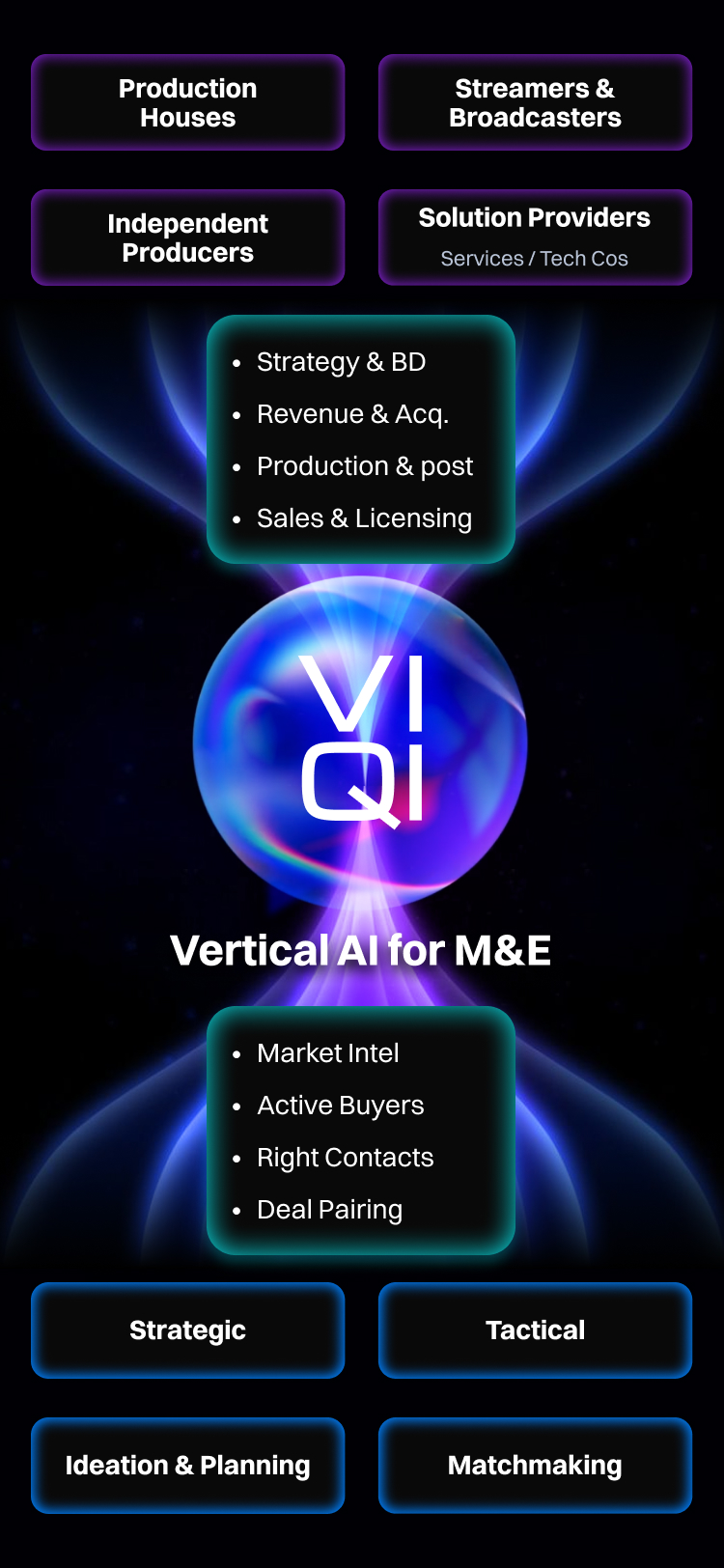
VIQI — Vitrina’s vertical AI — is built specifically for this. Ask it which platforms are actively acquiring your format in your target territory, and it draws on 360,000+ companies, 5 million+ verified professionals, and 30 million+ mapped relationships to return a specific, strategy-grade answer: who to target, in what sequence, with what approach. It includes buyer preference patterns, commissioning timing signals, and verified contact data — the kind of intelligence that previously came only from being deeply inside the market.

Try VIQI free — no credit card required →

What Doesn’t Work

For completeness:

  • General submissions inboxes. Most platforms route unsolicited material to a holding pattern that rarely results in a meaningful conversation. The exception is when a platform has a specific open call.
  • Outdated trade databases. Many industry databases are updated infrequently. An executive listed as “Head of Acquisitions” may have left the role months ago. Acting on stale data costs you credibility.
  • LinkedIn cold connection requests without context. Connecting without a reason works occasionally, but the response rate is low. A direct message that demonstrates specific knowledge of their role and slate performs better.
  • Relying exclusively on your existing network. Your network reflects where you’ve been, not where the market is. The most valuable opportunities are often with buyers you haven’t met yet.

The Honest Summary

Finding buyers is partly a relationship problem and partly an intelligence problem. You can’t shortcut the relationship-building that happens over years in the industry. But you can dramatically accelerate the intelligence side — knowing who is buying what, in which territory, right now — and use that to have better-targeted conversations that are more likely to lead somewhere.

The professionals who are moving fastest in 2026 are the ones who’ve solved the intelligence problem. The relationships still have to be built. But they’re building them with the right people, at the right time, with the right information in front of them.

Vitrina maps the global film, TV, and video entertainment supply chain. VIQI is Vitrina’s vertical AI — ask it any business question about the industry and get a strategy-grade answer.

Start free at vitrina.ai/viqi →

Find Film+TV Projects, Partners, and Deals – Fast.

VIQI matches you with the right financiers, producers, streamers, and buyers – globally.

Producers Seeking Financing & Partnerships?

Book Your Free Concierge Outreach Consultation

(To know more about Vitrina Concierge Outreach Solutions click here)

Producers Seeking Financing, Co-Pros, or Pre-Buys?

Vitrina Concierge helps producers reach the right financiers, commissioners, distributors, and co-production partners — with precision outreach, not cold pitching.

Similar Articles

Join the Largest Worldwide Business Network in Entertainment!

Vitrina, the Global Sourcing Hub for the Entertainment Supply-Chain.