The question nobody in a pitch meeting answers directly: how much does it cost to distribute a feature film independently? Producers pour months into locking the production budget down to the dollar, then hand-wave past distribution with phrases like “P&A to be determined.” That gap in the financial model is where recoupment plans quietly collapse.
The honest answer isn’t a single number. It’s a range that stretches from under $10,000 for a DIY digital-only release to well over $500,000 for a self-distributed national theatrical campaign—and every step in between comes with costs most first-time distributors don’t anticipate until the invoice arrives. E&O insurance. DCP creation. Quality control testing. Publicist retainers. Four-walling. Social media spend that compounds weekly. These aren’t optional extras. They’re the infrastructure your film needs before it earns its first dollar.
This guide breaks down the real cost structure of independent film distribution across every release model—digital-only, limited theatrical, hybrid, and working with an independent distributor. With specific numbers, not ranges designed to avoid commitment.
Table of Contents
- What Actually Drives Independent Distribution Costs
- DIY Digital-Only Release: $5,000–$25,000
- Self-Distributed Limited Theatrical: $50,000–$200,000
- Working with an Independent Distributor: Hidden Costs Explained
- Hybrid Release (Theatrical + Digital): $150,000–$500,000
- Fixed Costs Every Release Model Requires
- Where Independent Distribution Budgets Actually Blow Up
- FAQ
- Conclusion
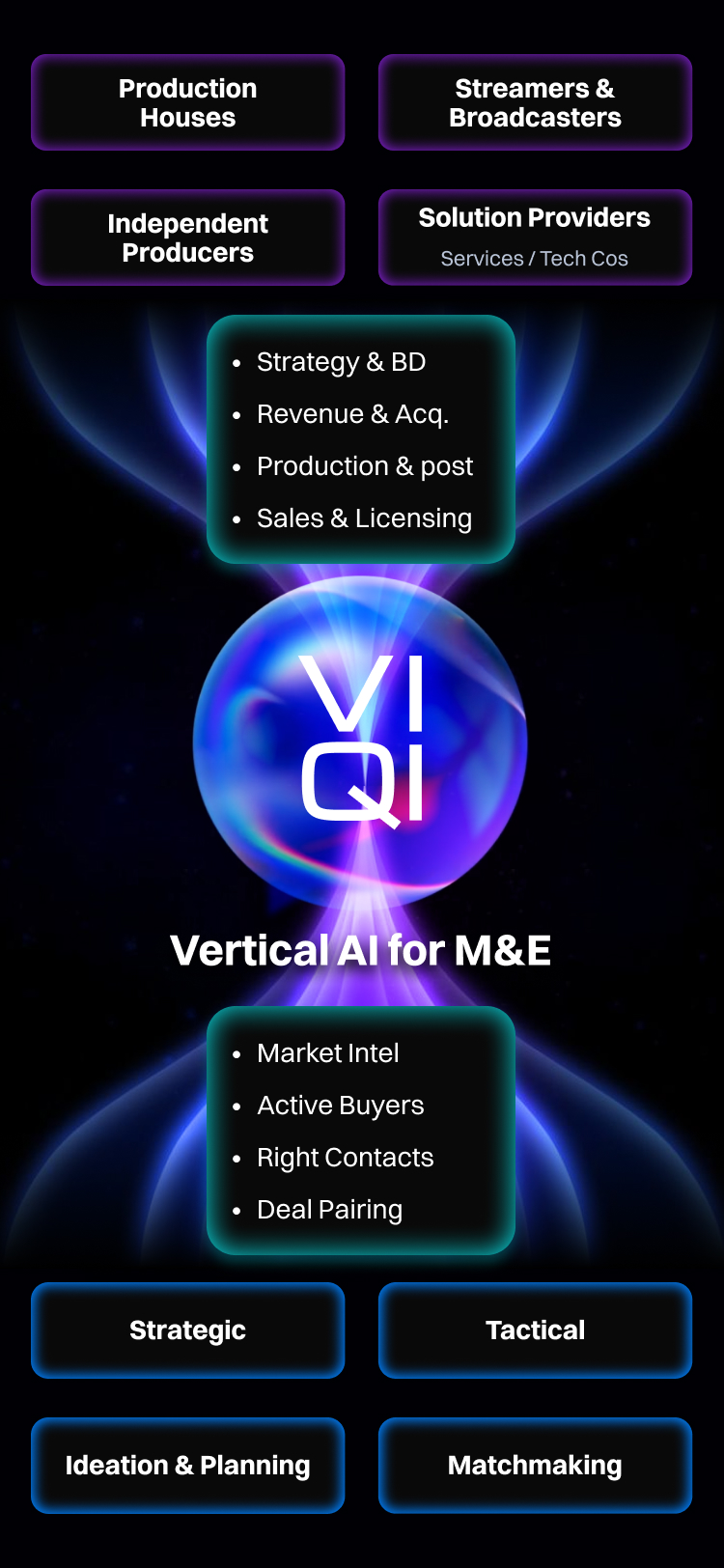
Ask VIQI: Which Distributors Are Actively Acquiring Films at Your Budget Level Right Now?
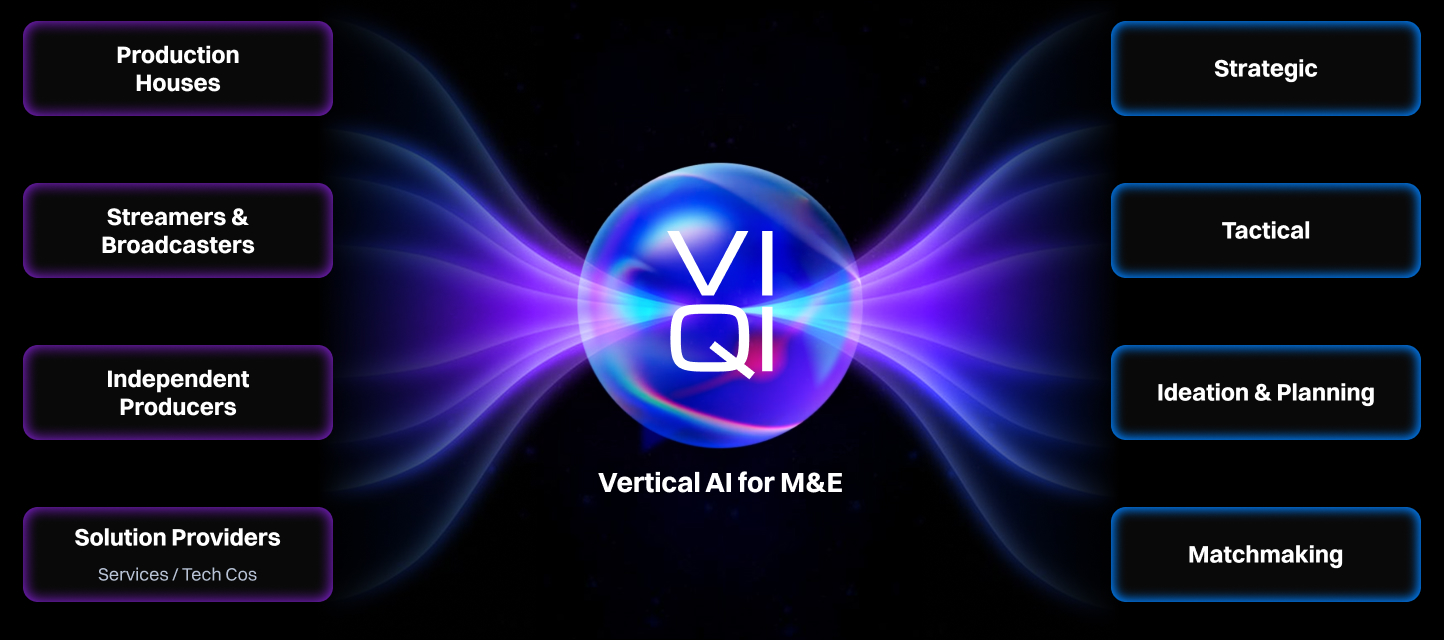
VIQI is Vitrina’s AI intelligence engine — trained on 1.6 million titles, 400,000+ projects, and 3 million verified entertainment professionals. Skip the cold search. Know your distribution partners before the pitch.
✓ 200 free credits | ✓ No credit card required
What Actually Drives Independent Film Distribution Costs
Before you budget a single line item, it’s worth understanding the three variables that determine what your distribution campaign actually costs. First: release model—digital-only, theatrical, hybrid, or through a third-party distributor. Each has a fundamentally different cost structure, and choosing the wrong one for your film’s commercial profile is how producers end up spending $80,000 on a theatrical run that generates $12,000 at the box office.
Second: your marketing footprint—how many cities, which platforms, what audience you’re trying to reach and through which channels. Marketing is the variable cost that can scale infinitely upward. There’s no ceiling on what you could spend on Meta ads, publicist fees, and out-of-home advertising. The discipline is knowing where your marginal dollar generates a return.
Third: your delivery requirements—the technical infrastructure every platform mandates before your film can be licensed or screened. E&O insurance. DCPs. Closed captions. QC reports. These costs are non-negotiable and often catch first-time distributors completely off guard.
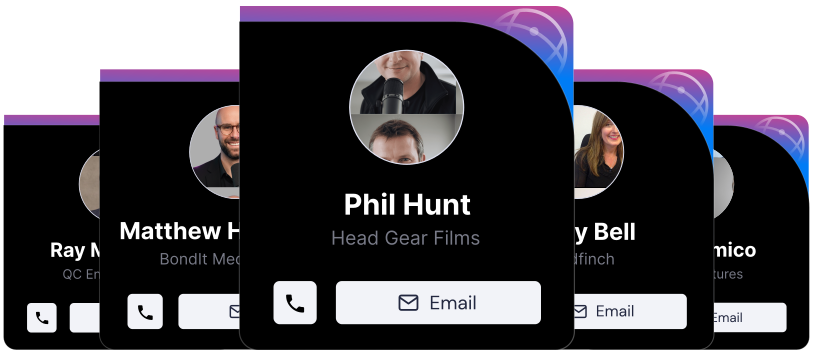
Phil Hunt (CEO, Head Gear Films, 550+ films financed) has been direct about the current distribution economics: increasing production costs globally are running into decreasing revenue per title. His advice to producers is consistent—cut the budget, including the distribution budget, because the math only works if your costs stay proportional to realistic revenue expectations. That principle applies to distribution as much as it applies to production.
Phil Hunt (CEO, Head Gear Films) on how the economics of getting a film made and distributed have fundamentally shifted in the post-streaming era:
DIY Digital-Only Release: $5,000–$25,000
This is the lowest-cost route to getting your film in front of audiences—and it’s also the route with the lowest revenue ceiling for most projects. But done right, a digital-only self-release can recoup a micro-budget film and build an audience for your next project. Here’s what it actually costs.
The revenue share component is the variable that matters most over time. Filmhub’s 20% off the top sounds modest—but on $50,000 of AVOD revenue over three years, that’s $10,000 leaving your recoupment before you see it. For a micro-budget film with realistic streaming revenue expectations, that’s material.
One thing digital-only releases consistently underestimate: quality control (QC) failures. Platforms reject files that don’t meet their technical specs—and fixing those issues after submission adds $500-$2,000 and delays your release by 4-8 weeks. Getting QC right the first time is cheaper than getting it wrong.

Self-Distributed Limited Theatrical: $50,000–$200,000
As Joshua Harris (Managing Partner, Peachtree Entertainment, $500M+ deployed in independent film lending) has noted, theatrical is coming back—and not just for the big studio releases. Distributors and audiences are both leaning back into the cinema experience, which means limited theatrical runs are once again a viable and often strategically important move for indie films.
But. A 10-city self-distributed theatrical run is not cheap, and the math is brutal if you’re not prepared for it. Here’s the actual cost breakdown.
The theater split complicates this further. Theaters typically take 45-55% of box office gross, leaving you with 45-55% of ticket revenue before your own costs. A sold-out 200-seat house at $15 per ticket generates $3,000 gross. Your share: ~$1,350. One screening. Four-walling removes the revenue split but shifts all risk entirely to you upfront.
The strategic logic for theatrical isn’t box office gross—it’s the downstream effect. A film with documented theatrical performance, even modest, commands better licensing fees from streaming platforms. It also unlocks the ability to run awards campaigns, generate critical reviews, and build the audience anticipation that makes a streaming debut more impactful. Our breakdown of P&A budget control and marketing spend covers how to cap these costs without killing the campaign.
Track What Distributors Are Paying for Films Like Yours — Right Now
Trusted by Netflix, Warner Bros, Paramount, and Google TV. Join 140,000+ entertainment companies tracking live distribution deal data across 400,000+ projects globally.
✓ 200 free credits | ✓ No credit card required | ✓ Cancel anytime
Working with an Independent Distributor: What It Actually Costs You
A common misconception: signing with an independent distributor means they absorb your distribution costs. They don’t. Distribution deals shift some of the marketing execution risk to the distributor, but the cost structure is more nuanced—and producers who don’t read the fine print on their distribution agreements routinely discover their recoupment position is far worse than they modeled.
Here’s how the typical independent distribution deal costs flow:
Distribution commission: 25–35% of gross revenue. This comes off the top before your recoupment calculation begins. On $200,000 of total platform revenue, a 30% distribution commission leaves $140,000. That’s before anything else.
Distribution expenses (recoupable): $25,000–$150,000. Most distribution contracts allow the distributor to recoup their marketing and release expenses before you see backend revenue. These expenses—P&A spending, trade advertising, festival submissions, screener mailings—are charged against your share. Get a hard cap on this number in your contract, or it can expand without limit. Our guide to negotiating film distribution contracts covers exactly which clauses to push back on.
Sales agent commission: 10–15% of sales. If a sales agent is involved in the international rights sale, their commission comes off separately from the distribution commission. It’s additive, not inclusive.
Delivery costs (yours, not theirs): $10,000–$35,000. Creating the deliverables the distributor requires—ProRes masters, DCPs, Dolby Vision/HDR versions, M&E audio tracks, foreign language subtitles, legal clearances—is almost always the producer’s responsibility. Budget it from day one.
E&O insurance: $2,000–$8,000/year. Required by virtually every legitimate distributor and platform. Non-negotiable. And you need to maintain it for the full license period, not just year one.
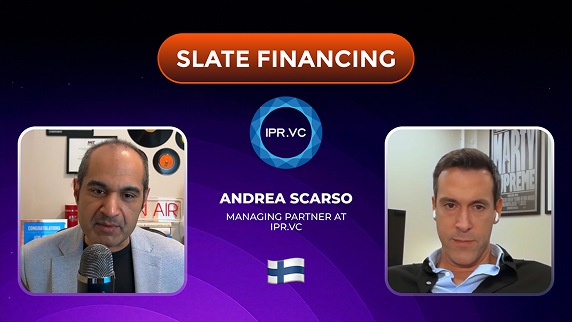
Andrea Scarso (Managing Partner, IPR VC) has noted publicly that the old P&A model is probably outdated—the companies navigating distribution most successfully are the ones challenging those conventional spending frameworks. That insight has real implications for how you negotiate your distribution agreement: push for transparent expense reporting, hard caps on recoupable costs, and quarterly rather than annual accounting cycles.
Hybrid Release (Theatrical + Digital): $150,000–$500,000+
This is the model most mid-budget independent films ($1M–$5M production budgets) aspire to: a genuine national or regional theatrical release followed by a premium digital window. Done well, it maximizes both audience reach and platform licensing leverage. Done wrong—with a P&A budget that outstrips the film’s commercial potential—it’s the fastest way to ensure your investors never see recoupment.
The hybrid model’s cost components stack like this: all the fixed delivery costs ($15,000–$40,000), a real P&A budget for theatrical marketing ($75,000–$300,000 for a meaningful national release), distributor commissions (25–35%), and ongoing digital distribution costs. The P&A ceiling is the variable that requires the most discipline.
As reported by Variety, mid-tier independent distributors are increasingly moving toward performance-based P&A spending models—front-loading in markets where early tracking looks strong, pulling back in markets where it doesn’t. That’s a fundamentally more capital-efficient approach than the old model of uniform national saturation. And according to The Hollywood Reporter, theatrical P&A efficiency has become the critical variable separating profitable indie releases from loss-making ones—the era of spending your way to box office success regardless of performance signals is over.
For a comparison of what specific distribution services charge and what each delivers, our comparison of film distribution services for independent filmmakers provides a side-by-side breakdown across the major options.
Fixed Costs Every Release Model Requires — Don’t Skip These
Regardless of which distribution route you choose, certain costs are non-negotiable. These are the line items that don’t move regardless of your release scale. Building them into your budget early prevents the unpleasant surprise of discovering you owe $25,000 in delivery costs after you’ve already spent your distribution budget on marketing.
- E&O (Errors & Omissions) Insurance: $1,500–$8,000/year. Every platform, every legitimate distributor, and every theater chain requires it. Coverage amount ($1M/$3M is standard) affects cost. Budget for at least two years of coverage minimum.
- DCP (Digital Cinema Package) creation: $1,500–$3,500. Required for any theatrical exhibition. Includes the encrypted digital file that projectors actually play. Not a one-time cost if you need multiple versions (different aspect ratios, language versions).
- Closed captions and subtitles: $500–$2,500 for English CC. Add $800–$2,000 per additional language. Required by streaming platforms and increasingly mandated for theatrical exhibition.
- Quality control (QC) testing: $500–$2,000. Technical verification that your deliverables meet platform specifications before submission. Catching issues here is cheaper than failing QC at the platform level.
- Legal (distribution agreement review): $3,000–$12,000. Non-negotiable if you’re signing with a distributor. A good entertainment attorney will find clauses in the standard distribution agreement that cost you far more than their fee if you don’t catch them first.
- Chain of title clearance: $2,000–$6,000. Confirms you own what you’re selling. Required by every legitimate buyer. This should have been done during production, but if it wasn’t, it needs to happen before you approach any distributor.
- Music clearances (if needed): $500–$5,000+ per track. Uncleared music will block your film from platforms and can void an E&O policy. Sort this out before distribution, not during.
Where Independent Distribution Budgets Actually Blow Up
Four scenarios cause the majority of independent distribution budget overruns. Not because producers are careless—because these costs are systematically underestimated or excluded from initial planning.
1. QC failures and re-delivery costs. A rejected technical delivery means paying for re-encoding, a second QC pass, and losing 4-8 weeks of release window. Budget $3,000-$5,000 as contingency against this specific scenario, even if you’re confident in your post-production quality.
2. Unbounded distributor expense recoupment. Contracts that don’t cap the distributor’s recoupable expenses are how producers find themselves owed nothing after $300,000 in platform revenue. A 10% expense cap of gross revenue is a reasonable negotiating position. Without it, you’re flying blind on your own recoupment.
3. Extended E&O coverage. Most producers budget for one year of E&O insurance. Distribution agreements typically run 7-15 years, requiring annual policy renewal throughout. That’s $1,500-$8,000 per year for the life of the deal—a cost that can exceed $50,000 over the license term on a long contract.
4. International delivery versions. Selling rights to a German distributor sounds profitable. Until you discover their technical delivery requirement includes a textless version, an M&E audio track, forced-on German subtitles, and a localized DCP. Those deliverables can add $8,000-$20,000 per major territory in costs that weren’t in the original distribution budget. For a comprehensive picture of what US market distribution deals actually cost across the full lifecycle, our deep dive into the costs of film distribution deals in the US market covers the full fee waterfall.
Find Distributors Who Fit Your Film’s Budget and Genre — Without Cold Submissions
Vitrina Concierge makes verified warm introductions directly to distribution executives who are actively acquiring films at your budget level. Know their current deal terms before you walk in the door.
- LA producer → Netflix UK, Fifth Season, Fox Entertainment (48 hours)
- Korean studio → Netflix Adult Animation (week one)
- MENA studio → Legendary Pictures (direct access)
Frequently Asked Questions
How much does it cost to distribute a feature film independently?
The range is wide: a DIY digital-only release costs $5,000–$25,000 in fixed costs (excluding revenue share). A 10-city self-distributed theatrical run costs $50,000–$200,000. A hybrid theatrical and digital campaign costs $150,000–$500,000+. Working with an independent distributor doesn’t eliminate these costs — it shifts some of them, but distributor commissions (25–35%), recoupable expenses, and delivery costs still come out of your revenue before you see a dollar.
What is E&O insurance and why does a film need it for distribution?
Errors and Omissions (E&O) insurance covers your film against claims arising from intellectual property infringement, clearance issues, unauthorized life rights, defamation, or privacy claims. Every legitimate distributor, streaming platform, and theater chain requires it before licensing or exhibiting your film. Standard coverage is $1M/$3M at a cost of $1,500–$8,000 per year. You need to maintain coverage for the full term of your distribution agreement — which can be 10–15 years. Budget accordingly.
What does a DCP cost and when do I need one?
A Digital Cinema Package (DCP) is the encrypted digital file format that modern projectors use for theatrical exhibition. You need one for any cinema screening — festival, theatrical, or four-wall. Cost: $1,500–$3,500 for the master DCP, plus $150–$300 per hard drive for delivery copies. You don’t need a DCP for streaming platform delivery — that uses different formats (ProRes, H.264/H.265). If you’re doing both theatrical and streaming, budget for both separately.
What percentage do independent film distributors take?
Independent distributor commissions typically run 25–35% of gross revenue. This comes off the top before recoupment. On top of that, most distribution agreements allow distributors to recoup their marketing and release expenses (P&A, trade advertising, submissions) before your backend kicks in. Without a hard cap on recoupable expenses in the contract, those costs can erode your recoupment position significantly. Always cap recoupable expenses in writing — a figure equal to 10–15% of gross revenue is a reasonable starting negotiating position.
Can I distribute my film for free?
You can minimize upfront costs significantly, but you can’t eliminate all distribution expenses. Filmhub charges no upfront fee and takes a 20% revenue share — the closest thing to “free” distribution that exists for streaming. But you still need E&O insurance ($1,500–$3,500), closed captions ($500–$2,000), a delivery-ready master file, and basic marketing materials. Realistically, even the lowest-cost streaming-only release requires $5,000–$8,000 in non-negotiable costs before your first dollar of revenue arrives.
How long does it take to recoup distribution costs on an independent film?
Recoupment timelines vary enormously. Digital-only releases with low upfront costs and AVOD revenue can reach break-even in 12–36 months depending on platform placement and audience size. Theatrical releases typically don’t recoup P&A through box office alone — the P&A investment is justified by its effect on downstream streaming licensing fees. Hybrid releases targeting premium SVOD platforms can recoup distribution costs through a single licensing deal if the platform pays a meaningful MG upfront. The worst recoupment outcomes happen when P&A spending exceeds 50% of total projected revenue from all distribution channels combined — a ratio worth calculating before you commit to a release model.
What deliverables does a distributor typically require?
Standard distributor deliverables include: ProRes 4444 or DCP master, stereo and 5.1 audio mix, M&E (music and effects) audio track (for international dubbing), closed captions in SRT/SCC format, subtitles in all contracted languages, textless versions of titles and credits, chain of title documentation, E&O insurance certificate, key art at multiple resolutions, official trailer, EPK (Electronic Press Kit), and complete cast/crew metadata. International delivery requirements often add $8,000–$20,000 per major territory in localization and versioning costs that don’t appear in domestic delivery budgets.
Should I self-distribute or work with an independent distributor?
Self-distribution gives you control over your release strategy, higher revenue per dollar earned, and direct platform relationships — but it requires significant time, expertise, and capital. Working with a distributor gives you their existing platform relationships, marketing infrastructure, and release experience — but their commission (25–35%) and recoupable expenses substantially reduce your backend. The break-even analysis: if a distributor’s platform relationships generate 40%+ more revenue than you’d generate self-distributing, their commission is worth it. If not, self-distribution nets you more money even with lower total revenue.
Conclusion: Budget Distribution Like a P&L, Not an Afterthought
The cost to distribute a feature film independently isn’t one number—it’s a model. And the producers who come out ahead are the ones who build that model before greenlight, not after delivery. Whether you’re spending $10,000 on a digital-only micro-release or $400,000 on a hybrid theatrical campaign, the principle is the same: every distribution cost should be measured against projected revenue from every channel it enables, with explicit recoupment milestones that tell you whether the strategy is working in real time.
Phil Hunt’s advice to cut production budgets in half applies equally to distribution: right-size the campaign to the film’s commercial reality. The market now rewards films that play to their actual audience rather than campaigns that spend toward an imaginary one. That’s not pessimism. It’s the calculation that keeps your next project financially viable.
- Budget fixed costs first: E&O insurance, DCP, closed captions, QC, legal review, and chain of title clearance are non-negotiable across every release model. Total: $10,000–$35,000 minimum before any marketing spend.
- Know your distribution commission math: A 30% distributor commission on $200,000 of revenue leaves $140,000. Before recoupable expenses. Model the actual net — not the gross — when evaluating distribution partners.
- Cap recoupable expenses in every distribution contract: No cap means no floor on what gets charged against your backend. 10–15% of gross revenue is a defensible cap to push for.
- Theatrical is a marketing cost, not a revenue center: For most independent films, the P&A spent on theatrical is justified by its downstream effect on streaming licensing fees — not by box office gross. Model it accordingly.
- International delivery costs are separate: Selling rights to multiple territories means creating territory-specific deliverables. Budget $8,000–$20,000 per major international territory in additional delivery costs beyond your domestic budget.
Find the Right Distribution Partner for Your Film’s Budget and Genre
Trusted by Netflix, Warner Bros, Paramount, and Google TV. Join 140,000+ companies tracking live distribution deal data across 400,000+ projects — know what distributors are paying before you negotiate.
✓ 200 free credits | ✓ No credit card required | ✓ Cancel anytime
Need direct introductions to distribution executives? Explore Concierge Service →