Short film distribution has never had more viable routes—and navigating them has never been more confusing. The good news: knowing how to submit a short film to digital distributors is no longer limited to filmmakers with festival connections or industry relationships. Several platforms now accept direct submissions, and aggregator services can place your film across more than a hundred channels in a single deal.
The bad news? Submitting to the wrong platforms at the wrong time—with incomplete rights or substandard deliverables—kills momentum you can’t recover.
Here’s what most guides on this topic skip over: every major digital distributor has specific eligibility criteria, technical specifications, and rights requirements that determine whether your submission gets approved or quietly rejected. And the platforms that are genuinely open to short film submissions in 2026—versus those that technically accept them but rarely feature them—are different lists. This guide gives you the honest version of both.
In This Guide
- Before You Submit: Rights, Deliverables, and Clearances
- Step 1 — Start With an Aggregator (FilmHub and Alternatives)
- Step 2 — Submit Directly to Amazon Prime Video Direct
- Step 3 — Target FAST and AVOD Channels
- Step 4 — Approach Curated Platforms (MUBI and Short Film Portals)
- Step 5 — Build a Direct-to-Fan Revenue Stream
- What Digital Distributors Actually Want From Short Films
- How to Find Platforms Actively Acquiring Short Films Right Now
- FAQ: Submitting Short Films to Digital Distributors
- Conclusion: Key Takeaways
Before You Submit: Rights, Deliverables, and Clearances
This is the step most first-time short filmmakers skip—and it’s the one that causes the most rejections, contract disputes, and delayed releases. Before your film reaches any platform’s submission portal, you need three things confirmed: clean chain of title, cleared music rights, and platform-ready deliverables. Miss any one of these and you’re not getting approved, regardless of how good the film is.
Chain of title means you can prove ownership of every creative element in your film. That’s written agreements with your writer, director, cast, and crew—assigning rights to the production entity. If you shot guerrilla-style with verbal agreements, you need to fix that before you approach distribution. No reputable platform will greenlight a submission with unresolved IP questions.
Music clearances are the most common reason short film submissions stall or get rejected. Every piece of music in your film—score, source music, anything playing in a scene—needs either original composition you own outright, or a sync license and master use license for each track. That includes “free” music you found online. Platforms like Amazon Prime Video Direct and FilmHub require E&O (Errors and Omissions) insurance for most deals, and insurers will reject any application with uncleared music. Don’t skip this. As our comparison of film distribution services for independent filmmakers covers, music disputes are the leading cause of distribution delays across every platform category.
Deliverables vary by platform but the core requirements are consistent: a high-resolution master file (typically ProRes 4444 or H.264 at 1080p minimum), a stereo audio mix (plus 5.1 if available), closed captions or subtitles, a trailer cut, key art at required dimensions, and metadata including synopsis, genre tags, cast and crew credits, and runtime. Get these ready before you start submitting—every platform will need them and having them ready accelerates approval timelines dramatically.
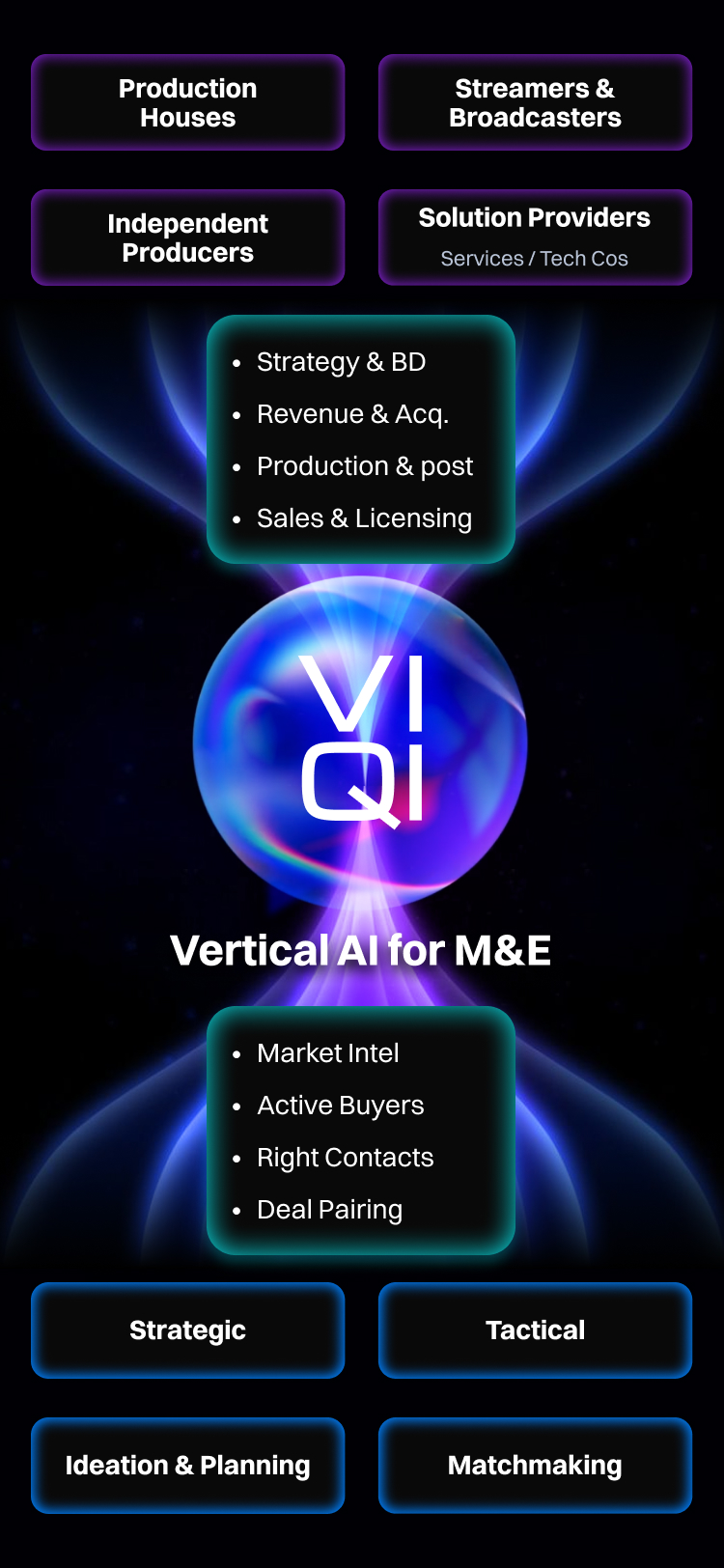
Ask VIQI: Which Platforms Are Actively Acquiring Short Films in My Genre?
VIQI is Vitrina’s AI assistant—trained on 1.6 million titles, 360,000 companies, and 5 million entertainment professionals. Get real-time intelligence on who’s acquiring short film content right now.
✓ Included with 200 free credits | ✓ No credit card needed
Step 1 — Start With an Aggregator (FilmHub and Alternatives)
If you’re submitting your short film to digital distributors for the first time, aggregators are your most efficient entry point. FilmHub is the most relevant for short film distribution—it connects your film to more than 100 streaming channels and platforms through a single submission process, handling encoding, delivery, and ongoing reporting across AVOD, FAST, SVOD, and TVOD channels simultaneously.
The economics are straightforward: FilmHub takes a revenue share of approximately 20–25% from deals it facilitates, in exchange for platform access and deal management. You retain rights—it’s not an exclusive deal—which means you can simultaneously pursue direct platform submissions or festival licensing without conflicts. For short filmmakers without an established distribution pipeline, that combination of multi-platform reach and rights retention is hard to beat.
Shorts International is the other major aggregator worth knowing in this space. It specializes specifically in short film distribution—with relationships at Apple TV+, major SVOD platforms, and airline entertainment networks that FilmHub doesn’t replicate. Airline distribution, in particular, is a revenue stream most short film guides don’t mention. But it’s real, it pays licensing fees upfront, and it bypasses the viewership-based revenue sharing model entirely. If your short is under 20 minutes and professionally finished, Shorts International is worth a direct submission inquiry.
Step 2 — Submit Directly to Amazon Prime Video Direct
Amazon Prime Video Direct is the only major SVOD platform with a genuinely open self-submission portal for independent short films. You don’t need a distributor, a sales agent, or an existing relationship with Amazon. Upload your film, complete the metadata requirements, pass the technical review, and—if approved—your film becomes available to Prime Video subscribers globally.
The royalty model pays monthly based on hours of customer engagement. Short films, by nature, generate fewer hours per view than features—so per-title revenue will be modest. But the global SVOD presence is valuable beyond the direct royalty: it establishes your film’s distribution credentials, provides a verifiable streaming credit, and creates a discoverability footprint for your next project. And unlike most streaming platforms, Amazon’s library breadth means short films don’t get editorially buried quite as aggressively as they do on more curated services.
Technical requirements for Prime Video Direct: minimum 1080p resolution, H.264 or H.265 encoding, stereo or 5.1 audio, and closed captions for all English-language content. Subtitles in additional languages improve discoverability across international Amazon storefronts. Approval typically takes 5–10 business days after technical review. The most common rejection reasons are audio sync issues, subtitle file formatting errors, and metadata inconsistencies—check these before you submit, not after.
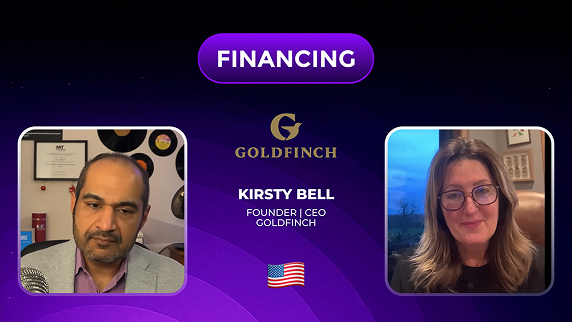
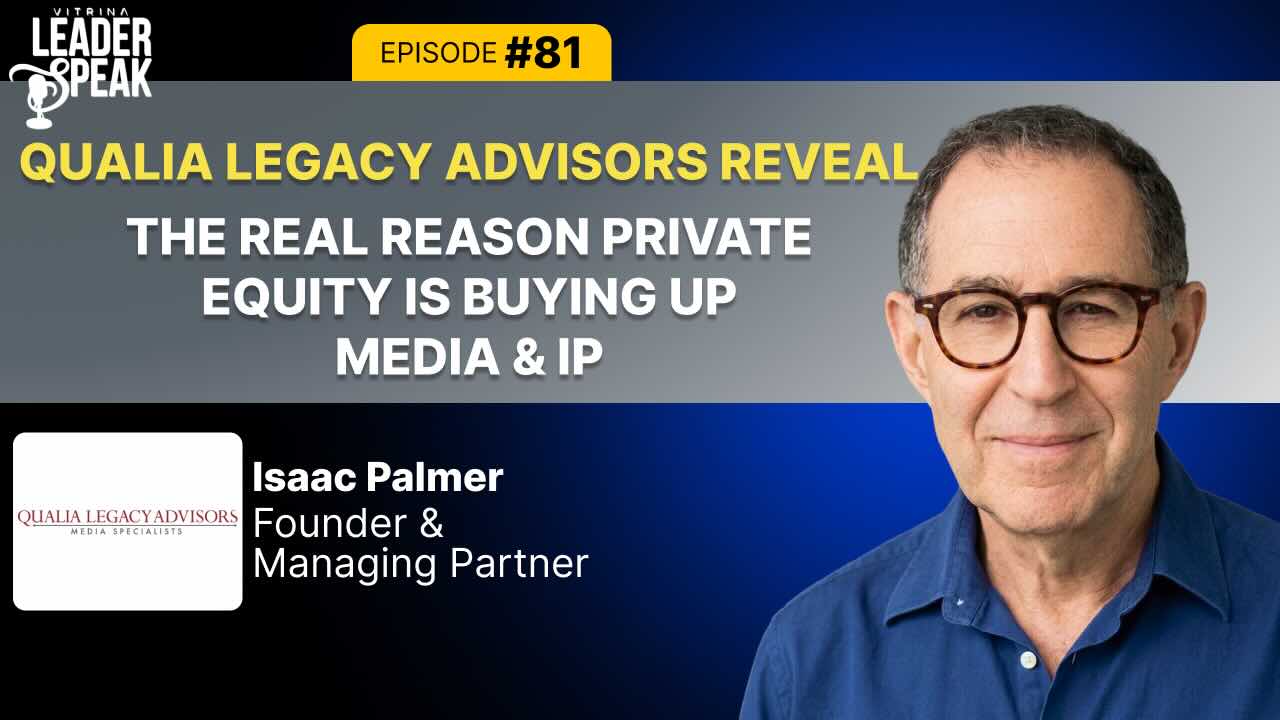
Kirsty Bell (Founder & CEO, Goldfinch) on building financial sustainability for independent filmmakers through diverse revenue streams—including the digital distribution channels that are increasingly central to indie monetization:
Track Which Platforms Are Acquiring Short Films Right Now
Trusted by Netflix, Warner Bros, and Paramount. Join 140,000+ companies using Vitrina to monitor active acquisition mandates across platforms globally.
✓ 200 free credits | ✓ No credit card required | ✓ Full platform access
Step 3 — Target FAST and AVOD Channels
FAST channels—Free Ad-Supported Television—are the fastest-growing distribution segment for independent content in 2026, and short films are increasingly part of their acquisition mix. Tubi (with more than 70 million monthly active viewers in the United States alone), Pluto TV, and Amazon Freevee all accept short film content, particularly for dedicated short film channels and genre-specific programming slots.
The revenue model here is ad-revenue sharing—CPM-based payments that depend on viewership volume, not upfront licensing fees. For a short film, that math rarely generates headline numbers. But it creates real audience exposure, it stacks revenue on top of your other distribution agreements, and it gives your film a measurable viewership record that helps with future distribution pitches. As reported by Variety, FAST channel inventory has attracted significant advertiser budget shifts as cord-cutting continues to accelerate—which means the CPM rates for engaged audiences are improving, not deteriorating.
Most short filmmakers access FAST channels through aggregators like FilmHub rather than direct submission—Tubi and Pluto TV don’t publicize a direct submission pathway for individual short films. But YouTube functions as an effective AVOD entry point that you can control directly. Monetizing your short film through YouTube’s Partner Program—enabling ads on a publicly available video—generates CPM-based revenue with zero gatekeeping. It won’t replace a proper distribution deal. But it builds audience, generates watch data, and costs nothing to execute while your formal submissions are under review.
Step 4 — Approach Curated Platforms (MUBI and Short Film Portals)
MUBI is the gold standard for curated short film distribution—and the hardest to access. Its editorial team hand-selects every title, and the platform’s $1 billion valuation (backed by a $100 million Sequoia Capital investment) reflects how seriously institutional money views curated streaming as a premium category. Getting your short on MUBI signals critical credibility that no algorithmic platform can replicate. It’s the difference between a distribution credit and a career-defining one.
But MUBI acquires through festival relationships and direct outreach to filmmakers with recognized critical track records—not through open submission portals. Your best path to MUBI is a strong premiere at Sundance, Cannes Court Métrage, TIFF Short Cuts, Clermont-Ferrand, or Tribeca, followed by a direct inquiry to their acquisitions team. The film needs to have won or been shortlisted at a major festival; MUBI is selective by design and that selectivity is the source of its value.
For short films specifically, a few curated digital platforms deserve attention beyond MUBI. Vimeo Staff Picks isn’t a monetization platform in the traditional sense—but being selected generates massive qualified viewership that triggers industry attention. Short of the Week curates and features short films with genuine industry audience. And NoBudge focuses on micro-budget work with a dedicated following of indie film professionals. None of these are revenue events. But all of them are pipeline-builders for what comes next. Don’t overlook them because they don’t pay upfront.
Step 5 — Build a Direct-to-Fan Revenue Stream
Vimeo OTT lets you sell or rent your short film directly to your audience—keeping a significantly higher revenue share than any aggregator or platform deal. For filmmakers with an existing audience from prior work, social platforms, or subject-area communities, this is worth building in parallel to your platform submissions. Vimeo handles the payment infrastructure, video hosting, and basic analytics. You handle the audience development, pricing, and marketing.
The honest caveat: direct-to-fan distribution for short films requires an audience you’ve already built. If you’re starting from zero—no prior films, no social following, no community—a $4.99 rental page for a short film will generate almost no organic revenue. The model works when it follows audience-building, not precedes it. Use it as a long-term play while your platform submissions run their course.
As our guide to navigating film distribution channels across theatrical, streaming, and VOD explains, the smartest short film distribution strategies layer multiple windows—not because each generates significant standalone revenue, but because the combined footprint creates the viewing record and industry visibility that opens doors to feature-length projects and broader platform relationships.
What Digital Distributors Actually Want From Short Films
Here’s the real dynamic most submission guides paper over: short films are low revenue-per-title for every platform that acquires them. Platforms don’t acquire short films because they make money. They acquire them because short films signal platform credibility, provide programming diversity, and—in the case of curated services like MUBI—represent the editorial identity the platform is built on. Understanding this shapes what you emphasize in your submissions.
For FAST and AVOD channels, the acquisition criteria center on genre fit, runtime, and completion rate potential. Films under 15 minutes with clear genre hooks—horror, comedy, thriller—perform better on ad-supported platforms because they encourage playlist-style consumption. A viewer watching three short horror films back-to-back generates three CPM events; that math matters to an ad-supported platform operator.
For curated platforms, the criteria are artistic: originality, formal ambition, critical recognition. But here’s what even experienced filmmakers miss—metadata quality matters almost as much as content quality when it comes to discoverability and approval. Platforms that algorithmically surface short films rely on accurate genre tags, festival laurels listed correctly, runtime categorized accurately, and descriptions written for audience search behavior. A brilliant film with lazy metadata gets buried. A competent film with excellent metadata gets found. Don’t skip the metadata work. It’s not glamorous, but it’s where distribution outcomes get decided.
Need a Direct Introduction to Platforms Acquiring Short Films?
Vitrina Concierge makes warm introductions directly to acquisitions decision-makers who are actively seeking your content type. Not a database. Verified access.
- LA producer → Netflix UK, Fifth Season, Fox Entertainment (48 hours)
- Korean animation studio → Netflix Adult Animation (week one)
- Middle Eastern studio → Legendary Pictures (direct access)
How to Find Platforms Actively Acquiring Short Films Right Now
The submission process described above gets your film in front of platforms. But what separates filmmakers who wait months for approval from those who place their film quickly is intelligence about who’s actively acquiring—and what type of content they’re prioritizing right now. That’s not information you’ll find in a submission portal. It lives in deal flow data, acquisition histories, and the current mandates of platform programming teams.
This is the Fragmentation Paradox applied to short film distribution. There are more than 140,000 active film and TV companies in the global ecosystem—including short film commissioners, curated platform acquisitions editors, and festival-linked distribution deals. Most short filmmakers approach the market with a list of five platforms they’ve heard of. The gap between that and knowing which platforms are actively buying in your genre right now is where distribution opportunities get missed.
Vitrina closes that gap. With real-time intelligence on 400,000+ active projects and direct access to 3 million+ verified entertainment executives, you can identify which platforms have active short film acquisition mandates, which commissioning editors are building programming slates that include short content, and which deals in your genre are closing before they hit the trades. That’s the Insider Advantage—and it applies to short film distribution just as directly as it does to feature-length deals.
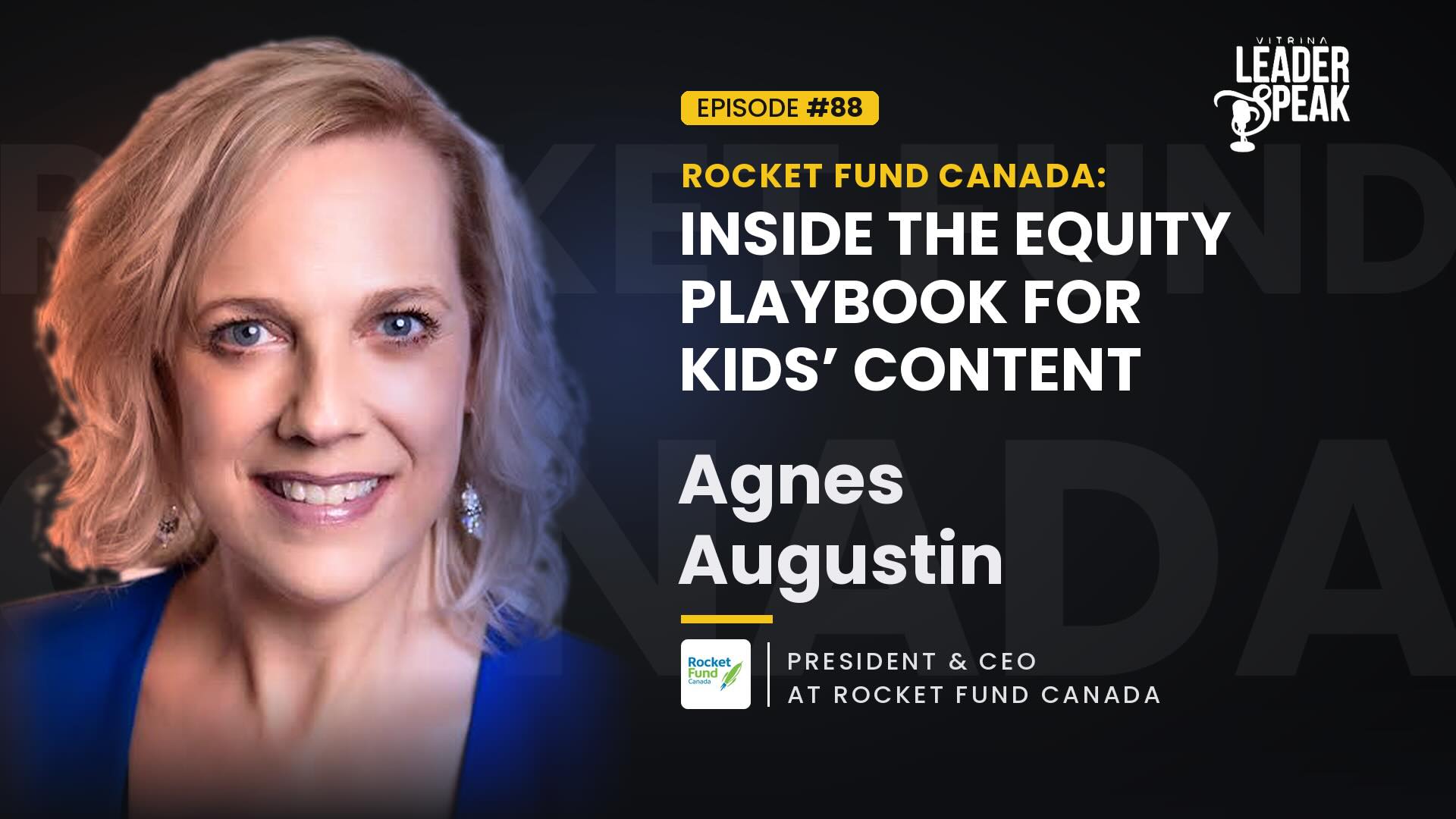
As Kirsty Bell, founder and CEO of Goldfinch, notes in her Vitrina LeaderSpeak conversation: financial sustainability in independent filmmaking depends on leveraging diverse revenue streams across multiple markets. Short films aren’t a single-platform play—they’re a multi-channel strategy. Knowing which channels are active right now is what turns that strategy into revenue. Check our full guide to platforms for short film distribution for additional platform-specific submission details.
FAQ: Submitting Short Films to Digital Distributors
How do I submit a short film to digital distributors?
The most efficient starting point is an aggregator like FilmHub, which distributes your short film to more than 100 streaming platforms through a single submission. For direct submissions, Amazon Prime Video Direct is the most accessible major SVOD portal without requiring a sales agent or distributor. Curated platforms like MUBI require festival credentials and direct outreach to acquisitions teams. Before submitting anywhere, ensure your chain of title is clean, music rights are cleared, and deliverables meet the platform’s technical specifications.
Does Netflix accept short film submissions?
Netflix does not have an open submission portal for short films. It acquires short content through existing production relationships, commissioned original short-form content, and occasionally through international co-production structures. For most independent filmmakers, Netflix is not a direct submission target for short films. The more accessible routes are aggregators, Amazon Prime Video Direct, FAST channels like Tubi, and curated platforms like MUBI.
What technical specifications do digital distributors require for short films?
Core technical requirements across most major platforms include: minimum 1080p resolution (4K preferred where available), H.264 or ProRes encoding for master files, stereo audio mix at minimum (5.1 preferred), closed captions for English-language content, subtitle files in additional languages for international platforms, and high-resolution key art. Amazon Prime Video Direct provides a detailed technical specification sheet during the submission process. FilmHub’s submission flow will flag non-compliant files before delivery.


Do I need to clear music rights before submitting a short film to streaming platforms?
Yes—this is non-negotiable. Every piece of music in your film requires cleared rights before platform submission. You need both a sync license (for the musical composition) and a master use license (for the specific recording) for any licensed track. Original compositions you own outright are simplest. Most platforms and all E&O insurance applications will require music licensing documentation. Uncleared music is the most common reason for submission rejection and distribution delays.
What does FilmHub do for short film distribution?
FilmHub is an aggregator marketplace that connects short films to more than 100 streaming platforms through a single submission and rights agreement. It handles encoding, delivery, and ongoing revenue reporting across AVOD, FAST, SVOD, and TVOD channels. FilmHub takes a revenue share of approximately 20–25% from deals it facilitates. You retain your rights and can pursue direct platform submissions simultaneously. It’s the most efficient multi-platform distribution tool for short filmmakers without existing distribution relationships.
How do I get my short film on MUBI?
MUBI acquires through editorial selection rather than open submission. The most reliable pathway is a strong world premiere or competitive selection at recognized film festivals—Sundance, Cannes Court Métrage, TIFF Short Cuts, Clermont-Ferrand, or Tribeca. After significant festival recognition, filmmakers can contact MUBI’s acquisitions team directly. MUBI is highly selective by design—that selectivity is precisely what makes placement there valuable. It’s worth building your festival strategy around MUBI eligibility if you want it as a distribution destination.
How long does Amazon Prime Video Direct take to approve a short film?
Technical review for Amazon Prime Video Direct submissions typically takes 5–10 business days. The most common rejection reasons are audio sync errors, subtitle formatting issues, metadata inconsistencies, and technical specification failures (resolution, bitrate, or file format). Reviewing Amazon’s technical delivery guide before upload—not during—significantly reduces rejection rates and resubmission delays. Having all metadata prepared in advance (synopsis, genre tags, cast credits, runtime) also speeds approval.
Can I submit my short film to multiple platforms at the same time?
Yes—with an important caveat about rights windows. Non-exclusive agreements (which FilmHub and Amazon Prime Video Direct both offer) allow simultaneous distribution on multiple platforms. But if you accept an exclusive deal from any platform—even a limited-term exclusivity window—you’ll be contractually blocked from placing the film elsewhere during that period. Always read exclusivity clauses before signing. In most cases, short filmmakers are better served by non-exclusive multi-platform agreements than by single-platform exclusivity unless the exclusive deal includes a significant upfront payment or editorial placement guarantee.
Conclusion: Submit Smart, Not Just Broadly
Getting your short film distributed isn’t about submitting to every platform simultaneously and hoping something sticks. It’s about preparing correctly, targeting strategically, and understanding what each type of platform is actually looking for—before you submit to it. The process is more mechanical than mysterious. And the filmmakers who move fastest through it are the ones who did their prep work before submission, not during it.
Key Takeaways:
- Clear rights first: Chain of title, music licenses (sync + master), and E&O insurance documentation need to be in order before any submission—not after your first rejection.
- Start with aggregators: FilmHub and Shorts International provide multi-platform reach through a single submission, with rights retained. They’re the highest-efficiency entry point for short film distribution.
- Amazon Prime Video Direct is your direct SVOD path: The only major SVOD platform with an open self-submission portal. Technical prep before upload dramatically cuts approval time.
- FAST channels pay through ad revenue: Tubi (70M+ MAUs) and Pluto TV offer real audience scale via CPM-based revenue sharing. Best accessed through aggregators, not direct submission.
- MUBI requires festival credentials: No open submission portal—you need recognized festival placement first, then direct acquisitions outreach. Worth building your festival strategy around this if it’s your target.
- Metadata quality determines discoverability: Genre tags, festival laurels, runtime categorization, and search-optimized descriptions are where platform outcomes get decided for most short films.
- Know who’s acquiring before you submit: Real-time intelligence on active acquisition mandates compresses the process from months to weeks. That’s the Insider Advantage—and it matters for short films just as much as for features.
Find Platforms Actively Acquiring Short Films in Your Genre
Trusted by Netflix, Warner Bros, Paramount, and Google TV. Track 400,000+ active projects. Access 3 million+ verified executives. Know which platforms are buying before you submit.
✓ 200 free credits | ✓ No credit card required | ✓ Cancel anytime
Want a direct introduction to active buyers? Explore Vitrina Concierge →
<!–