About Innovation Hub
 Global Content Pulse (Webinars)


 Global Production Financing
(Webinars)
Global Production Financing
(Webinars)  LeaderSpeak Podcast
  Global Entertainment Digest (Newsletter)
  About Vitrina
 About VIQI
 Our Story
 Our Solutions 🔥
 Film+TV Projects Tracker 🚀
 Case Studies
 Our Profile

Hedge funds in modern film finance act as sophisticated institutional investors that provide gap financing, bridge loans, and equity capital by leveraging slate-based risk mitigation.
In 2025, these funds have transitioned from being “passive lenders” to active participants in the content supply chain, using vertical AI to identify arbitrage opportunities across 100+ international territories.
With Vitrina AI mapping over 30 million relationships and tracking 600,000+ companies, financial leads can now quantify the reliability of production partners before deploying capital.
This report explores how strategy leads use intelligence to bridge the “data deficit” in cross-border finance.
Strategic Roadmap
Strategic Insights for CFOs
- ✓
Supply Chain Integration: Modern hedge funds evaluate projects as “Supply Chain Assets” rather than just creative IP, focusing on distribution velocity.
- ✓
International Liquidity: Funds are increasingly targeting “Non-Traditional” markets like Saudi Arabia and Brazil to leverage state-backed incentives and high local demand.
- ✓
Track Record Verification: Strategy leads now use vertical AI to map financier reputations, reducing the risk of “predatory capital” through verifiable track records.
The Evolution of Institutional Media Capital
The traditional “Studio System” relied on internal financing and revolving credit lines. However, the dawn of “Weaponized Distribution” has forced a structural metamorphosis in how content is funded. Hedge funds have filled the liquidity gap left by traditional banks, offering flexible equity structures that prioritize speed and global IP reach.
By treating film slates as diversified portfolios, these funds apply high-frequency financial modeling to a historically opaque industry. This transition is powered by the availability of structured data, allowing funds to track production volumes and licensing trends by region and genre over rolling three-year views.
Identify high-performing finance slates:
Arbitrage: Sourcing Capital in Non-Traditional Markets
Strategic leads are no longer limited to Los Angeles or London when seeking institutional partners. Non-traditional markets like the Middle East (MENA) and Southeast Asia have become primary hubs for hedge fund activity. These regions offer aggressive co-production treaties and a “Data Trust Surplus” for projects that can demonstrate local supply chain integration.
Vitrina AI identifies that 85% of capital discovery in these regions is currently inefficient due to fragmented data. Hedge funds that bridge this gap by using localized supply chain intelligence are securing premium content at favorable entry points. This “Cross-Border Arbitrage” is a key driver for M&A activity in regional production hubs.
Explore financing opportunities in MENA:
Vetting Financiers: Due Diligence in a Data-Driven Era
Vetting a hedge fund or equity partner is no longer a matter of checking a rolodex. Strategy leads face significant financial risk if a partner’s capital is not “verified” or if their deal history reveals predatory terms. The focus has shifted to verifiable track records and “reputation scores” derived from millions of industry interactions.
Using vertical AI, executives can now perform precision outreach to high-value targets while qualifying their financial stability. This transforms partner discovery from a manual, high-risk art into a data-driven science. Verified profiles for over 3 million professionals ensure that “ghost financiers” are eliminated from the deal flow.
“The industry is moving from an opaque, relationship-driven ecosystem to a centralized, data-powered framework. Hedge funds that master this data will be the ones who orchestrate the next generation of global hits.”
Strategic Sustainability: Bridging Art and Enterprise
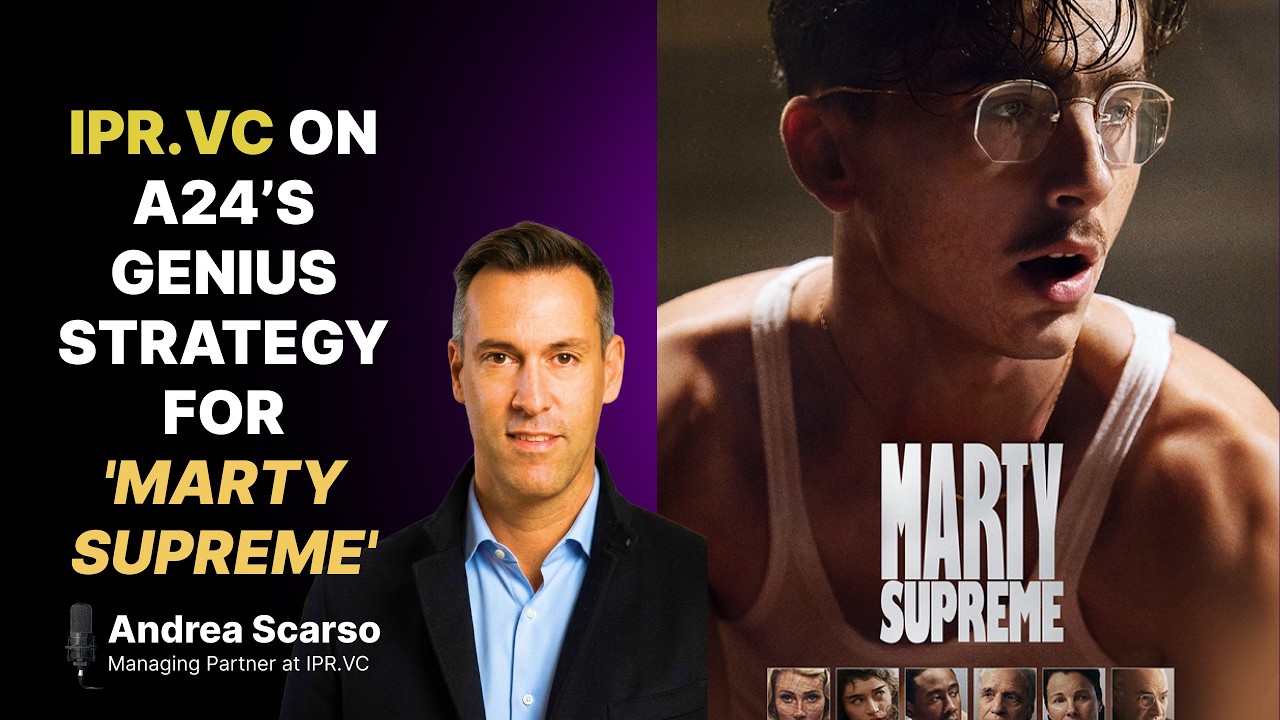
Kirsty Bell, CEO of Goldfinch, discusses how disciplined business models and creative financing bridge the gap between financial worlds and the independent film industry.
Strategic Impact
Bell emphasizes the importance of leveraging diverse revenue streams—from vertical series to global creative economies. Her model mirrors how modern hedge funds seek “financial sustainability” by integrating deeply into the global supply chain across Africa, Asia, and the Middle East.
Moving Forward: The Outlook for 2026
The role of the hedge fund will continue to expand as content buyers demand more “Authorized Data” and regional specialization. Expect to see funds acquiring indie studios to secure upstream supply chains, effectively becoming mini-studios themselves. For strategy leads, the “Digital Lighthouse” provided by supply chain intelligence is the only way to navigate this hyper-competitive, borderless market safely.
Frequently Asked Questions
What makes hedge funds different from traditional film banks?
How can strategy leads identify “predatory” capital?
Why are funds moving into non-traditional markets?
What is the “Data Deficit” in media finance?
How does slate-based financing work?
What role does AI play in vetting?
Is hedge fund capital more expensive?
How does Vitrina identify M&A targets for funds?
About the Vitrina Strategic Insights Team
Our analysts leverage the industry’s largest global supply chain dataset—mapping 30 million relationships across 600,000 companies—to provide actionable intelligencfor the world’s leading media financiers and strategy leads. Incubated at SRI International, Vitrina is the steady signal in a sea of fragmented data.