

 Companies
  Content
 Global Content Pulse (Webinars)

 Global Production Financing (Webinars)
  LeaderSpeak Podcast
  Latest Projects
 Global Trends
 About Projects Tracker
 About Vitrina
 Our Story
 Our Solutions 🔥
 Case Studies
 Our Profile
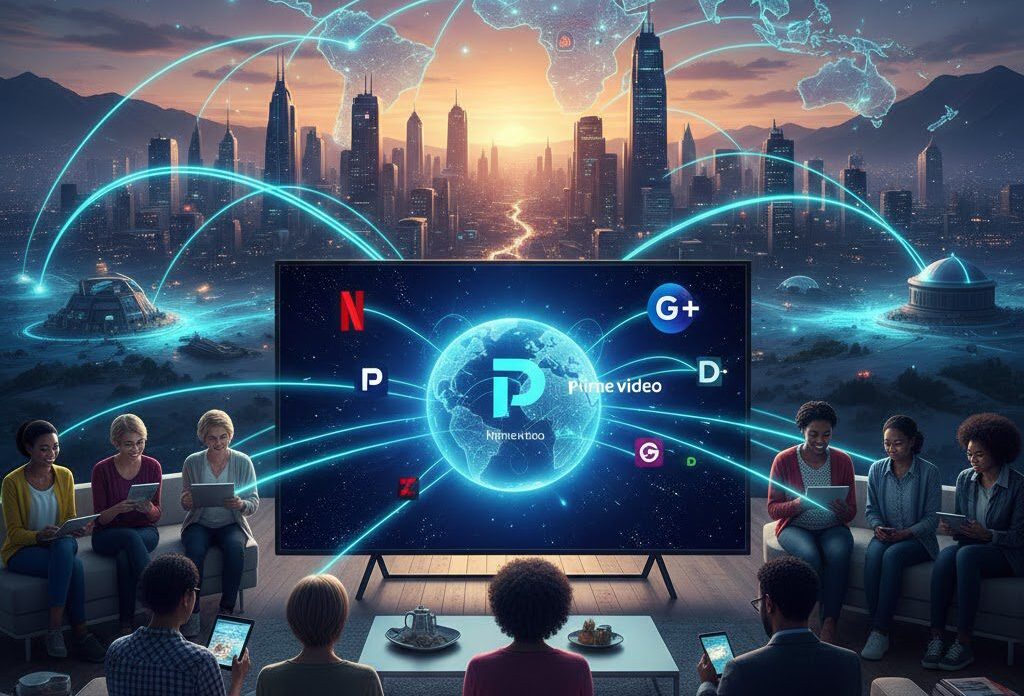
Streaming platform financing is the strategic allocation of capital by digital service providers to secure, produce, or co-license high-value content across global markets.
This involves identifying cross-border tax incentives, navigating regional co-production mandates, and aligning with specific platform mandates for original versus licensed IP.
According to Ampere Analysis and Vitrina intelligence, the global content market reached a critical transition in 2024, with major streamers shifting from “Walled Garden” exclusivity to a “Weaponized Distribution” model worth billions in licensing revenue.
In this guide, you’ll learn how to decode the evolving financing preferences of major streamers and leverage supply chain intelligence to identify the right partners 5x faster.
While traditional industry reports provide high-level spend figures, they often fail to address the granular, regional financing nuances that acquisition leads require to close complex international deals.
This comprehensive analysis fills those gaps by providing a data-driven framework—from mapping commissioning behavior to tracking real-time deals intelligence.
Table of Contents
Key Takeaways for Acquisition Leads
-
Data-Driven Sourcing: Leads using supply chain intelligence identify trending regional content with available rights 5x faster than manual tracking.
-
Exclusivity Shifts: The industry is moving from strict “Walled Gardens” to rotational window strategies, maximizing ARPU through multi-platform licensing.
-
Verified Due Diligence: Accessing structured profiles for 140,000+ distributors allows buyers to vet partners based on verifiable track records.
What is Streaming Platform Financing in the Global Market?
Streaming platform financing refers to the complex mechanisms through which SVOD, AVOD, and FAST platforms deploy capital to populate their libraries.
In a borderless market, this no longer just means outright buying; it involves pre-buys, equity stakes, and co-production financing designed to mitigate risk while ensuring content volume.
As the industry scales to over 600,000 companies, tracking who is financing what—and in which territory—has become the ultimate competitive advantage.
Discover which streamers are financing projects in your region:
How Do Financing Preferences Shift by Region?
Financing preferences are heavily influenced by regional regulations and tax landscapes. For example, Netflix’s global domination strategy invests heavily in local-language content—like “Squid Game” (South Korea) or “Money Heist” (Spain)—turning regional hits into international phenomena.
In markets like Brazil, streamers like SBT are transforming into digital powerhouses, requiring acquisition leads to understand specific licensing windows that differ from the North American standard.
Industry Expert Perspective: Media Finance in a Post-Streamer World
Matthew Helderman, CEO of BondIt Media Capital, discusses the structural shift in how capital is deployed across the supply chain as the “Streaming Wars” era evolves into a phase of financial consolidation.
BondIt Media Capital provides a unique look at how media financing fills the gap in reliable capital for content creators, moving away from traditional banking toward data-driven lending models that prioritize project health and distribution certainty.
The Era of Weaponized Distribution and Co-opetition
We have entered the age of “Weaponized Distribution,” a strategic pivot where premium content is licensed to rivals to maximize ROI. A landmark example is Netflix’s $72 billion acquisition of Warner Bros.’ studio assets, signaling the end of strict platform exclusivity. Concurrently, the “Frenemy Pact” between Amazon and Netflix shows how platforms now collaborate to maximize Average Revenue Per User (ARPU). For acquisition leads, this means the pool of available content—and the partners funding it—is more dynamic than ever.
Finding Co-production Partners with Data Intelligence
The “fragmentation paradox” means that while global production is connected, data is siloed. Vitrina AI solves this by mapping 1.6 million titles and 140,000+ companies. Whether it’s a Middle Eastern studio securing development talks with Legendary Pictures or a Korean animation house connecting with Netflix’s Adult Animation department, supply chain intelligence turns manual research into precision outreach. By tracking money movement through Deals Intelligence, strategy teams can identify acquisition targets 6 months before market announcements.
Analyze competitor content acquisition trends for 2025:
Frequently Asked Questions
Quick answers to streaming financing and acquisition queries.
What is “Weaponized Distribution” in streaming?
How can I find co-production partners in emerging markets?
Why is data-driven decision-making critical for acquisition?
Moving Forward
The streaming landscape has shifted from a race for volume to a race for efficiency. By understanding financing preferences through the lens of supply chain intelligence, acquisition leads can transform from reactive buyers into strategic market movers.
Whether you are an acquisition lead looking to find available regional content, or a strategy officer trying to identify the next M&A target, the data-powered signal provided by Vitrina AI is your competitive lighthouse.
Outlook: Over the next 12-18 months, platform collaboration will accelerate, turning “exclusive” windows into rotational assets across a borderless, data-driven supply chain.
“The industry’s metamorphosis from an opaque, relationship-driven ecosystem to a centralized, data-powered framework is driven by the strategic deficiencies of legacy methods that rely on fragmented data.”
About the Author
Created by Vitrina’s Strategic Content Team, specializing in global supply chain transformation and data-driven entertainment intelligence. Connect on Vitrina.