

 Companies
  Content
 Global Content Pulse (Webinars)

 Global Production Financing (Webinars)
  LeaderSpeak Podcast
  Latest Projects
 Global Trends
 About Projects Tracker
 About Vitrina
 Our Story
 Our Solutions 🔥
 Case Studies
 Our Profile
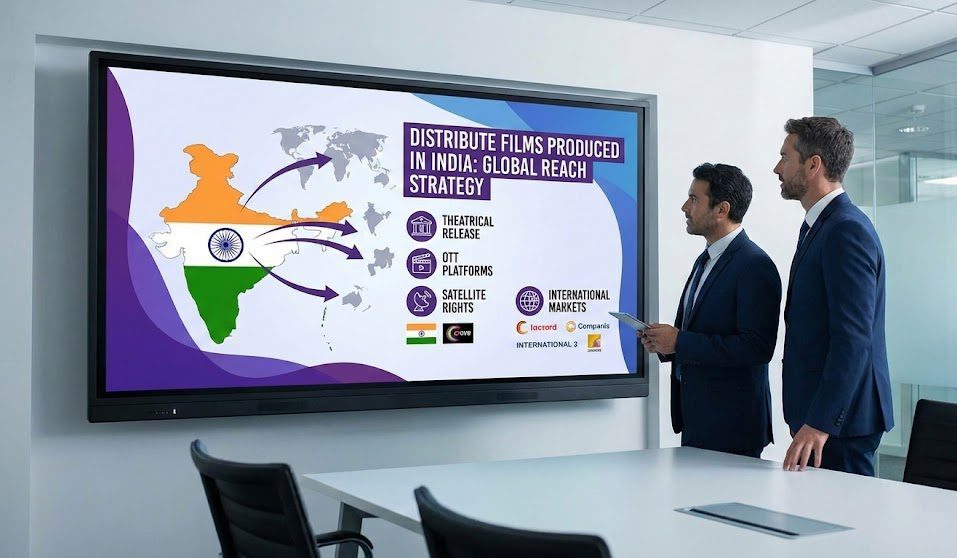
The leading online platforms to distribute films produced in India include global giants like Netflix and Amazon Prime Video, alongside hyper-local powerhouses such as Aha (Telugu), Hoichoi (Bengali), and Sun NXT.
Distributing in India requires a fragmented approach that balances massive SVOD reach with regional niche platforms to capture the country’s 700 million+ internet users.
Industry data indicates that while global platforms hold significant market share, regional OTT services are growing at twice the rate of national counterparts due to hyper-local demand.
In this guide, you will learn the operational frameworks for selecting platforms, navigating multi-language licensing, and utilizing supply chain intelligence to compress your distribution timeline.
While many resources offer simple lists, they often ignore the critical operational capabilities and cultural nuances required to succeed in India’s diverse linguistic landscape.
This comprehensive guide bridges that gap, providing a step-by-step approach to securing distribution deals that respect regional audience preferences.
Table of Contents
Key Takeaways for Producers
-
Regional Dominance: Local platforms like Hoichoi and Aha provide higher engagement for native-language content than generic global SVOD tiers.
-
Multi-Language Packaging: Dubbing and subtitling in Hindi, Tamil, and Telugu are non-negotiable for maximizing ROI across India’s disparate Tier-2 and Tier-3 markets.
-
Data-Driven Partnering: Leveraging supply chain intelligence platforms like Vitrina allows producers to identify buyers specifically active in regional genre acquisition.
What are the Leading Online Platforms to Distribute Films Produced in India?
The Indian film distribution market has transitioned from a centralized Bollywood-centric model to a highly fragmented digital ecosystem. Global giants like Netflix, Amazon Prime Video, and Disney+ Hotstar remain the primary targets for high-budget productions seeking a pan-India and international audience. However, for films produced in regional languages, the real opportunity lies in the burgeoning growth of specialized platforms.
These platforms have moved beyond simple content hosting to become aggressive commissioning entities. According to recent industry reports, India’s OTT market is expected to reach $7 billion by 2027, with a significant portion of this growth driven by Tier-2 and Tier-3 urban centers where regional relatability is the primary consumption driver.
Find vetted Indian distributors for your next project:
How Do Regional Platforms Outperform Global Giants for Local Content?
For independent filmmakers producing content in languages such as Telugu, Bengali, or Marathi, specialized platforms often offer better visibility and more favorable deal structures. Platforms like Aha have dominated the Telugu market by releasing new content every Friday, creating a habitual consumption pattern that global platforms struggle to replicate for niche audiences.
Similarly, Hoichoi has become the definitive home for Bengali cinema, leveraging the state’s rich literary heritage to produce prestige dramas. For South Indian producers, Sun NXT remains a powerhouse due to its integration with the Sun TV network, providing a cross-media distribution pipeline that maximizes both broadcast and digital revenue.
Industry Expert Perspective: Beyond Bollywood: Unpacking India’s Regional Film Markets
Naveen Chandra, CEO of 91 Film Studios, discusses the transition from media executive to filmmaker and explores the immense potential of India’s regional cinema market.
Regional markets in India are no longer “fringe” additions; they are the core engine of the country’s entertainment growth. Understanding the business dynamics of these organized capital funds for regional cinema is essential for modern distribution.
What are the Operational Capabilities and Demographics of Leading Platforms?
Succeeding on an Indian platform requires more than just high-quality production; it requires technical readiness for a mobile-first audience. In India, 77% of SVOD consumption happens on mobile devices, necessitating high-performance video compression and seamless UI experiences for lower-bandwidth regions.
Demographically, the primary OTT consumers in India are aged between 15 and 34. This “digital native” generation favors shorter release windows and interactive content. Platforms like SonyLIV and ZEE5 leverage these demographics by offering hybrid models—mixing free ad-supported content (AVOD) with premium subscription tiers (SVOD)—to cater to cost-conscious younger viewers.
Analyze regional content acquisition trends:
Step-by-Step: How to Get Your Film on Leading Indian Platforms
Navigating the path to a distribution deal in India requires a disciplined approach. Unlike the North American market where festivals often lead to deals, the Indian digital market is increasingly driven by direct outreach and sales agent negotiations.
1. Define Your Linguistic and Cultural Target
Before pitching, identify if your content is a “mass entertainer” suited for Pan-India Hindi/South platforms or a “cultural niche” suited for regional OTTs. Packaging your film with high-quality localized metadata in multiple dialects increases your “discoverability score.”
2. Secure an Aggregator or Sales Agent
Most leading platforms in India do not accept direct submissions from unrepresented filmmakers. Working with aggregators like Pocket Films or CineShorts Premiere can open doors to global platforms while protecting your royalty share.
3. Leverage Supply Chain Intelligence
Use data intelligence to identify which acquisition executives are currently “greenlighting” projects in your genre. Vitrina’s platform provides verified profiles of over 140,000 companies and mapping relationships to help you find the right decision-maker.
Identify active Indian commissioning editors:
The Legal and Marketing Guardrails for Indian Distribution
Legal compliance is a critical hurdle. Filmmakers must ensure their Chain of Title is watertight and that they possess all necessary music and footage licenses. In India, copyright registration and Errors & Omissions (E&O) insurance are often mandatory prerequisites for platforms like Disney+ Hotstar or JioCinema.
From a marketing perspective, the success of regional films depends heavily on social media influencers and localized digital PR. Since 88% of Indian respondents state they view a film for its storyline rather than its stars, marketing materials must emphasize the cultural authenticity and narrative depth of the project.
“The Indian market is shifting toward ‘Weaponized Distribution’—where regional content isn’t just a niche, it’s the primary currency. Platforms that ignore cultural nuance in their distribution strategy are leaving 60% of the potential audience on the table.”
Frequently Asked Questions
Quick answers to common queries about distributing films in the Indian market.
What are the top regional OTT platforms in India for 2025?
Can I submit my film directly to Netflix or Prime Video in India?
What legal documents are required for digital distribution in India?
How does Vitrina AI help in Indian film distribution?
Which is better: SVOD or AVOD for Indian audiences?
Is theatrical release necessary before digital distribution in India?
What is the role of an aggregator in Indian OTT distribution?
How do multi-language preferences impact film distribution in India?
Moving Forward
The Indian film distribution landscape has moved from a relationship-driven art to a data-powered science. By addressing the gaps in regional audience insights and operational capabilities, independent filmmakers can now compress months of research into strategic outreach.
Whether you are an independent producer looking to secure your first regional deal, or a distribution lead trying to expand into multi-language markets, the unified solution lies in actionable intelligence.
Outlook: Over the next 18 months, the Indian M&E sector is poised to expand as regional hubs become global content production centers, fueled by strategic AI investment and resilient supply chains.
About the Author
Entertainment Supply Chain Content Architect specializing in data-driven distribution strategies for Indian and Southeast Asian markets. Connect with the global supply chain at Vitrina.