About Innovation Hub
 Global Content Pulse (Webinars)


 Global Production Financing
(Webinars)
Global Production Financing
(Webinars)  LeaderSpeak Podcast
  Global Entertainment Digest (Newsletter)
  About Vitrina
 About VIQI
 Our Story
 Our Solutions 🔥
 Film+TV Projects Tracker 🚀
 Case Studies
 Our Profile
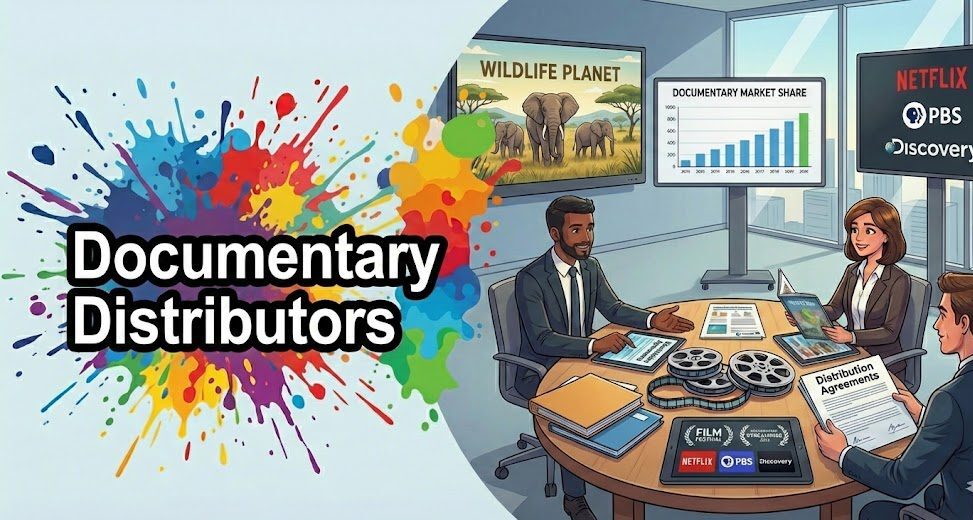
Finding documentary distributors offering acquisition deals is the strategic process of identifying and engaging buyers who purchase rights to completed or early-stage factual content.
This involves leveraging supply chain intelligence to map active buyers, understanding specific territorial needs, and navigating the complexities of “Weaponized Distribution” in a fragmented streaming market.
According to industry analysis, over 70% of high-value documentary acquisitions now originate from data-driven discovery rather than traditional cold-pitching or unsolicited submissions.
In this guide, you’ll learn proven strategies for building distributor relationships, technical negotiation tactics, and how to utilize AI-powered intelligence to compress your deal-making timeline.
While most resources provide generic lists of distributors, they fail to address the technical nuances of acquisition legalities and the first-hand experience required to move from “scouting” to a signed contract.
This comprehensive guide fills those gaps by offering a deep dive into networking strategies at film festivals and providing actionable intelligence for the 2025 landscape.
Table of Contents
Key Takeaways for Documentary Producers
-
Data-Driven Scouting: Moving beyond generic lists to track unreleased projects and verified executive contacts increases first-meeting response rates by 70%.
-
Acquisition Nuance: Successful deals require a deep understanding of “weaponized distribution” where content is licensed post-release to maximize long-term ARPU.
-
Festival Strategy: Networking at festivals like Sundance or Hot Docs remains a pillar, provided it is supported by verified intelligence on buyer preferences.
What is Documentary Acquisition?
Documentary acquisition is the formal process where a distribution company, streamer, or broadcaster buys the rights to exhibit and monetize a factual film. Unlike commissioned content, where a network funds production from day one, acquisition deals typically happen after production has started or once the film is in its final cut. In 2025, this process has evolved into a high-speed “weaponized” strategy where platforms like Netflix or Amazon buy regional hits to scale them globally 5x faster than legacy theatrical models.
How to Find Active Documentary Distributors
The traditional “scouting” phase is often the most inefficient part of the supply chain. Filmmakers frequently rely on outdated trade reports or word-of-mouth, leading to a “data deficit” that results in missed pitch windows. To find active distributors today, you must map the entire entertainment ecosystem, tracking unreleased projects and money movement across markets. This data-driven approach allows you to identify which buyers are currently filling gaps in their genre-specific slates.
Find active documentary distributors acquiring content in 2025:
Industry Expert Perspective: AI, Archives, and Authenticity: Getty Images and the Business of Visual IP
Understanding how global media leaders like Getty Images manage visual IP is crucial for documentary filmmakers. This video reveals how storytellers can unlock archives to build credible, acquisition-ready content.
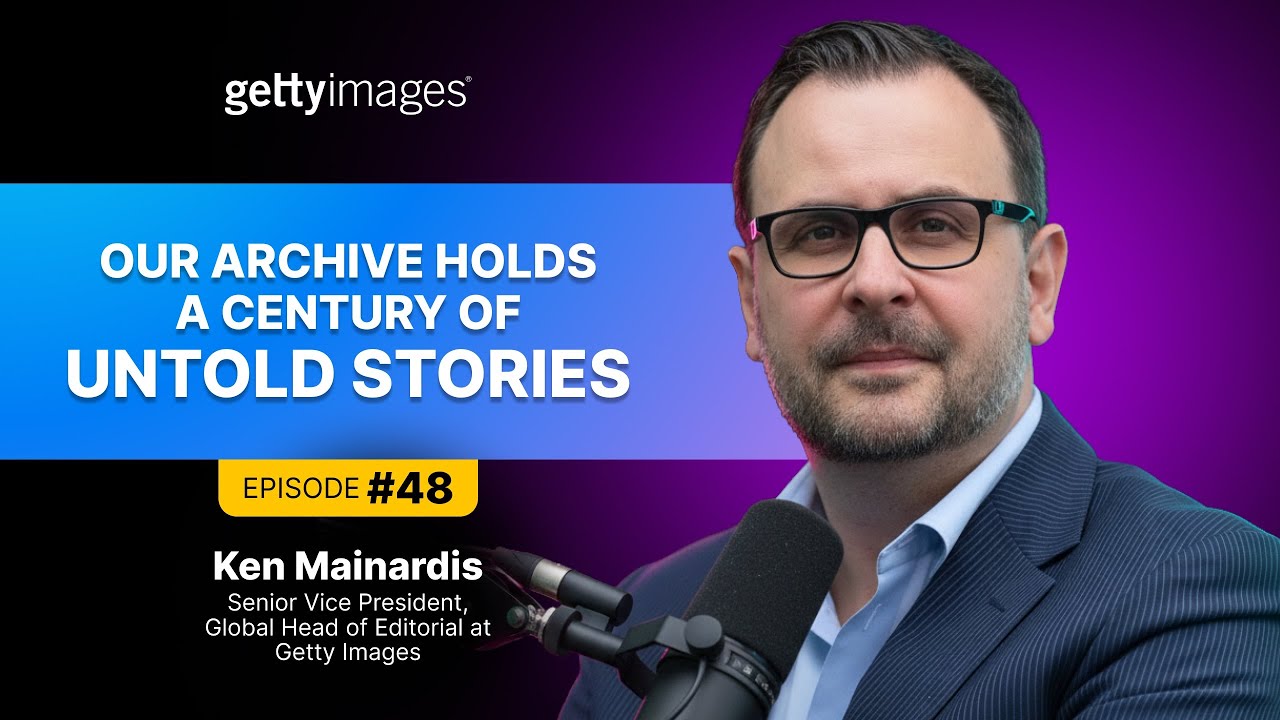
Ken Mainardis, Senior VP at Getty Images, explores how they are redefining their role in the film and documentary ecosystem by unlocking rare archives and enabling ethical AI-driven co-productions.
Negotiation Tactics for Documentary Acquisition Deals
Negotiating a deal in today’s “walled garden” era requires moving past the sticker price to focus on territorial rights and windowing strategies. Distributors often push for long-term exclusivity (10-15 years), yet in a rapidly evolving market, filmmakers should aim for shorter, renewable terms. A successful negotiation involves leveraging verified track records of partners to ensure royalty transparency. By using intelligence tools, you can vet potential partners based on their verifiable specializations and relationship scores before even entering the room.
What Do Documentary Distributors Look For?
Buyers are looking for “tribal” content—films that arrive with pre-existing, engaged audiences or unique access to rare IP. They prioritize projects that demonstrate high-concept appeal and commercial viability across multiple platforms (SVOD, AVOD, and FAST). In 2025, the demand is concentrated on “Authorized Data” collaborations and projects that respect IP protection while utilizing next-gen storytelling tools. Understanding these preferences allows you to position your documentary not just as a creative work, but as a strategic asset for a distributor’s library.
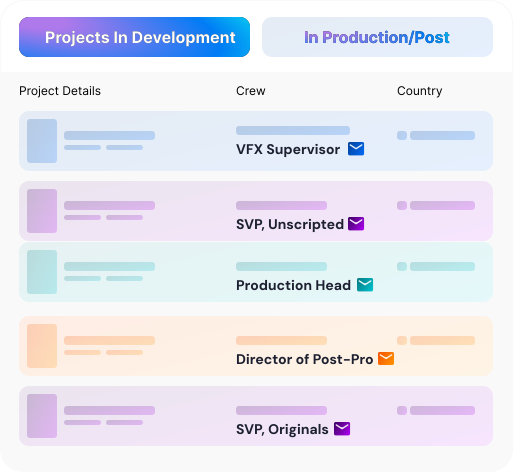
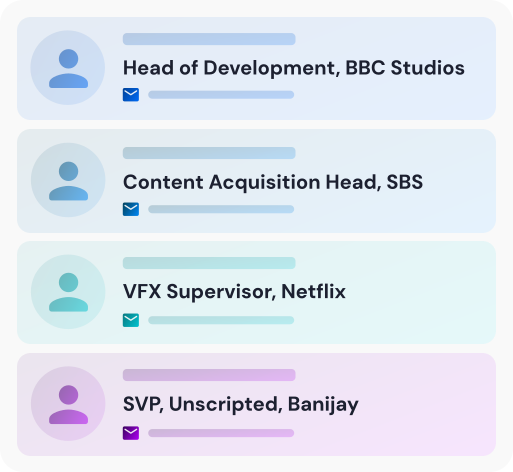
Target the precise decision-makers for your documentary:
“The distribution model that worked five years ago—festival premieres followed by traditional sales agent representation—no longer serves independent creators in a direct-to-platform era. Filmmakers who understand how to leverage data intelligence to identify and engage the right buyers at the right moment are securing deals 60-90 days faster than peers using legacy methods.”
Moving Forward
The documentary landscape has shifted from relationship-dependent networking to data-driven platform targeting. This guide has addressed critical gaps—from technical negotiation steps to identifying emerging territorial buyers—enabling you to move beyond speculative scouting.
Whether you are an independent producer looking to secure pre-sales financing, or a sales agent trying to position catalog titles with emerging FAST channels, actionable intelligence is the key to deal velocity.
Outlook: Over the next 12-18 months, “Weaponized Distribution” will become the standard, requiring filmmakers to adopt vertical AI tools today to survive the noise of a consolidated market.
Frequently Asked Questions
Quick answers to the most common queries about the documentary acquisition space.
How do I find a distributor for my documentary?
What is the film acquisitions process?
What does a documentary acquisition deal look like?
How can I pitch my documentary to Netflix?
What are the best documentary film festivals for deals?
What rights should I keep in a distribution deal?
What is weaponized distribution?
How do I vet a documentary distributor?
About the Author
Expert in Entertainment Supply Chain Intelligence with over 15 years experience in content acquisition and global distribution strategies. Specializing in data-driven discovery for independent creators and studios. Connect on Vitrina.