About Innovation Hub
 Global Content Pulse (Webinars)


 Global Production Financing
(Webinars)
Global Production Financing
(Webinars)  LeaderSpeak Podcast
  About Vitrina
 Our Story
 Our Solutions 🔥
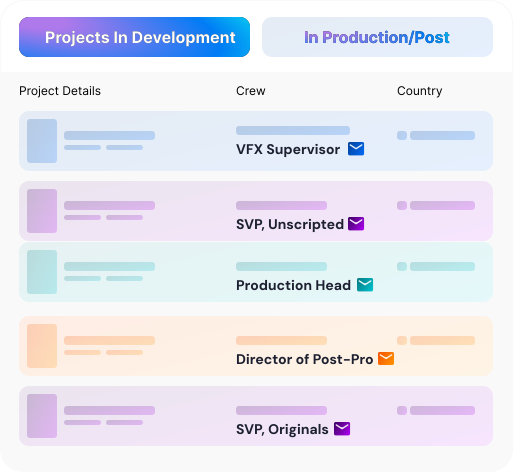
 Film+TV Projects Tracker 🚀
 Case Studies
 Our Profile

The best platforms for acquiring independent films online in 2025 include curated VOD services like Mubi, high-reach aggregators like Filmhub, and data-driven intelligence platforms like Vitrina AI.
Successful acquisition involves moving beyond broad listicles to evaluate specific technical features, monetization models (SVOD, AVOD, TVOD), and verified supply chain data.
According to industry reports, the global film distribution market is projected to reach $99.69 billion by late 2025, driven largely by niche streaming services and automated licensing.
In this guide, you’ll learn how to navigate the “Streaming Mirage,” identify high-ROI regional titles, and leverage vertical AI to compress months of research into hours.
While traditional resources provide broad overviews of platforms like Vimeo OTT or Uscreen, they often fail to address the practical implications of revenue potential or provide first-hand case studies required for executive decision-making.
This comprehensive guide fills those gaps by combining in-depth technical analysis with real-world distribution strategies tailored for the modern entertainment supply chain.
Table of Contents
- 01The 2025 Landscape: Beyond the “Streaming Mirage”
- 02Best Platforms for Independent Film Acquisition
- 03How to Evaluate ROI in Digital Distribution
- 04Targeting Emerging FAST and Niche Channels
- 05Using Supply Chain Intel for Global Sourcing
- 06Case Study: Sustainable Financing Strategies
- 07Key Takeaways for Professionals
- 08Frequently Asked Questions
- 09Moving Forward
Key Takeaways for Acquisition Leads
-
Data Over Instinct: Modern acquisition teams use supply chain intelligence to identify regional content 5x faster than manual sourcing methods.
-
Niche Channel Growth: Targeting emerging FAST channels often provides better revenue splits and audience engagement than major, saturated streaming platforms.
-
Early Engagement: Tracking unreleased projects in the “In-Development” stage allows buyers to secure rights before competitive bidding starts at festivals.
-
ROI Verification: Using Content Efficiency Scores (CES) helps quantify the value of individual films by comparing licensing costs to actual viewership metrics.
The 2025 Landscape: Beyond the “Streaming Mirage”
The independent film market in 2025 is defined by a strategic shift from growth-at-all-costs to profitability-focused acquisition. Major streamers have transitioned from “growth engines” to selective buyers, favoring original productions over volume-based independent pickups. This “Streaming Mirage” has left many filmmakers struggling with generic outreach strategies that yield sub-5% response rates.
However, the data suggests a renaissance for those who target correctly. Independent films’ portion of the global box office sits at roughly 18.5%, but niche platforms are filling the gap left by the majors. Success in this landscape requires moving beyond “gut instinct” to leverage verifiable supply chain data that identifies active buyers in specific territories and genres.
Analyze recent content acquisition trends for your genre:
What are the Best Platforms for Acquiring Independent Films?
For acquisition leads, the “best” platform depends on target demographics and ROI goals. Curated platforms like Mubi focus on art-house and international cinema, offering high prestige but selective entry. In contrast, Filmhub acts as a powerful aggregator, providing access to hundreds of niche VOD services without upfront costs, making it ideal for high-volume content sourcing.
1. Leverage Aggregators for Scale
Traditional manual research across fragmented databases costs weeks of time. Platforms like Filmhub track unreleased projects across 100+ countries, allowing buyers to identify content before it reaches the “saturated” festival circuit.
Persona Application: Acquisition leads use aggregators to build volume slates, while independent producers use them to bypass traditional sales agents who may demand high upfront fees.
2. Target Niche Curated Services
Services like IndieFlix and Mubi offer ad-free environments for dedicated cinephiles. These platforms often provide more favorable royalty models and longer “tail” revenue for titles that resonate with specific cultural niches.
Real-World Signal: According to Vitrina user data, films targeting niche cultural segments on curated VODs see 20% higher title completion rates than generic mass-market releases.
Industry Expert Perspective: Goldfinch’s Strategy for Financial Sustainability
Kirsty Bell discusses how the industry must bridge art and enterprise through disciplined business models. This video is crucial for understanding how to leverage diverse revenue streams—from brand integration to global creative economies—addressing the market gap for practical financial guidance.
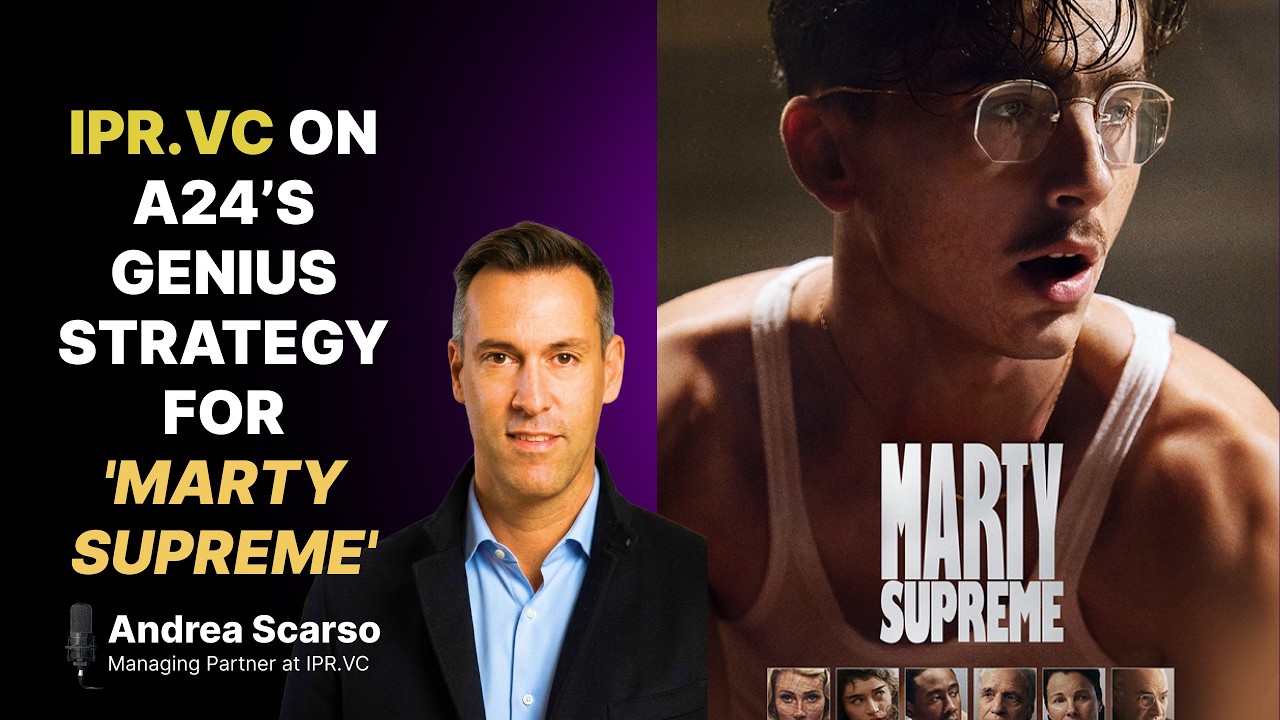
Kirsty Bell explores the journey of transforming independent film through creative financing and global creative economies. Her framework focuses on financial sustainability over purely artistic speculation, a key need for filmmakers in today’s capital-strained environment.
How to Evaluate ROI in Digital Distribution?
ROI in independent film is no longer just about box office numbers. In 2025, it is calculated by dividing total earnings (across SVOD, AVOD, and international licensing) by the production and marketing budget. However, the rise of digital mediums has introduced the Content Efficiency Score (CES)—a metric that compares licensing costs to the value generated in watch hours.
Strategy teams use CES to identify which genres—such as low-cost, high-concept horror or documentaries—consistently outperform their licensing fees. By targeting titles with a Title Completion Rate (TCR) above 60%, platforms ensure that content resonates deeply, reducing subscriber churn and maximizing customer lifetime value.
Why Acquisition Leads Rely on Supply Chain Intelligence
Traditional sourcing relies on manual networking, but supply chain intelligence platforms like Vitrina AI industrialize “insider information.” Vitrina tracks over 1.6 million titles and 140,000+ companies, providing real-time visibility into the worldwide production pipeline. This allows acquisition teams to discover co-production partners and available rights in regional markets 5x faster than manual methods.
Discover trending content with available rights:
Case Study: Bridging Art and Enterprise in Indie Film
Situation: Independent filmmakers often focus purely on the creative, ignoring the “supply chain” realities of distribution. Kirsty Bell, CEO of Goldfinch, identified that traditional pre-sales models were collapsing due to the digital revolution.
Solution: Goldfinch adopted a disciplined business model focusing on diverse revenue streams, including vertical series and brand integration. By leveraging global creative economies in the Middle East and Africa, they secured financing that bypasses the saturated Hollywood gates.
Result: This data-driven approach allowed Goldfinch to maintain financial sustainability while fostering innovation. Independent producers using similar supply chain intelligence secure deals 60-90 days faster by identifying active buyers who match their genre’s specific audience profile.
“The distribution model that worked five years ago—festival premieres followed by traditional sales agent representation—no longer serves independent creators in a direct-to-platform era. Data intelligence is the new agent.”
Frequently Asked Questions
Quick answers to the most common queries about independent film acquisition.
What are the best platforms for filmmakers to self-distribute?
How does VOD monetization work for indies?
What is a Content Efficiency Score (CES)?
Should filmmakers use aggregators?
Are major streamers still buying indie films?
How can I find active distributors?
Is theatrical release still viable for indies?
How does Vitrina AI help acquisition leads?
Moving Forward
The independent film landscape has shifted from relationship-dependent networking to data-driven platform targeting. This transformation addresses the critical gaps of accessible resources and emerging platform coverage. By leveraging supply chain intelligence, professionals can now compress months of manual research into strategic, targeted outreach that yields results.
Whether you are an acquisition lead looking to discover trending regional content, or a filmmaker trying to secure sustainable financing, the principle remains: actionable intelligence drives deal velocity.
Outlook: Over the next 12-18 months, platform fragmentation will accelerate, creating more niche opportunities for creators who adopt data-driven discovery tools now to position themselves ahead of the competition.
About the Author
Entertainment supply chain specialist with over 15 years of experience in content acquisition and digital distribution. Formerly at a major Hollywood studio, they now help independent creators leverage data to secure global deals. Connect on Vitrina.