

 Companies
  Content
 Global Production Financing Webinar

 Global Content Pulse
  LeaderSpeak Podcast
  Latest Projects
 Global Trends
 About Projects Tracker
 About Vitrina
 Our Story
 Our Solutions 🔥
 Case Studies
 Our Profile
Above-the-Line vs. Below-the-Line Deals: The Studio Production Services Model

Author: vitrina
Published: December 6, 2025
Hardik, article writer passionate about the entertainment supply chain—from production to distribution—crafting insightful, engaging content on logistics, trends, and strategy
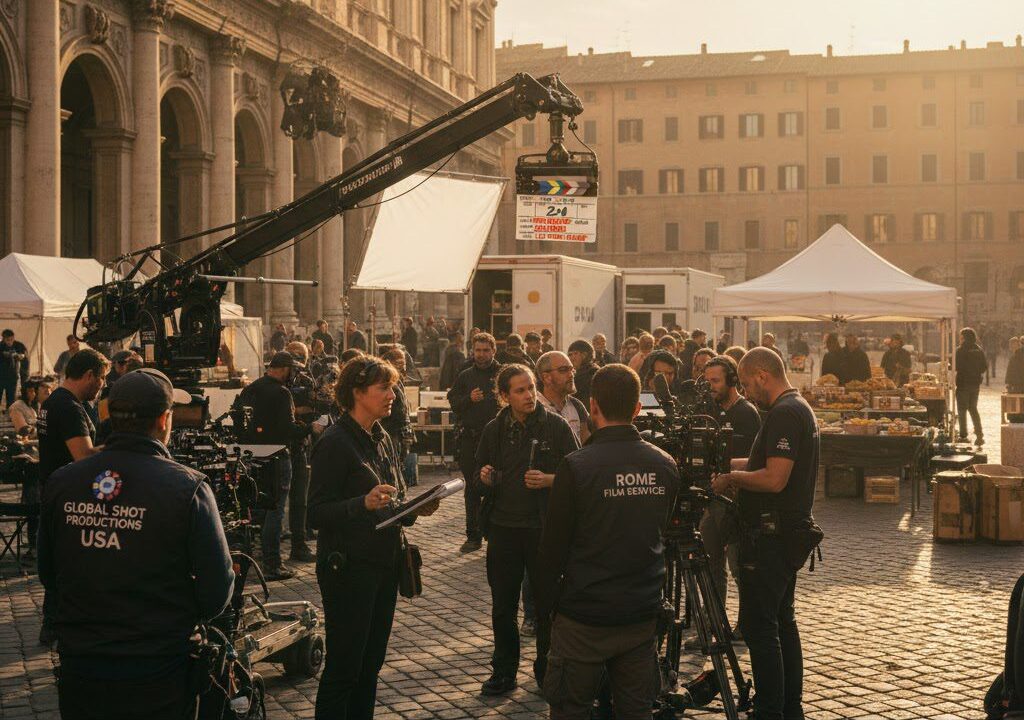
This comprehensive guide examines the distinction between above-the-line and below-the-line deals within the studio production services model, analyzing how major studios structure talent agreements, production partnerships, and service arrangements. The information is gathered from Vitrina’s extensive database of studio production deals, talent agreements, and service provider relationships across major entertainment companies. We’ve analyzed deal structures, compensation models, and industry trends to provide strategic insights for talent, producers, and service providers navigating the evolving studio system.
Studio Production Services Landscape
Major Studio Production Service Providers
Universal Pictures (USA)
- AAA+ reputation with comprehensive production services
- Service offerings: Sound stages, post-production facilities, equipment rental, crew services
- Above-the-line relationships: First-look deals with A-list talent and producers
- Below-the-line infrastructure: Full-service production facilities and technical support
- Recent activity: Multiple production deals combining creative partnerships with service agreements
Warner Bros. Studios (USA)
- AAA+ reputation with integrated production ecosystem
- Facility services: Burbank lot, international production facilities, streaming infrastructure
- Talent partnerships: Exclusive deals with directors, producers, and showrunners
- Technical services: Post-production, VFX, sound mixing, and digital distribution
- Service model: Comprehensive production-to-distribution pipeline
Sony Pictures Studios (USA)
- AAA+ reputation with diversified service portfolio
- Production services: Stage rental, equipment, crew, and technical facilities
- Creative partnerships: Above-the-line deals with established filmmakers
- Technology integration: Advanced digital production and post-production capabilities
- International reach: Global production service network
Studio Service Model Evolution
Traditional Studio System Historical approach to above/below-the-line distinctions:
- Exclusive talent contracts: Long-term above-the-line agreements with major stars
- In-house production: Studios owning all below-the-line services and infrastructure
- Vertical integration: Complete control from development through distribution
- Profit participation: Limited to major above-the-line talent
Modern Production Services Model Contemporary approach emphasizing flexibility and partnerships:
- Project-based agreements: Deal-specific above-the-line arrangements
- Service provider network: Mix of owned and contracted below-the-line services
- Co-production partnerships: Shared above-the-line creative control
- Expanded profit participation: Broader revenue sharing across talent levels
Service Categories and Classifications
Above-the-Line Services Creative and executive functions typically including:
- Development services: Script development, creative consultation, project packaging
- Executive production: Creative oversight, talent attachment, financing coordination
- Talent representation: Actor, director, and writer management and packaging
- Creative consulting: Story development, franchise planning, brand management
Below-the-Line Services Technical and production support including:
- Physical production: Stage rental, equipment, crew, location services
- Post-production: Editing, sound, VFX, color correction, finishing
- Distribution services: Marketing, theatrical release, digital distribution
- Administrative support: Accounting, legal, insurance, compliance
Above-the-Line Deal Structures & Talent Agreements
Creative Talent Compensation Models
Director Agreements Above-the-line director deals typically structure compensation through:
- Upfront fees: $500K-$20M+ depending on experience and project scale
- Backend participation: 5-15% of net profits or adjusted gross receipts
- Creative control: Final cut rights, casting approval, key crew selection
- Development deals: Multi-year first-look or exclusive arrangements
Producer Compensation Above-the-line producer agreements include:
- Producer fees: $250K-$10M+ for established producers on major projects
- Profit participation: 2.5-10% of net profits, sometimes with gross participation
- Overhead deals: Studio-funded production companies with discretionary budgets
- Development funding: Script and project development financing
Writer Compensation Above-the-line writing agreements encompass:
- Script fees: $100K-$5M+ for original screenplays or adaptations
- Rewrite compensation: Additional payments for script revisions and polishes
- Profit participation: 2.5-5% of net profits for original material
- Overall deals: Multi-year exclusive agreements with guaranteed compensation
Talent Partnership Models
First-Look Deals Studios provide development funding in exchange for project priority:
- Development budgets: $1M-$10M+ annually for project development
- Overhead coverage: Office space, assistant, and administrative support
- Project commitment: Studio right of first refusal on developed projects
- Profit sharing: Enhanced backend participation for developed projects
Exclusive Overall Deals Comprehensive talent partnerships with studios:
- Guaranteed compensation: $5M-$50M+ multi-year agreements
- Production commitments: Minimum number of projects per contract period
- Creative autonomy: Significant creative control within studio framework
- Profit participation: Substantial backend participation and ownership rights
Output Deals Long-term content supply agreements:
- Volume commitments: Specific number of projects over contract term
- Budget parameters: Agreed-upon budget ranges for different project types
- Creative approval: Collaborative development and greenlight processes
- Revenue sharing: Negotiated profit participation across all delivered content
Above-the-Line Profit Participation
Net Profit Participation Traditional backend compensation structure:
- Definition complexity: “Hollywood accounting” reducing actual payouts
- Participation percentages: 2.5-15% depending on talent level and negotiation
- Recoupment priorities: Distribution fees, marketing costs, and interest charges
- Audit rights: Talent ability to verify studio accounting and calculations
Gross Participation Premium talent compensation model:
- Adjusted gross receipts: Participation in revenues after limited deductions
- First-dollar gross: Immediate participation from initial revenue
- Percentage ranges: 5-25% for A-list talent on major projects
- Negotiation leverage: Reserved for established stars and proven filmmakers
Below-the-Line Service Models & Production Infrastructure
Technical Service Categories
Physical Production Services Studios provide comprehensive below-the-line production support:
- Stage rental: $10K-$100K+ per week depending on stage size and amenities
- Equipment packages: Camera, lighting, grip, and electrical equipment rental
- Crew services: Department heads, technicians, and support staff
- Location services: Scouting, permits, and location management
Post-Production Services Comprehensive finishing and delivery services:
Technical Service Categories (continued)
Post-Production Services Comprehensive finishing and delivery services:
- Editorial services: $5K-$50K+ per week for editing suites and editors
- Sound services: Mixing, ADR, foley, and music recording facilities
- Visual effects: In-house VFX departments or preferred vendor relationships
- Color correction: Digital intermediate and finishing services
- Delivery: Master creation, format conversion, and distribution preparation
Distribution and Marketing Services Below-the-line support for content release:
- Marketing production: Trailers, TV spots, digital assets, and promotional materials
- Theatrical distribution: Print distribution, exhibitor relations, and release coordination
- Digital distribution: Streaming platform delivery and technical specifications
- International sales: Territory licensing and foreign market coordination
Service Pricing Models
Fixed Fee Structures Predictable below-the-line cost models:
- Package deals: Comprehensive service bundles at negotiated rates
- Weekly/daily rates: Time-based pricing for equipment and facility rental
- Project-based pricing: Fixed costs for specific deliverables and services
- Volume discounts: Reduced rates for long-term or multi-project agreements
Cost-Plus Models Transparent pricing with markup structures:
- Direct costs plus markup: Actual expenses plus 10-25% service fee
- Administrative overhead: Fixed percentage for management and coordination
- Pass-through expenses: Third-party costs billed at actual rates
- Profit margins: Negotiated markup percentages for different service categories
Studio Infrastructure Advantages
Economies of Scale Major studios leverage size for cost efficiency:
- Bulk purchasing: Equipment and service contracts at reduced rates
- Shared resources: Multiple productions utilizing common infrastructure
- Specialized expertise: In-house departments with deep technical knowledge
- Vendor relationships: Preferred pricing from established service providers
Quality Control Studio oversight ensuring production standards:
- Technical specifications: Consistent quality across all service categories
- Workflow optimization: Streamlined processes from production through delivery
- Problem resolution: Dedicated support for technical and logistical issues
- Delivery guarantees: Studio backing for on-time, on-spec completion
Independent Service Provider Competition
Boutique Specialists Specialized below-the-line service providers:
- Niche expertise: Specialized services like VFX, sound design, or color correction
- Competitive pricing: Lower overhead allowing for reduced service rates
- Flexibility: Customized service packages for specific project needs
- Innovation: Cutting-edge technology and creative approaches
Regional Production Centers Local alternatives to major studio facilities:
- Cost advantages: Lower labor and facility costs in non-Hollywood markets
- Tax incentives: Government rebates and credits for local production
- Cultural authenticity: Local expertise for region-specific productions
- Emerging markets: Growing capabilities in international production centers
Hybrid Models & Emerging Deal Structures
Creative-Service Hybrid Arrangements
Producer-Service Partnerships Emerging models blending above and below-the-line elements:
- Production company services: Producers providing both creative oversight and production infrastructure
- Facility partnerships: Creative talent with ownership stakes in production facilities
- Technology integration: Above-the-line talent investing in below-the-line innovation
- Profit sharing: Revenue participation across both creative and service components
Talent-Driven Production Companies Stars and filmmakers expanding into service provision:
- Vertical integration: Talent controlling production infrastructure and services
- Cost control: Direct ownership reducing below-the-line expenses
- Quality assurance: Creative talent ensuring service standards meet artistic vision
- Revenue optimization: Capturing both above and below-the-line profit margins
Technology-Driven Model Evolution
Virtual Production Services New technology creating hybrid service categories:
- LED volume stages: High-tech facilities requiring specialized expertise and significant investment
- Real-time rendering: Technology services bridging traditional above/below-the-line distinctions
- AI-assisted production: Automated services affecting both creative and technical workflows
- Remote collaboration: Cloud-based services enabling distributed production models
Streaming Platform Integration Platforms developing comprehensive production service models:
- Netflix Studios: Integrated above-the-line talent deals with below-the-line production services
- Amazon Studios: Leveraging AWS infrastructure for production and distribution services
- Disney+ production: Combining creative development with technical service provision
- Apple Studios: Premium service model with high-end facility and talent integration
Revenue Sharing Innovations
Profit Pool Participation New models expanding traditional profit participation:
- Service provider equity: Below-the-line vendors receiving profit participation
- Technology licensing: Equipment and software providers sharing in content success
- Facility partnerships: Production facilities receiving backend participation
- Crew profit sharing: Key below-the-line talent receiving revenue participation
Performance-Based Pricing Service costs tied to content performance:
- Success bonuses: Additional payments for below-the-line services on successful projects
- Revenue sharing: Service providers participating in content monetization
- Efficiency incentives: Cost savings shared between producers and service providers
- Quality bonuses: Premium payments for exceptional service delivery
International Co-Production Models
Cross-Border Service Integration Global production requiring hybrid deal structures:
- Multi-territory services: Service providers operating across international boundaries
- Currency hedging: Financial structures protecting against exchange rate fluctuations
- Regulatory compliance: Service agreements accommodating different national requirements
- Tax optimization: Structuring deals to maximize international incentive benefits
Cultural Integration Requirements International productions blending creative and service elements:
- Local content requirements: Regulatory mandates affecting above and below-the-line hiring
- Cultural consultation: Service providers offering cultural expertise and authenticity
- Language services: Technical services including translation, dubbing, and localization
- Government relations: Service providers managing regulatory and incentive compliance
Strategic Implications & Industry Evolution
Market Consolidation Impact
Studio Service Dominance Major studios strengthening their service provider positions:
- Facility expansion: Studios investing in state-of-the-art production infrastructure
- Technology leadership: Advanced capabilities creating competitive advantages
- Talent integration: Exclusive above-the-line deals driving below-the-line service demand
- Market share growth: Studios capturing increasing percentage of production services market
Independent Service Challenges Smaller providers facing competitive pressures:
- Scale disadvantages: Difficulty competing with studio economies of scale
- Technology investment: High costs for cutting-edge equipment and facilities
- Talent relationships: Studios leveraging above-the-line deals to secure service business
- Consolidation pressure: Independent providers seeking merger or acquisition opportunities
Talent Strategy Evolution
Creative Control Expansion Above-the-line talent seeking greater production control:
- Service ownership: Talent investing in production facilities and equipment
- Vertical integration: Controlling both creative and technical aspects of production
- Cost management: Direct oversight of below-the-line expenses and quality
- Profit optimization: Capturing revenue from both creative and service components
New Talent Categories Emerging roles blending above and below-the-line functions:
- Technical directors: Creative roles requiring specialized technical expertise
- Virtual production supervisors: Hybrid positions combining artistic and technical skills
- Content technologists: Roles bridging creative vision and technical implementation
- Producer-engineers: Positions requiring both creative and technical production knowledge
Future Industry Structure
Platform Integration Streaming services developing comprehensive production ecosystems:
- End-to-end control: Platforms managing from development through distribution
- Global coordination: International production services coordinated across territories
- Technology standardization: Platforms establishing technical specifications and workflows
- Talent exclusivity: Long-term above-the-line deals driving service utilization
Regulatory Considerations Government policies affecting above/below-the-line distinctions:
- Labor classifications: Union rules and regulations defining work categories
- Tax incentive structures: Government programs favoring certain types of deals and arrangements
- International trade: Treaties and agreements affecting cross-border production services
- Antitrust concerns: Regulatory scrutiny of studio vertical integration and market dominance
Strategic Recommendations (continued)
For Service Providers
- Specialization focus: Developing niche expertise in high-demand technical areas
- Technology leadership: Investing in cutting-edge equipment and innovative production methods
- Partnership strategies: Forming alliances with studios and talent for integrated service delivery
- Geographic expansion: Establishing presence in emerging production markets with competitive advantages
For Studios
- Service integration: Balancing owned infrastructure with strategic vendor partnerships
- Talent retention: Structuring above-the-line deals that drive below-the-line service utilization
- Technology investment: Maintaining competitive advantage through facility and equipment upgrades
- Market expansion: Leveraging service capabilities to attract international productions and partnerships
For Producers
- Cost optimization: Understanding true costs of studio vs. independent service providers
- Quality assurance: Balancing cost savings with production quality and delivery requirements
- Relationship management: Building networks across both above and below-the-line service categories
- Deal structuring: Negotiating agreements that optimize both creative control and financial returns
Industry Transformation Predictions
Technology-Driven Changes
- AI integration: Automated services affecting both creative and technical production roles
- Virtual production expansion: LED volumes and real-time rendering becoming standard practice
- Cloud-based workflows: Remote collaboration changing traditional studio facility requirements
- Blockchain applications: Smart contracts and transparent accounting affecting profit participation
Market Structure Evolution
- Platform dominance: Streaming services controlling increasing share of production and distribution
- Global standardization: International production standards and practices becoming more uniform
- Hybrid deal structures: Blending of above and below-the-line elements becoming more common
- Regulatory adaptation: Government policies evolving to address new production models and technologies
Conclusion
The distinction between above-the-line and below-the-line deals in the studio production services model continues to evolve as technology, market consolidation, and changing business models blur traditional boundaries. While above-the-line talent maintains creative control and profit participation, below-the-line service providers are increasingly seeking equity participation and revenue sharing arrangements.
Studios are leveraging their comprehensive service capabilities to attract and retain above-the-line talent through integrated deals that combine creative partnerships with production infrastructure. This vertical integration creates competitive advantages but also raises questions about market concentration and independent service provider viability.
Success in this evolving landscape requires understanding how traditional above/below-the-line distinctions are adapting to new technologies, business models, and market structures while maintaining focus on creative excellence and financial optimization across all aspects of production.
Frequently Asked Questions
Above-the-line talent typically receives 2.5-15% net profit participation (or 5-25% gross for A-list talent), while below-the-line service providers traditionally receive fixed fees, though emerging models are introducing profit sharing for key technical contributors.
Studios leverage comprehensive production infrastructure, state-of-the-art facilities, and integrated services to offer above-the-line talent seamless production experiences, often bundling creative deals with preferred access to premium below-the-line services.
Hybrid models include talent-owned production facilities, technology-driven creative services, performance-based service pricing, and profit participation for key below-the-line contributors, particularly in specialized areas like virtual production and VFX.
Streaming platforms often integrate both elements through comprehensive production deals that combine above-the-line talent agreements with below-the-line service provision, leveraging their technology infrastructure and global distribution capabilities.