

 Companies
  Content
 Global Production Financing Webinar

 Media Titans Webinar
  LeaderSpeak Podcast
  Latest Projects
 Global Trends
 About Projects Tracker
 About Vitrina
 Our Story
 Our Solutions 🔥
 Case Studies
 Our Profile
How Netflix’s Financing Model Changed the Industry: A Complete Guide to Streaming Revolution

Author: vitrina
Published: December 1, 2025
Hardik, article writer passionate about the entertainment supply chain—from production to distribution—crafting insightful, engaging content on logistics, trends, and strategy
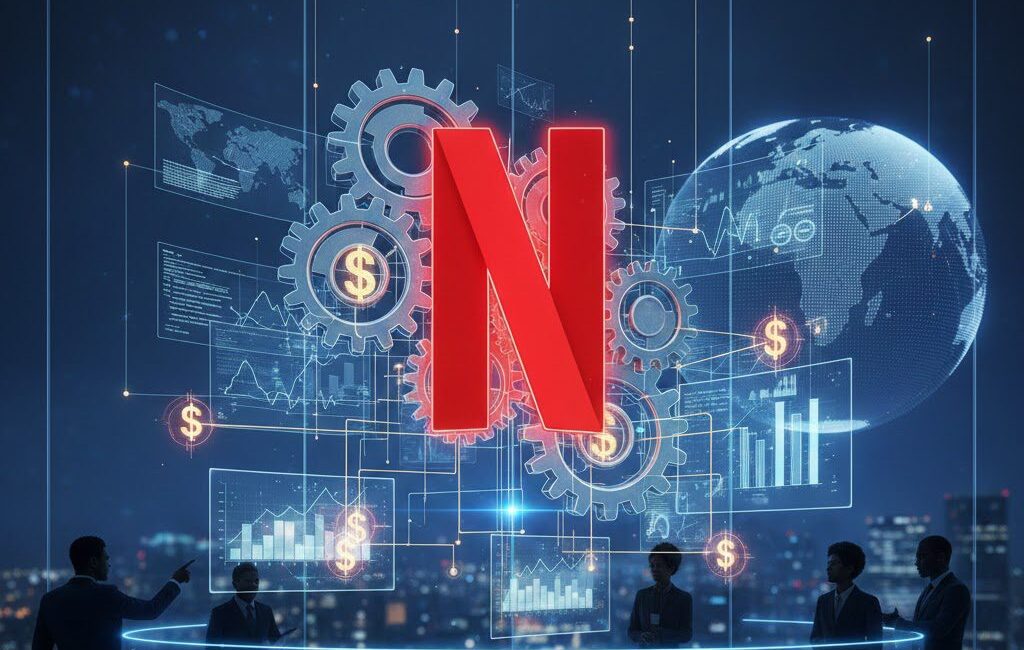
This comprehensive guide explores how Netflix‘s revolutionary financing model transformed the entertainment industry, disrupting traditional television and film financing structures. The information presented here is gathered from industry reports, financial analysis, and real-world deal data from Vitrina’s comprehensive media industry database, which tracks global production financing trends, streaming platform investments, and distribution deals across major markets worldwide.
Table of content
- Netflix’s Financing Revolution Explained
- Traditional TV Financing vs. Netflix’s Approach
- Industry-Wide Transformation and Market Impact
- Content Investment Strategy and Global Expansion
- Competitive Response and Industry Adaptation
- The Future of Entertainment Financing
- Conclusion
- Frequently Asked Questions
Netflix’s Financing Revolution Explained
Netflix fundamentally transformed entertainment financing by replacing traditional advertising-dependent revenue models with subscription-based direct investment in original content, creating a vertically integrated system that bypasses conventional distribution channels.
Core Financing Principles
Subscription-Based Revenue Foundation
- Monthly subscriber fees provide predictable, recurring revenue streams
- Global subscriber base of 260+ million enables massive content investment
- Revenue independence from advertising cycles and traditional broadcast schedules
- Direct consumer relationship eliminates distributor revenue sharing
Direct Content Investment Model
- Annual content spending exceeding $17 billion in cash investments
- Ownership of intellectual property rights rather than licensing agreements
- Global distribution rights secured from production inception
- Creative control maintained throughout development and production process
Vertical Integration Strategy
Production to Distribution Control
- Netflix Studios handles in-house content development and production
- Netflix Animation specializes in animated content creation
- Global distribution through proprietary streaming platform
- Marketing and promotional activities managed internally
Financial Structure Advantages
- Elimination of traditional distribution fees and revenue sharing
- Direct monetization through subscriber acquisition and retention
- Global simultaneous release capabilities reducing territorial licensing complexity
- Data-driven content investment decisions based on viewer analytics
Traditional TV Financing vs. Netflix’s Approach
The contrast between traditional television financing and Netflix‘s model represents one of the most significant disruptions in entertainment industry history, fundamentally altering how content is funded, produced, and distributed globally.
Traditional Television Financing Structure
Advertising-Dependent Revenue Model
- Revenue generated through commercial advertising sales during broadcast
- Content licensing from independent producers and studios
- Territorial distribution through network affiliates and cable systems
- Seasonal programming schedules tied to advertising market cycles
Fragmented Value Chain
- Independent production companies create content
- Networks license content for specific territories and time periods
- Distributors handle international sales and syndication
- Multiple revenue windows including broadcast, cable, and syndication
Netflix‘s Disruptive Approach
Subscription Revenue Transformation
- Predictable monthly revenue from global subscriber base
- Content investment decisions based on subscriber growth and retention metrics
- Elimination of advertising dependency and seasonal programming constraints
- Direct consumer payment model enabling premium content investment
Integrated Production and Distribution
- Direct financing of original content through Netflix Studios
- Ownership of content intellectual property from inception
- Global simultaneous distribution through streaming platform
- Data-driven content development based on viewer behavior analytics
Financial Impact Comparison
Traditional Model Limitations
- Revenue uncertainty due to advertising market fluctuations
- Limited content ownership and long-term monetization opportunities
- Complex territorial licensing reducing profit margins
- Dependence on third-party content creators and distributors
Netflix Model Advantages
- Stable revenue foundation enabling long-term content planning
- Content ownership providing ongoing monetization opportunities
- Global distribution capabilities maximizing content value
- Direct consumer relationship enabling personalized content strategies
Industry-Wide Transformation and Market Impact
Netflix‘s financing model catalyzed industry-wide transformation, forcing traditional media companies to adapt their business models while creating new opportunities and challenges across the entertainment ecosystem.
Market Structure Evolution
Streaming Platform Proliferation
- Over 5,270 streaming companies now operate globally
- Traditional broadcasters (42,417 companies) face increased competition
- Content production companies (198,647) adapt to new financing models
- Distribution companies (75,928) evolve services for streaming era
Content Production Shifts
- Streaming platforms produce 407,689 content titles globally
- Traditional broadcasters maintain 246,907 titles with higher individual popularity
- Production volume increases dramatically across all content categories
- Original content investment becomes competitive necessity
Deal Market Transformation
Financing Deal Evolution
- Production deals dominate market activity with 192 high-value transactions in 2025
- Acquisition deals command premium valuations averaging 66.53 deal scores
- Distribution deals decline in relative importance with 108 transactions
- Content ownership becomes primary strategic objective
Revenue Model Disruption
- Subscription-based revenue models gain market acceptance
- Advertising-dependent models face subscriber migration challenges
- Direct-to-consumer relationships become competitive advantages
- Global distribution capabilities determine content investment levels
Industry Adaptation Strategies
Traditional Media Response
- Launch of proprietary streaming platforms (Disney+, HBO Max, Paramount+)
- Increased investment in original content production
- Direct-to-consumer service development and subscriber acquisition
- Hybrid models combining advertising and subscription revenue
Content Creator Opportunities
- Multiple platform competition increases content demand and pricing
- Global distribution opportunities through streaming partnerships
- Creative freedom through platform-specific content development
- Data-driven content development enabling targeted audience engagement
Content Investment Strategy and Global Expansion
Netflix‘s content investment strategy demonstrates how subscription-based financing enables unprecedented global content production, with strategic focus on local content creation and international market penetration.
Investment Scale and Allocation
Massive Content Spending
- Annual content investment approaching $17 billion in cash spending
- Portfolio of 4,135+ total projects across development and production
- 1,521 released titles with 581 active projects in development
- Global content production spanning 50+ countries and territories
Content Category Distribution
- Scripted content represents 67% of portfolio (2,785 titles)
- TV series production: 1,403 titles with average popularity of 5.15
- Movie production: 1,382 titles with average popularity of 3.80
- Unscripted content: 685 titles focusing on documentary and reality programming
Global Production Strategy
Regional Content Investment
- United States: Primary production hub with highest investment levels
- Europe: Significant investment in UK, France, Spain, and Germany
- Asia Pacific: Growing investment in South Korea, Japan, and India
- Latin America: Spanish and Portuguese language content development
Local Content Advantages
- Cultural authenticity driving subscriber engagement in regional markets
- Lower production costs in emerging markets enabling budget efficiency
- Government incentives and co-production opportunities reducing investment risk
- Local talent development creating sustainable production ecosystems
Strategic Content Partnerships
High-Value Production Deals
- Partnerships with established studios like A24 and Tyler Perry Studios
- International animation partnerships with Wit Studio and other specialized producers
- Co-production agreements enabling shared investment and risk mitigation
- Talent deals with creators, directors, and producers for exclusive content
Strategic Content Partnerships
High-Value Production Deals
- Partnerships with established studios like A24 and Tyler Perry Studios
- International animation partnerships with Wit Studio and other specialized producers
- Co-production agreements enabling shared investment and risk mitigation
- Talent deals with creators, directors, and producers for exclusive content
Intellectual Property Strategy
- Investment in franchise development and sequel opportunities
- Adaptation rights for books, comics, and international formats
- Original IP creation through Netflix Studios and production partners
- Long-term content libraries providing ongoing subscriber value
Performance-Driven Investment Decisions
Data Analytics Integration
- Viewer engagement metrics determining content renewal and investment levels
- Regional preference analysis guiding local content development strategies
- Completion rates and binge-watching patterns influencing production decisions
- Subscriber acquisition and retention data driving content category allocation
Success Metrics and ROI
- Content popularity scores averaging 4.60 across Netflix’s portfolio
- Regional performance variations informing future investment strategies
- Cost-per-engagement calculations optimizing production budget allocation
- Global reach metrics maximizing content value across multiple territories
Competitive Response and Industry Adaptation
Netflix’s financing model success prompted widespread industry adaptation, with traditional media companies and new entrants developing competing strategies while transforming the entire entertainment ecosystem.
Major Platform Responses
Disney’s Streaming Transformation
- Launch of Disney+ with massive content library and original programming
- Integration of Marvel, Star Wars, and Pixar content for subscriber attraction
- Direct-to-consumer strategy bypassing traditional theatrical windows
- Bundle offerings combining Disney+, Hulu, and ESPN+ services
Warner Bros. Discovery and HBO Max Evolution
- Premium content strategy focusing on high-budget original series
- Simultaneous theatrical and streaming releases during pandemic period
- International expansion with localized content development
- Merger synergies combining Warner Bros. production with Discovery content
Apple and Amazon Strategic Approaches
- Apple TV+ focusing on premium original content with limited but high-quality catalog
- Amazon Prime Video leveraging e-commerce ecosystem for subscriber acquisition
- Significant investment in sports rights and live programming
- Integration with broader technology and retail service offerings
Traditional Broadcaster Adaptation
Network Television Evolution
- CBS All Access transformation to Paramount+ with expanded content library
- NBC’s Peacock launch combining free and premium subscription tiers
- Fox’s focus on live sports and news programming for broadcast differentiation
- International format licensing and co-production partnerships
Cable Network Transformation
- HBO’s evolution from premium cable to streaming-first strategy
- Showtime and Starz developing direct-to-consumer offerings
- Discovery’s merger with Warner Bros. creating integrated streaming platform
- Specialized networks developing niche streaming services
Market Competition Intensification
Content Bidding Wars
- Talent acquisition costs increasing dramatically across all platforms
- Production budget inflation driven by platform competition
- International content rights commanding premium valuations
- Exclusive content deals becoming strategic competitive advantages
Subscriber Acquisition Strategies
- Free trial periods and promotional pricing for new subscriber attraction
- Content bundling and cross-platform partnerships
- International expansion requiring localized content investment
- Advertising-supported tiers providing alternative revenue models
The Future of Entertainment Financing
Netflix’s financing model continues evolving while inspiring industry-wide innovation in content funding, distribution, and monetization strategies that will shape entertainment’s future landscape.
Emerging Financing Models
Hybrid Revenue Strategies
- Advertising-supported subscription tiers providing additional revenue streams
- Premium content offerings with higher subscription pricing
- Merchandise and licensing opportunities expanding content monetization
- Interactive content and gaming integration creating new revenue channels
Technology-Driven Innovation
- Artificial intelligence optimizing content investment decisions
- Blockchain technology enabling transparent royalty distribution
- Virtual and augmented reality content requiring specialized financing approaches
- Direct creator funding through platform-specific development programs
Global Market Evolution
Regional Platform Development
- Local streaming services competing with global platforms
- Government regulations supporting domestic content production
- Cultural content preferences driving localized platform strategies
- Emerging market opportunities requiring adapted financing models
Content Democratization
- Lower barriers to entry for independent content creators
- Crowdfunding and alternative financing mechanisms
- Direct creator-to-audience monetization through subscription platforms
- User-generated content integration with professional programming
Industry Structure Transformation
Consolidation and Partnership Trends
- Media company mergers creating larger content investment capabilities
- Strategic partnerships between technology and entertainment companies
- International co-production agreements reducing investment risk
- Platform aggregation services simplifying consumer access
Regulatory and Market Challenges
- Content regulation variations across international markets
- Antitrust concerns regarding platform market concentration
- Creator compensation and revenue sharing negotiations
- Sustainable content production practices and environmental considerations
Conclusion
Netflix’s financing model fundamentally transformed the entertainment industry by demonstrating the power of subscription-based revenue, direct content investment, and global distribution integration. This approach eliminated traditional intermediaries while enabling unprecedented content investment levels and creative freedom.
The industry’s response has created a more competitive and diverse content landscape, with multiple platforms investing billions in original programming while traditional media companies adapt their business models. This transformation benefits consumers through increased content variety and global accessibility while creating new opportunities for content creators worldwide.
As the industry continues evolving, successful companies will balance subscription growth with content investment efficiency, leverage data analytics for strategic decision-making, and adapt to changing consumer preferences across global markets. The Netflix model’s influence will continue shaping entertainment financing for years to come.
Frequently Asked Questions
Netflix invests approximately $17 billion annually in content, significantly exceeding most traditional broadcasters. This massive investment is enabled by their global subscriber base of 260+ million and subscription-based revenue model providing predictable cash flow.
Netflix has shifted heavily toward original content, with original programming now representing the majority of new additions. Their portfolio includes 4,135+ projects with 67% being scripted original content, reflecting their strategy to own intellectual property rather than license from third parties.
Netflix’s aggressive content investment has driven significant cost inflation industry-wide, with talent acquisition costs and production budgets increasing dramatically as platforms compete for exclusive content and top-tier creators.
Key advantages include predictable subscription revenue enabling long-term planning, content ownership providing ongoing monetization, global simultaneous distribution maximizing value, and direct consumer relationships enabling data-driven content decisions without advertising dependency.