

 Companies
  Content
 Global Production Financing Webinar

 Media Titans Webinar
  LeaderSpeak Podcast
  Latest Projects
 Global Trends
 About Projects Tracker
 About Vitrina
 Our Story
 Our Solutions 🔥
 Case Studies
 Our Profile
Understanding Negative Pickup Deals and Their Benefits: A Complete Guide to Film Financing

Author: vitrina
Published: December 1, 2025
Hardik, article writer passionate about the entertainment supply chain—from production to distribution—crafting insightful, engaging content on logistics, trends, and strategy
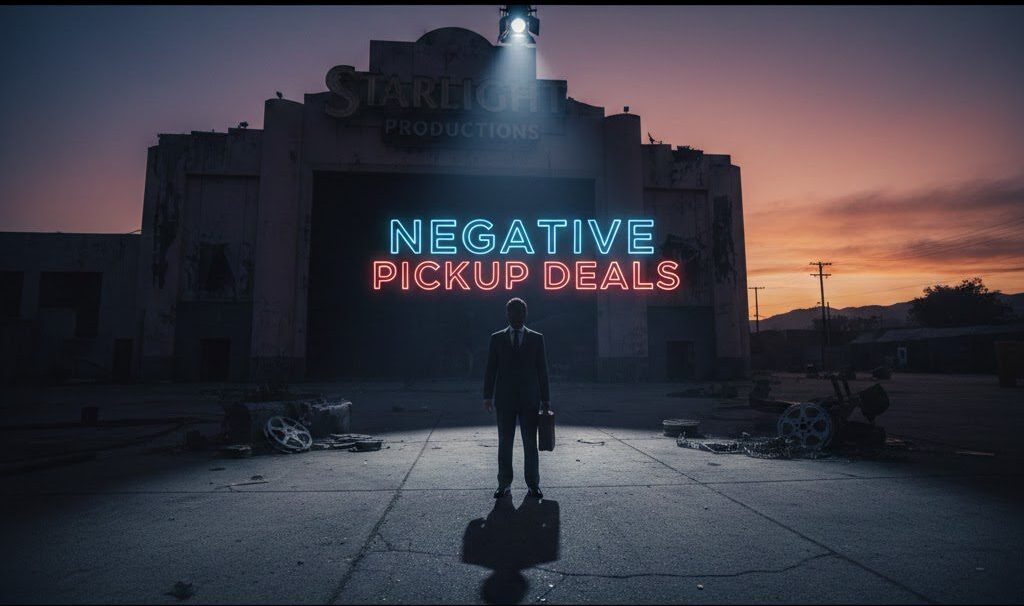
This comprehensive guide explores negative pickup deals, a crucial financing mechanism in film and television production. The information presented here is gathered from industry reports, distribution agreement analysis, and real-world deal data from Vitrina’s comprehensive media industry database, which tracks global production financing trends, distribution deals, and studio agreements across major markets worldwide.
What Are Negative Pickup Deals?
Negative pickup deals represent a sophisticated financing mechanism where distributors commit to purchasing completed films at predetermined prices, providing producers with essential financing collateral before production begins. This arrangement differs fundamentally from traditional studio development deals by maintaining producer independence while securing distribution guarantees.
Core Structure and Definition
Financial Commitment Framework
- Distributor agrees to purchase completed film at specified price
- Payment typically structured in installments upon delivery milestones
- Producer retains creative control throughout production process
- Distribution rights transfer only upon successful completion and delivery
Key Distinguishing Features
- No distributor involvement in production decisions
- Predetermined purchase price regardless of production costs
- Completion bond requirements to guarantee delivery
- Specific technical and creative delivery requirements
Types of Negative Pickup Arrangements
Studio Negative Pickups
- Major studios commit to theatrical and ancillary distribution
- Higher purchase prices reflecting broad distribution capabilities
- Extensive delivery requirements including marketing materials
- Often tied to specific talent attachments or franchise properties
Independent Distributor Pickups
- Specialized distributors focusing on genre or arthouse content
- More flexible creative requirements but lower purchase prices
- Regional or platform-specific distribution strategies
- Faster decision-making processes and deal execution
How Negative Pickup Deals Work in Practice
The negative pickup process involves multiple stages of negotiation, documentation, and execution that create a binding commitment between producers and distributors while establishing clear parameters for project completion and delivery.
Deal Initiation and Negotiation
Project Assessment Phase
- Distributor evaluates script, budget, and talent attachments
- Market analysis determines commercial viability and pricing
- Creative elements assessed for target audience alignment
- Financial projections based on comparable content performance
Terms Negotiation Process
- Purchase price determination based on market valuations
- Delivery schedule establishment with specific milestones
- Technical specifications for master materials and formats
- Marketing and promotional material requirements
Financing and Production Implementation
Bank Financing Facilitation
- Negative pickup agreement serves as collateral for production loans
- Completion bond requirements ensure delivery guarantee
- Gap financing may cover difference between pickup price and budget
- Cash flow management through production loan structures
Production Oversight Mechanisms
- Regular progress reports to distributor and financiers
- Completion bond company monitoring of production milestones
- Quality control measures ensuring delivery specifications
- Budget oversight preventing cost overruns affecting delivery
Delivery and Payment Process
Technical Delivery Requirements
- Master video and audio files in specified formats
- Complete music and effects stems for international versioning
- Artwork, trailers, and promotional materials
- Legal documentation including chain of title and clearances
Payment Structure Implementation
- Initial payment upon signed agreement (typically 10-20%)
- Progress payments tied to production milestones
- Substantial payment upon technical delivery (60-70%)
- Final payment upon acceptance of all materials
Benefits for Producers and Distributors
Negative pickup deals create mutual advantages for both producers and distributors by balancing creative independence with commercial security, enabling projects that might otherwise struggle to secure traditional financing or distribution.
Producer Advantages
Creative Control and Independence
- Complete artistic freedom during production process
- No distributor interference in casting or creative decisions
- Ability to maintain original vision without studio notes
- Flexibility in production methods and scheduling
Financial Security and Bankability
- Guaranteed sale price provides financing collateral
- Enables bank loans based on distributor commitment
- Reduces investor risk through pre-sold distribution
- Predictable revenue stream for business planning
Market Access and Distribution
- Professional distribution network without studio overhead
- Established marketing and promotional capabilities
- International sales and territory management
- Platform relationships for digital and streaming distribution
Distributor Benefits
Risk Management and Cost Control
- No production financing risk or budget exposure
- Predetermined acquisition cost regardless of production expenses
- Quality assurance through completion bond requirements
- Clear delivery specifications minimize post-production issues
Content Pipeline and Inventory
- Steady flow of completed content for distribution slate
- Diverse content portfolio without development costs
- Ability to support multiple projects simultaneously
- Strategic content acquisition for specific market needs
Market Positioning Advantages
- Access to independent content without studio competition
- Relationship building with emerging talent and producers
- Niche market specialization opportunities
- Lower overhead compared to in-house production
Structuring Negative Pickup Agreements
Effective negative pickup agreements require careful structuring of financial terms, delivery requirements, and legal protections that balance producer flexibility with distributor security while ensuring project completion and commercial viability.
Financial Structure and Payment Terms
Purchase Price Determination
- Market-based valuation considering genre, talent, and budget
- Comparable sales analysis for similar content
- Territory-specific pricing for regional distributors
- Platform-specific valuations for streaming or broadcast deals
Payment Schedule Framework
- Signing payment (10-20% of total purchase price)
- Production milestone payments (20-30% during filming)
- Delivery payment (50-60% upon technical completion)
- Acceptance payment (remaining 10-20% after final approval)
Delivery Requirements and Specifications
Technical Delivery Standards
- Master video files in specified resolution and format
- Separate audio stems for music, dialogue, and effects
- Closed captioning and subtitle files for accessibility
- Digital cinema packages for theatrical distribution
Marketing and Promotional Materials
- High-resolution artwork and key art designs
- Theatrical trailers and television spots
- Behind-the-scenes footage and electronic press kits
- Publicity stills and cast photography
Legal Protections and Risk Mitigation
Completion Bond Requirements
- Third-party guarantee of project completion and delivery
- Budget oversight and production monitoring
- Takeover provisions if production faces difficulties
- Insurance coverage for key personnel and equipment
Representations and Warranties
- Producer guarantees regarding rights ownership and clearances
- Confirmation of no third-party claims or encumbrances
- Compliance with industry standards and regulations
- Indemnification provisions protecting distributor interests
Risks and Key Considerations
While negative pickup deals offer significant advantages, both producers and distributors must carefully evaluate potential risks and implement appropriate safeguards to ensure successful project completion and commercial performance.
Producer Risk Factors
Production and Delivery Risks
- Budget overruns not covered by pickup price may require additional financing
- Completion bond company takeover if production faces serious difficulties
- Strict delivery requirements with potential penalties for non-compliance
- Technical specifications that may require expensive post-production work
Financial and Cash Flow Challenges
- Gap between pickup price and actual production costs
- Limited recourse if distributor faces financial difficulties
- Potential delays in payment affecting production cash flow
- Currency fluctuation risks for international distribution deals
Distributor Risk Considerations
Content Quality and Market Performance
- No control over production quality or creative decisions
- Market conditions may change between deal signing and delivery
- Competition from similar content released during production period
- Audience preferences may shift affecting commercial viability
Legal and Compliance Issues
- Reliance on producer representations regarding rights clearances
- Potential third-party claims affecting distribution rights
- Regulatory compliance across different territories and platforms
- Insurance coverage gaps during production period
Mitigation Strategies
Due Diligence and Evaluation
- Comprehensive producer track record assessment
- Detailed budget analysis and financing plan review
- Legal verification of rights ownership and clearances
- Market research confirming commercial viability
Contract Protections and Safeguards
- Detailed delivery specifications with clear acceptance criteria
- Escrow arrangements for payment security
- Force majeure provisions addressing unforeseen circumstances
- Dispute resolution mechanisms for contract disagreements
The Future of Negative Pickup Deals
The evolution of content distribution through streaming platforms and changing audience consumption patterns is reshaping negative pickup deals, creating new opportunities while challenging traditional distribution models.
Streaming Platform Impact
Direct Platform Acquisitions
- Major streamers increasingly using negative pickup structures
- Global distribution capabilities reducing territory fragmentation
- Higher purchase prices reflecting worldwide audience reach
- Simplified delivery requirements for digital-first content
Content Demand Evolution
- Increased appetite for diverse and international content
- Genre-specific platforms seeking specialized programming
- Local language content commanding premium valuations
- Limited series and episodic content expanding deal opportunities
Technology and Market Changes
Digital Distribution Advantages
- Reduced physical delivery costs and technical requirements
- Faster turnaround from completion to audience availability
- Enhanced data analytics for performance tracking and valuation
- Direct-to-consumer platforms creating new distribution channels
Financing Innovation
- Blockchain technology enabling transparent payment tracking
- Cryptocurrency payments for international transactions
- AI-powered content valuation and market analysis
- Crowdfunding integration with traditional negative pickup structures
Emerging Opportunities
New Content Formats
- Interactive and immersive content requiring specialized distribution
- Short-form content for social media and mobile platforms
- Virtual reality and augmented reality programming
- Gaming and entertainment crossover content
Global Market Expansion
- Emerging markets developing sophisticated distribution infrastructure
- Co-production opportunities spanning multiple territories
- Cultural exchange programs supporting international content
- Format adaptation rights creating additional revenue streams
Conclusion
Negative pickup deals remain a vital financing mechanism in the entertainment industry, providing producers with creative independence while offering distributors access to diverse content without production risk. These arrangements enable projects that might otherwise struggle to secure traditional studio financing, fostering innovation and supporting independent filmmaking.
As the industry evolves with streaming platforms and new distribution models, negative pickup deals are adapting to accommodate global distribution, digital delivery, and changing audience preferences. Success in this environment requires careful risk assessment, thorough due diligence, and strategic alignment between producer capabilities and distributor market positioning.
For producers considering negative pickup financing, the key lies in selecting distributors with proven track records, appropriate market reach, and financial stability. The investment in proper legal structure and completion bond protection often determines the difference between successful project completion and costly production difficulties.
Frequently Asked Questions
Negative pickup prices typically range from 80-120% of production budget, depending on market conditions, distributor reach, and content commercial potential. Independent distributors may offer lower percentages while major studios or streaming platforms often exceed production costs.
Negotiation timelines vary from 2-6 months depending on deal complexity, legal requirements, and distributor decision-making processes. Simple deals with established relationships may close faster, while first-time arrangements require extensive due diligence.
Non-delivery typically triggers completion bond company intervention, which may take over production to ensure completion. If delivery remains impossible, the distributor is released from purchase obligations, and the producer faces potential legal and financial consequences.
Yes, negative pickup deals work well for episodic content, particularly limited series and miniseries. Streaming platforms increasingly use this model for original programming, offering producers creative control while securing distribution commitments for completed seasons.